How to Fix a Dented Garage Door Panel
Repair a dented steel garage door panel using a rubber mallet, plunger method, or panel filler to restore your door appearance without full replacement.
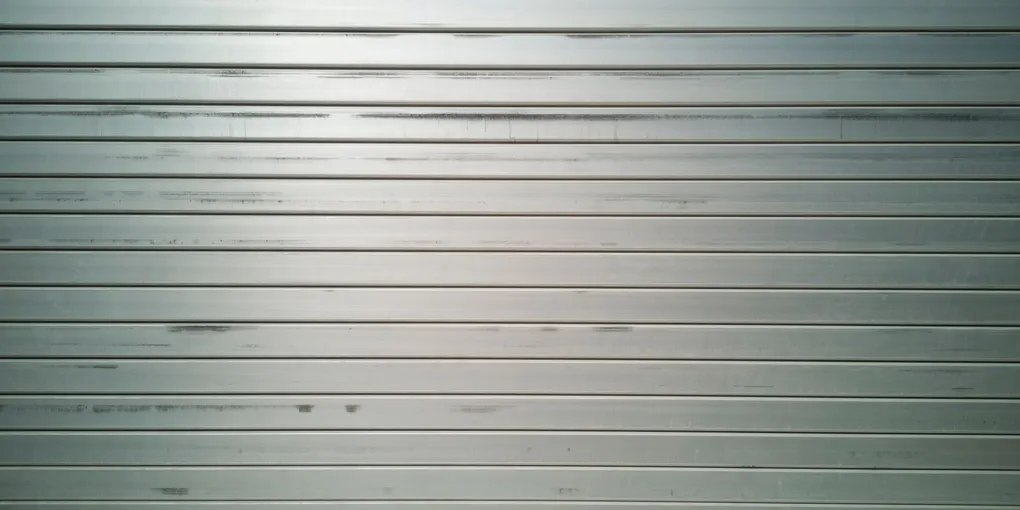
A dented garage door panel is one of those repairs that sits in plain sight every day, bothering you every time you pull into the driveway. The good news is that steel garage door dents — the most common type — can often be repaired at home for under $50.
A dented garage door panel is one of those repairs that sits in plain sight every day, bothering you every time you pull into the driveway. The good news is that steel garage door dents — the most common type — can often be repaired at home for under $50. The result will not be factory-perfect, but it will be significantly better than the dent, especially once primed and painted.
This guide covers the full range of DIY dent repair methods from the simplest (suction cup puller for shallow dents) to the most comprehensive (body filler and paint for larger damage).
What You Need
- Suction cup dent puller — effective on shallow dents with smooth surfaces
- Rubber mallet — for pushing dents back from inside the panel
- Heat gun or hair dryer — warming metal makes it more pliable before pushing
- Auto body filler (Bondo or equivalent) — for filling remaining low spots after pushing the dent
- Sanding block and sandpaper 80-grit and 220-grit — for shaping and finishing the body filler
- Self-etching primer spray — bonds to bare metal and prevents rust
- Matching exterior paint (spray can) — match your door color as closely as possible
- Painter’s tape and plastic sheeting — for masking the surrounding door before painting
- Degreaser or wax-and-grease remover — essential surface prep before filler or primer
Step 1: Assess the Dent
Stand back and look at the damaged panel in good light. Note:
- Dent depth: Is it a shallow dish (less than 1/2 inch deep) or a significant depression?
- Dent edges: Are the edges smooth and gradual, or is there a sharp crease line where the metal folded?
- Affected area: Is the dent limited to one zone of the panel, or does it span the full width of the panel?
- Panel condition: Is the paint just scratched, or is the metal bare? Is there any rust at the impact point?
A shallow, smooth-edged dent with no sharp creases is an ideal candidate for DIY repair. A sharply creased dent — where the metal has bent along a clear fold line — is much harder to repair invisibly, because metal that has been creased has stretched and will not spring back to its original shape.
Open the garage door and inspect the back of the panel from inside. If you can see daylight through the panel or if the panel frame is bent or cracked at the damage point, the panel may need replacement rather than repair.
Step 2: Clean the Repair Area
Good adhesion for body filler and primer depends entirely on a clean, grease-free surface.
- Wash the dented area with car wash soap or dish soap and rinse clean. Let it dry.
- Apply wax-and-grease remover to a clean rag and wipe the dented area and 12 inches of surrounding panel surface. This removes road film, waxes, and oils that prevent adhesion.
- If there is any rust at the impact point, sand it with 80-grit sandpaper to remove all rust scale. Apply a rust converter product to any remaining rust staining and let it dry per the label directions before proceeding.
Step 3: Push the Dent from Behind (If Accessible)
Many garage door panels are hollow or have a foam insulation core accessible from the back. If you can access the back of the dented area with the door open, pushing the dent from behind with a rubber mallet is the fastest approach.
- Open the garage door to a height where the dented panel is at a comfortable working height.
- Place a block of wood (a short 2x4 works well) against the back of the dent. The block distributes the mallet force over a wider area, preventing new small dents.
- Strike the block with the rubber mallet in short, controlled blows. Start at the outer edges of the dent and work inward — this helps the metal flow back toward center rather than creating a new crease.
- Periodically close the door and check the front of the panel. Stop when you have pushed the dent as close to flush as possible.
For steel panels (not insulated foam-core panels), the back of the panel is often not accessible, and you must work from the front.
Step 4: Use Heat and Suction for Shallow Dents
For shallow dents with smooth edges that cannot be accessed from behind, the heat-and-suction method is often effective.
- Use a heat gun or hair dryer on the highest setting to heat the center of the dented area for 30 to 60 seconds. Hold the heat source 4 to 6 inches from the surface. You want the metal warm but not so hot that you cannot touch it briefly with your hand.
- While the metal is still warm, press a suction cup dent puller firmly onto the center of the dent.
- Pull outward on the puller handle with steady, firm pressure. Do not jerk — steady pulling is more effective.
- For stubborn dents, reheat and try again. Multiple rounds of heat and pulling can extract a dent that resists the first attempt.
Automotive dent pullers with slide hammer attachments are more powerful versions of this technique and are available at tool rental shops if you need more pulling force.
Step 5: Apply Auto Body Filler
Even when you push a dent back as fully as possible, there will usually be a shallow remaining depression or a rough area where the paint cracked during the impact. Auto body filler fills these remaining imperfections and creates the smooth surface that primer and paint need.
- Lightly sand the repair area with 80-grit sandpaper to rough up the bare metal. Body filler bonds much better to scuffed metal than to smooth metal.
- Wipe away sanding dust with a tack cloth or damp rag. Let dry.
- Mix the body filler per package directions. Most two-part fillers use a small ribbon of hardener mixed into the base on a disposable mixing board. Work quickly — mixed filler begins to harden in 3 to 5 minutes.
- Apply the mixed filler over the repair area with a plastic spreader, working it into any low spots. The goal is to fill the depression slightly proud (slightly above flush) of the surrounding panel surface.
- Feather the edges of the filler out onto the surrounding panel surface — abrupt filler edges create visible ridges when painted.
- Let the filler harden for 20 to 30 minutes at room temperature. It will turn from gel to a firm solid.
Step 6: Sand the Filler
Once the filler has cured hard, shape it with 80-grit sandpaper on a sanding block. Work in circular motions and check your progress frequently by running your hand across the surface — you are aiming for a completely smooth transition between the filler and the surrounding panel.
If any low spots remain after the initial sanding, apply a thin skim of fresh filler, let it cure, and sand again. This second skim pass fixes any pin holes or low areas that became visible after the first sanding.
Finish-sand with 220-grit sandpaper for a smooth surface before priming. The filler surface should feel completely smooth to the touch with no rough edges or ridges.
Step 7: Prime and Paint
Prime immediately after sanding. Bare body filler and bare metal will rust if left exposed, even overnight.
- Mask the surrounding panel with painter’s tape and plastic sheeting to protect areas you are not painting.
- Shake the self-etching primer spray can thoroughly.
- Apply two thin coats of primer to the repair area, allowing 15 minutes between coats. Hold the can 10 to 12 inches from the surface and use smooth, overlapping passes.
- Let the primer dry for 1 to 2 hours.
- Lightly sand the primed area with 220-grit sandpaper to remove any dust nibs and create a smooth, even surface.
- Wipe with a tack cloth.
Paint the repair:
- Shake the color-matched paint can thoroughly.
- Apply two to three thin coats, allowing each to dry for 10 to 15 minutes before the next.
- Extend each paint coat slightly beyond the primed area onto the surrounding panel to help blend the edges.
- Let the final coat dry fully — 24 hours before touching, 72 hours before the surface is weather-resistant.
For the closest color match on a painted garage door, take a photo of the door and the paint code (often on a sticker inside the door frame) to an auto paint supplier who can mix a custom match in a spray can.
Step 8: Evaluate the Result and Panel Replacement Option
Step back and evaluate the repair in natural light at different angles. A well-executed repair is significantly less visible than the original dent and acceptable from normal viewing distance. Up-close inspection in raking light may reveal the repair, but a perfect finish requires professional bodywork tools and a proper spray booth.
If the repair is not satisfactory — for example, a sharp crease remains visible or the filler is showing through the paint — contact a garage door company about single panel replacement. Most garage door manufacturers sell replacement panels for their door models, and a company can match the existing panel design and color.
Regular Maintenance for a Long-Lasting Garage Door
- Lubricate moving parts annually: Apply garage door lubricant to hinges, rollers, and springs each spring and fall.
- Wash and inspect annually: Wash the door surface each spring and look for paint chipping, rust spots, or new small dents while they are easy to repair.
- Touch up paint promptly: Any paint chip that exposes bare metal on a steel door will rust. Keep a small amount of matching paint for quick touch-ups.
Related Reading
- How to Fix a Broken Garage Door Spring
- How to Install a Garage Door Opener
- How to Organize a Garage
- How to Fix a Fence Post
- Assess the Dent
Stand back and look at the damaged panel in good light. Note:
- Clean the Repair Area
Good adhesion for body filler and primer depends entirely on a clean, grease-free surface.
- Push the Dent from Behind (If Accessible)
Many garage door panels are hollow or have a foam insulation core accessible from the back. If you can access the back of the dented area with the door open, pushing the dent from behind with a rubber mallet is the fastest approach.
- Use Heat and Suction for Shallow Dents
For shallow dents with smooth edges that cannot be accessed from behind, the heat-and-suction method is often effective.
- Apply Auto Body Filler
Even when you push a dent back as fully as possible, there will usually be a shallow remaining depression or a rough area where the paint cracked during the impact.
- Sand the Filler
Once the filler has cured hard, shape it with 80-grit sandpaper on a sanding block. Work in circular motions and check your progress frequently by running your hand across the surface — you are aiming for a completely smooth transition between the fi...
Free: 10-Point Home Maintenance Checklist
Prevent costly repairs with this seasonal checklist. Save hundreds every year by catching problems early.
Your checklist is ready!
Open Checklist →Something went wrong. View the checklist here.