How to Fix a Broken Garage Floor Drain: Step-by-Step Guide
Learn how to clear, repair, and restore a clogged or broken garage floor drain with simple DIY tools and techniques.
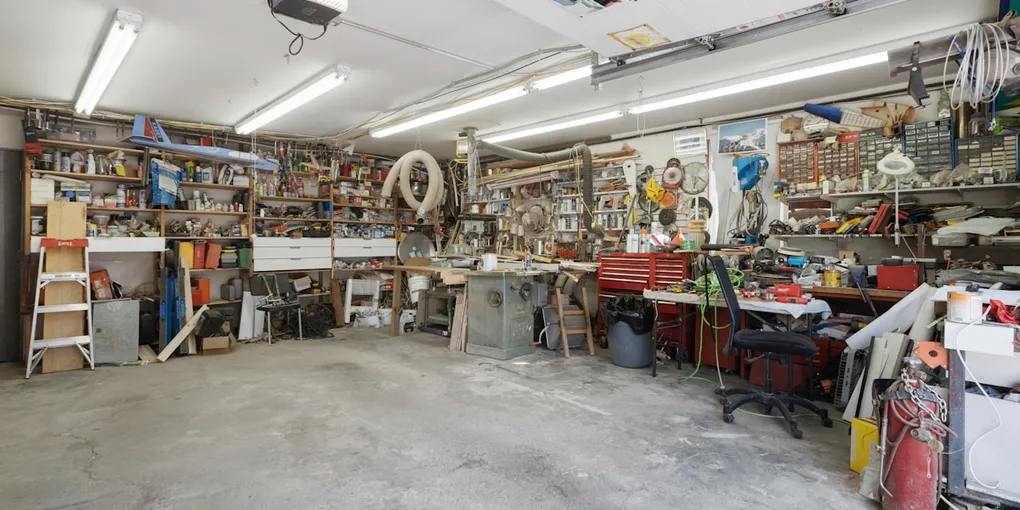
A garage floor drain is one of the hardest-working fixtures in your home, handling wash water, snowmelt runoff, and the occasional oil spill. When it stops draining or shows physical damage, the fix is well within DIY reach. This guide walks you through diagnosing, clearing, and repairing a broken or clogged garage floor drain.
Tools and Materials You Will Need
- Drain snake or auger (25–50 ft)
- Wire brush and stiff-bristle scrub brush
- Shop vacuum or wet vac
- Hydraulic cement or concrete patching compound
- Replacement drain body or drain insert (if needed)
- Bucket and garden hose
- Non-toxic drain cleaner
- Safety gloves and eye protection
For serious clogs, a quality drain snake makes the job much faster. The RIDGID 59787 K-3 Toilet Auger or a dedicated floor drain snake in the 25-foot range works well for most garage applications.
Step 1: Remove the Drain Cover and Inspect
Start by lifting the drain grate or cover. Most garage drain grates simply lift out or have a single center screw. Once removed, shine a flashlight into the drain opening.
Look for:
- Standing water that is not draining (blocked pipe or trap)
- Visible cracks in the drain body or surrounding concrete collar
- A corroded or collapsed drain barrel
If the drain body itself is cracked or the concrete collar has heaved away from the pipe, you are dealing with a structural repair, not just a clog.
Step 2: Clear Debris from the Trap
Garage floor drains typically have a sediment trap — a small bucket-shaped reservoir below the grate that collects solids before they enter the drain pipe. Scoop or vacuum out any accumulated sludge, gravel, and debris from the trap.
Use a stiff wire brush to scrub the trap walls, then flush with a garden hose. This step alone often restores partial or full drainage.
Step 3: Snake the Drain Line
If clearing the trap does not restore full flow, the clog is further down the line. Feed a drain snake into the pipe below the trap. Turn the snake handle clockwise as you advance the cable to break up blockages.
Retract the snake slowly and clean off any pulled debris. Repeat until the cable moves freely through the line. Flush with a hose to confirm flow is restored.
A heavy-duty option like the Ryobi 18V Drain Snake removes the elbow grease of hand cranking and is worth the investment if you have multiple slow drains.
Step 4: Apply a Drain Cleaner Treatment
After mechanical clearing, apply an enzyme-based drain cleaner to dissolve any remaining grease or organic buildup in the pipe walls. Pour according to the product directions and let it sit overnight for best results.
Avoid using bleach or caustic lye-based cleaners if the garage drain exits to a dry well or gray water system — they kill the beneficial bacteria that keep those systems functional.
Step 5: Repair Cracks in the Drain Body or Collar
If the drain body is cracked but still structurally intact, hydraulic cement is your best friend. Mix the cement to a thick paste, pack it firmly into the crack, and smooth the surface level with the surrounding floor. Hydraulic cement sets in 3 to 5 minutes and is waterproof immediately upon cure.
For a cracked or collapsed drain barrel, the most reliable fix is to install a plastic or cast-iron drain insert. These snap or mortar into the existing drain opening and restore a clean, functional drain body without requiring a full concrete breakout.
Step 6: Reinstall the Drain Cover and Test
Once repairs have fully cured (hydraulic cement: 24 hours before heavy use), reinstall the drain grate and run a thorough flush test with a garden hose. Watch for leaks around the collar and confirm water drains freely.
A plastic floor drain cover replacement is also a good upgrade if the original grate is badly corroded or damaged — they cost only a few dollars and most are universal fit.
Maintenance Tips to Prevent Future Problems
- Flush the drain with a hose once a month to keep the trap full and the pipe clear.
- Keep the sediment trap clean every 6 months.
- Pour a cup of mineral oil or non-toxic antifreeze into the trap before winter to prevent freeze damage.
- Never pour paint, solvents, or oil directly down a garage floor drain — dispose of them at a local hazardous waste facility.
With the right tools and a few hours of work, you can get your garage floor drain flowing cleanly again and protect your slab from water damage all year long.
Free: 10-Point Home Maintenance Checklist
Prevent costly repairs with this seasonal checklist. Save hundreds every year by catching problems early.
Your checklist is ready!
Open Checklist →Something went wrong. View the checklist here.