How to Fix a Cracked Asphalt Driveway
Learn how to clean, fill, and seal cracks in an asphalt driveway to stop water damage from spreading and restore your driveway's appearance and structural life.
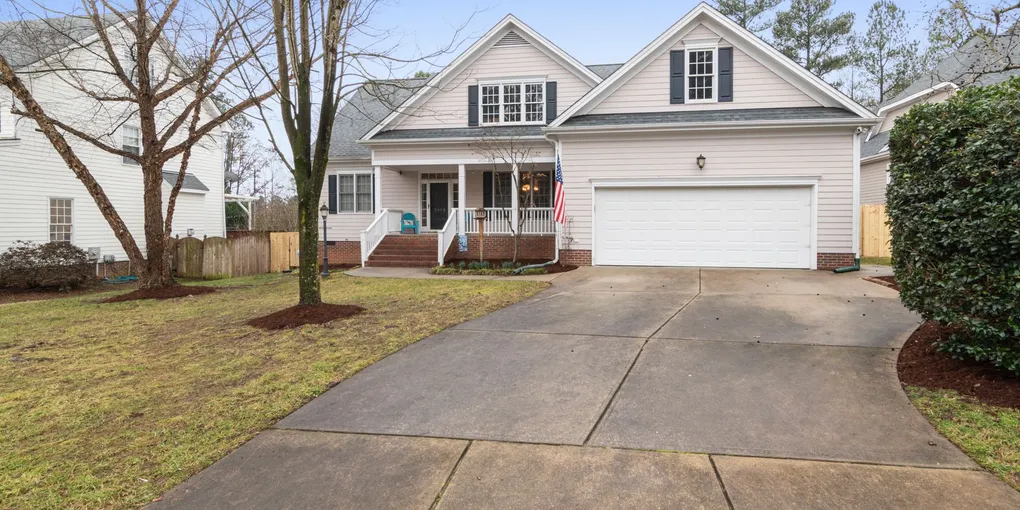
A cracked driveway is more than an eyesore — it is an entry point for water, ice, and vegetation that will progressively destroy the asphalt from below. Filling cracks promptly is the most cost-effective way to extend your driveway’s life, and it is a genuinely manageable weekend project.
A cracked driveway is more than an eyesore — it is an entry point for water, ice, and vegetation that will progressively destroy the asphalt from below. Filling cracks promptly is the most cost-effective way to extend your driveway’s life, and it is a genuinely manageable weekend project. This guide covers cleaning, filling, and sealing cracks in an asphalt driveway from start to finish.
What You Need
- Rubberized asphalt crack filler ($8–$20 per bottle, covers about 30 linear feet of narrow cracks)
- Asphalt cold patch repair compound ($15–$30 per bag, for wide cracks and potholes)
- Driveway sealcoat ($25–$60 per 5-gallon bucket, covers approximately 250–400 sq ft)
- Pressure washer or garden hose with spray nozzle
- Wire brush or crack cleaning tool
- Leaf blower or compressed air
- Caulk gun (if using cartridge-style crack filler)
- Squeegee or driveway sealcoat brush/applicator
- Backer rod foam for wide cracks (for cracks wider than 1/2 inch)
- Safety glasses and chemical-resistant gloves
Step 1: Assess and Categorize Your Cracks
Walk the full length of the driveway and assess what you’re working with. Different types of cracks need different repair approaches.
Hairline cracks (under 1/4 inch wide): Surface-level oxidation cracks that have not yet penetrated through the asphalt layer. These respond well to sealcoating alone — the sealcoat bridges them and prevents moisture entry.
Medium cracks (1/4 inch to 1 inch wide): The target of crack filler products. These need to be cleaned and filled before sealcoating.
Wide cracks and small potholes (over 1 inch): Require backer rod foam to fill the void before applying crack filler on top, or use cold-patch asphalt to pack the void.
Alligator cracking or sunken areas: Indicates base failure — surface repair is temporary at best. Note these areas separately; they may need professional attention.
Step 2: Clean the Driveway Surface
The single biggest reason crack repairs fail prematurely is poor surface preparation. Filler applied over dirt, debris, or vegetation bonds weakly and fails within a season.
Clear loose debris. Use a leaf blower to clear leaves, grit, and loose asphalt fragments from the entire driveway surface, paying extra attention to crack interiors.
Pressure wash the surface. Wash the full driveway with a pressure washer, using a 15-degree or 25-degree nozzle to blast debris out of the cracks. Hold the nozzle 6–8 inches from the surface for maximum cleaning in the cracks. If you don’t have a pressure washer, a garden hose with a high-pressure spray nozzle works for light cleaning.
Remove vegetation. Weeds and grass growing out of cracks must be killed and removed. Spray with a non-selective herbicide (glyphosate) a week before repair day, then pull out dead roots. Any remaining root material will continue to grow and re-open the crack from below.
Use a wire brush on stubborn dirt. Run a stiff wire brush along the interior of each crack to dislodge embedded dirt and loose asphalt particles. A flat-bladed crack cleaning tool with a hook end makes this easier on long straight cracks.
Allow to dry completely. Asphalt crack filler will not bond to wet surfaces. After washing, wait at least 24–48 hours for the cracks to dry completely in warm weather. In humid conditions, wait longer. You can speed drying with a propane torch on a low setting, moving continuously to dry without scorching.
Step 3: Fill the Cracks
For cracks 1/4 to 1/2 inch wide: Use pourable rubberized crack filler. Shake or stir the product well. Pour or squeeze the filler directly into the crack, slightly overfilling so the filler is just above the surrounding surface level. The filler will settle and shrink slightly as it cures. Work in sections of 3–4 feet at a time, tooling the filler with a putty knife or trowel to remove bubbles and ensure it reaches the bottom of the crack.
For cracks wider than 1/2 inch: Insert backer rod foam into the crack first to fill the depth and give the crack filler something to bond to. Backer rod is a flexible foam rope available in various diameters at hardware stores. Press it in to about 1/4 inch below the surface, then apply crack filler on top. Without backer rod, you use an excessive amount of product trying to fill deep cracks and the filler often sags or cracks in the center.
For cracks over 1 inch wide or small potholes: Pack with cold-patch asphalt. Pour the cold-patch material into the void and compact it firmly with a hand tamper, piece of lumber, or by driving over it with your vehicle. Add material in layers of 2 inches or less, compacting each layer before adding the next. The finished patch should be slightly above the surrounding asphalt level to account for further compaction.
Allow crack filler to cure. Most rubberized fillers become tack-free in 2–4 hours and fully cure in 24–48 hours depending on temperature and humidity. Do not apply sealcoat until the filler is fully cured.
Step 4: Apply Driveway Sealcoat
Sealcoating over a freshly repaired driveway protects the repairs and the surrounding asphalt from UV oxidation, oil penetration, and water infiltration. It also gives the driveway a uniform dark appearance that hides the patches.
Wait for the right conditions. Air temperature must be above 50°F with no rain for 24–48 hours after application. Do not sealcoat in direct hot sun if possible — early morning or overcast conditions give you more working time.
Stir the sealcoat thoroughly. The heavy solid particles settle during storage. Stir for 3–5 minutes before starting, and re-stir periodically during application.
Apply a thin, even coat. Pour sealcoat at the top of the driveway and spread it in long, overlapping strokes with a squeegee or driveway brush. Work from the house toward the street so you’re not walking over fresh sealcoat. Apply as thin an even coat as possible — thick applications crack as they cure. Most 5-gallon pails specify a 250–400 sq ft coverage; resist the urge to spread it thinner for more coverage, as the product will not protect adequately.
Allow to cure before walking or driving. Wait at least 24 hours before foot traffic and 48–72 hours before driving. Block the driveway with cones or rope to remind family members.
Maintenance Schedule
Consistent maintenance dramatically extends the life of an asphalt driveway:
- Inspect for new cracks every spring after the freeze-thaw season. Fill immediately — small cracks are far easier and cheaper to fix than large ones.
- Sealcoat every 2–3 years. Do not sealcoat more frequently than every 2 years — buildup of too many sealcoat layers leads to cracking and peeling.
- Keep the driveway edges clear. Soil and grass against the driveway edges trap moisture and accelerate edge deterioration. Maintain a small gap or edged border.
- Clean oil stains promptly. Motor oil softens asphalt binder. Apply cat litter or commercial degreaser immediately on fresh spills; pressure wash after 30 minutes.
Cost Summary
| Repair Type | DIY Cost | Pro Cost |
|---|---|---|
| Crack filling (entire driveway) | $40–$100 | $200–$500 |
| Sealcoating (2-car driveway) | $60–$120 | $200–$400 |
| Cold patch pothole repair | $20–$50 | $150–$350 |
| Full driveway replacement | N/A | $3,000–$10,000 |
Related Reading
- Spring Home Maintenance Checklist
- How to Power Wash a Driveway
- How to Install a Fence
- Concrete Driveway Cost — switch to concrete: costs and considerations
- Assess and Categorize Your Cracks
Walk the full length of the driveway and assess what you're working with. Different types of cracks need different repair approaches.
- Clean the Driveway Surface
The single biggest reason crack repairs fail prematurely is poor surface preparation. Filler applied over dirt, debris, or vegetation bonds weakly and fails within a season.
- Fill the Cracks
For cracks 1/4 to 1/2 inch wide: Use pourable rubberized crack filler. Shake or stir the product well. Pour or squeeze the filler directly into the crack, slightly overfilling so the filler is just above the surrounding surface level.
- Apply Driveway Sealcoat
Sealcoating over a freshly repaired driveway protects the repairs and the surrounding asphalt from UV oxidation, oil penetration, and water infiltration. It also gives the driveway a uniform dark appearance that hides the patches.
Free: 10-Point Home Maintenance Checklist
Prevent costly repairs with this seasonal checklist. Save hundreds every year by catching problems early.
Your checklist is ready!
Open Checklist →Something went wrong. View the checklist here.