Screened Porch Cost 2026: $3,000–$50,000 by Scope
Screened porch costs $3,000–$8,000 for a basic screen enclosure conversion, $10,000–$25,000 for a built addition, and $25,000–$50,000+ for a four-season room. Pricing by size and scope.
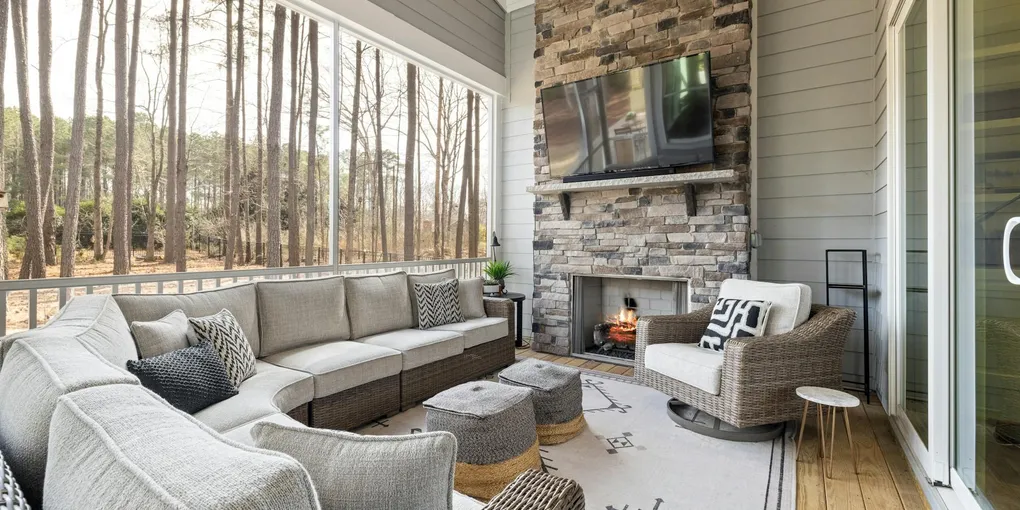
A screened porch costs $3,000–$12,000 to add screens to an existing deck or porch. A new screened porch addition from the ground up costs $12,000–$50,000. Screen enclosure for a pool costs $5,000–$20,000. The primary variables are size (sq ft), materials (aluminum vs. wood framing), and whether you're converting an existing structure or building new.
Frequently Asked Questions
How much does a screened porch cost?
Screened porch costs by scope: converting existing deck or porch to screened (adding posts, frame, and screens) $3,000–$10,000; new ground-level screened porch addition (with foundation) $12,000–$30,000; elevated screened porch addition $15,000–$40,000; screen enclosure for pool or lanai $5,000–$20,000. Size-based pricing: $25–$75/sq ft for a simple screen conversion; $80–$150/sq ft for a new screened porch addition. Common sizes and costs: 10×12 ft (120 sq ft) $4,000–$9,000; 12×20 ft (240 sq ft) $8,000–$18,000; 16×24 ft (384 sq ft) $15,000–$35,000.
What is the difference between a screened porch and a sunroom?
Screened porch: open to outdoor air through screens — provides insect protection but no weatherproofing; no HVAC; lower cost; often no permit for small conversions. Sunroom (three-season room): typically uses tempered glass or polycarbonate panels that can open — provides weather protection; some insulation; moderate HVAC required for year-round use. Four-season sunroom: fully insulated with HVAC extension, double-pane windows — functions as additional conditioned square footage year-round; highest cost ($20,000–$80,000). If you just want to keep bugs out while enjoying the outdoors in warm months, a screened porch is the most cost-effective choice. If you want year-round outdoor room use, a four-season sunroom is necessary.
Do I need a permit for a screened porch?
Most screened porch additions require building permits because they involve structural framing (posts, beams, roof framing) attached to the house. A simple re-screening of an existing screened porch (replacing the screen material only) generally doesn't require a permit. New screened porch additions, converting a deck to a screened porch, and all pool screen enclosures typically require permits. Permit costs: $100–$600 for screened porch work. Some municipalities classify small screened porches as 'accessory structures' with simplified permit requirements. Check local requirements; adding square footage to the house exterior almost always involves permits.
What type of screen material should I use?
Screen material comparison: fiberglass screen (most common, $0.50–$1.50/sq ft) — affordable, flexible, resists rust, slightly fuzzy appearance; aluminum screen ($0.75–$2.00/sq ft) — cleaner appearance, more durable, harder to repair; pet-resistant screen ($1.50–$3.00/sq ft, Phifer PetScreen) — heavy-duty polyester that resists pet clawing; solar screen (60–70% visibility reduction, $1.00–$2.00/sq ft) — reduces heat gain and glare significantly; no-see-um screen (fine mesh, $1.50–$3.00/sq ft) — stops gnats and tiny insects aluminum screen misses. For households with dogs or cats: pet-resistant screen ($300–$600 additional for a typical porch) is worth the premium — standard screens last 1–2 years with active pets, pet screen lasts 5–10 years.
How long does a screened porch last?
The screened porch frame (wood or aluminum) lasts 20–40 years with maintenance. Screen material has a much shorter lifespan: fiberglass screen 5–10 years; aluminum screen 10–20 years; pet-resistant screen 5–10 years depending on pet activity. Screen replacement is typically $500–$1,500 for a full porch re-screening, DIY cost $100–$300 in materials. Wood-frame screened porches require staining or painting every 3–5 years ($200–$600) to prevent rot. Aluminum-frame screen enclosures (common for pool lanais in Florida) last 20–30+ years with minimal maintenance beyond re-screening.
Can I add a screened porch to an existing deck?
Converting an existing deck to a screened porch is one of the most cost-effective outdoor living upgrades — the deck surface, footings, and much of the structural framing already exist. The conversion adds: corner posts (attached to deck structure), top plate, roof framing or gable framing, and screen panels. If the deck has an existing roof or pergola, the conversion is even simpler. Key requirement: the deck must be structurally sound before adding the additional load of screen framing and a roof. Have the deck inspected if it is over 10 years old — rotted joists or ledger board connections can make the deck unsafe to attach to without repair first.
A screened porch costs $3,000–$12,000 to add screens to an existing deck or porch. A new screened porch addition from the ground up costs $12,000–$50,000.
A screened porch extends the usable outdoor season by solving the single biggest outdoor living complaint in most of the US: insects. In the South, a screened porch is one of the most common home features — the ability to sit outside without mosquitoes in July is transformative. In northern states, screens extend useful outdoor time from Memorial Day through Labor Day.
Screened Porch Cost by Size
| Size | Screen Conversion | New Addition |
|---|---|---|
| 10×12 ft (120 sq ft) | $4,000–$8,000 | $12,000–$20,000 |
| 12×16 ft (192 sq ft) | $6,000–$12,000 | $18,000–$30,000 |
| 16×20 ft (320 sq ft) | $8,000–$16,000 | $25,000–$45,000 |
| 20×24 ft (480 sq ft) | $12,000–$22,000 | $35,000–$65,000 |
Screened Porch vs. Sunroom vs. Four-Season Room
| Type | Cost | Weather Resistant | Heating/Cooling | Year-Round |
|---|---|---|---|---|
| Screened porch | $3K–$30K | No (screens only) | No | No |
| Three-season room | $15K–$40K | Partial | Minimal | No |
| Four-season sunroom | $25K–$80K | Full | Full HVAC | Yes |
Cost Breakdown: What You’re Paying For
A $15,000 screened porch addition (16×16 ft, wood frame, solid roof) breaks down approximately:
| Component | Cost |
|---|---|
| Footings / foundation | $1,500–$3,000 |
| Frame lumber (posts, plates, rafters) | $1,500–$3,000 |
| Roof (shingles or metal panel) | $2,000–$4,000 |
| Screen material + framing | $800–$2,000 |
| Electrical (fan junction box, 2 outlets) | $500–$1,000 |
| Labor | $4,000–$8,000 |
| Permit + inspection | $200–$600 |
Labor is typically 40–55% of the total cost for screened porch additions. Screen conversion of an existing deck costs less because the foundation and framing already exist.
Wood vs. Aluminum Frame Cost
| Factor | Wood Frame | Aluminum Frame |
|---|---|---|
| Material cost | Lower | 15–25% higher |
| Maintenance | Paint/stain every 3–5 years | Minimal (powdercoat lasts 20 yr) |
| Appearance | Traditional, warm | Clean, modern or Florida-style |
| Repair | Easy, standard lumber | Requires matching extrusions |
| Best climate | Dry northern climates | Humid southern climates, pool areas |
| Labor cost | Standard | Slightly higher (specialty work) |
Wood screened porches in the South (Florida, Georgia, South Carolina) require diligent maintenance — the combination of humidity, insects, and heat accelerates wood rot significantly. In these markets, aluminum-frame enclosures are dominant for a reason.
Screen Material Options and Costs
| Material | Cost per Sq Ft | Lifespan | Best For |
|---|---|---|---|
| Fiberglass screen | $0.50–$1.00 | 5–10 years | Standard use, least expensive |
| Aluminum screen | $0.75–$1.50 | 10–20 years | Cleaner appearance, more durable |
| Pet screen (Phifer PetScreen) | $1.50–$3.00 | 5–10 years | Households with dogs/cats |
| Solar screen (60–70% shade) | $1.00–$2.00 | 5–10 years | Hot, sunny climates |
| No-see-um screen (fine mesh) | $1.50–$3.00 | 5–10 years | Stops gnats and small insects |
For a 200 sq ft screened porch: screen material cost runs $100–$600 depending on type. Total re-screening labor (new spline, new screen) runs $500–$1,200 professionally.
Regional Cost Variations
| Region | Screen Conversion | New Addition |
|---|---|---|
| Southeast (FL, GA, SC) | $3,000–$8,000 | $10,000–$25,000 |
| Northeast (NY, MA, CT) | $5,000–$12,000 | $15,000–$40,000 |
| Midwest | $4,000–$10,000 | $12,000–$30,000 |
| Southwest / Mountain | $4,000–$10,000 | $12,000–$28,000 |
Florida screen enclosures are often cheaper than northern screened porches because the aluminum-frame pool enclosure industry is very mature in Florida — labor is competitive and the building process is highly efficient. Northern wooden screened porch additions require more complex framing and weather protection.
ROI and Home Value
Screened porches are consistently one of the higher-ROI outdoor additions:
- Remodeling Magazine estimates 75–85% of screened porch addition cost is recouped at resale
- In the South (particularly Florida, Georgia, and the Carolinas), screened porches are expected features — homes without them can be at a disadvantage in the listing market
- A $12,000 screen porch conversion adds perceived value of $8,000–$12,000 in most markets — making it cost-neutral or positive for pre-sale work
For rental properties: screened porches improve occupancy rates and allow higher rental premiums in bug-heavy climates.
Regional Screened Porch Cost Variations
| Region | Existing Deck Conversion (200 sq ft) | New Addition (200 sq ft) | Large Addition (400 sq ft) |
|---|---|---|---|
| Northeast (NY, MA, NJ) | $8,000–$18,000 | $18,000–$40,000 | $35,000–$70,000 |
| Mid-Atlantic (DC, MD, VA) | $7,500–$16,000 | $16,000–$37,000 | $32,000–$65,000 |
| Southeast (FL, GA, TX) | $5,500–$12,000 | $12,000–$28,000 | $24,000–$52,000 |
| Midwest | $6,000–$13,500 | $13,000–$30,000 | $26,000–$55,000 |
| Pacific (CA, WA, OR) | $7,500–$17,000 | $17,000–$38,000 | $34,000–$68,000 |
Screened porches in the Southeast carry a stronger ROI than elsewhere — buyers in FL, GA, and the Carolinas expect screened outdoor spaces. New additions require permits in all jurisdictions.
Screened Porch Contractor Comparison
| Contractor Type | Best For | Cost Level | Notes |
|---|---|---|---|
| Local porch/sunroom specialist | Best quality; understands porch-specific construction | Moderate–High | Specialists know screen tension, framing for screening, and insect-grade mesh |
| General contractor | Larger projects with structural changes | Moderate–High | Right when structural work (foundation, framing modifications) is the primary scope |
| EZE-Breeze (vinyl panel windows) | Four-season conversion; mild climate porch enclosure | Moderate | Vinyl track windows that convert screened porch to three-season; less expensive than full sunroom |
| Four Seasons Sunrooms | Premium; factory-built components | High | National brand; consistent quality; well-suited for fully enclosed sunroom upgrades |
| Home Depot / Lowe’s installation | Simple screen enclosure kits for existing slab | Low–Moderate | Screen room kits are suitable for existing concrete slab patios; less permanent than framed structures |
| DIY screen frame kit | Budget screen room on existing concrete or deck | Materials only ($2,000–$6,000) | Aluminum screen room kits are realistic DIY for an existing slab with no structural changes |
For a durable, weather-tight screened porch that adds real value: hire a local porch specialist. For a budget screened area over an existing concrete slab, aluminum screen room kits are effective DIY projects.
Questions to Ask Your Screened Porch Contractor
-
Will this addition require a building permit, and will you manage the permit process as part of the job? — Attached screened porches and enclosed structures almost universally require building permits — they are additions to the house footprint with structural elements. Ask upfront: “Does this project require a permit, and will you pull it?” Also ask: “Are there any HOA restrictions or setback requirements in my area that could affect the design?” A contractor who builds an addition without a permit is creating a title and insurance problem for you — disclosed additions with building permits add appraised value; undisclosed or unpermitted additions can require demolition or extensive documentation at sale.
-
What framing material will you use — wood, aluminum, or composite — and what is the screen mesh specification? — Screened porch frames are most commonly pressure-treated lumber (painted or stained) or aluminum extrusions. Ask: “What framing material do you use, and why?” Also ask: “What mesh do you use, and what is the screen specification?” Standard fiberglass screen is the most common; pet-resistant polyester screen is 7x stronger; solar screen (shade fabric) reduces light and heat. In high-humidity or coastal environments, aluminum screen resists salt corrosion better than fiberglass. Specify the mesh before signing — it’s easier to upgrade at quote time than after framing is complete.
-
How is the roof of the porch attached to the house, and what flashing method will you use at the ledger? — The connection between the new porch roof and the existing house structure is the most critical point for water intrusion. Ask: “How will the ledger be flashed at the house?” The correct method is a through-the-siding ledger with step flashing and counterflashing — not caulk alone. Also ask: “Will the roof structure carry its own load, or is it attached to the house structure?” Load-bearing connections require engineering; simple decorative attachments do not. Improperly flashed ledger connections are the leading cause of rot in attached structures.
-
What is included in the quote regarding flooring — will the existing deck surface be used, replaced, or overlaid? — For deck conversions, the existing decking may be reused, replaced, or overlaid with composite or tile. For new additions on concrete, the slab is typically finished with paint, outdoor tile, or left bare. Ask: “What is the floor plan, and is any new flooring included in the price?” Also ask about the condition of an existing deck: “Will you inspect the existing deck framing before enclosing it?” Enclosing a screened porch over a deck with rotted joists creates a structure that’s expensive to repair after the fact.
-
What is the estimated timeline, and will the work be done by your crew or subcontractors? — Screened porch additions involve framing, roofing, screening, electrical (if outlets or lighting are included), and finishing. Ask: “How long will this project take from permit approval to completion?” and “Who does the work — your own crew or subcontractors?” For the framing and screening specifically, your contractor’s own crew typically produces better quality than subcontracted labor that doesn’t stake their reputation on this specific trade. Also ask: “What’s the timeline if permits are delayed?” Understanding the realistic schedule — particularly around permit processing in your municipality — prevents the frustration of an 8-week permitting wait you weren’t told about.
DIY supplies (if you tackle it yourself)
Related Reading
-
Hot Tub Installation Cost — budget for a spa as part of outdoor living projects
-
Swimming Pool Installation Cost — add a pool to complete the outdoor living package; $28,000–$85,000
- Decide between a screen conversion vs. a new screened porch addition
If you have an existing deck or patio slab, a screen conversion (adding posts, frames, and screens to the existing structure) costs 50–70% less than building new from the ground up. The conversion approach works when the existing deck is structurally sound, properly sized for your needs, and has adequate clearance for screen panels between posts. New additions make sense when: you need to increase footprint size, the existing deck is in poor condition, or you want a roof specifically designed for the screened space (rather than a pergola-style open top). Start by getting quotes for both options — the price difference often makes the decision obvious.
- Choose framing material: wood vs. aluminum
Wood framing (typically pressure-treated posts with cedar or pine intermediate framing): traditional look, can be painted/stained, familiar to most contractors. Lower material cost but higher maintenance (paint/stain every 3–5 years). Aluminum framing (extruded aluminum profiles, powdercoat finish): more common for Florida-style screen enclosures and pool lanais; virtually maintenance-free; slightly industrial appearance in some designs; higher upfront material cost. For northern climates where the screened porch is seasonal: wood is standard. For hot/humid southern climates or pool enclosures: aluminum is the dominant choice. Wood screened porches in humid southern climates require very diligent maintenance to avoid rot.
- Plan the roof: no roof, pergola, or solid roof
Roofing options significantly affect cost and function: no overhead cover (open-top screen enclosure) — lowest cost, minimal rain protection, acceptable for pool enclosures and warm-dry climates; pergola/lattice roof — filtered rain coverage, permits light, adds cost for the framing; solid roof (asphalt shingles, metal, or polycarbonate panels) — full rain protection, allows year-round use in mild climates, significantly higher cost. A solid roof typically adds $3,000–$8,000 to a screened porch project but enables all-weather use. In rainy climates or if the porch will host a ceiling fan or outdoor furniture, a solid roof is worth the investment.
- Get quotes that itemize screen material, frame, and roof separately
Screened porch quotes are often bundled in ways that make comparison difficult. Ask each contractor to break out: screen frame material and linear footage; screen material grade and cost; roof (if included); any electrical (fan, lighting); and permits. Lowest-bid contractors sometimes substitute cheap fiberglass screen and thin aluminum framing — confirm screen material type and gauge in the quote. Also confirm whether the quote includes removal and disposal of any existing structure, and whether corner posts are anchored to the deck structure or independently footed (footed is more structurally sound for tall or larger enclosures).
- Add electrical rough-in during construction for ceiling fan and lighting
A screened porch without overhead electrical access is a common regret — ceiling fans make screened porches comfortable on hot days, and lighting extends usable hours into the evening. Running electrical during construction adds $300–$800 and is done before framing is complete; retrofitting conduit through a finished porch frame costs $600–$1,500 and requires opening up sections of the structure. Minimum electrical stub-out: one central junction box for a ceiling fan, one exterior-rated outlet per wall side. Outdoor-rated fixtures and GFCI outlets are required for any screened porch electrical work. Confirm with your electrician that the circuit is routed back to the main panel with adequate amperage.
Free: 10-Point Home Maintenance Checklist
Prevent costly repairs with this seasonal checklist. Save hundreds every year by catching problems early.
Your checklist is ready!
Open Checklist →Something went wrong. View the checklist here.