Fire Pit Installation Cost 2026: $300–$6,000 Wood or Gas
Fire pit installation costs $300–$700 for a basic wood-burning kit, $800–$3,000 for a custom masonry build, and $1,500–$6,000 for a gas fire pit with dedicated line. Pricing by type.
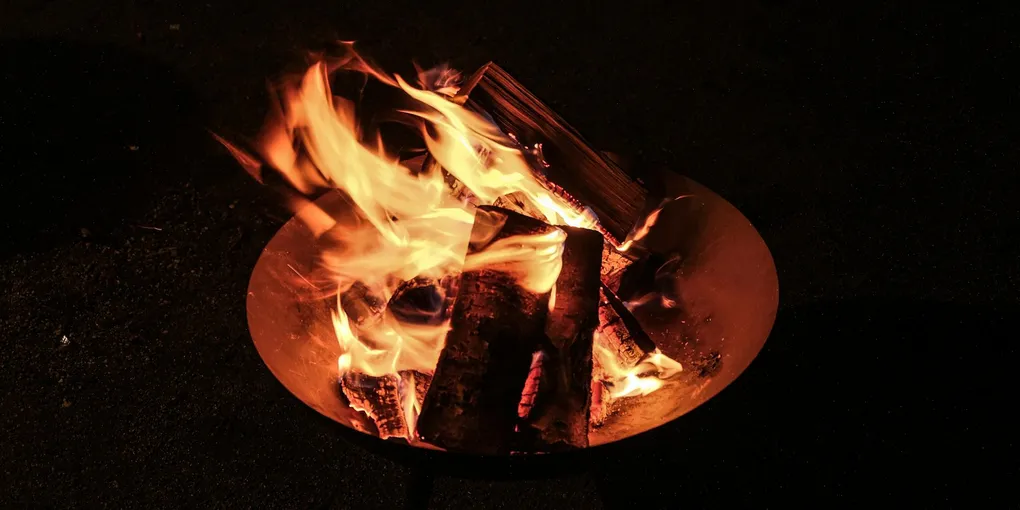
Fire pit installation costs $300–$2,500 for a DIY or prefab wood-burning fire pit. Gas fire pit installation costs $1,500–$6,000+ including gas line run. Propane fire pit (no gas line needed) costs $500–$3,500 for the unit. Custom built-in masonry fire pits cost $2,500–$10,000+. Kit fire pits from manufacturers like Solo Stove, Outland, and Breeo range from $100–$600. Gas line installation alone adds $300–$1,500 to any gas fire feature.
Frequently Asked Questions
How much does a fire pit cost?
Fire pit costs by type: prefab steel/cast iron portable $50–$300; DIY block ring (construction blocks, gravel) $50–$150 in materials; kit fire pit (Solo Stove, Breeo, Outland) $100–$600; prefab built-in gas fire pit (propane only, no line needed) $500–$2,000; gas fire pit with gas line run $1,500–$5,000; custom masonry wood-burning fire pit $1,500–$5,000; custom masonry with gas insert $3,000–$10,000+. Costs vary by size, material quality (steel gauge, masonry type), and local gas line labor rates. Most DIY-friendly builds range from $200–$800.
What is the best fire pit for a home backyard?
Best by use case: (1) Budget, easy to move — Solo Stove Bonfire or Breeo X Series ($200–$500, smokeless design, no installation required). (2) Permanent, wood-burning, DIY — DIY block ring with fire-ring insert ($100–$200 in materials) or cast concrete pavers with lava rock bed. (3) Permanent gas, no line needed — propane burner insert in a stone or masonry surround ($800–$2,500). (4) Permanent natural gas — requires gas line run ($300–$1,500 additional) but eliminates propane tank swapping; best for frequent users. (5) Premium entertaining — custom masonry with seating wall, gas insert, and lighting ($5,000–$15,000). Smokeless steel fire pits (Solo Stove, Breeo) are the fastest-growing category due to low maintenance and portability.
Do I need a permit for a backyard fire pit?
Permit requirements vary significantly by jurisdiction. Most municipalities allow small recreational fire pits (under 3 ft diameter, contained embers, minimum distance from structures) without a permit. Built-in masonry fire pits over a certain size or with gas lines typically require permits. Gas line installation to a fire feature always requires a permit and licensed plumber/gas fitter. Check local fire codes for minimum setback from structures (typically 10–25 ft from the house, fence, and tree canopy). Some HOA governing documents prohibit fire pits entirely or restrict fuel type. Check both city code and HOA CC&Rs before building.
What is the difference between a wood-burning and gas fire pit?
Wood-burning: authentic fire experience, crackling sound, natural smoke smell; requires wood storage and cleanup; smoke can be a nuisance in still air (though smokeless designs reduce this significantly); banned during fire hazard days in many western states. Gas (natural gas or propane): instant on/off, adjustable flame, no ash cleanup; natural gas requires gas line installation but is convenient for frequent use; propane requires tank management; both cost more upfront but less in ongoing fuel if you factor in wood purchase. For ambiance: wood wins. For convenience: gas wins. Most frequent entertainers using the fire pit 20+ times per year find gas converts them quickly after the first winter of wood hauling.
How far does a fire pit need to be from the house?
Minimum setback from structures: most local fire codes require 10–25 feet from the house, garage, fence, shed, and overhanging trees. The International Fire Code recommends 25 feet from any combustible material. For a deck-mounted fire pit: many jurisdictions prohibit wood-burning fire pits on wood decks entirely — gas fire tables with CSA/UL certification for deck use are the only code-compliant option on most wood decks. Always check local requirements before installing. Common setback from property line: 5–10 feet. Underground utilities: call 811 before any excavation for a built-in fire feature.
What is a smokeless fire pit and is it worth it?
Smokeless fire pits use a double-wall airflow design — air enters vents at the bottom, heats between the walls, and exits as secondary combustion airflow at the top of the fire chamber. This forces complete combustion, dramatically reducing smoke. Leading brands: Solo Stove (Ranger, Bonfire, Yukon — $100–$500), Breeo (X Series and Y Series — $200–$900), Tiki Brand fire pit ($200–$400). Are they truly smokeless? Near-smokeless in steady wind and with dry hardwood; still produce some smoke in dead-calm air or with wet wood. They deliver noticeably less smoke than traditional fire rings. Downsides: top-loaded only (no easy fire poking from the side), not cheap for what they are structurally, and cooking over them is awkward without accessories.
Fire pit installation costs $300–$2,500 for a DIY or prefab wood-burning fire pit. Gas fire pit installation costs $1,500–$6,000+ including gas line run.
Fire pits extend outdoor living season and anchor backyard entertaining space. The cost range spans from $50 (basic steel ring at a hardware store) to $15,000+ (custom masonry with seating walls and gas insert), making fire pits one of the most budget-flexible outdoor improvements.
Fire Pit Cost by Type
| Type | Cost Range | Notes |
|---|---|---|
| Portable steel fire ring | $50–$200 | No installation, moves with you |
| Smokeless fire pit (Solo Stove, Breeo) | $100–$600 | Best smoke control, portable |
| DIY block ring (materials only) | $100–$300 | Weekend project |
| Prefab gas fire table (propane) | $300–$1,200 | No gas line, outdoor table use |
| Built-in masonry, wood-burning | $1,500–$5,000 | Custom, permanent |
| Built-in gas fire pit, contractor | $2,000–$6,000 | Includes gas line run |
| Custom masonry + seating wall | $5,000–$15,000 | Full outdoor living feature |
Wood vs. Gas Fire Pit Comparison
| Factor | Wood | Gas (Natural) | Gas (Propane) |
|---|---|---|---|
| Upfront cost | Lower | Higher (gas line) | Medium |
| Fuel cost | $75–$200/cord | ~$0.10–$0.25/hr | ~$1–$2/hr |
| Convenience | Load, start, tend | Instant on/off | Instant on/off |
| Atmosphere | Best (crackling, smell) | Good | Good |
| Maintenance | Ash cleanup | Minimal | Minimal |
The fuel cost advantage of natural gas is significant for frequent users. Natural gas fire pit at 50,000 BTU runs approximately 2–3 hours per $1 of gas at average US rates. Propane at the same output runs $2–$4 per hour from a 20 lb tank.
Gas Line Installation Cost for Fire Pits
Adding a natural gas line to feed an outdoor fire feature is a common add-on cost many buyers underestimate:
| Gas Line Run | Typical Cost |
|---|---|
| Under 25 ft from existing gas line | $300–$600 |
| 25–50 ft run | $500–$1,000 |
| Over 50 ft run | $800–$1,500 |
| Buried CSST line (flexible tubing) | $15–$25/linear ft + fittings |
| Gas shutoff valve and connection | $75–$150 |
| Permit (almost always required) | $75–$200 |
Always required: a licensed plumber or gas fitter to run gas lines and make all connections. DIY gas line work is illegal in virtually all jurisdictions. The connection from the gas supply to the fire pit burner must be made by a licensed technician.
CSST vs. black iron: Flexible CSST (corrugated stainless steel tubing) is standard for buried outdoor runs — easier to route around obstacles. Black iron pipe is used for the exposed section inside the fire pit surround.
DIY vs. Professional Fire Pit Installation
| Approach | Cost Range | Best For |
|---|---|---|
| Portable steel fire pit (DIY) | $50–$600 | Rental properties, flexibility, low commitment |
| DIY block ring (materials + weekend) | $100–$400 | Permanent, budget, personal project |
| Prefab kit installation (DIY) | $300–$1,200 | Mid-range permanent, moderate skills |
| Professional masonry | $1,500–$5,000 | High quality, complex designs |
| Professional masonry + gas + seating | $5,000–$15,000 | Full outdoor living feature |
DIY block ring is the most common budget permanent fire pit. Typical materials: 48 retaining wall cap blocks ($3–$6 each = $150–$300) + a steel fire ring insert ($50–$100) + gravel base ($30–$50). Total: $230–$450, typically built in a weekend without professional help.
Caution: do not use standard concrete pavers or retaining wall blocks as the inner ring — heat cycling causes them to spall and crack. Use a steel fire ring insert or actual fire brick for any surfaces in direct contact with flames.
Smokeless Fire Pit Brands and Costs
Smokeless fire pits have grown from a niche category to the mainstream in the last 3–4 years.
| Brand | Model | Price | Best For |
|---|---|---|---|
| Solo Stove | Bonfire 2.0 | $200–$300 | Popular standard size, 2 ft diameter |
| Solo Stove | Yukon 2.0 | $350–$500 | Larger, 27-inch diameter, more wood |
| Breeo | X Series 24 | $350–$500 | Cooking grate included, more durable |
| Breeo | Y Series | $500–$900 | Premium finish, outpost ring for cooking |
| Tiki Brand | 25” Fire Pit | $150–$250 | Budget smokeless option |
| Tiki Brand | 30” Patio Fire Pit | $200–$350 | Mid-size, good value |
Solo Stove vs. Breeo: both are excellent smokeless designs. Breeo is made in the US and uses thicker steel — it costs more but is more durable and more versatile for cooking. Solo Stove is the broader name brand and often has better sales and accessory availability.
Important: smokeless fire pits are still combustion devices. They produce less smoke than traditional fire rings but are not truly smoke-free in calm wind conditions or with wet wood. They perform best with dry, seasoned hardwood in a light breeze.
Fire Pit Placement and Setbacks
Most local fire codes require minimum setback distances:
| Surface / Structure | Minimum Setback |
|---|---|
| House, garage, fence | 10–25 ft (check local code) |
| Overhead tree canopy | 10 ft above flame height |
| Property line | 5–10 ft |
| Wood deck | 10+ ft for wood-burning; gas fire tables with deck-rated CSA cert for deck use |
Many municipalities also restrict wood-burning fire pits on days designated as “spare the air” or high fire danger days. Check local ordinances — violations can result in fines and mandatory extinguishment.
Call 811 before any excavation for a permanent fire pit installation — underground gas, electric, and water lines can be anywhere.
ROI and Home Value
Fire pits have a relatively high ROI for outdoor entertainment features. A well-built masonry fire pit with gas adds $3,000–$8,000 in perceived value for a $3,000–$5,000 cost in most markets — an 80–100%+ return. More importantly, it transforms the usability of outdoor space and consistently ranks as one of the highest-rated outdoor features by potential home buyers.
Budget portable and DIY fire pits ($100–$500) don’t add tangible home value but deliver high enjoyment-to-cost ratio and no installation risk.
Regional Fire Pit Installation Cost Variations
Fire pit and outdoor living installation labor tracks local contractor rates. Gas line installation labor is the most regionally variable component:
| Region | DIY Block Ring (materials) | Masonry Built-In (contractor) | Gas Line Run (under 50 ft) |
|---|---|---|---|
| Northeast (NY, MA, NJ) | $200–$450 | $2,500–$7,000 | $700–$1,600 |
| Mid-Atlantic (DC, MD, VA) | $180–$400 | $2,200–$6,500 | $600–$1,400 |
| Southeast (FL, GA, TX) | $150–$350 | $1,800–$5,500 | $400–$1,100 |
| Midwest | $160–$380 | $1,900–$5,800 | $450–$1,200 |
| Pacific (CA, WA, OR) | $190–$420 | $2,400–$7,000 | $650–$1,500 |
Southern markets (TX, FL) have the most developed outdoor living contractor market and often lower pricing. Pacific markets carry premium labor rates but also have the most experienced outdoor living contractors for complex masonry and gas work.
Questions to Ask Your Fire Pit Contractor
- For gas fire pits: will you pull the gas line permit, and who makes the final gas connection? — gas line work requires a permit in virtually all jurisdictions and must be connected by a licensed plumber or gas fitter; any contractor who offers to skip the permit on gas work is creating a liability for you
- What materials will you use for the inner fire ring or firebox? — standard retaining wall blocks and concrete pavers crack under direct fire heat; the contractor should specify fire brick, refractory concrete, or a steel fire ring insert for surfaces in direct contact with flames
- What are the local setback requirements, and will you verify compliance before building? — most municipalities require 10–25 feet from structures; an outdoor living contractor should know local codes and should confirm compliance before breaking ground
- Does the quote include drainage for the fire pit base? — a fire pit that holds standing water takes hours to dry, accelerates steel rust, and makes lighting consistently difficult; proper drainage (gravel base with drain holes) should be in any masonry installation quote
- Is cleanup and debris removal included? — masonry work generates significant waste; confirm that debris hauling and site cleanup are included in the contract price
DIY supplies (if you tackle it yourself)
- Fire pit ring insert
- Heat-resistant fire pit paint
- Firepit grate/cooking grate
- Polymeric sand (patio/base)
Related Reading
-
Hot Tub Installation Cost — budget for a spa as part of outdoor living projects
- Decide on fuel type and permanence before buying anything
The two biggest decisions drive all others: (1) Wood vs. gas — wood is more atmospheric, gas is more convenient. If you'll use the fire pit 15+ times per year, seriously consider gas. (2) Portable vs. built-in — portable fire pits move if you move (important for renters), need no excavation, and are lower cost. Built-in fire features increase home value and work as outdoor living design anchors. Don't build a permanent masonry structure for a fire pit you'll use 3 times; don't buy a portable steel pit if you plan to entertain around it every week — it will look inadequate.
- Prepare the base — drainage and non-combustible surface
Fire pits should sit on a non-combustible base: concrete patio, pavers, crushed stone, or compacted gravel. A gravel base (4–6 inches of 3/4-inch washed gravel) is the easiest and cheapest drainage-friendly base — it doesn't crack, drains freely, and can be edged with landscape timbers or steel edging. Avoid setting a fire pit directly on grass (fire and heat damage), wood decks (fire hazard unless using a gas model designed for deck use), or asphalt (softens with heat). Minimum base width: 3 feet beyond the fire pit perimeter on all sides. For a DIY block ring, excavate 6 inches, add gravel, tamp, and set the first course of blocks on level compacted stone.
- For gas fire pits: run the line before building the surround
Gas line installation is the most common sequence mistake in fire pit projects — homeowners build the masonry surround first, then realize gas line access is difficult. Work sequence: (1) Decide exact fire pit location; (2) have plumber or gas fitter run the gas stub-out and shutoff valve to the location (permit required); (3) build the masonry surround; (4) install the burner and connect to the gas supply. Gas line materials: copper or CSST (flexible corrugated stainless steel tubing) for underground runs; black iron pipe for exposed connections in the fire feature. Typical gas line run cost: $300–$700 for up to 50 ft of underground run, $700–$1,500 for longer runs with multiple fittings.
- Use fire-rated materials in masonry construction
A common DIY fire pit mistake: using standard concrete blocks, retaining wall blocks, or natural stone not rated for fire heat. Standard patio pavers and retaining wall blocks crack and spall under direct fire heat — the heat differentials cause internal pressure failures. Use: fire brick (kiln-fired refractory brick rated for sustained heat), fire ring insert (pre-formed steel or refractory concrete ring that takes the direct heat while decorative stone or brick is protected outside it), or prefab fire pit kit materials. The fire ring insert ($50–$150 for a 24–36 inch diameter steel ring) is the most practical solution — build decorative stonework outside the ring, which takes all the heat.
- Install proper drainage so the fire pit doesn't hold standing water
Standing water in a fire pit is a persistent nuisance (takes hours to dry, accelerates steel rust, makes lighting difficult). Solutions: (1) Gravel base below the pit floor with a 3-inch drain hole through the bottom course — gravity drains water after rain. (2) For solid-bottom pits: drill 3–5 one-inch holes through the bottom or slope the floor slightly to one drainage corner. (3) For steel portable pits: store under a weatherproof cover or invest in a fire pit cover ($20–$60) that keeps rain out. Steel fire pits last significantly longer with consistent covering — exposed steel fire pits in humid climates can rust through in 5–7 years; covered pits last 10–15+ years.
Free: 10-Point Home Maintenance Checklist
Prevent costly repairs with this seasonal checklist. Save hundreds every year by catching problems early.
Your checklist is ready!
Open Checklist →Something went wrong. View the checklist here.