Hot Tub Renovation & Installation Cost 2026: $300–$44,000 by Brand
Hot tub renovation costs $500–$8,000: shell $500–$1,500, pump $300–$800, heater $400–$1,200, control board $300–$1,500, full rebuild $3K–$8K. 50% rule helps you decide renovate vs. replace. New tub? Jacuzzi $7K–$20K, Hot Spring $8K–$22K, inflatable $300–$1,500.
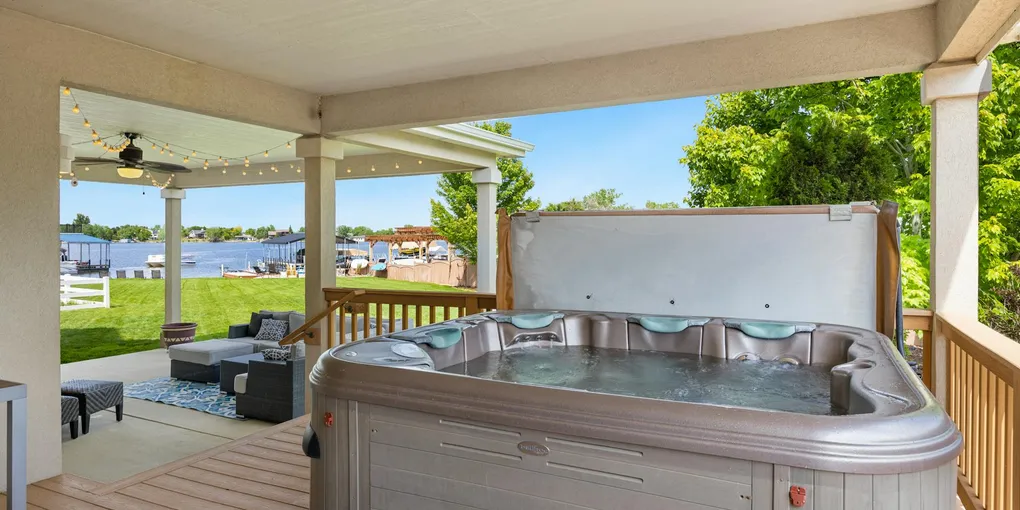
Hot tubs cost $3,000-$25,000 for the tub itself, plus $500-$5,000 for installation (electrical, site prep, delivery). Most homeowners spend $7,500-$12,000 total for a quality 4-6 person spa with a concrete pad, 240V electrical hookup, and professional delivery. Operating costs run $30-$100/month in electricity and chemicals.
Frequently Asked Questions
How much does it cost to install a hot tub?
Installation specifically (beyond the tub purchase) costs $500-$5,000. This covers: 240V electrical hookup ($800-$2,500), concrete pad or deck prep ($300-$2,000), delivery fee ($200-$800), and permits ($100-$400). Above-ground inflatable tubs need only standard outlets—minimal install cost.
Do hot tubs add value to your home?
Permanent hot tubs add modest value in most markets (2-5% of home value). Portable/plug-in tubs don't qualify as permanent improvements but can be included in sale negotiations. Quality permanent installations with custom decking add more value than stand-alone units.
What's the difference between a hot tub and a spa?
Terms are used interchangeably. 'Spa' typically describes built-in inground units with custom tile/plaster finish (like a small pool), while 'hot tub' usually refers to self-contained portable units with pre-molded acrylic shells. Inground spas cost 2-3x more than comparable hot tubs.
Are hot tubs expensive to run?
Operating costs run $30-$100/month including electricity ($20-$70), chemicals ($10-$25), and water refills. Key factors: climate (cold = more heating), cover quality (bad cover = 2-3x higher cost), usage frequency. Modern tubs with energy-efficient pumps and insulation run cheaper than 1990s-era models.
Can I put a hot tub on my deck?
Yes, but only if the deck supports 100+ lb/sq ft (hot tub weight + water + users = 4,000-8,000 lbs). Most residential decks support 40-50 lb/sq ft. Have a structural engineer evaluate ($200-$500) or install additional posts/beams. Ground-level concrete pad is often cheaper and safer.
Do you need a permit for a hot tub?
Usually yes. Most municipalities require permits for: 240V electrical installation (required by NEC), permanent concrete foundation, and inground spas (pool/spa permit). Plug-and-play 110V tubs on existing surfaces often don't require permits. Skipping permits risks failed inspection when you sell, insurance denial if there's an accident, and uninspected electrical work. Permit cost: $100-$400.
How long does hot tub installation take?
Portable hot tub installation takes 1 day once you have the pad: 2-4 hours for delivery and placement, 2-4 hours for electrical hookup. Plan 1-2 weeks from purchase to first use (concrete cure time if poured fresh + permit approval). Inground spa installation takes 4-8 weeks: excavation, plumbing rough-in, electrical, plastering, and final inspection.
How much does hot tub renovation cost?
Hot tub renovation typically costs $500–$3,500 depending on what needs replacing. Common costs: shell resurfacing $500–$1,500, new cover + cover lifter $500–$1,200, pump replacement $300–$800, heater replacement $400–$1,200, control board $300–$1,500, full renovation (all major components) $3,000–$8,000. Use the 50% rule: if renovation exceeds 50% of a comparable new tub's price, replacement is usually the better investment. Renovating makes sense when the acrylic shell is structurally sound and the tub is under 12 years old.
How much does it cost to install a hot tub in Minnesota?
Hot tub installation in Minnesota costs $8,000–$12,000 for a mid-range 240V portable tub in 2026, slightly above the national average due to cold-climate requirements. Minnesota installations require a high-quality insulated cover ($600–$900) and a freeze-rated shell. Operating costs run $50–$100/month in winter months vs. $25–$50 in warmer states. The 240V electrical hookup ($800–$2,500), concrete pad ($400–$1,200), and permits ($100–$300) are similar to national costs; the premium is in cold-weather accessories.
What is the best time of year to buy a hot tub?
The best deals on hot tubs come in September-October (end of swimming season — dealers clear floor models) and January-February (post-holiday slow period). Floor model and prior-year closeouts sell for 15-25% below MSRP and are often fully assembled for immediate delivery. Avoid buying in May-June when demand peaks and dealers have little incentive to negotiate. If buying a floor model, inspect the shell and jets carefully and ask for any warranty transfer documentation from the manufacturer.
How often should you drain and refill a hot tub?
Drain and refill every 3-4 months for a standard 400-600 gallon hot tub with 2-4 regular users. The key indicator is total dissolved solids (TDS) — when TDS exceeds 1,500 ppm above your fill water, chemical balance becomes nearly impossible to maintain. A TDS meter costs $15-20. The drain process: (1) Add a line flush product 24 hours before draining ($10-15). (2) Use a submersible pump ($25-50) to drain in 15-20 minutes versus 2-3 hours via the gravity drain. (3) Scrub the shell with a non-abrasive spa cleaner, rinse, then refill. The full process takes about 2 hours.
How much does a Master Spa hot tub cost?
Master Spa hot tubs range from $5,000–$18,000 depending on model and size. Their Highland Series starts around $5,000–$8,000, the Twilight Series runs $8,000–$14,000, and the Legend Series tops out at $14,000–$18,000. Master Spa uses a large direct-to-consumer retail model that often undercuts Jacuzzi and Hot Spring at comparable feature levels. Total installed cost (tub + electrical + concrete pad) typically runs $8,000–$22,000 fully commissioned.
What HOA rules apply to hot tub installation?
Most HOAs require Architectural Review Committee (ARC) approval before installation. Common requirements include setback minimums from property lines (typically 5–10 feet), privacy screening or fencing, cover requirements when not in use, and licensed contractor proof for electrical work. Review the CC&Rs directly — some deed restrictions prohibit permanent structures requiring building permits, which applies to 240V hot tubs on concrete pads. Violations risk fines of $100–$500+ and complications at resale. Always get written approval before purchasing.
Hot tub vs. swim spa — which costs more to operate?
Swim spas cost roughly 2–3x more to operate than comparable hot tubs. A standard 240V hot tub costs $25–$75/month in electricity; a swim spa costs $75–$150/month. Chemical costs also run higher: $40–$80/month for a swim spa vs. $20–$40/month for a hot tub. The swim spa premium comes from larger water volume (1,200–2,000 gallons vs. 400–600 gallons) and a second pump for the swim current. Over 10 years, the operating cost difference can reach $10,000–$15,000 — factor this into the $15,000–$25,000 price premium over a comparable hot tub.
How much does it cost to run a hot tub per month?
Most homeowners spend $50–$150/month to operate a hot tub when combining electricity ($30–$100/month) and chemicals ($15–$50/month). Cold-climate users running older or less-efficient tubs pay the most — up to $150/month in electricity alone in Minnesota or Montana during winter. A well-insulated modern spa in a mild climate costs as little as $30–$50/month total. Annual maintenance (filter replacement, professional service) adds another $400–$600/year. Total annual operating cost: $1,000–$2,400 depending on climate, efficiency, and usage.
What electrical code requirements apply to hot tub installation?
NEC Article 680 (Part IV for permanently installed spas, Part V for storable spas) governs hot tub electrical. Key requirements: a dedicated 50-amp GFCI-protected circuit with 4-wire configuration (two hots, neutral, ground); a disconnect that is within sight of the tub and between 5–50 feet from it; 6 AWG copper minimum wire gauge for 50-amp circuits; and equipotential bonding of all metal within 5 feet of the water (pump motors, light niches, rails, drain fittings). The most common inspection failures are improper bonding, missing disconnect, and using 3-wire instead of 4-wire cable.
Hot tub installation costs $7,500–$12,000 total in 2026 for a mid-range portable spa (tub + 240V electrical + concrete pad + delivery). Inflatable hot tubs start at $300–$1,700 with no installation required. A standard 4–6 person 240V portable spa costs $5,000–$15,000 for the tub, plus $500–$2,000 for electrical, $400–$1,500 for a concrete pad, and $200–$600 for delivery. Monthly operating costs run $30–$100 (electricity + chemicals + filter replacement).
Hot tubs have evolved dramatically—from the redwood tubs of the 1970s to today’s sleek, energy-efficient acrylic spas with 50+ jets, smartphone control, and LED lighting. Pricing has evolved too, with quality entry-level portable tubs available for $3,000-$5,000 and premium swim spas reaching $35,000+.
This guide breaks down 2026 hot tub costs by type, features, and installation complexity. You’ll understand the true total cost of ownership, when to DIY installation versus hiring professionals, and how to avoid the common mistakes that turn relaxation purchases into expensive regret.
Top picks for hot tub owners:
- Hot Tub Chemical Starter Kit — View on Amazon
- TDS Meter for Water Testing — View on Amazon (tells you exactly when to drain and refill)
- Submersible Drain Pump — View on Amazon (drains a 400-gal tub in 15 min vs 2+ hours by gravity)
Quick Cost Overview by Hot Tub Type
| Type | Hot Tub Cost | Installation | Total |
|---|---|---|---|
| Inflatable | $300–$1,500 | $0–$200 | $300–$1,700 |
| Plug-and-Play 110V | $3,000–$6,000 | $500–$1,500 | $3,500–$7,500 |
| Standard Portable 240V | $5,000–$15,000 | $1,500–$4,500 | $6,500–$19,500 |
| Premium Portable | $15,000–$25,000 | $2,000–$5,000 | $17,000–$30,000 |
| Swim Spa (dual-zone) | $12,000–$35,000 | $3,000–$7,000 | $15,000–$42,000 |
| Inground Spa (custom) | $8,000–$35,000+ | $5,000–$25,000 | $13,000–$60,000 |
Average homeowner spend: $7,500-$12,000 total for a quality 4-6 person setup
Cost Breakdown: What You’re Paying For
A typical $10,000 quality portable hot tub installation breaks down:
- Hot tub (6-person, mid-range): $6,500–$9,500
- Delivery and placement: $200–$600
- Concrete pad (6’×8’): $400–$800
- 240V electrical (50-amp GFCI circuit): $1,200–$2,500
- Permits: $100–$300
- Cover lift/steps: $300–$600
- Initial chemicals and filters: $100–$250
Actual total: $8,800-$14,550 depending on complexity.
Jacuzzi Installation Cost
“Jacuzzi” is a brand name that Americans use interchangeably with “hot tub” — like Kleenex for tissues. Here’s what to expect for Jacuzzi-branded products specifically:
| Jacuzzi Model | Price Range | Best For |
|---|---|---|
| J-200 Series (entry) | $5,000–$8,000 | Small spaces, first-time buyers |
| J-300 Series (mid) | $8,000–$12,000 | Family use, good jet coverage |
| J-400 Series (premium) | $10,000–$18,000 | Hydrotherapy, full-feature |
| J-500 Series (luxury) | $15,000–$22,000 | Max jets, advanced controls |
| J-LX/LXL (signature) | $18,000–$28,000 | Top-of-line, longest warranty |
Installation cost on top of Jacuzzi purchase: $1,500–$4,500 (concrete pad + 240V electrical + delivery).
Total installed Jacuzzi cost: Most buyers pay $10,000–$20,000 for a Jacuzzi hot tub fully installed. The brand commands a 10–25% premium over comparable non-branded portables, offset by a stronger warranty (10-year shell, 5-year components) and better dealer network for service.
Jacuzzi vs generic 240V portable hot tub: The quality difference is real at the mid-range — Jacuzzi’s jet design and filtration outperform budget brands. At the premium end ($15,000+), comparable alternatives from Sundance Spas or Caldera offer similar quality at similar prices.
Hot Tub Types Explained
Inflatable Hot Tubs ($300-$1,500)
Entry-level option. Portable, temporary, and easy to set up.
Popular models:
- Coleman SaluSpa AirJet 4-Person: Most popular budget option
- Intex PureSpa Plus: Good features for price
- Bestway SaluSpa Miami: 4-person option
Pros:
- Cheapest entry
- Easy to deflate/move
- No permanent installation
- Standard 110V outlet
- Great for testing hot tub lifestyle
Cons:
- 2-4 year lifespan
- Slow heating (4-8 hours from cold)
- High operating costs (poor insulation)
- Limited jets and massage features
- Vulnerable to punctures
Plug-and-Play 110V Hot Tubs ($3,000-$6,000)
Rigid tubs that use standard outlets. Bridges inflatable and premium portable.
Pros:
- No electrician required
- 4-6 person capacity
- Quality acrylic shell
- 5-10 year lifespan
- Portable enough to relocate
Cons:
- Cannot heat AND jet simultaneously
- Lower maximum jet count
- Weaker pumps
- Still expensive operating costs
Best for: Renters, temporary installations, smaller budgets
Standard 240V Portable Hot Tubs ($5,000-$15,000)
The sweet spot for most homeowners. Self-contained with quality components.
Pros:
- Full jet operation while heating
- 25-70 jets typical
- 4-8 person capacity
- Strong pumps (3-5 HP)
- Quality insulation and covers
- 10-20 year lifespan
Cons:
- Requires 240V hookup
- Heavier (1,000+ lbs dry)
- Permanent installation typical
- Not easily relocated
Popular brands:
- Hot Springs: Premium, top warranty
- Jacuzzi: Recognizable brand, wide range
- Sundance Spas: Mid-range to premium
- Bullfrog Spas: Customizable JetPak system
- Caldera Spas: Energy-efficient focus
Premium Portable Hot Tubs ($15,000-$25,000)
Top-tier portable tubs with luxury features.
Pros:
- 40-70 premium jets
- Multiple pumps
- Audio systems built-in
- LED lighting throughout
- Bluetooth/smartphone control
- Best insulation ratings
- 15-25 year lifespan
Cons:
- Premium pricing
- Complex systems need expert service
- Overkill for some families
Swim Spas ($12,000-$35,000)
Elongated tubs with swim currents—combines pool and hot tub functions.
Pros:
- 12-20’ long, exercise + relaxation
- Year-round use
- Fits smaller yards than pool
- Lower maintenance than pool
- Swimmer + spa zone possible
Cons:
- Largest footprint
- Higher operating costs
- More complex delivery
- Still smaller than pool
Inground Spas ($8,000-$35,000+)
Built-in spas finished like pools, often adjacent to or integrated with pools.
Pros:
- Custom shape, size, features
- Most aesthetic integration
- Highest home value add
- Waterfall/spillover options
Cons:
- Permanent (can’t remove)
- Most expensive
- 4-8 week installation
- Higher maintenance
- Chemical balance critical
Hot Tub vs. Swim Spa Cost
One of the most searched comparisons: should you buy a hot tub or a swim spa? Here’s the complete cost breakdown:
| Factor | Standard Hot Tub (240V) | Swim Spa (Dual Zone) |
|---|---|---|
| Purchase price | $5,000–$15,000 | $12,000–$35,000 |
| Installation (electrical + pad) | $1,500–$4,500 | $3,000–$7,000 |
| Total installed | $6,500–$19,500 | $15,000–$42,000 |
| Footprint | 7’×7’ to 9’×9’ | 14’×8’ to 22’×8’ |
| Water volume | 400–600 gallons | 1,200–2,000 gallons |
| Electricity/month | $25–$75 | $75–$150 |
| Chemicals/month | $20–$40 | $40–$80 |
| Installation time | 1–2 days | 2–5 days |
| Best for | Relaxation, hydrotherapy | Exercise + relaxation combined |
When a hot tub wins: Budget under $20,000 total, smaller backyard, primary goal is soaking and relaxation, or you want lower monthly operating costs.
When a swim spa wins: You want to replace gym lap swimming, you have outdoor space for a 14–22 foot unit, and you’ll genuinely use the swim function regularly. Dual-zone swim spas (separate heated swimming channel + hot tub soaking zone) at $25,000–$45,000 installed are the clearest case — you get both experiences.
The 10-year cost comparison: A mid-range swim spa ($28,000 installed) vs. hot tub ($13,000 installed) has a $15,000 purchase gap plus ~$1,500/year in higher operating costs. Over 10 years that’s a $30,000 total difference. The swim spa justifies this only if you swim regularly — occasional users consistently regret the premium.
Electrical Installation
Proper electrical is critical for hot tub safety.
Plug-and-Play 110V Requirements
- Standard 15-20 amp GFCI outlet
- Dedicated circuit preferred (not sharing)
- Must be within 6 feet of tub
- Cost: $0-$500 (outlet upgrade to GFCI if needed)
Standard 240V Requirements
- 50-amp GFCI-protected circuit — NEC Article 680 requires GFCI protection for all 240V spa circuits
- 4-wire configuration: 2 hots + neutral + ground (not the older 3-wire setup)
- 6 AWG copper minimum for 50-amp circuits; larger for longer runs
- Dedicated disconnect within sight of the tub, positioned 5–50 feet away (NEC 680.42)
- Equipotential bonding: All metal within 5 feet of the water (pump motor, drain fittings, rails, light niches) must be bonded with 8 AWG solid copper wire
- Cost: $800-$2,500 installed
Most common inspection failures: improper or missing bonding, disconnect outside the 5–50 ft window, 3-wire cable instead of 4-wire, and GFCI breaker not properly rated for the circuit.
Premium/Swim Spa Requirements
- 50-60 amp circuit (check manufacturer specs)
- May need 100-amp subpanel if existing panel is at capacity
- Hot tub wiring cost: $1,200-$3,500
- Panel upgrade if needed: $1,500-$4,000
DIY Electrical Warning
Don’t DIY hot tub electrical. NEC Article 680 requires licensed electrician work in most jurisdictions. Code violations void warranties, fail home inspection, create shock hazards near water, and may void homeowners insurance. The bonding requirement alone requires specialized knowledge of what must be bonded and how — it is consistently the most-failed item at final inspection.
Site Preparation Options
Concrete Pad ($400-$1,500)
Most common and reliable option.
- 4-inch thick minimum (6” for premium tubs)
- 6’×8’ footprint standard (scale up for larger tubs)
- Rebar or wire mesh reinforcement
- Slight slope for drainage
- Cure 7-14 days before tub placement
Reinforced Deck ($500-$2,500 if upgrading)
Existing decks often need reinforcement.
- Minimum 100 lbs/sq ft capacity
- Additional posts or beams typically required
- Consult structural engineer ($200-$500)
- Best for 2-4 person tubs on sound deck
Paver or Stone Patio ($400-$1,200)
Middle-ground option.
- 12” deep compacted gravel base
- Pavers or flagstone over leveling sand
- Better aesthetics than concrete
- Some risk of settling over time
Prefab Hot Tub Pad ($400-$800)
Lightweight polymer or composite pad.
- Spa-Pad or Cush-n-Air style
- Quick installation (no concrete cure)
- Can be moved if tub relocates
- Good for grass/uneven terrain
Gravel Base ($200-$500)
Budget option for temporary placement.
- 6” compacted gravel
- Adequate drainage
- Not recommended for long-term portable tubs
- Can shift over time
Delivery and Access
Getting a 1,000+ lb hot tub into your yard is surprisingly complex:
Standard Delivery ($200-$600)
- 2-4 delivery personnel
- Hand truck/dolly for flat terrain
- Requires 7+ foot wide clear path
- Level terrain
Fence/Gate Removal ($100-$500 additional)
- Temporary removal of obstacles
- Reinstallation included
- Can save hundreds vs crane
Crane Delivery ($800-$2,500)
- For rooftop decks, fenced yards, restricted access
- 1-2 hour operation
- Special insurance considerations
- Property protection required
Forklift Delivery ($400-$1,000)
- Uneven terrain
- Hills or slopes
- Alternative to crane
Measure all access points before ordering. Hot tubs typically 70-90 inches wide—doorways, gates, and paths must accommodate.
Cost by Feature Level
Basic Features ($3,000-$6,000)
- 10-25 jets
- Standard 1 pump
- Basic LED lighting
- 3-year tub warranty
- 1-year equipment warranty
Mid-Range Features ($6,000-$12,000)
- 30-45 jets
- 2 pumps (1 main + 1 circulation)
- Multi-color LED lighting
- Waterfall feature
- Bluetooth audio
- 5-year tub warranty
- 3-year equipment warranty
Premium Features ($12,000-$25,000)
- 45-70+ jets
- 3+ pumps
- Customizable jet configurations
- Full LED light show
- Built-in audio system
- Smartphone control
- Waterfall and cascade features
- Heated seat cushions
- 10-year tub warranty
- 5-year equipment warranty
Operating Costs
Budget for ongoing hot tub expenses:
Electricity ($20-$70/month)
Key factors:
- Climate (cold = 2-3x higher heating costs)
- Cover quality (poor cover = 2-3x higher)
- Tub insulation rating
- Usage frequency (set-and-forget vs daily use)
- Tub size and water volume
Average costs by climate:
- Mild (Southeast): $20-$35/month
- Moderate (Mid-Atlantic): $35-$55/month
- Cold (Northeast, Midwest): $45-$75/month
- Extreme cold (Minnesota, Montana): $55-$95/month
Chemicals ($10-$30/month)
Typical chemical budget:
- Chlorine/Bromine sanitizer: $15-$25/month
- Shock treatment: $5-$15/month
- pH/alkalinity adjusters: $3-$8/month
- Filter cleaner: $2-$5/month
- Test strips: $3-$6/month
Essential products:
- Leisure Time Spa Chemical Kit: Complete starter
- Clorox Spa Test Strips: Quick testing
- SpaGuard Spa Sentry: pH stabilizer
Filter Replacement ($25-$150/year)
- Replace every 12-18 months
- Deep clean monthly (spray + soak)
- Most tubs use 50-sq-ft cartridge filters
Water Changes ($5-$30/quarter)
- Drain, clean, refill every 3-4 months
- 400-600 gallon refill
- Adds minimal to water bill
Annual Maintenance ($150-$600)
- Jet inspection and cleaning
- Pump motor check
- Control panel update
- Cover inspection
- Filter replacement ($50–$150/yr)
- Professional service call ($150–$300/visit if needed)
Annual Ownership Cost Summary
Full hot tub ownership costs vary significantly by climate, tub efficiency, and usage:
| Expense | Low (mild climate, efficient tub) | Typical | High (cold climate, heavy use) |
|---|---|---|---|
| Electricity | $20–$35/mo ($240–$420/yr) | $45–$65/mo ($540–$780/yr) | $80–$150/mo ($960–$1,800/yr) |
| Chemicals | $15–$25/mo ($180–$300/yr) | $25–$40/mo ($300–$480/yr) | $40–$55/mo ($480–$660/yr) |
| Water changes | $20–$40/yr | $40–$80/yr | $80–$120/yr |
| Filter replacement | $50–$100/yr | $75–$150/yr | $100–$200/yr |
| Annual maintenance | $150–$250/yr | $250–$400/yr | $400–$600/yr |
| Total annual | ~$640–$1,060/yr | ~$1,200–$1,890/yr | ~$2,020–$3,380/yr |
Cold-climate reality check: In Minnesota or Montana, running a moderately efficient 240V spa 4+ times per week typically costs $100–$150/month in electricity and $40–$55/month in chemicals — over $2,000/year in operating costs alone. A tub with full-foam cabinet insulation vs. partial-foam can save $600–$900/year in electricity, paying back the $1,000–$2,000 insulation premium within 2–3 years.
Hidden Costs to Budget
Cover Replacement ($300-$800 every 5-7 years)
Quality covers crucial for efficiency. Budget for replacement.
Cover Lifter ($200-$500)
Makes cover management one-person job. Essential for solo users.
Steps ($150-$500)
Safety essential. Non-slip, weighted, designed for hot tub height.
Surround/Gazebo ($1,500-$8,000)
- Simple privacy screen: $500-$1,500
- Pergola: $2,000-$5,000
- Gazebo with roof: $3,500-$8,000
- Fully enclosed structure: $5,000-$15,000
Water Care Accessories
- Towel warmer: $100-$400
- Beverage holder: $15-$50
- LED lighting upgrade: $100-$400
- Umbrella: $100-$300
- Water care dispenser: $25-$75
DIY vs Professional Installation
DIY-Appropriate
- Site prep (pad or deck assessment)
- Pre-delivery area clearing
- Cover and accessory purchase
- Chemical setup and routine
Hire Professional
- All electrical work (mandatory)
- Concrete pad pouring (if unfamiliar)
- Delivery and placement (heavy lifting)
- Initial commissioning (warranty requires)
- Structural deck assessment
Sample Project Costs
Scenario 1: Inflatable hot tub, existing deck
- Coleman 4-person inflatable: $650
- Outdoor-rated mat: $50
- Chemicals: $80
- Total: $780
Scenario 2: Plug-and-play on paver patio
- 4-person 110V hot tub: $4,800
- Paver patio prep (6’×8’): $600
- Delivery: $300
- Cover lift: $200
- Chemicals startup: $120
- Total: $6,020
Scenario 3: Mid-range 240V portable, concrete pad
- 6-person 240V hot tub: $9,500
- Concrete pad (6’×8’): $700
- 50-amp electrical installation: $1,800
- Delivery: $350
- Permits: $150
- Cover lift and steps: $400
- Starter chemicals: $150
- Total: $13,050
Scenario 4: Premium with surround
- Premium 7-person hot tub: $19,500
- Reinforced deck (existing): $0
- Electrical work: $2,400
- Premium cover: $800
- Gazebo surround: $5,500
- Audio upgrade: $800
- Premium steps: $400
- Chemicals and testing supplies: $250
- Total: $29,650
Scenario 5: Swim spa with enclosure
- Swim spa (14 foot): $24,000
- Concrete pad (extended): $2,200
- 240V electrical (60-amp): $2,800
- Crane delivery: $1,200
- Insulated enclosure: $12,000
- Cover: $1,200
- Chemicals startup: $250
- Permits: $350
- Total: $44,000
Hot Tub Buying Mistakes to Avoid
- Buying biggest tub available: 6-person rarely used as 6—mostly couples’ usage
- Skipping in-store wet test: Try before you buy (most dealers offer)
- Accepting cheap delivery: Scratch-and-dent tubs often from rough delivery
- Ignoring insulation rating: Saves $100s/year long term
- Cheapest cover option: Drives up energy costs 2-3x
- Undersized electrical: Won’t run full features, may overheat
- Not measuring access path: Expensive crane delivery surprise
- Deck over concrete pad: Structural issues decades later
- Skipping permits: Insurance issues if fire/accident
- No surround planning: Privacy/wind protection essential
Hot Tub Placement Best Practices
Privacy
- 8+ feet from property lines
- Fenced or gated location
- Landscaped screening
- Neighbor sightlines considered
Convenience
- Within 20 feet of home entry
- Close to electrical panel
- Near water hose
- Storage nearby for supplies
Safety
- Level, stable ground
- Good drainage (pad slopes away)
- Away from low-hanging branches
- Overhead clearance from power lines
- Non-slip surface nearby
Aesthetics
- Views from tub
- Lighting plan
- Integration with existing landscape
- Indoor viewing considerations
Energy-Saving Tips
Reduce operating costs 30-50%:
- Upgrade cover: Quality 4-inch insulated cover essential
- Floating blanket: Adds 15-20% efficiency
- Thermal blanket under cover: Reduces heat loss 10-15%
- Lower temperature when not in use: Drop from 104° to 98° reduces energy 30%
- Use timer: Heat to temperature 1-2 hours before use, lower when unused
- Install windbreak: Wind causes 10-20% more heat loss
- Service pumps annually: Efficient pumps use less power
- Economy mode: Modern tubs have eco settings
Health and Safety Considerations
Temperature Limits
- Maximum 104°F for healthy adults
- Pregnant women: max 100°F, 10-15 minutes
- Children: max 100°F, short durations
- Not recommended for very young children
Session Duration
- 15-30 minutes maximum healthy adults
- Hydrate before and after
- Dizziness, nausea = get out immediately
- Heart conditions consult doctor first
Chemical Safety
- Don’t mix chemicals directly
- Balance pH before adding sanitizer
- Shock treatment = wait 2+ hours before soaking
- Test before every use
Hot Tub Permit Requirements
Most municipalities require building permits for hot tub installation. Here’s what typically triggers a permit:
| Situation | Permit Required? |
|---|---|
| 240V electrical installation | Yes — NEC requires inspection |
| Permanent concrete pad or foundation | Usually yes |
| Inground spa | Yes — pool/spa permit |
| Plug-and-play 110V on existing patio | Usually no |
| Inflatable on existing deck | Usually no |
Permit cost: $100-$400 for combined electrical and construction permits.
Why it matters: Skipping permits means a failed inspection when you sell, potential insurance denial if there’s an accident, and uninspected electrical — a fire and liability risk. In most jurisdictions, a licensed electrician pulling the permit is required for any 240V hot tub installation regardless of who does the pad work.
Check your municipality’s permit portal or call the building department — most give a same-day answer for standard hot tub questions.
HOA Considerations for Hot Tub Installation
If you live in a neighborhood with a homeowners’ association, check the CC&Rs (Covenants, Conditions & Restrictions) before purchasing. HOA rules often govern hot tub installation more strictly than local building codes.
Common HOA requirements:
- Setback rules: Most HOAs require 5–10 foot setbacks from property lines; some prohibit front-yard installation entirely
- Privacy screening: Many require fencing, lattice, or landscaping to screen any visible outdoor spa from neighboring properties
- ARC approval: Architectural Review Committee sign-off is required before installation in most deed-restricted communities — submit site plans showing tub dimensions, placement, electrical run, and any screening
- Cover requirements: Some HOAs require covers to be on the tub when not in use
- Noise restrictions: Operation may be limited to specific hours (typically 8 AM–10 PM)
- Contractor documentation: Licensed contractor proof for 240V electrical work is common
HOA approval process:
- Request ARC application from your HOA management company
- Submit a site plan showing tub location, dimensions, proposed screening, and electrical route
- Allow the standard 15–30 day review period
- Receive written approval before purchasing or breaking ground
- Keep the approval letter with your closing documents — it matters at resale
Cost of non-compliance: HOA violations typically result in fines of $100–$500+ per occurrence plus a removal order. Forced removal of an installed hot tub costs $400–$900 for the tub itself plus any pad demolition — a preventable loss.
Tip for deed-restricted communities: The HOA management company may not know the specific CC&R language. Read the actual recorded CC&Rs yourself — available from the county recorder or your title company. Some CC&Rs prohibit permanent structures requiring building permits, which affects concrete-pad 240V installations. Others are silent on hot tubs; in that case, written HOA board approval still protects you if a neighbor complains.
Hot Tub Renovation Cost
Renovating an existing hot tub — refreshing or repairing key components rather than buying new — typically costs $500–$3,500 depending on scope. A full rebuild of a structurally sound tub can reach $4,000–$8,000.
| Renovation Type | Cost Range |
|---|---|
| Shell resurfacing / refinishing | $500–$1,500 |
| New cover + cover lifter | $500–$1,200 |
| Pump replacement (single-speed) | $300–$800 |
| Pump replacement (variable-speed) | $600–$1,500 |
| Heater element replacement | $200–$600 |
| Full heater assembly replacement | $400–$1,200 |
| Control panel / circuit board | $300–$1,500 |
| Cabinet refinishing | $500–$1,500 |
| Jet replacement (set of 5–10) | $200–$600 |
| New plumbing / re-plumb | $500–$2,000 |
| Full renovation (all major components) | $3,000–$8,000 |
Renovate vs. Replace: The 50% Rule
Renovate if:
- The acrylic shell has no cracks, delamination, or structural damage
- The tub is 5–12 years old
- Repair cost is under 40–50% of a comparable new tub’s price
- You want to keep the existing location and footprint
Replace if:
- Shell has cracks through the acrylic layer (not just surface scratches)
- Multiple major systems are failing at once (pump + heater + control board)
- The tub is 15+ years old and parts are becoming hard to source
- Monthly electricity costs are $80–$150+ (old pumps with poor efficiency)
The renovation breakeven rule: If renovation costs more than 50% of a comparable new tub, replacement usually wins — new tubs come with warranties (2–5 years on shell, 1–2 years on components) that protect the investment and reset the maintenance clock.
State-by-State Hot Tub Installation Cost Variation
Regional labor and climate factors affect both purchase price and installation cost:
| State / Region | Typical Installed Cost (240V portable, mid-range) |
|---|---|
| California / Pacific Coast | $9,000–$14,000 |
| Northeast (NY, MA, CT) | $8,500–$13,000 |
| Minnesota / Upper Midwest | $8,000–$12,000 |
| Texas / Southwest | $7,500–$11,000 |
| Southeast (FL, GA, NC) | $7,000–$10,500 |
| Mountain West (CO, UT) | $8,000–$12,500 |
| National average | $7,500–$12,000 |
Minnesota note: Cold climate requires a high-quality insulated cover ($600–$900) and may add to operating costs ($50–$100/month vs. $25–$50 in warmer states). Budget accordingly when pricing Minnesota hot tub installation.
Hot Tub Removal Cost
Removing an existing hot tub costs $300-$1,200 for portable units, significantly more for inground spas:
| Type | Removal Cost |
|---|---|
| Inflatable | $0 (deflate and dispose) |
| Small portable (2-4 person) | $300-$500 |
| Standard portable (6-8 person) | $400-$700 |
| Large/premium portable | $500-$900 |
| Swim spa | $800-$1,500 |
| Inground spa | $2,000-$8,000 |
What’s included: Disconnecting electrical, draining the water (400-600 gallons takes 2-3 hours via garden hose), cutting the acrylic shell with a reciprocating saw (most tubs won’t fit through gates intact), and hauling debris to a dump. Inground removal adds concrete cutting and fill-in costs.
DIY removal is feasible for portable tubs: drain completely, cut shell into sections, rent a dumpster ($300-$500). Total DIY cost: $300-$500 vs $400-$700 hiring out.
When replacing: Many dealers credit $200-$500 toward a new purchase for hauling away your old tub during delivery — worth asking before scheduling separate removal.
Final Thoughts
Hot tubs range from $300 inflatable impulse buys to $35,000+ luxury swim spa installations. For most homeowners, the sweet spot is a $6,000-$12,000 quality 240V portable tub that provides 15-20 years of reliable operation with reasonable maintenance costs. The difference between the $5,000 “bargain” and the $8,000 “mid-range” tub is usually worth every penny in durability, jet quality, and energy efficiency.
Don’t skimp on electrical installation or site preparation. These invisible costs prevent 90% of hot tub headaches—everything from warranty voids to water damage to electrical fires. Budget 20-30% above the tub price for proper installation, then enjoy decades of relaxation.
Regional Hot Tub Installation Cost Variations
| Region | Entry 240V Portable (4–5 person) | Mid-Range (6 person) | Premium / Swim Spa |
|---|---|---|---|
| Northeast (NY, MA, NJ) | $5,500–$10,000 | $9,500–$16,000 | $18,000–$40,000 |
| Mid-Atlantic (DC, MD, VA) | $5,000–$9,500 | $9,000–$15,000 | $17,000–$38,000 |
| Southeast (FL, GA, TX) | $4,500–$8,500 | $8,000–$13,500 | $15,000–$35,000 |
| Midwest | $4,700–$9,000 | $8,500–$14,000 | $16,000–$36,000 |
| Pacific (CA, WA, OR) | $5,500–$10,000 | $9,500–$16,000 | $18,000–$40,000 |
Prices include tub, delivery, electrical installation, and basic site prep (concrete pad or existing deck). Natural gas heating, custom surround, or gazebo structures add $2,000–$15,000.
Hot Tub Brand Comparison
| Brand | Price Range | Tier | Best For | Notes |
|---|---|---|---|---|
| Hot Spring (Watkins) | $8,000–$22,000 | Premium | Long-term owners wanting best reliability | FreshWater salt system optional; strong dealer support; 25+ year track record |
| Jacuzzi | $7,000–$20,000 | Premium | Brand recognition; widest model range | Oldest brand; PowerPro and ProAir jet systems; solid dealer network |
| Bullfrog Spas | $7,500–$18,000 | Premium | Customizable jet packs; unique modular system | JetPak system lets you configure jet placement; exclusive dealer model |
| Caldera (Watkins) | $6,500–$15,000 | Mid–Premium | Value in the premium category | Same parent company as Hot Spring; slightly lower price for comparable quality |
| Master Spa | $5,000–$18,000 | Mid–Premium | Value buyers wanting quality without top-brand markup | Large direct-to-consumer retail model; Highland ($5K–$8K), Twilight ($8K–$14K), Legend ($14K–$18K) |
| Coleman/SaluSpa | $400–$1,200 | Inflatable/entry | Temporary use, rental properties | Inflatable — 1–3 year lifespan; no resale value; adequate for occasional seasonal use |
| Bestway / other entry | $2,500–$5,500 | Budget hardshell | Short-term testing without full commitment | Low energy efficiency; limited warranty; acceptable for 3–5 years of light use |
For a permanent installation, Hot Spring and Jacuzzi represent the best long-term value — higher upfront, lower lifetime cost in energy and repairs. Avoid buying a spa from a big-box store or online-only retailer if you need dealer service support.
Questions to Ask Your Hot Tub Dealer/Installer
-
What is the energy cost per month to operate this specific model at my local electricity rate, and what is the insulation R-value of the cabinet and cover? — Hot tub operating costs vary dramatically by model — from $30/month for a well-insulated premium spa to $150+/month for a cheap, poorly insulated unit. Ask for the model’s tested energy consumption (in kWh per day) and multiply by your electricity rate. Also ask: “What is the insulation rating of the cabinet and cover?” Full-foam insulation (not partial-foam) and a thick cover (5-inch minimum at the center) are the biggest factors in winter energy efficiency. A $1,000 price difference between two tubs can easily be offset in 3–4 years by lower energy costs.
-
What is included in the warranty — shell, equipment, plumbing, and labor — and what voids it? — Hot tub warranties have multiple components: shell structure (5–10 years), shell surface (3–5 years), equipment (jets, pump, heater — 1–3 years), plumbing (1–2 years), and labor. Ask for the specific warranty document before signing anything. Also ask: “What voids the warranty?” Common answer: improper chemical balance (pH too high/low, calcium hardness out of range), damage from freezing (if the spa is winterized improperly), or non-dealer service. Understand the maintenance requirements before you buy — warranties with strict maintenance requirements shift cost risk to you if you can’t document compliance.
-
Who will handle service and repairs, and how far is the nearest authorized service technician? — A hot tub from a manufacturer with no local dealer network is a long-term service problem. Ask: “Who services this brand in my area?” and “Is service done by your dealer’s own technicians or subcontracted?” Brands like Hot Spring and Jacuzzi have dense dealer networks with in-house service. No-name brands bought online may have no authorized technician within 100 miles. Service response time matters when a pump fails in January.
-
What electrical work is included in your price, and will you pull the permit for the 240V circuit? — Every 240V hot tub requires a dedicated circuit (usually 50–60 amp), a disconnect box within sight of the tub (within 5 feet), and a GFCI breaker — all code requirements. Ask: “Is electrical installation included in your quote?” and “Will you pull the permit?” An unpermitted electrical installation for a water feature is a serious safety and insurance issue. Verify the electrician subcontracted by the dealer is licensed and insured.
-
What site preparation is required, and is your delivery and placement service included in the price? — Hot tubs weigh 500–1,000 lbs empty and require a flat, structurally sound surface: a 4–6 inch reinforced concrete pad, an existing deck rated for the load (typically 60–100 lbs/sq ft), or a purpose-built spa pad. Ask: “What surface do I need, and is site prep included in your price?” Also: “How do you access my backyard — can the tub be craned over the house if needed?” Crane access adds $500–$1,500; if your yard is accessible only through the house or a narrow gate, confirm delivery is feasible and budgeted before committing.
Related Reading
- Swimming Pool Installation Cost
- Electrician Cost — 240V hot tub electrical work requires a licensed electrician
- Deck Building Cost per Square Foot
- How to Lay a Paver Patio
- Fence Installation Cost
- EV Charger Installation Cost
- Electrical Outlet Not Working? How to Troubleshoot
- Pool Maintenance Cost — ongoing pool and spa maintenance costs; $1,200–$1,800/year
Product links on this page are Amazon affiliate links. As an Amazon Associate, Fix Up First earns from qualifying purchases. All recommendations reflect independent product research.
- Choose hot tub type and features
Decide between inflatable ($300-$1,500), plug-and-play 110V ($3,000-$6,000), standard 240V portable ($5,000-$15,000), swim spa ($12,000-$35,000), or inground spa ($8,000-$35,000). Consider capacity, features, and electrical requirements.
- Prepare the site
Hot tubs need a level, supported surface rated for 100+ lb/sq ft. Options: 4-inch concrete pad ($400-$1,200), reinforced deck (engineered), pavers with compacted base ($300-$800), or manufacturer pre-fab pad ($400-$800).
- Install electrical service
Most 240V hot tubs require a dedicated 50-amp GFCI-protected circuit. Hire a licensed electrician ($800-$2,500). Plug-and-play models use 120V standard outlet but heat slower. Run conduit before pouring pad if possible.
- Arrange delivery and placement
Coordinate delivery team ($200-$800). Ensure path from truck to installation site is at least 7 feet wide for portable tubs. Remove fences, gates, or landscaping temporarily if needed. Crane delivery costs $800-$2,500 for difficult access.
- Fill and commission
Fill with garden hose (400-600 gallons for standard tub, 1,200+ for swim spa). Allow 8-24 hours for initial heating. Balance chemistry: pH 7.4-7.6, sanitizer (chlorine or bromine), alkalinity. First-run purge helpful.
- Set maintenance routine
Weekly: test and adjust sanitizer, shock treatment. Monthly: filter cleaning. Quarterly: deep drain/refill/clean. Annually: inspect components, replace filters. Keep cover on when not in use to reduce chemical/energy needs.
Intex PureSpa Plus Bubble Massage Set
Best Budget Inflatable ($500–$700)- No installation — plugs into standard 120V outlet
- 6-person capacity, 140 jets
- Heated to 104°F, built-in hard water treatment
- Sets up in 20 minutes
- Slower to heat than 240V spas
- Not as durable as acrylic shells
Lay-Z-Spa Miami AirJet
Best Entry-Level Inflatable ($350–$450)- 4-person, 81 AirJets
- Rapid heating system
- Integrated pump keeps footprint small
- Smaller capacity than 6-person
- AirJet less powerful than HydroJet
SpaGuard Spa Premium Care Kit
Best Chemical Starter Kit- Full startup kit: shock, clarifier, balancers
- Works for any hot tub size
- Includes test strips
- Covers 3-4 months, not a full year
Leisure Concepts Spa Cover Lifter
Best Cover Lifter for Renovation- Fits most 7–8 ft covers
- No-tool installation
- Keeps cover off ground and clean
- Measure cover before purchasing for fit
Free: 10-Point Home Maintenance Checklist
Prevent costly repairs with this seasonal checklist. Save hundreds every year by catching problems early.
Your checklist is ready!
Open Checklist →Something went wrong. View the checklist here.