Electrical Outlet Not Working? Here's How to Fix It
A dead outlet is often a simple fix — a tripped breaker or GFCI. Troubleshoot an outlet not working step-by-step and know when to call an electrician.
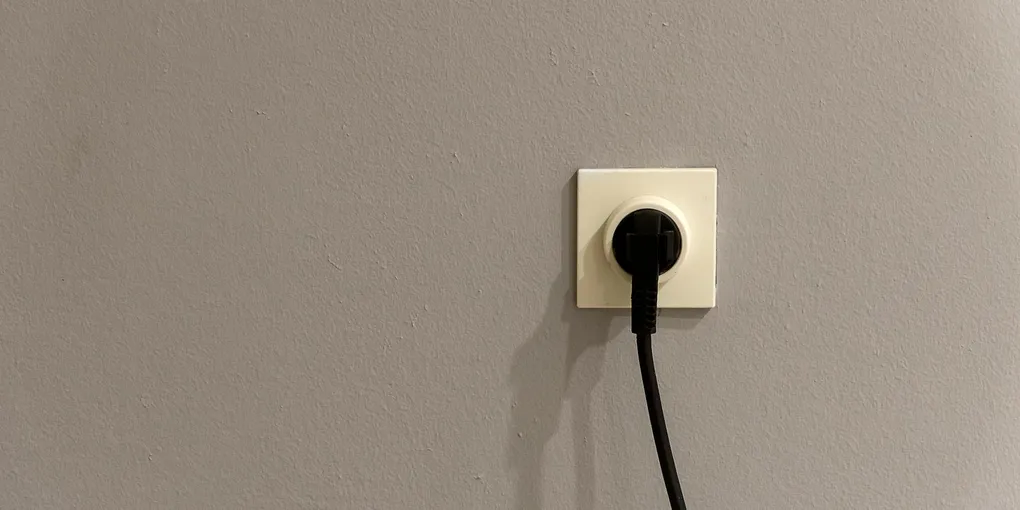
A dead electrical outlet is usually caused by a tripped breaker, a tripped GFCI outlet, or a loose wire connection. Start by checking for a switch-controlled outlet, then reset the breaker and look for tripped GFCI outlets nearby. These three free checks solve the majority of dead outlet problems in under 10 minutes without tools.
Frequently Asked Questions
Why did my outlet suddenly stop working?
The most common causes are a tripped circuit breaker, a tripped GFCI outlet somewhere on the same circuit, or a loose wire connection. Check the breaker panel and reset any GFCI outlets in nearby rooms before assuming a wiring problem.
Can a tripped GFCI outlet cause other outlets to stop working?
Yes. A single GFCI outlet protects all downstream outlets on the same circuit. A tripped GFCI in your garage or bathroom can kill outlets in completely different rooms.
Is it safe to fix an electrical outlet yourself?
Simple fixes like resetting a breaker or GFCI are safe for anyone. Opening an outlet to tighten wires is safe if you turn off the breaker first and verify with a voltage tester. Stop and call an electrician if you see scorch marks, smell burning, or your home has aluminum wiring.
How much does it cost to have an electrician fix an outlet?
An electrician typically charges $75-150 for a service call and diagnosis, $100-200 for an outlet repair or replacement, and $150-400+ for fixing a wiring issue.
What tools do I need to troubleshoot a dead outlet?
A non-contact voltage tester ($15-25) is the essential tool. You will also need a flathead and Phillips screwdriver, and possibly a replacement outlet ($2-5) if the old one is damaged.
How do I know if an outlet needs to be replaced?
Replace an outlet if you notice any of these signs: plugs no longer stay in firmly (the contacts inside have worn loose — a fire hazard, not just an annoyance), visible scorch marks or discoloration around the slots, a burning smell when something is plugged in, sparking when you insert a plug, or the outlet feels warm to the touch. A standard outlet lasts 15–25 years; outlets in high-use locations wear out faster. Replacement outlets cost $2–$5 at any hardware store and take 15 minutes to swap with the breaker off. Never ignore a warm outlet or scorch marks — these indicate arcing, which is the leading cause of electrical fires.
Can a half-working outlet be dangerous?
Yes. An outlet where only one slot works — or where plugs fit loosely on one side — usually indicates a loose wire connection or worn contact. Loose connections arc (create small sparks) every time current flows through them. Arcing generates heat, degrades the wiring insulation over time, and is a significant fire risk even when the outlet appears functional. A half-working outlet is not a minor inconvenience — it is a wiring problem that should be fixed within days, not ignored. Turn off the breaker, open the outlet, and check that all wire connections are firmly secured under their terminals. If the wires look damaged, scorched, or the outlet is old, replace the outlet entirely ($2–$5 for the part).
A dead electrical outlet is usually caused by a tripped breaker, a tripped GFCI outlet, or a loose wire connection. Start by checking for a switch-controlled outlet, then reset the breaker and look for tripped GFCI outlets nearby.
A dead electrical outlet is one of those problems that feels alarming but usually has a straightforward cause. In most cases, you are looking at a tripped breaker, a tripped GFCI outlet, or a loose wire connection. You can diagnose and often fix the issue yourself in under 30 minutes.
That said, electrical work carries real risk. Before we get into troubleshooting, read the safety section below and take it seriously.
Safety First — Read This Before Touching Anything
Electricity can kill you. This is not a scare tactic. It is the reason electricians exist. Follow these rules without exception:
- Turn off the breaker before removing any outlet cover or touching any wiring. Verify it is off with a voltage tester before you touch a single wire.
- Never work on a live circuit. “I will be careful” is not a safety plan.
- If you see scorch marks, a burning smell, melted plastic, or the outlet feels warm to the touch — stop. Do not attempt a DIY fix. Call an electrician immediately. These are signs of arcing or overheating that can cause a house fire.
- If your home has aluminum wiring (common in homes built between 1965 and 1973), do not attempt any outlet work yourself. Aluminum wiring requires special connectors and techniques. Get a licensed electrician.
With that clear, here is how to systematically troubleshoot a dead outlet.
Step 1: Check If the Outlet Is Switch-Controlled
Before assuming something is broken, check the obvious. Many outlets — especially in living rooms and bedrooms — are controlled by a wall switch. Flip every switch in the room and test the outlet again. You would be surprised how often this is the answer.
Also try plugging a lamp or phone charger into both the top and bottom halves of the outlet. Sometimes only one half is switch-controlled or only one half has failed.
Step 2: Check Your Breaker Panel
A tripped breaker is the most common reason for a dead outlet — see our full how to reset a tripped circuit breaker guide for photos and deeper troubleshooting.
How to check:
- Open your breaker panel (usually in the garage, basement, or utility closet).
- Look for a breaker that is in the middle position — not fully ON and not fully OFF. A tripped breaker sits between the two.
- Flip the tripped breaker fully to OFF, then back to ON.
- Test the outlet.
If the breaker trips again immediately, you have a short circuit or an overloaded circuit. Unplug everything on that circuit and reset the breaker. If it still trips with nothing plugged in, call an electrician.
Cost: Free.
Step 3: Find and Reset the GFCI Outlet
GFCI (Ground Fault Circuit Interrupter) outlets are the outlets with the small “Test” and “Reset” buttons, usually found in kitchens, bathrooms, garages, and outdoor areas. Here is the key thing most homeowners do not realize: a single GFCI outlet protects all the downstream outlets on the same circuit. A tripped GFCI in your garage can kill an outlet in your living room.
How to check:
- Look for GFCI outlets in the same room and in nearby rooms, especially bathrooms, kitchens, the garage, and exterior walls.
- Press the “Reset” button firmly on each GFCI outlet you find.
- Test the dead outlet again.
If you cannot find a GFCI outlet, check the breaker panel. Some panels have GFCI breakers (they also have a test/reset button) that protect entire circuits.
Cost: Free.
Step 4: Test the Outlet With a Voltage Tester
If the breaker is on and no GFCI is tripped, you need to figure out whether the outlet is actually receiving power. A non-contact voltage tester is the safest way to check.
How to use it:
- Make sure the breaker is ON for this step (you are testing for power, not doing repairs).
- Insert the voltage tester into the shorter (hot) slot of the outlet.
- If it lights up or beeps, the outlet has power and the problem is likely a bad outlet or a bad connection. If it does not, the problem is upstream — a broken wire, a bad connection at another outlet, or a faulty breaker.
Cost: $15-25 for a non-contact voltage tester (worth owning permanently).
Step 5: Check for Loose Wire Connections
This is where you actually open up the outlet. Turn off the breaker first. Test the outlet with your voltage tester to confirm it is dead before proceeding.
How to fix:
- Remove the outlet cover plate (one screw).
- Remove the two screws holding the outlet in the electrical box and gently pull it out.
- Inspect the wires. Look for:
- Loose wires that have slipped off the screw terminals or come out of the push-in (backstab) connections on the back of the outlet.
- Burnt or damaged wires (if you see this, stop and call an electrician).
- Push-in connections — these are notorious for failing over time. If your outlet uses them, switch to wrapping the wires around the screw terminals instead.
- Tighten all screw terminal connections. The wire should be hooked clockwise around the screw so tightening the screw pulls the wire in.
- Reinstall the outlet, restore power, and test.
A loose connection is one of the most common causes of a dead outlet, especially in older homes or homes where outlets use push-in connectors.
Cost: Free if it is just a loose wire. $3-5 for a new outlet if the old one is damaged.
Step 6: Replace a Bad Outlet
If the outlet has power (your voltage tester confirmed it) but nothing works when you plug in, the outlet itself may be burned out.
How to fix:
- Turn off the breaker. Verify with a voltage tester.
- Remove the old outlet and note which wires go where. Take a photo with your phone.
- Black (hot) wires connect to the brass screws. White (neutral) wires connect to the silver screws. The bare or green wire connects to the green ground screw.
- Connect the wires to the new outlet using the screw terminals (not the push-in holes).
- Carefully fold the wires back into the box, mount the outlet, and replace the cover plate.
- Restore power and test.
Cost: $2-5 for a standard electrical outlet.
When to Call an Electrician
Stop the DIY troubleshooting and call a licensed electrician if:
- The outlet or cover plate is warm to the touch
- You smell burning or see scorch marks
- The breaker keeps tripping after you have unplugged everything on the circuit
- Multiple outlets are dead on different circuits
- Your home has aluminum wiring
- You are not 100% comfortable working inside an electrical box
- You do not own a voltage tester and are not willing to buy one
There is no shame in calling a pro for electrical work. A mistake with plumbing gets you wet. A mistake with electricity can get you killed or burn your house down.
Typical electrician costs:
- Service call / diagnosis: $75-150
- Outlet repair or replacement: $100-200
- GFCI outlet installation: $130-250
- Fixing a wiring issue: $150-400+
Tools You Need
- Non-contact voltage tester ($15-25)
- Flathead and Phillips screwdrivers
- Replacement outlet, if needed ($2-5)
Bottom Line
Start simple: check for a switch, reset the breaker, and hunt for a tripped GFCI. These three steps solve the majority of dead outlet problems and cost nothing. If those do not work, a voltage tester will tell you whether the outlet has power, and a loose wire fix is a 10-minute repair.
But respect the risk. If anything looks burned, smells hot, or does not make sense to you, turn off the breaker and call an electrician. A $150 service call is cheap compared to a house fire.
While you are thinking about your home’s electrical system, add outlet checks to your annual home maintenance schedule. Test your GFCI outlets monthly by pressing the “Test” button — they should click off — then press “Reset” to restore power.
Related Reading
- How to Reset a Tripped Circuit Breaker — the full panel troubleshooting walkthrough
- How to Install a Dimmer Switch — next DIY electrical upgrade once you’re comfortable at the panel
- How to Install a GFCI Outlet — required in bathrooms, kitchens, and exterior outlets
- How to Replace a Light Switch — same wiring fundamentals as replacing an outlet
- New Homeowner Toolkit — includes the voltage tester and screwdrivers you need here
- How to Add an Electrical Outlet — run a new outlet where you need one
- Best Portable Generators for Home Backup — power critical circuits during outages
Free: 10-Point Home Maintenance Checklist
Prevent costly repairs with this seasonal checklist. Save hundreds every year by catching problems early.
Your checklist is ready!
Open Checklist →Something went wrong. View the checklist here.