How to Lay a Paver Patio (DIY Guide, 2026)
Install a paver patio yourself. Layout, excavation, base prep, edge restraints, sand setting, and joint sand. Full DIY guide for a patio that lasts 25+ years.
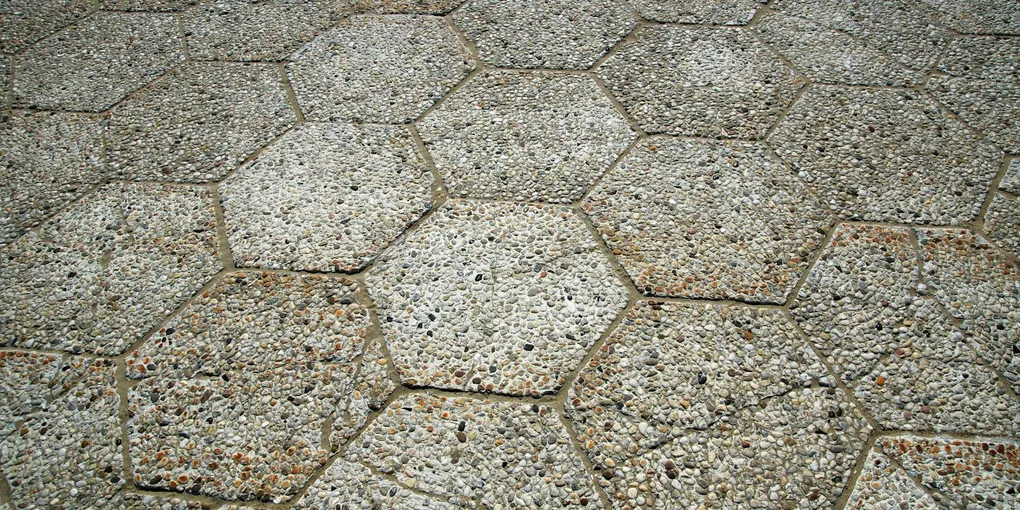
A DIY paver patio costs $8-$18 per square foot in materials for a basic 12x14 patio ($1,200-$2,700), about half the cost of hiring a pro ($15-$35/sq ft installed). Allow 2-4 days: one day for layout and excavation, one day for base prep and compaction, one day for laying pavers, and a final day for edge restraints and joint sand. The critical step most DIYers skip is base compaction — a 4-6 inch compacted gravel base with proper pitch makes the difference between a patio that lasts 25 years vs. one that heaves in the first winter. Always rent a plate compactor; hand tamping isn't enough.
Frequently Asked Questions
How deep do I need to excavate for a paver patio?
Total excavation: paver thickness + 1 inch paver sand + 4-6 inch compacted gravel base. For standard 2 3/8 inch pavers, that's 7-9 inches of excavation. In cold climates with deep frost lines, some go 8-10 inches of gravel base (total 11-13 inches). For driveways or heavy loads, 8-12 inches of gravel is required.
What's the right slope for a paver patio?
1/4 inch drop per foot, away from structures. A 12-foot patio slopes 3 inches total — imperceptible to walk on, perfect for drainage. Going flatter causes water pooling; steeper looks wrong and makes furniture unstable.
Can I lay pavers over concrete?
Yes, if the concrete is structurally sound. Clean thoroughly, apply a bond coat (or use polymeric sand to lock pavers), and lay pavers directly. The concrete acts as your base — skip the gravel layer. However, you lose drainage, so pitch toward a drain or extend beyond the concrete edge.
Paver sand vs. polymeric sand — which is better?
Polymeric for joints (the sand between pavers). It hardens when wet and resists washout, weeds, and ant tunnels. Regular mason sand for the setting bed under the pavers — polymeric in the setting bed would harden into a single slab and prevent settling adjustments.
Do I need edge restraints?
Absolutely. Without edge restraints, pavers at the perimeter shift outward over time, opening joints and causing the whole patio to fail. Plastic or aluminum edge restraints cost $1-$3 per linear foot and install with 10-inch spikes. Skipping this is the #1 DIY failure mode.
How long does a paver patio last?
25-50+ years with proper installation. Pavers themselves are rated 25-75 years. The limiting factor is the base — settled or heaving bases cause failures in 3-10 years. A properly compacted 6-inch gravel base + polymeric sand joints can push useful life past 40 years.
Lay a paver patio by excavating 6–8 inches deep, compacting a 4-inch gravel base, adding 1 inch of sand, then setting pavers on the sand and locking them with polymeric sand in the joints. A 200 sq ft DIY paver patio costs $800–$2,000 in materials; hired out it runs $2,500–$6,000. The most common failure is insufficient base depth — skimping on gravel causes pavers to shift and heave within 2–3 winters.
A paver patio is one of the highest-ROI outdoor projects — $2,000 in materials transforms a plain backyard into usable outdoor living space. But it’s also the single most commonly failed DIY project because base prep is boring and the temptation to skip compaction is strong. Done right, this patio lasts 30-50 years. Done wrong, it heaves in the first winter.
Planning the Patio
Size It Right
- Seating for 4-6 people: 12x12 ft (144 sq ft)
- Seating for 6-8 + grill: 14x16 ft (224 sq ft)
- Dining for 6-8 + grill + lounge: 16x20 ft (320 sq ft)
- Luxury outdoor living: 20x24+ ft (480+ sq ft)
Measure your actual furniture before finalizing. A 12x12 feels tight with a 72” table.
Check Local Codes
- HOA rules on hardscape materials and colors
- Setback from property lines (3-10 ft typical)
- Proximity to structures and trees
- Drainage permits for patios over 400-500 sq ft in some jurisdictions
Call 811 Before Digging
Free service. Identifies buried gas, electric, water, and communications lines within 3 business days. Hitting a gas line is catastrophic — 811 prevents it.
Paver Types and Cost
Concrete Pavers — $2-$6/sq ft
Most common. Factory-cast concrete in various shapes, colors, and textures. Durable, uniform, DIY-friendly.
Subtypes:
- Rectangular / square: $2-$4/sq ft — cheapest, easiest layout
- Interlocking shapes: $3-$5/sq ft — visually interesting
- Permeable pavers: $4-$8/sq ft — allow water drainage, required in some jurisdictions
- Flagstone-look: $4-$6/sq ft — irregular shapes, more cutting
Natural Stone Pavers — $6-$15/sq ft
Flagstone, travertine, bluestone, slate. More beautiful, more expensive, harder to cut.
Brick Pavers — $4-$10/sq ft
Traditional look. Lasts decades. Color options limited.
Total Project Cost Estimate (200 sq ft Patio)
| Item | Cost |
|---|---|
| Pavers (200 sq ft + 10% waste) | $440-$1,320 |
| Compactable gravel (3.5 cu yd) | $100-$200 |
| Paver sand (1 yd) | $40-$80 |
| Polymeric joint sand | $40-$80 |
| Edge restraints (60 ft) | $60-$180 |
| Plate compactor rental (2 days) | $100-$180 |
| Masonry saw rental (1 day) | $50-$80 |
| Landscape fabric (optional) | $30-$60 |
| Total | $860-$2,180 |
Tools You’ll Need
Essential
- Round-point Shovel ($20-$40)
- Wheelbarrow ($80-$150)
- Plate Compactor — rent for $80-$120/day
- Masonry Wet Saw or Diamond Angle Grinder — rent wet saw $40-$60/day; diamond blade angle grinder $100-$150 to own
- Mason Line and Stakes ($10-$25)
- 4-Foot Level ($30-$60)
- Rubber Mallet ($10-$20)
- Tape Measure ($15-$30)
- Work Gloves ($15-$25)
- Safety Glasses ($10-$20)
- Dust Mask (N95) ($10-$20)
Nice to Have
- Screed Pipes or 1-inch Conduit ($10-$20) — for screeding sand
- Paver Extractor Tool ($10-$20) — pull individual pavers for adjustment
- Leaf Blower ($80-$200) — clears joints during polymeric sand work
- Laser Level ($60-$200) — precise slope control
Step 1: Design and Mark
Sketch First
- Draw the patio on graph paper
- Mark the house, trees, and existing features
- Show the direction of drainage away from structures
- Consider sun, prevailing wind, and sight lines
Square the Corners
For rectangular patios, use the 3-4-5 rule:
- Measure 3 feet from corner along one wall
- Measure 4 feet from corner along the perpendicular wall
- Diagonal should measure exactly 5 feet
This ensures corners are 90°. Adjust stakes until your 3-4-5 triangle is exact.
Mark the Excavation Line
Mark 6 inches beyond the final paver edge — you’ll need room for edge restraints.
Step 2: Excavate
Figure Total Depth
- Paver thickness: Measure actual (typically 2 3/8”)
- Paver sand layer: 1”
- Gravel base: 4-6” (moderate climate) or 6-10” (cold climate)
Total for moderate climate with 2 3/8” paver: 7.5-9.5”
Maintain the Slope
The excavated surface should slope 1/4” per foot away from structures. A 12’ patio slopes 3” across.
- Set mason line at top of excavation at the high side
- Set a second line at the bottom, 3” lower
- Excavate to maintain consistent depth below this top line
Haul Away Soil
Calculate cubic yards: length x width x depth / 27. A 12x14 patio at 8” deep is about 4 cubic yards — 2-3 truckloads with a pickup, or a dumpster rental.
Many landscape companies will take soil for free if you deliver. Post on neighborhood apps — someone always needs fill.
Step 3: Geotextile Fabric (Recommended)
Lay landscape fabric across the excavated area. Overlap seams by 6”.
Why: Prevents soil from migrating up into the gravel base, which causes settling. Also blocks weed roots.
Landscape Fabric — $30-$60 for 100 sq ft.
Step 4: Install the Gravel Base
Buy the Right Gravel
3/4-minus crushed stone or “paver base” — angular, compacts tightly, has fines that lock in place.
Do NOT use pea gravel, river rock, or sand. These shift under load.
Calculate: length x width x depth in feet / 27 = cubic yards.
Add in Lifts
Don’t dump the whole load and compact once. Work in 2-inch layers:
- Spread 2” of gravel
- Water lightly (spray to darken surface — not soaking)
- Compact with plate compactor (4-5 passes)
- Add next 2” layer
- Repeat until you’ve built 4-6” total
Check Depth and Slope
Measure from mason line down to gravel. Confirm consistent 1” for sand bed + 2 3/8” for paver thickness below your top line.
Maintain the 1/4”/foot drainage slope.
Step 5: Install Edge Restraints
Edge restraints sit on the compacted base, not the sand bed.
Plastic Edge Restraints
Paver Edging with Spikes — $1-$2/ft plastic with integral spike holes.
- Position at the patio edge, flush with future paver bottom
- Drive 10” spikes through pre-drilled holes every 12-18 inches
- Angle spikes slightly inward for maximum hold
Concrete Edge (More Permanent)
- Excavate a trench at the perimeter
- Pour rigid concrete edge below paver height
- Pavers butt against the concrete
This is permanent and bulletproof but 3-5x the cost.
Step 6: Paver Sand Setting Bed
Install Screed Pipes
- Lay two pieces of 1” conduit parallel, 4-6 ft apart, on the gravel base
- Pipes act as depth gauges for the sand
Add Sand
- Dump clean mason sand between the pipes
- Drag a straight 2x4 across the pipes to screed flat
- Remove pipes and fill the channels with sand
- Smooth with a trowel
Do NOT Compact
The setting bed stays loose. Pavers will seat into it and the plate compactor will compress it during the final compaction step.
Sand Depth Matters
More than 1.5”: pavers settle over time Less than 0.5”: pavers rock unstable
Target 1” exactly.
Step 7: Lay the Pavers
Start at a Defined Corner
- Work from a square reference line (typically against the house)
- Lay the first paver perfectly square to your reference lines
- Every subsequent paver aligns to this
Place, Don’t Slide
- Lower each paver straight down
- Sliding drags sand and creates gaps
- Tap gently with a rubber mallet to seat
Maintain Joint Width
- 1/16” to 1/8” for standard patio pavers
- Use spacer tabs (many pavers have them built in)
- Or eyeball consistency
Work in a Logical Order
- Running bond pattern (staggered): Work row by row
- Herringbone: Work from one corner in a 90° or 45° pattern
- Basketweave: Place in pairs, rotate alternating
Full Pavers First, Cuts Last
Lay all full pavers before cutting. This gives you max flexibility for edge cuts.
Step 8: Cut Pavers
Measure Each Edge Cut
Walls and curves aren’t uniform — measure each cut individually.
Masonry Wet Saw
Best choice. Rent for $40-$60/day. Makes clean, accurate cuts.
Angle Grinder with Diamond Blade
DIY option. Slower, dustier, but works for most shapes. Wear:
- Safety glasses
- N95 dust mask (minimum — silica is dangerous)
- Hearing protection
- Gloves
Cut partially through, then snap the paver on the score line.
For Curves
- Mark the curve with a pencil and string compass
- Make multiple straight cuts up to the curve
- Chip off waste with a hammer and chisel, or with the angle grinder
Step 9: Compact the Pavers
Sweep the Surface
Remove all debris. Any stone or grit left on top will grind into the paver surface.
Use a Plate Compactor with Rubber Pad
A rubber pad prevents the steel plate from scuffing pavers.
Compact in Both Directions
- 2-3 passes north-south
- 2-3 passes east-west
The sand settles around pavers, seating them fully. Pavers should “ring” rather than “thud” when tapped after compaction.
Step 10: Polymeric Joint Sand
Polymeric sand is the glue that makes the patio durable. Skip this and weeds grow in, ants tunnel, and pavers shift.
Apply Sand
- Pour sand on the patio surface
- Sweep diagonally across joints to fill
- Continue until every joint is full to the paver surface
Blow Off Excess
Use a leaf blower on low setting to remove sand from paver faces. Any remaining sand on pavers when you activate will bond to the surface and be very hard to remove.
Activate with Water
- Use a light mist setting on a hose
- Mist each section until sand is saturated
- Don’t flood — too much water washes sand out of joints
- Let dry 24 hours
Polymeric sand hardens like mortar. Once activated, it locks pavers in place.
Step 11 (Optional): Sealer
After 30+ days of weathering, apply paver sealer to:
- Enhance color (wet-look finish) or protect natural look (matte)
- Block oil and food stains
- Extend polymeric sand life
Reapply every 3-5 years. $40-$100 per gallon, covers 200-400 sq ft.
Maintenance
Seasonally
- Sweep to remove debris
- Check edge restraints for looseness
- Look for shifted or sunken pavers
Annually
- Pressure wash the surface (low pressure — 1,500 PSI max)
- Refill polymeric sand in any voided joints
- Reapply sealer if dull
Every 3-5 Years
- Full polymeric sand refresh on high-wear joints
- Reseal
Fixing Settled Pavers
- Pull the paver up with a paver extractor or two large flat-head screwdrivers
- Add and compact sand underneath
- Reseat the paver flush
- Refill joints with polymeric sand
Common Mistakes
Insufficient Base Compaction
A few inches of uncompacted gravel feels firm but will settle under load. Rent the plate compactor — hand tamping isn’t enough for anything larger than a step.
Skipping Edge Restraints
Pavers without edge restraints shift outward within 1-2 years. Install them always.
Wrong Slope
Flat patios pool water. Too steep looks bad and makes furniture unstable. 1/4” per foot is the standard — do not compromise.
Using Play Sand
Play sand is too fine and doesn’t lock in. Use coarse mason sand for the setting bed.
Skipping Polymeric Sand
Regular sand washes out with rain, lets weeds grow, and allows ant tunneling. Polymeric is worth the $40-$80.
Poor Drainage Planning
Patios that collect water cause foundation issues or ice hazards in winter. Always slope away from structures.
DIY vs Pro
DIY (200 sq ft)
- Materials: $800-$2,100
- Tool rentals: $150-$350
- Time: 30-50 hours first-timer
Pro Install
- Labor: $2,000-$5,000
- Materials: $800-$2,500 (often marked up)
- Total: $3,000-$7,500
DIY saves $2,000-$5,000.
When to Hire Pro
- Patios over 500 sq ft
- Complex curves or multiple levels
- Sloped yards requiring retaining walls
- Integrated features (fire pit, pergola, outdoor kitchen)
- If you can’t rent or operate a plate compactor
Design Ideas
Simple Rectangular Patio
- 12x14 ft, running bond pattern, gray rectangular pavers
- Total cost: $1,200-$2,000
- Weekend project
Patio with Fire Pit
- 16x16 ft, basketweave pattern, mixed color pavers
- Built-in paver fire pit in center or corner
- Total cost: $2,500-$4,500
Sloped Yard with Retaining Wall + Patio
- Upper terrace for dining, lower for seating
- Requires retaining wall build first
- Total cost: $5,000-$12,000
Related Reading
- How to Build a Fire Pit — perfect addition to a new patio
- Deck Building Cost Per Square Foot — alternative outdoor surface
- How to Stain a Deck — companion outdoor maintenance
- Hot Tub Installation Cost — paver or concrete pad is the best hot tub foundation
- Spring Home Maintenance Checklist — patio seasonal prep
- Garage Organization Ideas — store patio tools
- Best Portable Generators for Home Backup — outdoor power options
- Design and mark the area
Sketch the patio on paper. Call 811 to locate utilities. Mark the perimeter with stakes and mason line or marking paint.
- Excavate
Dig to the full depth (7-13 inches depending on paver thickness and climate). Maintain the drainage slope (1/4 inch per foot from the house).
- Add the gravel base
Fill with 3/4 minus compactable gravel (or paver base rock) in 2-inch lifts. Compact each lift with a plate compactor before adding the next.
- Install edge restraints
Set restraints at the perimeter, stake with 10-inch spikes every 12 inches. Alternatively, dig a trench at the edge and set concrete — more permanent.
- Add the paver sand setting bed
Screed 1 inch of clean mason sand across the base. Do not compact — pavers will compact it during laying.
- Lay the pavers
Start in a corner that's square to reference lines. Place pavers by hand (don't slide — that drags sand). Work outward. Maintain joint spacing with spacers or by eye.
- Cut pavers for edges
Mark cuts carefully. Use a masonry wet saw or angle grinder with a diamond blade. Wear safety glasses and a dust mask.
- Compact the pavers
Sweep off debris. Run a plate compactor with a rubber pad over the patio. Vibrates sand up between joints and seats pavers.
- Apply polymeric joint sand
Sweep sand into joints until level with paver surface. Activate per package instructions (usually misting with water until fully saturated).
- Final cleaning and sealer (optional)
Clean paver surfaces. If desired, apply paver sealer after 30 days of weathering to lock in the look and protect against stains.
Free: 10-Point Home Maintenance Checklist
Prevent costly repairs with this seasonal checklist. Save hundreds every year by catching problems early.
Your checklist is ready!
Open Checklist →Something went wrong. View the checklist here.