Swimming Pool Installation Cost 2026: $3,500–$130,000 by Type
Swimming pool installation costs $3,500-$130,000 depending on type. See pricing for above-ground, inground, concrete, fiberglass, and vinyl liner pools.
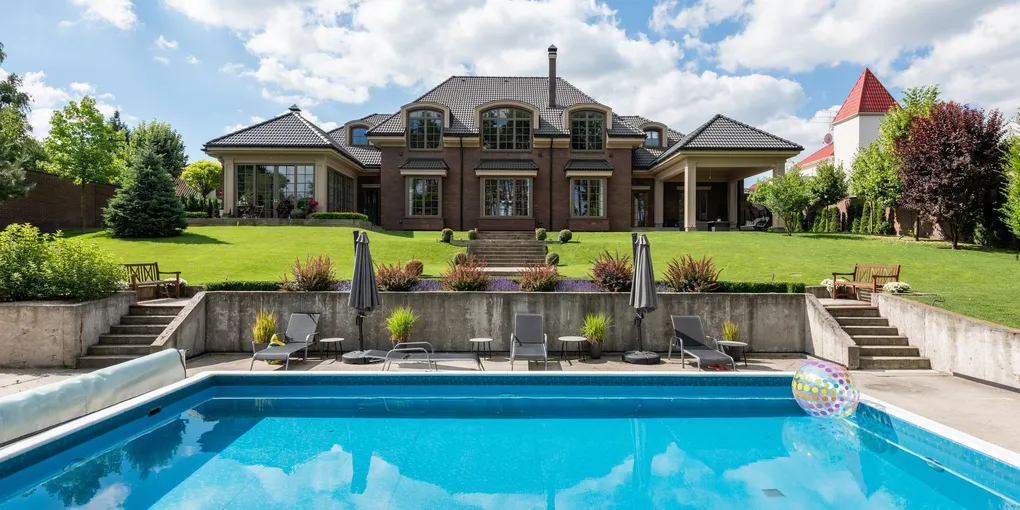
Swimming pool installation ranges from $3,500-$7,500 for above-ground pools to $40,000-$130,000 for inground installations. Inground vinyl liner averages $45,000, fiberglass $55,000, and concrete/gunite $75,000. Total cost including decking, landscaping, and equipment typically runs 40-80% above base pool price. Annual maintenance costs $1,200-$3,500.
Frequently Asked Questions
What's the cheapest type of inground pool?
Vinyl liner pools are cheapest at $35,000-$65,000 installed. Fiberglass ($45,000-$85,000) falls in the middle. Concrete/gunite ($55,000-$130,000+) is most expensive but most customizable. Above-ground alternatives cost $1,500-$12,000 but aren't true 'inground.'
Do swimming pools add value to your home?
Pools typically add 5-8% to home value in hot climates (FL, TX, AZ, Southern CA) but only 0-4% elsewhere. ROI averages 40-65% of installation cost. In cold-climate markets, pools can actually decrease value if seen as maintenance burdens.
How long does pool installation take?
Fiberglass: 3-6 weeks. Vinyl liner: 4-8 weeks. Concrete/gunite: 8-16 weeks. Above-ground: 1-3 days. Timeline includes permits, excavation, construction, decking, and commissioning. Weather and supply chain can add 2-4 weeks.
What's the cheapest way to have a pool?
Above-ground pools at $1,500-$7,500 installed offer fastest, cheapest entry. Stock tank 'pools' under $500. Semi-inground ($10,000-$25,000) offers inground aesthetics at lower cost. Rental pool services ($1,000-$3,000/summer) eliminate long-term commitment.
How much does it cost to fill a pool with water?
15,000-25,000 gallons for typical inground pool. Municipal water: $50-$200 for initial fill. Water trucks: $300-$800 for delivery. Most homeowners use municipal water over several days to avoid overwhelming water meter.
What is the annual cost to maintain a swimming pool?
Annual maintenance for a typical inground pool: $1,200–$3,500. That breaks down as: chemicals ($600–$1,000/year), electricity for pump and heater ($500–$1,500), cleaning service if hired ($150–$300/month), winterization ($200–$500), and repairs and replacement parts ($200–$500/year average). DIY maintenance saves $1,800–$3,600 per year vs. full-service pool care.
How long does a pool last?
Above-ground pools: 7–15 years for the liner, 10–20 for the frame. Vinyl liner inground: liner lasts 7–12 years ($3,500–$5,500 to replace), structure lasts 25+ years. Fiberglass: 25–30+ years with minimal structural maintenance (gel coat resurfacing every 15–20 years). Concrete/gunite: 50+ years structurally, plaster resurfacing every 10–15 years ($10,000–$20,000).
Swimming pool installation ranges from $3,500-$7,500 for above-ground pools to $40,000-$130,000 for inground installations. Inground vinyl liner averages $45,000, fiberglass $55,000, and concrete/gunite $75,000.
Few home upgrades are as polarizing as a swimming pool. In the right climate with the right family lifestyle, they’re the centerpiece of summer memories for decades. In the wrong circumstances, they’re $80,000 chlorine-consuming maintenance burdens that scare off buyers. The key is going in with eyes open—understanding total costs, ongoing expenses, and realistic ROI before signing the first contract.
This comprehensive guide breaks down 2026 pool installation costs by type, region, and project scope. You’ll understand what your budget actually buys, which options deliver the best long-term value, and when to seriously consider alternatives like spas, swim spas, or investing the pool budget elsewhere.
Quick Cost Overview by Pool Type
| Pool Type | Typical Installed Cost | Maintenance (annual) |
|---|---|---|
| Stock tank / DIY | $200–$1,000 | $100–$300 |
| Above-ground (basic) | $1,500–$4,500 | $500–$1,200 |
| Above-ground (premium) | $4,500–$10,500 | $800–$1,800 |
| Semi-inground | $10,000–$25,000 | $1,000–$2,500 |
| Vinyl liner inground | $35,000–$65,000 | $1,800–$3,500 |
| Fiberglass inground | $45,000–$85,000 | $1,200–$2,500 |
| Concrete/Gunite inground | $55,000–$130,000+ | $2,500–$5,000 |
| Custom infinity/lap pool | $80,000–$250,000+ | $3,000–$6,000 |
Total project cost (including decking, landscaping, equipment, fencing) typically runs 40-80% above base pool price.
Cost Breakdown: What You’re Actually Paying For
A typical $65,000 fiberglass inground pool installation breaks down:
- Fiberglass pool shell (14’×28’): $22,000–$30,000
- Excavation and hauling: $3,500–$6,500
- Plumbing and filtration system: $3,500–$6,000
- Electrical (panel, lights, pump): $2,500–$5,000
- Concrete deck (500 sq ft): $7,500–$12,500
- Pool fencing (150 linear feet): $3,000–$6,000
- Permits and inspections: $500–$1,500
- Startup chemicals and equipment: $500–$1,000
- Labor coordination fee: $3,000–$6,000
- Landscaping restoration: $1,500–$4,000
- Pool cover: $800–$2,500
Total: $48,300–$81,000 (including all soft costs)
Above-Ground Pools
Fastest, cheapest entry to pool ownership. Perfect for renters who can take them along, or budget-conscious homeowners testing the waters.
Above-Ground Pool Cost Ranges
Basic vinyl above-ground ($1,500-$4,500):
- 15-24’ round steel frame
- Replaceable vinyl liner
- Basic filter and pump
- 5-10 year lifespan
Premium above-ground ($4,500-$10,500):
- 18-33’ round or oval
- Resin/composite frame (rust-resistant)
- Better pump and sand filter
- Optional saltwater systems
- 10-20 year lifespan
Semi-inground ($10,000-$25,000):
- Dug halfway into ground
- Deck integration possible
- Aesthetically closer to inground
- 15-25 year lifespan
Installation Considerations
Above-ground pools need:
- Level ground: Often requires grading ($200-$1,500)
- Base materials: Sand or pavers ($100-$400)
- Electrical outlet for pump (GFCI required)
- Fencing: Many jurisdictions require pool-code fencing
- Water: Initial fill 6,000-15,000 gallons ($30-$200 municipal)
Popular models:
- Intex 18ft Prism Frame Pool: Budget-friendly, quick setup
- Bestway Steel Pro MAX 18ft: Mid-range value
- Summer Waves Elite 22ft: Premium features
Essential accessories:
- Pool cover: $50-$300
- Pool vacuum: $80-$400
- Test kit: $20-$60
Inground Pool Types Compared
Vinyl Liner Pools ($35,000-$65,000)
Flexible vinyl liner over steel or polymer wall panels with concrete floor.
Pros:
- Lowest inground cost
- Smooth surface (comfortable)
- Customizable shapes and sizes
- Quick installation (4-8 weeks)
Cons:
- Liner replacement every 8-12 years ($4,000-$8,000)
- Vulnerable to punctures from pets, toys
- Fewer finish options
Best for: Budget-conscious inground buyers, sandy-soil regions
Fiberglass Pools ($45,000-$85,000)
Pre-molded one-piece shells lifted into excavation by crane.
Pros:
- Fastest installation (2-6 weeks)
- Lowest maintenance of any inground
- Smooth, algae-resistant surface
- 25+ year surface lifespan
- Built-in seating/steps
- Fewer chemicals needed
Cons:
- Limited to pre-designed shapes/sizes
- Shell size limited to 16’ wide (trucking limit)
- Higher upfront cost than vinyl
- Requires crane access
Best for: Low-maintenance priorities, homeowners who’ll be in home 15+ years
Concrete/Gunite Pools ($55,000-$130,000+)
Concrete sprayed onto rebar cage, finished with plaster, aggregate, or tile.
Pros:
- Fully customizable shape, size, depth
- Unlimited design options (vanishing edges, beach entries, caves)
- Longest lifespan (50+ years structure)
- Premium visual appeal
- Highest resale value
Cons:
- Longest installation (8-16 weeks)
- Most maintenance-intensive
- Higher chemical use
- Plaster resurface every 10-15 years ($6,000-$15,000)
- Most expensive upfront
Best for: Custom designs, luxury homes, long-term ownership
Cost by Pool Size
Small Pools (10’×20’ / 200 sq ft)
- Vinyl liner: $32,000-$50,000
- Fiberglass: $38,000-$60,000
- Concrete: $50,000-$85,000
Medium Pools (14’×28’ / 392 sq ft)
- Vinyl liner: $40,000-$62,000
- Fiberglass: $48,000-$75,000
- Concrete: $62,000-$110,000
Large Pools (18’×36’ / 648 sq ft)
- Vinyl liner: $55,000-$80,000
- Fiberglass: $70,000-$105,000 (often two shells)
- Concrete: $85,000-$150,000
Extra-Large Pools (20’×40’ / 800 sq ft)
- Vinyl liner: $65,000-$95,000
- Fiberglass: Not typically available
- Concrete: $100,000-$180,000
Regional Cost Variations
Pool costs vary significantly by region:
- Southeast (FL, GA, SC, AL): Baseline pricing, most competitive market, year-round construction
- Southwest (TX, AZ, NM, NV): 5-10% below average, long pool season
- California (Southern): 15-25% above national average (labor, permits)
- Mid-Atlantic (VA, MD, NC): Close to baseline, 6-month season
- Northeast: 10-20% above baseline, limited construction window
- Midwest: Close to baseline, shorter season
- Pacific Northwest: 10-20% above baseline, fewer contractors, limited demand
Essential Additional Costs
Budget for these beyond the pool itself:
Pool Decking
- Concrete: $8-$15/sq ft ($5,000-$12,000 for 800 sq ft surrounding)
- Stamped concrete: $12-$22/sq ft
- Pavers: $15-$30/sq ft
- Travertine: $20-$35/sq ft
- Composite deck: $18-$30/sq ft
Pool Fencing (legally required)
- Chain-link: $15-$25/linear ft
- Vinyl: $25-$40/linear ft
- Aluminum: $30-$50/linear ft
- Wood: $20-$40/linear ft
- Glass panel: $75-$150/linear ft
- Typical 150 linear feet: $2,250-$22,500
Pool Equipment Upgrades
- Variable-speed pump: $1,200-$2,500 (saves $300-$600/year in electricity)
- Pool heater: $2,500-$5,500 (extends season)
- Saltwater system: $1,500-$3,500 (reduces chemical costs)
- Automation system: $2,500-$8,000 (smart control)
- Pool cover (auto retractable): $8,000-$25,000
Landscaping
- Basic: $2,000-$5,000 (grass, mulch, basic plants)
- Premium: $8,000-$25,000 (mature plants, irrigation, lighting)
- Luxury: $25,000-$75,000 (hardscape, outdoor kitchen, water features)
Pool Installation Timeline
Above-Ground (1-3 days)
Day 1: Site leveling, base prep Day 2: Pool assembly, liner install Day 3: Filling, chemical balance, testing
Fiberglass Inground (3-6 weeks)
Weeks 1-2: Permits, excavation, rough plumbing Week 3: Shell delivery and placement Week 4: Plumbing, electrical, backfill Week 5: Decking Week 6: Commissioning, startup
Vinyl Liner Inground (4-8 weeks)
Weeks 1-2: Permits, excavation Weeks 3-4: Wall panels, floor, plumbing Weeks 5-6: Liner installation, equipment Weeks 7-8: Decking, commissioning
Concrete/Gunite (8-16 weeks)
Weeks 1-2: Permits, excavation Weeks 3-4: Rebar, plumbing rough Weeks 5-6: Gunite application, cure Weeks 7-9: Tile, coping installation Weeks 10-11: Plaster finish, cure Weeks 12-14: Decking Weeks 15-16: Commissioning, chemical balance
Annual Operating Costs
Budget for ongoing pool expenses:
Chemicals ($400-$1,200/year)
- Chlorine/sanitizer: $200-$500
- pH balancers: $100-$300
- Algaecide: $50-$200
- Test strips/kits: $50-$200
Equipment Operation ($800-$2,500/year)
- Electricity (pump, lights): $500-$1,800
- Water refill/top-off: $100-$400
- Heater fuel (if used): $200-$3,000 seasonal
Maintenance Services
- DIY: Free-$300 (tools and time)
- Weekly service: $80-$200/visit ($3,500-$7,000 annually)
- Bi-weekly service: $120-$250/visit ($2,500-$5,000 annually)
Seasonal Costs (cold climates)
- Opening: $250-$500
- Closing: $250-$500
- Winter cover replacement: $200-$800 (every 3-7 years)
Major Maintenance (every 5-15 years)
- Liner replacement (vinyl): $4,000-$8,000
- Resurfacing (concrete): $6,000-$15,000
- Pump/heater replacement: $1,500-$5,000
DIY vs Professional Installation
DIY-Friendly
- Above-ground pools ($1,500-$7,500 kits)
- Intex/Bestway inflatable or frame pools
- Stock tank conversions
- Basic decking around above-ground pools
Partial DIY
- Electrical prep (trench digging)
- Decking installation (after pool built)
- Landscaping around pool
- Cover installation
Professional Required
- Inground pool construction
- Gas line installation for heaters
- Electrical panel upgrades
- Structural decking (cantilever concrete)
Even above-ground “DIY” pools benefit from professional electrical work and site leveling.
Home Value Impact by Region
Positive ROI Regions (60-80% recovery)
- South Florida, Miami-Dade
- Phoenix, AZ
- Las Vegas, NV
- Southern California
- San Diego, CA
- Central Texas
Neutral ROI Regions (40-65% recovery)
- Atlanta, GA
- Houston, TX
- Nashville, TN
- Charlotte, NC
- Sacramento, CA
Negative ROI Regions (20-45% recovery)
- Northeast cities
- Midwest (except luxury markets)
- Pacific Northwest
- Northern California
Factors Affecting ROI
- Neighborhood comps (do similar homes have pools?)
- Climate (longer swim season = higher ROI)
- Pool quality and condition
- Maintenance demand perception
- Buyer demographics
Alternatives to Traditional Pools
Before committing to a full pool installation, consider:
Swim Spas ($12,000-$35,000)
- 12-20 foot elongated hot tub with swim current
- Year-round use
- Lower maintenance than pool
- Fits smaller yards
Hot Tubs ($3,000-$25,000)
- Much cheaper entry
- Year-round enjoyment
- Lower operating cost
- Smaller footprint
Plunge Pools ($18,000-$45,000)
- Small 10’×14’ pool
- Cooling off, not swimming
- Less deck/landscaping needed
- Faster installation
Natural Swimming Pools ($50,000-$150,000)
- Plant-filtered, chemical-free
- Lower ongoing maintenance
- Unique aesthetic
- Higher upfront cost
Smart Shopping Strategies
Timing Your Purchase
- Off-season (fall/winter): 10-20% below summer pricing
- End of pool season: Contractors need work
- Permit delays: Start permits in winter for spring construction
- Trade show specials: Regional pool shows offer 5-10% discounts
Saving Money Without Sacrificing Quality
- Smaller pool: Go 12’×24’ instead of 16’×32’ (saves 40%)
- Simpler shape: Rectangle costs less than freeform
- Fewer features: Skip waterfalls, lights, heaters initially
- Phased approach: Decking/landscaping year two
- Owner-assisted: Site prep, landscaping DIY
What to Never Skimp On
- Pool contractor (experience matters enormously)
- Equipment quality (variable-speed pump pays back 3-5 years)
- Safety fencing (legal requirement, insurance requirement)
- Permitting (unpermitted pools create future legal/insurance nightmares)
Contractor Selection Checklist
Non-negotiables:
- State licensed and bonded
- $1M+ liability insurance
- Workers’ compensation coverage
- Member of APSP or NPC (industry associations)
- References from past 5 pool installations
- Written contract with complete scope
- Payment schedule (never >30% upfront)
- Warranties in writing (shell, workmanship, equipment)
- Permit acquisition (not your responsibility)
- Commissioning and owner training included
Red flags:
- Cash-only pricing discounts
- Pressure for immediate signing
- Unlicensed subcontractors
- No physical office/showroom
- “Too good to be true” pricing (30%+ below competitors)
Financing Options
- HELOC: 7-10% APR, interest may be tax-deductible
- Personal loan: 8-15% APR, unsecured, faster approval
- Pool-specific financing: 6-12% APR through pool dealers
- Credit cards: Last resort (high rates)
- FHA Title I loan: Government-backed up to $25,000
- Home equity loan: Fixed rate, longer term (best for large projects)
Most financing requires 10-20% down payment. Budget for this out-of-pocket.
Sample Project Costs
Scenario 1: Above-ground starter pool
- 18’ round frame pool: $2,500
- Leveling and prep: $300
- Electrical outlet: $500
- Basic fencing: $2,000
- Accessories and chemicals: $400
- Total: $5,700
Scenario 2: Mid-range vinyl liner inground
- 14’×28’ vinyl pool: $45,000
- Basic concrete deck (500 sq ft): $5,500
- Aluminum fencing (150 ft): $5,250
- Equipment upgrades: $2,500
- Landscaping: $3,000
- Permits: $800
- Total: $62,050
Scenario 3: Premium fiberglass with features
- 16’×32’ fiberglass pool: $62,000
- Stamped concrete deck (800 sq ft): $13,000
- Glass panel fencing: $18,750
- Variable-speed pump + heater: $5,000
- Salt system + automation: $4,500
- Premium landscaping: $15,000
- Retractable cover: $12,000
- Permits: $1,200
- Total: $131,450
Scenario 4: Luxury custom concrete
- 18’×40’ custom gunite with vanishing edge: $110,000
- Travertine deck with outdoor kitchen (1,200 sq ft): $35,000
- Glass and stone fencing: $28,000
- Infinity edge features: $15,000
- Full automation and audio: $18,000
- Landscape design and installation: $40,000
- Total: $246,000
Common Mistakes to Avoid
- Undersizing decking: Budget 300-500 sq ft minimum around pool
- Skipping the pool cover: Cuts maintenance, chemical, and heating costs 30-50%
- Cheap equipment: Variable-speed pump saves $300-$600/year
- Wrong pool type for climate: Concrete in freeze climates = cracking risk
- No consideration for kids/pets/aging: Safety features should be designed in
- Not budgeting for maintenance: First year chemicals often $800+
- Under-fencing: Code minimum may not satisfy insurance requirements
- Starting without permits: Unpermitted pools destroy future home sales
Pool Safety Requirements
All states require:
- Pool fencing: 4’ minimum (often 5’ with specific gap limits)
- Self-closing/latching gates
- No climbable objects near fence
- Alarms: Door alarms and/or pool covers required in many jurisdictions
Beyond code requirements:
- Pool safety covers
- Pool alarms
- Life rings and safety rope
- Anti-entrapment drain covers (now federal law)
Final Thoughts
A swimming pool is one of the largest voluntary home expenses most homeowners will ever make. The $40,000-$100,000 typical price tag matches a luxury car—and like a car, it creates ongoing operating costs that continue long after purchase. Going in clear-eyed about total cost of ownership is essential.
For families who’ll genuinely use the pool 60+ times per year over 10+ years in a favorable climate, the investment delivers exceptional lifestyle value that’s difficult to quantify purely in dollars. For families uncertain about usage or in marginal climates, alternatives like swim spas, hot tubs, or community pool memberships provide 70% of the benefit at 10-20% of the cost.
Whatever path you choose, don’t shortcut the contractor selection. A $50,000 pool done poorly can become a $100,000 pool done over, while a well-built pool pays back through 25+ years of low-drama enjoyment.
Regional Swimming Pool Installation Cost Variations
| Region | Above-Ground (18-ft round) | Vinyl Inground (12×24) | Concrete/Gunite Inground (16×32) |
|---|---|---|---|
| Northeast (NY, MA, NJ) | $3,000–$7,500 | $40,000–$75,000 | $65,000–$150,000 |
| Mid-Atlantic (DC, MD, VA) | $2,800–$7,000 | $38,000–$70,000 | $60,000–$140,000 |
| Southeast (FL, GA, TX) | $2,500–$6,000 | $30,000–$60,000 | $50,000–$120,000 |
| Midwest | $2,600–$6,500 | $33,000–$65,000 | $55,000–$125,000 |
| Pacific (CA, WA, OR) | $2,800–$7,000 | $38,000–$72,000 | $62,000–$145,000 |
Prices include pool structure but not landscaping, pool deck, fence, or equipment upgrades. Permit fees ($500–$2,500), soil conditions, and site access significantly affect final cost.
Pool Contractor Comparison
| Contractor Type | Best For | Cost Level | Notes |
|---|---|---|---|
| Local custom pool builder | Best quality; competitive pricing; accountability | Moderate | Local builders know regional permit requirements and soil conditions; get multiple reviews |
| Anthony & Sylvan Pools | Mid-range national brand; gunite specialist | Moderate–High | National franchise; consistent process; warranty-backed construction |
| Premier Pools & Spas | Mid-range to premium; franchise model | Moderate–High | Largest pool franchise in the US; quality varies significantly by franchise owner |
| Latham Group (fiberglass) | Fiberglass pools; factory-built quality control | Moderate–High | Manufacturing quality is consistent; installation quality varies by dealer |
| DIY above-ground (Intex, Bestway) | Temporary/seasonal use; budget | Low ($1,000–$3,000 materials) | Self-installation feasible for above-ground pools; not appropriate for inground |
| Big box (Home Depot pool kits) | Starter above-ground; low investment | Low ($800–$3,500) | Entry-level pools for seasonal use; low durability; minimal resale value |
For inground pools, get 3+ in-person quotes from local builders with completed-project references in your area. Never sign with a pool company that won’t provide references from 3 completed pools similar to your design.
Questions to Ask Your Pool Contractor
-
Is your company licensed and insured for pool construction in this state, and who carries the builder’s risk insurance during construction? — Pool construction is regulated in all states, but licensing requirements vary. Ask: “Are you licensed as a pool contractor in this state, and what is your license number?” Verify it through the state contractor licensing board. Also ask: “Do you carry general liability and workers’ compensation, and who is covered under builder’s risk during excavation and construction?” An unlicensed pool contractor leaves you personally liable for injuries, code violations, and structural failures — and their work may not pass the required inspections.
-
What is the specific pool structure — gunite, fiberglass, or vinyl liner — and what are the maintenance and longevity differences for my climate? — Ask your contractor to explain the material they’re proposing and why it’s appropriate for your climate, soil, and usage. Gunite (concrete) is the most durable and customizable (25+ years) but requires resurfacing every 10–15 years ($10,000–$20,000) and is most vulnerable to freeze damage if water isn’t properly managed. Vinyl liner lasts 7–12 years before replacement ($3,500–$5,500). Fiberglass has a gel coat surface that lasts 20–30 years but limits shape options. Get the full lifecycle cost picture, not just the installation price.
-
What permits does this project require, and what inspections will be performed during construction? — Swimming pools require building permits (structural, electrical, plumbing) in virtually every jurisdiction. In most states, inspections are required at: excavation, steel installation (before gunite), electrical rough-in, plumbing rough-in, and final. Ask: “What permits does this project require, and will you manage the permit process?” Also ask: “When can I expect permit approval, and what is the construction timeline from permit to water?” In high-demand markets, pool permits can take 6–12 weeks — a detail that surprises many first-time pool buyers who contract in April expecting a July completion.
-
What is the full scope of work — what is included in the contract price versus what is excluded? — Pool contracts often exclude items that buyers assume are included: the pool deck/coping ($8,000–$20,000), fence/safety barrier ($3,000–$8,000), heater ($2,500–$5,000), automation system ($2,000–$5,000), landscaping restoration, and first-year chemicals. Ask for a written breakdown of what’s included and what will be quoted separately. “It depends” is not a contract term — get the exclusions in writing so you can budget for the total project, not just the pool structure.
-
What is the warranty on the pool structure, equipment, and your labor, and who services warranty claims? — Pool warranty varies by component: manufacturer warranties on equipment (pump, filter, heater — typically 1–5 years); installer warranty on the structure (gunite shell — ask for 10+ years; vinyl liner seams — 2–3 years); labor warranty (1–2 years). Ask: “If a structural crack develops in year 3, is that covered under warranty and by whom?” Also ask: “If you go out of business, who honors the warranty?” Brands with national networks (Anthony & Sylvan, Premier) have more warranty backing than a single-operator local builder — something worth weighing on a $60,000+ investment.
Related Reading
- Hot Tub Installation Cost — smaller-footprint alternative with similar usage
- Deck Building Cost per Square Foot
- Fence Installation Cost
- How to Lay a Paver Patio
- Best Pressure Washers for Homeowners
- Concrete Driveway Cost
- Spring Home Maintenance Checklist
- Pool Maintenance Cost — annual upkeep costs after installation
- How to Clean a Pool — DIY maintenance routine to reduce professional service costs
Product links on this page are Amazon affiliate links. As an Amazon Associate, Fix Up First earns from qualifying purchases. All recommendations reflect independent product research.
- Assess your property and budget
Determine buildable area (avoid septic, underground utilities). Get preliminary soil test ($200-$500). Set realistic budget including pool PLUS 40-80% for decking, landscaping, fencing, and equipment. Check HOA restrictions.
- Choose pool type
Balance cost, maintenance, and customization. Above-ground: cheapest/fastest. Vinyl liner: affordable inground. Fiberglass: lowest maintenance. Concrete: most customizable but highest cost/maintenance.
- Get 3+ bids from licensed contractors
Request detailed quotes including pool shell, equipment, electrical, plumbing, excavation, decking, permits, and startup chemicals. Compare warranty terms and references from past 2-3 years.
- Obtain permits
Pool permits cost $300-$2,000 and typically require site plan, structural drawings, electrical plans, and fence compliance. Allow 4-12 weeks for permit approval. Fencing is legally required in all states.
- Schedule installation
Excavation: 1-3 days. Shell install: 1 day (fiberglass) to 3 weeks (concrete). Plumbing/electrical: 1 week. Decking: 1-3 weeks. Final inspection and commissioning: 1 day.
- Set up maintenance routine
Establish weekly testing and chemical adjustment. Schedule automatic chlorinator, pool cover, and pool vacuum. Budget for annual opening/closing if in cold climate. Join pool supply store loyalty programs for chemical discounts.
Free: 10-Point Home Maintenance Checklist
Prevent costly repairs with this seasonal checklist. Save hundreds every year by catching problems early.
Your checklist is ready!
Open Checklist →Something went wrong. View the checklist here.