Light Fixture Installation Cost 2026: $50–$200 Swap
Light fixture installation costs $50–$200 labor for a simple swap on an existing junction box. Ceiling fans, chandeliers, and pendant lights run $75–$300 installed. Pricing by fixture type.
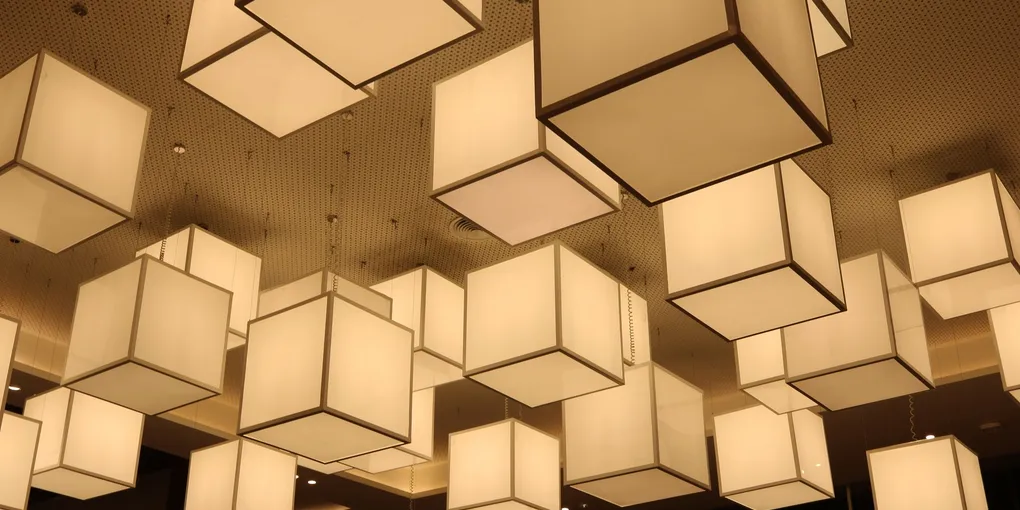
Light fixture installation costs $50–$200 for a simple swap at an existing junction box (electrician labor, 30–60 minutes). Installing new recessed lighting (no existing wiring) runs $150–$300 per can. A full room of 6 recessed lights costs $900–$1,800. Chandelier installation runs $150–$600 depending on height and complexity. New outlet or circuit installation for a room with no existing fixture runs $300–$800 additional.
Frequently Asked Questions
How much does it cost to install a light fixture?
Installing a light fixture at an existing junction box costs $50–$200 for labor (electrician or handyman, 30–60 minutes). If a new circuit or wiring run is needed, add $200–$600 for the electrical work. The fixture itself ranges from $20 (basic ceiling light) to $2,000+ (designer chandelier). Total all-in for a basic ceiling flush-mount swap: $80–$300. All-in for new recessed lighting in a room (6 cans + new circuit): $1,200–$2,500.
How much does recessed lighting installation cost?
Recessed lighting installation costs $100–$250 per light in existing ceilings with attic access (allows fishing wire), or $150–$350 per light in a finished ceiling without attic access (drywall cuts may be needed). A typical 12x16 room with 6 recessed lights runs $600–$1,800 for installation, plus $200–$500 for a new circuit if the room has no overhead lighting. Add $5–$25 per light for LED retrofit trim kits.
How much does chandelier installation cost?
Chandelier installation costs $100–$250 for a standard dining room chandelier at an existing ceiling box (1–2 hours). Chandeliers over 50 lbs require a fan-rated box or medallion brace ($50–$150 to upgrade) and may need a second person for lifting. Two-story foyer chandeliers requiring a ladder/scaffold run $200–$600 for installation alone. The chandelier fixture itself ranges from $100 (basic) to $5,000+ (designer).
Can I install a light fixture myself?
Yes — swapping a light fixture at an existing junction box is a common DIY electrical job that requires only turning off the breaker and connecting 3 wires (black/hot, white/neutral, green or bare/ground). The NEC allows homeowners to do their own electrical work on their own residence in most US jurisdictions. Hire an electrician for: running new circuits, installing fixtures with no existing box, anything near a panel, or if you're not comfortable confirming the breaker is off with a non-contact voltage tester.
How much does outdoor light fixture installation cost?
Installing an outdoor wall light or porch fixture at an existing box costs $75–$200. New outdoor lighting on a new circuit (dusk-to-dawn photocell, motion sensor floodlights, post lights) runs $300–$800 per circuit including trenching for underground wire if required. Landscape path lighting (low-voltage, connected to a transformer) runs $200–$600 for a 6–10 light run — this is DIY-accessible since low-voltage (12V) doesn't require permits or licensed work in most jurisdictions.
Do I need an electrician to install a light fixture?
For a like-for-like fixture swap at an existing properly rated junction box, you do not legally need a licensed electrician in most US jurisdictions — homeowners can do their own electrical work. You do need a licensed electrician for: running new circuits, upgrading the junction box, installing a ceiling fan where there's no existing fan-rated box, or any work requiring a permit. Electricians charge $75–$175/hour; most fixture swaps take 30–60 minutes, so the labor cost is $75–$175 for a simple job.
Light fixture installation costs $50–$200 for a simple swap at an existing junction box (electrician labor, 30–60 minutes). Installing new recessed lighting (no existing wiring) runs $150–$300 per can.
Upgrading lighting is one of the highest-impact, lowest-cost ways to transform a room. A $150 pendant light over a kitchen island — installed in an hour — changes the entire feel of the space. This guide covers what installation costs based on job type and whether you’re swapping at an existing box or adding new fixtures from scratch.
Light Fixture Installation Cost by Fixture Type
| Fixture Type | Labor (at existing box) | New Circuit Add-On |
|---|---|---|
| Flush mount / semi-flush | $50–$150 | +$200–$500 |
| Pendant light (1 fixture) | $75–$200 | +$200–$500 |
| Chandelier (standard height) | $100–$250 | +$200–$500 |
| Chandelier (two-story foyer) | $200–$600 | +$300–$700 |
| Ceiling fan (at existing fan-rated box) | $75–$200 | — |
| Recessed light (per can, existing wiring nearby) | $100–$250 | +$200–$500/circuit |
| Recessed light (per can, attic access) | $75–$175 | +$200–$400/circuit |
| Outdoor wall sconce | $75–$200 | +$250–$600 |
| Under-cabinet lighting (plug-in) | DIY | — |
| Under-cabinet lighting (hardwired) | $150–$400 | +$200–$400 |
| Track lighting system | $150–$400 | +$200–$500 |
Electrician vs. Handyman for Fixture Installation
When to Use a Handyman
A licensed electrician is not legally required in most jurisdictions for fixture swaps at existing properly wired boxes. Handymen charge $60–$100/hour and handle most:
- Flush mount or pendant swap
- Chandelier swap (same weight rating)
- Ceiling fan at an existing fan-rated box
- Outdoor fixture swap at existing weatherproof box
When to Use a Licensed Electrician
Required for: running new circuits, upgrading junction box rating in finished ceilings, adding new recessed lighting without existing wiring, work near the panel, or any work requiring a permit.
Electrician rates: $75–$175/hour depending on market. See electrician cost guide for full rate breakdown.
Recessed Lighting: The Most Popular Upgrade
Recessed lighting in a previously un-lit room is the top request for residential electricians. Cost breakdown for a typical 6-can installation:
| Component | Cost |
|---|---|
| 6 recessed can housings ($15–$25 each) | $90–$150 |
| 6 LED trim kits ($10–$30 each) | $60–$180 |
| New 15A circuit + switch | $200–$500 |
| Electrician labor (4–8 hours) | $300–$900 |
| Permit (if required) | $50–$150 |
| Total | $700–$1,880 |
Attic access makes a significant difference. With attic access, an electrician can fish wire above the ceiling without cutting drywall — reducing labor by 2–4 hours. Without attic access in a finished ceiling, drywall cuts are needed between can locations, adding $50–$150 per hole for patching.
Popular Fixtures Worth Specifying
Kitchen island pendants: Minka-Aire or Kichler mini-pendants in sets of 2–3 run $80–$300 for the set. The most impactful kitchen lighting upgrade per dollar.
LED recessed retrofit kits: Halo or Philips LED retrofit kits convert old incandescent cans to LED in 5 minutes with no wiring — $15–$25 per can. If you already have recessed cans, this is a DIY upgrade.
Smart ceiling lights: Lutron Caséta dimmer + Philips Hue bulbs add smart control to any fixture for $50–$80 per room without replacing the fixture itself.
Outdoor security flood: Ring Floodlight Cam Wired or Kichler LED security floodlight — $80–$250 for fixture + installation at existing outdoor box.
What Affects Installation Cost Most
-
New wiring required: Whether there’s an existing wired junction box or the room needs new electrical work is the single biggest cost factor — it’s the difference between a $150 job and a $1,000 job.
-
Ceiling height: 8-foot ceilings are the baseline. Vaulted or 10+ foot ceilings require taller ladders or scaffolding. Two-story foyer chandeliers often require scaffolding ($200–$500 rental) or long extension ladders.
-
Fixture weight: Fixtures over 35 lbs require a fan-rated box — if one isn’t present, add the box upgrade cost ($50–$150).
-
Attic access: Attic access cuts recessed lighting labor cost by 30–50%.
-
Number of fixtures: Electricians give better per-unit rates for multiple fixtures installed in one visit — 6 recessed lights at once cost less per light than 6 separate service calls.
Regional Cost Variations
Electrician and handyman labor rates drive most of the regional variation in fixture installation costs:
| Region | Simple Fixture Swap (labor) | Recessed Lighting (per can) | 6-Light Recessed Room (total) |
|---|---|---|---|
| Northeast (NY, MA, NJ) | $100–$250 | $175–$400 | $1,200–$2,800 |
| Mid-Atlantic (DC, MD, VA) | $90–$200 | $150–$350 | $1,100–$2,500 |
| Southeast (FL, GA, TX) | $60–$150 | $100–$250 | $750–$1,800 |
| Midwest | $65–$160 | $110–$270 | $800–$2,000 |
| Pacific (CA, WA, OR) | $100–$250 | $175–$400 | $1,200–$2,800 |
Handyman rates (appropriate for fixture swaps at existing boxes) run 30–50% below licensed electrician rates in all markets.
Light Fixture Brand Comparison
| Brand | Price Range | Style Focus | Best For |
|---|---|---|---|
| Kichler | $80–$800 | Transitional, farmhouse, contemporary | Widest selection at mid price; broad retailer availability |
| Hinkley | $150–$2,000 | Contemporary, outdoor, architectural | Higher-end designs; excellent outdoor-rated line |
| Minka Lavery | $100–$1,000 | Transitional, art deco, modern | Good value for design-forward fixtures |
| Progress Lighting | $60–$600 | Transitional, traditional | Best value tier; reliably available at big-box stores |
| Rejuvenation | $150–$2,500 | Period-authentic, Arts & Crafts, mid-century | Best for bungalows, craftsman homes; historically accurate |
| Restoration Hardware (RH) | $300–$5,000 | Minimalist, industrial | Premium statement pieces; significant markup for the brand |
Kichler and Progress Lighting offer the best value for standard installations — broad availability, reasonable parts support, and designs that look appropriate in most homes without the RH or Hinkley premium. For outdoor fixtures, Hinkley has the most durable outdoor-rated line for wet location applications.
Questions to Ask Your Electrician or Handyman
- Is this a fixture swap (same box) or does new wiring need to be run? — confirm which you’re being quoted before comparing bids; these are very different scopes of work
- Is the existing junction box rated for my fixture’s weight? — fixtures over 35 lbs require a fan/heavy-fixture rated box; the installer should verify the existing box rating before installation
- Will you pull a permit if a new circuit is needed? — any new circuit requires a permit; an electrician who won’t pull one is performing unpermitted work
- Are drywall repairs included if holes need to be cut? — for recessed lighting without attic access, drywall cuts are needed between cans; confirm whether patching is included or a separate charge
- What’s the total timeline including the utility coordination or inspection? — new circuits require a permit inspection; understand when that inspection will happen before your walls are closed up
Related Reading
- Electrician Cost
- How to Replace a Light Fixture
- How to Install a Ceiling Light Fixture
- Recessed Lighting Installation Cost — cost to install can lights specifically; $100–$250 per fixture installed
- How Much Does It Cost to Install a Ceiling Fan
- How to Install Under-Cabinet Lighting
- Electrical Panel Upgrade Cost
- How Much Does a Handyman Cost?
- How to Fix a Broken Light Fixture Socket — replace a burned or cracked socket before installing a full new fixture
- Verify the existing junction box rating before buying a fixture
Ceiling junction boxes are rated by weight: standard boxes hold up to 35 lbs; fan-rated boxes hold 50+ lbs. The rating is stamped inside the box. If you're installing a chandelier over 35 lbs or a ceiling fan, the existing box must be fan/heavy-fixture rated — otherwise it can pull out of the ceiling under dynamic load. Upgrading to a ceiling fan brace kit (installed from below, no attic access needed) costs $15–$30 in materials and 30 minutes.
- Turn off the breaker AND verify with a non-contact voltage tester
Flipping the wall switch off is not sufficient — the switch only breaks the hot leg, and the neutral and ground remain live in the box. Turn off the breaker, then hold a non-contact voltage tester near the wires in the box. If it beeps or lights up, you have the wrong breaker off. Non-contact testers cost $15–$30 and are non-negotiable for safe electrical work. Never assume power is off without testing.
- Match wire gauge and connection type to the original installation
Most residential lighting circuits use 14-gauge wire on a 15-amp breaker, or 12-gauge wire on a 20-amp breaker. The wire nut colors in the box indicate gauge: blue wire nuts for 14 AWG, orange for 12 AWG. When connecting a new fixture, use the same wire nut type as the original. Smart bulb systems and LED drivers sometimes require a neutral wire — verify the box has a neutral (white wire) before buying smart fixtures that require one.
- Use a mounting brace if the box location doesn't land on a joist
For chandeliers or pendant lights, the junction box must be secured to framing (joist or brace) — not just drywall. If the existing box is old-work drywall-mounted (no joist), it must be upgraded to a fan-rated adjustable brace installed between joists from below ($15–$25 at hardware stores). The Westinghouse 0105500 and Simpson Strong-Tie fan brace kits expand between joists through the existing box hole without ceiling drywall work.
- For recessed lighting, plan the layout before cutting holes
Standard recessed light spacing: 4 feet apart, 2 feet from walls, for even illumination. In a 12x16 room, 6 lights in a 2x3 grid covers the room. Mark all hole locations with a pencil first, then use a stud finder to confirm no joists are in the way before cutting. 4-inch recessed cans are popular for task lighting; 6-inch for ambient. IC-rated cans (safe for contact with insulation) are required if the ceiling has insulation above.
Free: 10-Point Home Maintenance Checklist
Prevent costly repairs with this seasonal checklist. Save hundreds every year by catching problems early.
Your checklist is ready!
Open Checklist →Something went wrong. View the checklist here.