Electrical Panel Upgrade Cost 2026: $1,500–$4,000 — Signs, Permits & Getting Bids
Panel upgrade 100A→200A: $1,500–$4,000 installed. Full replacement $1,200–$2,500. Subpanel add-on $500–$1,500. 5 signs you need an upgrade now (flickering lights, tripping breakers, 2-prong outlets). Permit costs, how to find a licensed electrician, and bid comparison guide.
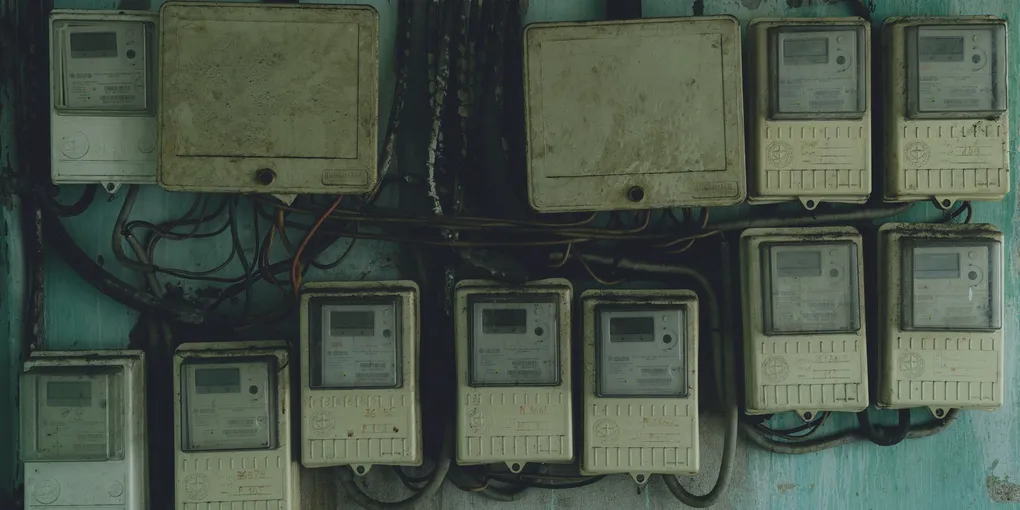
Electrical panel upgrade costs $1,500–$4,000 for a 100A to 200A upgrade. A full panel replacement (same amperage) costs $1,200–$2,500. Adding a 100A subpanel runs $500–$1,500. 400A service for large homes or EV charging runs $3,000–$6,000+. The main cost drivers are panel amperage, local permit and inspection fees, utility company meter upgrade (if needed), and whether existing wiring needs work. Always hire a licensed electrician.
Frequently Asked Questions
How much does it cost to upgrade from 100A to 200A electrical service?
A 100A to 200A panel upgrade costs $1,500–$4,000. This includes the new 200A panel, breakers, labor, permit, and inspection. If the utility company needs to upgrade the service drop or meter socket, add $500–$1,500 — this portion is sometimes done by the utility at no charge, sometimes as a billable upgrade. Homes with 100A service are under-powered for modern appliances, EV charging, and air conditioning.
How do I know if I need an electrical panel upgrade?
Signs you need a panel upgrade: breakers trip frequently under normal load, you're adding a major appliance (EV charger, hot tub, central AC), you have a Federal Pacific Stab-Lok or Zinsco panel (both have documented safety issues), your home still has a fuse box, or an inspector or insurer has flagged the panel. Adding an EV charger on a 100A service often requires an upgrade to prevent tripping the main breaker.
What is the difference between a panel upgrade and a panel replacement?
A panel replacement swaps the existing panel for a new one at the same amperage — typically to replace a problematic panel brand (Federal Pacific, Zinsco) or a worn-out panel. This costs $1,200–$2,500. A panel upgrade increases both the panel amperage and the service entrance from the utility, requiring coordination with the power company and new service entrance wiring. This costs $1,500–$4,000.
How long does an electrical panel upgrade take?
Most panel upgrades take 4–8 hours for the electrician, plus the utility must disconnect and reconnect power at the meter. Plan for a full day without power. If the utility needs to upgrade the meter base or service drop, scheduling their work may add 1–3 weeks to the project timeline. Permits are pulled before work starts; inspection happens after completion.
Are there dangerous electrical panels I should replace immediately?
Yes. Federal Pacific Electric (FPE) Stab-Lok panels (common in homes built 1950–1990) have documented breaker failure rates and are linked to house fires. Zinsco/GTE-Sylvania panels (1960s–70s) have similar issues. Both should be replaced regardless of age. If your home has either brand, most insurers will require replacement for coverage. Replacement cost: $1,500–$3,000.
Do I need a permit to upgrade my electrical panel?
Yes, always. An electrical panel upgrade requires a permit and inspection in every US jurisdiction. The permit triggers an inspection by the local electrical inspector who verifies the work meets code. Skipping the permit is illegal, can void homeowner's insurance, and creates disclosure issues when selling. The permit cost is typically $100–$300 and is included in most contractor quotes.
Electrical panel upgrade costs $1,500–$4,000 for a 200-amp service upgrade in 2026, including labor and materials. A 100A→200A panel upgrade runs $1,500–$2,500. Replacing a failed or recalled panel (Zinsco, Federal Pacific) runs $2,000–$4,000. A new subpanel installation adds $500–$1,500 to any project. All panel work requires a licensed electrician and permit — no DIY.
The electrical panel is the nerve center of your home’s power — when it’s undersized or defective, it limits what you can run, trips breakers constantly, and poses a real fire risk. Upgrading from 100A to 200A service is one of the most common projects in homes built before 1980.
Electrical Panel Upgrade Costs by Service Level
| Upgrade Type | Average Cost |
|---|---|
| Panel replacement (same amps, problem brand) | $1,200–$2,500 |
| 100A to 200A service upgrade | $1,500–$4,000 |
| 200A panel replacement | $1,500–$3,000 |
| 200A to 400A service upgrade | $3,000–$6,000+ |
| Subpanel (100A) addition | $500–$1,500 |
| Subpanel (200A) addition | $1,000–$2,500 |
| Fuse box to breaker panel conversion | $1,500–$3,500 |
What’s Included in the Price
A complete panel upgrade includes:
- New panel and main breaker
- Circuit breakers (typically 20–40 slots)
- Service entrance cable (from meter to panel)
- Grounding and bonding updates to current code
- Permit and inspection fee
- Utility coordination (electrician handles the scheduling)
What’s sometimes extra:
- Meter base upgrade (if utility requires it): $300–$800
- Additional circuits added during upgrade: $100–$300 each
- Load calculation by engineer (required for some 400A upgrades): $200–$500
- Panel relocation: $500–$1,500
The Dangerous Panel Brands to Know
Federal Pacific Electric (FPE) Stab-Lok: Installed in an estimated 28 million US homes from the 1950s through the 1980s. Breakers have documented failure rates — they may not trip during an overload, allowing wiring to overheat. Multiple studies and fire investigations have identified FPE panels as a fire hazard. Insurance companies increasingly refuse to cover homes with FPE panels.
Zinsco (also sold as GTE-Sylvania): Common in 1960s–70s construction. Same problem: breakers that fail to trip under fault conditions, plus aluminum bus bars that can overheat at connections.
If you have either brand, replacement is recommended regardless of age or apparent condition. Replacement cost ($1,500–$3,000) is worth it relative to the fire risk and insurance exposure.
How to Read Your Panel Data Plate
Every panel has a data plate inside the door listing:
- Main breaker amperage (100, 150, 200, 400A) — your current service level
- Maximum number of circuits (slots in the panel)
- Panel brand and model — needed for matching breakers if adding circuits
- Voltage (120/240V for residential)
If the main breaker is labeled 100A and you’re running central AC, an EV charger, or a large electric range, you may already be at or near capacity.
EV Charging and 200A Service
This is the most common driver of panel upgrades in 2024–2026. A Level 2 EV charger (the standard home 240V charger) draws 24–48 amps continuously — a significant load on a 100A service panel that also powers the rest of the house.
Typical EV charging circuit: A dedicated 50A, 240V circuit can charge most EVs at 25–30 miles of range per hour. Adding this circuit to a 100A service leaves minimal headroom when HVAC, stove, and water heater are running.
Options:
- Upgrade to 200A service + add 50A EV circuit: $2,000–$5,000 total
- Install a smart EV charger with load management (monitors total home draw and throttles charging): $800–$1,500 for charger + $300–$600 for circuit — avoids panel upgrade in many cases
The Emporia Level 2 EV Charger with load management is a popular option for homeowners who want to avoid or defer a panel upgrade.
Subpanel vs. Full Upgrade
If you need more circuits in a specific area (garage, workshop, addition) but your main panel is otherwise adequate, a subpanel is a cost-effective alternative to a full service upgrade.
A 100A subpanel fed from your main panel costs $500–$1,500 and provides 20–24 circuit slots. It’s the right solution for:
- A detached garage or workshop
- A home addition
- A basement finish
- Any area requiring 4+ new circuits
A subpanel doesn’t increase total service capacity — if your main panel is already 100A, you’re still running on 100A total. It just organizes circuits better and reduces wiring runs.
Regional Cost Variations
Panel upgrade costs track local electrician labor rates and permit fee structures:
| Region | 100A to 200A Upgrade | Panel Replacement (same amps) | 200A Subpanel |
|---|---|---|---|
| Northeast (NY, MA, NJ) | $2,200–$5,000 | $1,800–$3,500 | $700–$2,000 |
| Mid-Atlantic (DC, MD, VA) | $2,000–$4,500 | $1,600–$3,200 | $650–$1,800 |
| Southeast (FL, GA, TX) | $1,400–$3,200 | $1,100–$2,400 | $450–$1,300 |
| Midwest | $1,500–$3,500 | $1,200–$2,600 | $500–$1,400 |
| Pacific (CA, WA, OR) | $2,200–$5,000 | $1,800–$3,500 | $700–$2,000 |
California and New York have the highest permit fees ($150–$400) and longest utility coordination timelines. Rural areas run 20–30% below the regional average due to lower labor rates.
Panel Brand Comparison
| Brand | Common Lines | Reliability | Price Range | Notes |
|---|---|---|---|---|
| Square D (Schneider Electric) | QO, Homeline | Excellent | Mid–High | QO is top-tier residential; Homeline is value |
| Eaton (Cutler-Hammer) | BR, CH | Excellent | Mid | CH is commercial-grade; BR is standard residential |
| Siemens | SN, PL | Excellent | Mid | Widely distributed; good parts availability |
| Leviton | Load Center | Good | Mid | Newer entrant; solid for standard residential |
| GE (ABB) | PowerMark | Good | Mid | Being phased out in some markets |
| Federal Pacific (FPE) | Stab-Lok | Do Not Use | N/A | Replace immediately — documented fire hazard |
| Zinsco | Various | Do Not Use | N/A | Replace immediately — documented fire hazard |
Square D QO is the gold standard for residential panel quality — breakers have a higher interrupt rating and the panel design has remained consistent for decades, making it easy to find matching breakers at any hardware store. Most professional electricians default to Square D QO or Eaton CH for quality installs.
EV Charger Options If You’re Upgrading the Panel
| Charger | Price | Amps | Load Management | Best For |
|---|---|---|---|---|
| Emporia Level 2 Smart Charger | $250–$350 | 48A | Yes (built-in) | Homeowners avoiding panel upgrade |
| ChargePoint Home Flex | $500–$700 | 50A | No | Reliable; wide vehicle compatibility |
| Wallbox Pulsar Plus | $400–$600 | 48A | Yes (via app) | Compact; good for tight garage spaces |
| Tesla Wall Connector | $425–$550 | 48A | Yes (fleet mode) | Tesla vehicles primarily |
| JuiceBox 48 | $500–$700 | 48A | Yes | Strong app; good scheduling features |
If you’re upgrading to 200A and adding EV charging, have the electrician install a 50A, 240V dedicated circuit to a NEMA 14-50 outlet — most chargers plug into this standard outlet. Hardwired chargers add $100–$200 to the charger installation.
Questions to Ask Your Electrician
- Is the utility coordination and meter upgrade included in your quote? — some bids exclude utility scheduling; if the utility needs to replace the meter base, who handles that cost?
- What panel brand and product line are you installing? — confirm Square D QO, Eaton CH, or Siemens SN; avoid brand substitution with discount panels
- How many circuit slots will the new panel have? — minimum 40 slots for a 200A panel; 60 slots if you expect to add circuits for EV, hot tub, workshop
- Is the service entrance cable included? — some low bids quote panel only; the service entrance wire from the meter to the panel must be replaced to code on any upgrade
- Can you add the circuits I need while the panel is open? — each additional circuit costs $100–$300 during a panel upgrade vs. $300–$600 as a standalone job later; provide a list of planned additions (EV charger, hot tub, garage circuits)
Related Reading
- Electrician Cost
- EV Charger Installation Cost
- How to Fix a Broken Circuit Breaker
- How to Reset a Tripped Circuit Breaker
- Hot Tub Installation Cost
- How to Add an Outdoor Water Spigot
- Whole House Generator Cost — budget for standby generator installation when upgrading the panel to support one
- Best Portable Generators for Home Backup — transfer switch installation requires a panel upgrade
- Determine your current and needed amperage
Check the main breaker in your current panel — the number stamped on it (100, 150, 200) is your current service amperage. Most homes built before 1980 have 100A service; most modern homes have 200A. Calculate your load: a 200A service supports roughly 40,000 watts of simultaneous use. For homes with central AC, electric range, electric water heater, and EV charging, 200A is the minimum; large homes should consider 400A.
- Check with your utility company first
Call your utility before hiring an electrician. The utility owns the service drop (wires from the street) and the meter. Many utilities will upgrade the service entrance wire at no charge; others charge $500–$1,500. Some utilities have a 2–6 week scheduling backlog for meter upgrades — this affects your project timeline. The utility must disconnect power before your electrician can work on the service entrance.
- Get three bids from licensed electricians
Panel work must be done by a licensed electrician in virtually every jurisdiction. Get at least three bids; prices vary 30–50% between contractors in the same market. The bid should include: new panel, breakers, permit fees, coordination with the utility, and labor. Ask specifically whether the service entrance cable replacement is included — some low bids omit this.
- Ask about adding circuits while the panel is open
A panel upgrade is the ideal time to add circuits you've been putting off — adding a 240V circuit for an EV charger, a dedicated circuit for a hot tub, or separating overloaded kitchen circuits. Adding circuits during an upgrade costs $100–$300 each vs. $300–$600 for a standalone service call later. Discuss your 5-year appliance plans with the electrician before the panel is installed.
- Plan for the inspection
After installation, the electrician schedules a building department inspection. The inspector checks panel wiring, proper breaker sizing, grounding, and code compliance. If items fail inspection, the electrician must correct them before approval. Most professional electricians pass inspection on the first visit. Keep the inspection report — you'll need it for insurance updates and future home sale disclosure.
Free: 10-Point Home Maintenance Checklist
Prevent costly repairs with this seasonal checklist. Save hundreds every year by catching problems early.
Your checklist is ready!
Open Checklist →Something went wrong. View the checklist here.