How to Landscape a Backyard: Planning, Grading, and Planting for Beginners
A step-by-step guide for homeowners who want to plan, grade, and plant a backyard landscape from scratch — including zone layout, soil prep, hardscape sequencing, and a phased approach for tight budgets.
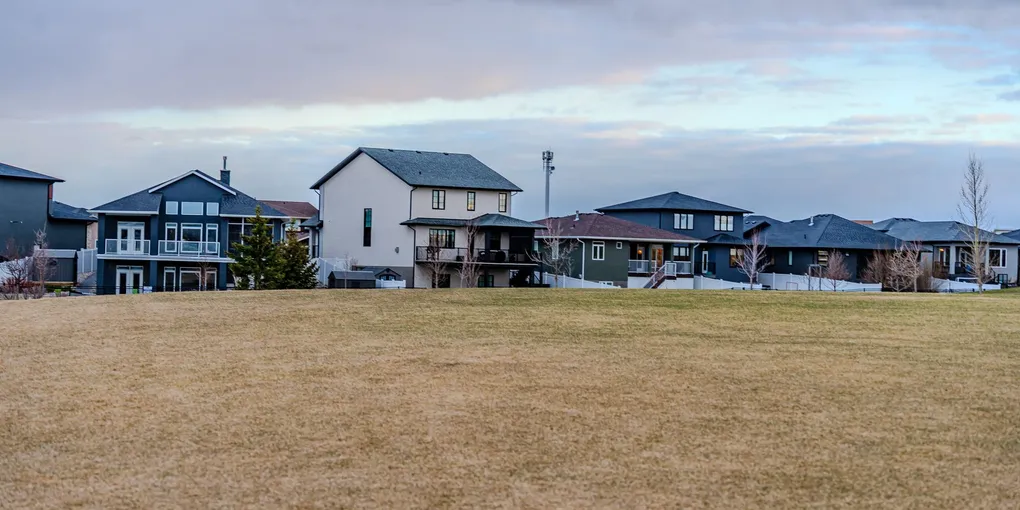
Most backyards are improved 80% by getting three things right: a flat, even lawn with no standing water, clearly defined planting beds with crisp edges, and a consistent layer of mulch over everything. The rest is refinement.
Most backyards are improved 80% by getting three things right: a flat, even lawn with no standing water, clearly defined planting beds with crisp edges, and a consistent layer of mulch over everything. The rest is refinement. This guide walks through every step from blank yard to finished landscape, including how to phase it if you’re working within a budget.
What You Need
- Landscape fabric / weed barrier
- Metal garden edging
- Wheelbarrow
- Garden shovel / spade
- Bulk mulch or mulch delivery
- Soil pH test kit
Step 1: Create a Simple Plan
Do not start at the garden center. Start with a piece of paper.
Walk the yard and draw a rough outline. Mark the house, any existing trees, fences, gates, and utility boxes. Then define the zones you want:
- Lawn area — where grass will grow
- Planting beds — foundation beds, island beds, or border beds
- Patio or hardscape — any paved, gravel, or decked surface
- Utility zone — HVAC units, trash storage, compost, tool shed
Decide on the overall shape. Curved beds look natural but take more edging and mulch to maintain. Straight lines are easier to mow and edge around. Pick one and be consistent throughout the yard.
Once you have zones on paper, estimate square footage for each. You will need this to order materials.
Step 2: Mark Utility Lines
Before any digging — even for edging — call 811. This is the national “Call Before You Dig” hotline. A locator will come out within a few days and mark buried gas, electric, water, and telecom lines with paint or flags. It is free, and it is required by law in most states.
This step saves lives. Do not skip it because you are only digging a few inches. Irrigation and low-voltage lines are shallow.
Step 3: Grade for Drainage
Poor drainage ruins lawns, drowns plants, and causes foundation problems. Before any planting, confirm your yard drains away from the house.
The standard: 6 inches of drop per 10 feet of horizontal run, measured away from the foundation.
How to check:
- Place a 10-foot 2x4 on the ground with one end against the house foundation.
- Hold a level on top of the board.
- When the board is level, measure the gap between the far end of the board and the ground.
- That gap should be at least 6 inches.
Check this in multiple directions around the house. Also walk the yard after a heavy rain and identify any areas where water pools for more than an hour or two.
How to fix:
- Low spots in the yard: Fill with clean topsoil or a topsoil/compost blend. Compact each 2-inch layer before adding more. Do not just pile soil and plant over it — it will settle unevenly.
- Slope running toward the house: This is the more serious problem. Excavate soil away from the foundation and regrade, or install a French drain to intercept and redirect the water.
- Compacted clay that won’t drain: Till the area and work in compost to break up compaction before seeding or planting.
Do not install plants or sod until you have verified drainage is correct. Fixing grade after planting is far harder and more expensive.
Step 4: Define Your Zones
Once grading is confirmed, physically mark your zones in the yard. Use landscape paint, marking flags, or a garden hose laid on the ground to define the outlines of each bed and the lawn perimeter.
Lawn area: This is whatever is left after you define the beds and hardscape. Keep lawn shapes simple — complex curved areas are hard to mow efficiently. A central open rectangle or oval with beds at the perimeter is the easiest layout to maintain.
Planting beds: Keep beds at least 3 feet wide so plants have room to mature and you can reach the back for maintenance. Foundation beds along the house should be wider, not narrower — a 6-foot-wide foundation bed looks intentional; a 2-foot-wide one looks like an afterthought.
Patio and hardscape: Measure the space you actually need. A 10x10 patio fits four chairs and a small table. A 12x16 fits a dining table. Mark it out with stakes and string to confirm it feels right before you excavate.
Utility zone: Designate a corner or edge of the yard for HVAC equipment, trash cans, and storage. Screen it with a simple fence panel or a row of dense shrubs. Do not mix this zone with your main planting areas.
Step 5: Prepare the Soil
Good soil prep determines how well plants establish and how much you will have to water and fertilize for the next several years.
Test the pH first. Most ornamental plants and lawn grasses prefer a pH of 6.0–7.0. Use a basic soil test kit to check. If your soil is too acidic (below 6.0), add ground limestone. If it is too alkaline (above 7.5), add elemental sulfur or acidifying fertilizer.
Amend planting beds:
- Remove any existing grass and debris from bed areas.
- Till the soil to a depth of 8–12 inches.
- Work in 3–4 inches of compost.
- For very compacted or clay-heavy soil, also add coarse sand and more compost to improve drainage.
Lawn areas: If you are seeding or laying sod, till the top 4–6 inches, remove rocks, and rake smooth. Add compost if the soil is poor. The final grade should be 1 inch below any hard edges (sidewalks, edging strips) so sod or soil sits flush once installed.
Do not fertilize heavily before planting. Let plants establish for a few weeks, then fertilize based on your soil test results.
Step 6: Install Hardscape First
Always install hardscape — patios, paths, edging — before plants. This is the rule that most beginners get wrong.
If you install plants first, you will damage them when you bring in equipment, wheelbarrows, and heavy materials. Edging installed after plants is harder to align correctly and often disturbs roots.
Edging: Metal edging gives the cleanest, most durable edge between beds and lawn. Install it along every bed perimeter, driving stakes every 2–3 feet. The top of the edging should sit just at or slightly above finished soil level.
Patios and paths: Install on a compacted gravel base, not on loose soil. Skipping the base is the most common reason pavers sink and shift within a few years.
Order of hardscape installation: large patio first, connecting paths second, edging for beds third. Get materials in and compacted before any softscape work begins.
Step 7: Plant Trees and Shrubs
Plant the largest plants first. Trees and large shrubs define the structure of the landscape and need to be placed before anything else.
Placement rules:
- Check mature spread, not just mature height. A shrub labeled “6 feet tall” may spread 8 feet wide. Space accordingly.
- Keep trees at least 10–15 feet from the foundation, depending on species.
- Place tall plants at the back of beds, shorter ones in front.
Planting depth: Dig the hole twice as wide as the root ball but no deeper. The top of the root ball should sit at or slightly above grade — never below. Planting too deep is one of the leading causes of tree and shrub death.
Backfill with the native soil you removed. Do not amend the backfill heavily; it can cause roots to stay in the amended zone rather than spreading out. Water thoroughly at planting and again every few days for the first two weeks.
Step 8: Add Perennials and Ground Cover
Once trees and shrubs are in, fill in with perennials and ground cover.
Choose by zone and sun exposure. Note how many hours of direct sun each area receives before buying plants. Most ornamental perennials need 6+ hours. Shade areas need plants specifically suited to low light.
Ground cover options for common situations:
- Sun, dry soil: Sedums, creeping thyme, ice plant
- Sun, average soil: Daylilies, coneflower, salvia, ornamental grasses
- Part shade: Hostas, astilbe, coral bells
- Full shade: Liriope, pachysandra, ferns, sweet woodruff
Plant perennials at the same depth they were growing in the nursery pot. Space them at their recommended mature spread — they will look sparse the first year but fill in by year two or three. Resist the urge to overplant. Crowded perennials compete, and then you are dividing and moving everything within two seasons.
Step 9: Mulch Everything
Mulch is the single highest-return task in landscaping. A 2–3 inch layer of mulch across all bed areas:
- Suppresses weeds by blocking light
- Retains soil moisture (cuts watering needs significantly)
- Moderates soil temperature
- Breaks down over time and improves soil structure
Application rules:
- Apply 2–3 inches deep across all bed areas
- Keep mulch at least 2–3 inches away from plant stems and tree trunks — direct contact promotes rot and pest damage
- Do not apply landscape fabric under mulch in planting beds — it prevents organic matter from reaching the soil and eventually becomes a maintenance problem as it shreds and weeds grow through it. Use it under gravel paths and hardscape areas only.
Shredded hardwood bark mulch is the most commonly available and appropriate for most planting beds. Pine straw works well in acid-loving plant areas. Avoid dyed black or red mulch — it adds no value and the dye fades unevenly.
Budget for more mulch than you expect. A standard bed 3 feet wide by 20 feet long needs roughly 1.5–2 cubic yards to achieve 3 inches of coverage.
Phasing the Project
If budget is the constraint, phase the project over two years rather than doing a partial job on everything at once.
Year 1 priorities:
- Grade the entire yard — this is non-negotiable and must happen before anything else
- Install all edging to define beds
- Seed or sod the lawn area
- Install the patio or primary hardscape if budget allows
- Mulch all bed areas (even empty ones — this controls weeds and defines the space)
- Plant one or two anchor trees or large shrubs in key positions
Year 2:
- Fill in planting beds with shrubs, perennials, and ground cover
- Add secondary paths or features
- Refine edging and bed shapes as the design evolves
- Remulch (mulch needs refreshing annually)
The year 1 approach accomplishes something important: it eliminates the worst problems (standing water, no definition, weeds) without requiring you to spend everything at once. A mulched and edged empty bed looks intentional and put together. Half-planted beds with bare soil do not.
Related Reading
- How to Lay a Paver Patio
- How to Build a Raised Garden Bed
- How to Lay Sod
- How to Build a Fence
- How to Aerate a Lawn
- Best Lawn Mowers for Homeowners — choose the right mower for your new lawn layout
- How to Stain a Deck — refinish the deck as part of the backyard landscape refresh
- Sprinkler System Installation Cost — add irrigation as part of the full backyard landscape plan
- Create a Simple Plan
Do not start at the garden center. Start with a piece of paper.
- Mark Utility Lines
Before any digging — even for edging — call 811. This is the national "Call Before You Dig" hotline. A locator will come out within a few days and mark buried gas, electric, water, and telecom lines with paint or flags.
- Grade for Drainage
Poor drainage ruins lawns, drowns plants, and causes foundation problems. Before any planting, confirm your yard drains away from the house.
- Define Your Zones
Once grading is confirmed, physically mark your zones in the yard. Use landscape paint, marking flags, or a garden hose laid on the ground to define the outlines of each bed and the lawn perimeter.
- Prepare the Soil
Good soil prep determines how well plants establish and how much you will have to water and fertilize for the next several years.
- Install Hardscape First
Always install hardscape — patios, paths, edging — before plants. This is the rule that most beginners get wrong.
Free: 10-Point Home Maintenance Checklist
Prevent costly repairs with this seasonal checklist. Save hundreds every year by catching problems early.
Your checklist is ready!
Open Checklist →Something went wrong. View the checklist here.