Best Lawn Mowers for Homeowners in 2026: Battery, Gas, Robot
2026 best lawn mowers for homeowners: top battery, gas, self-propelled, and robot picks for small, medium, and large yards. Deck size, runtime, and bagging compared.
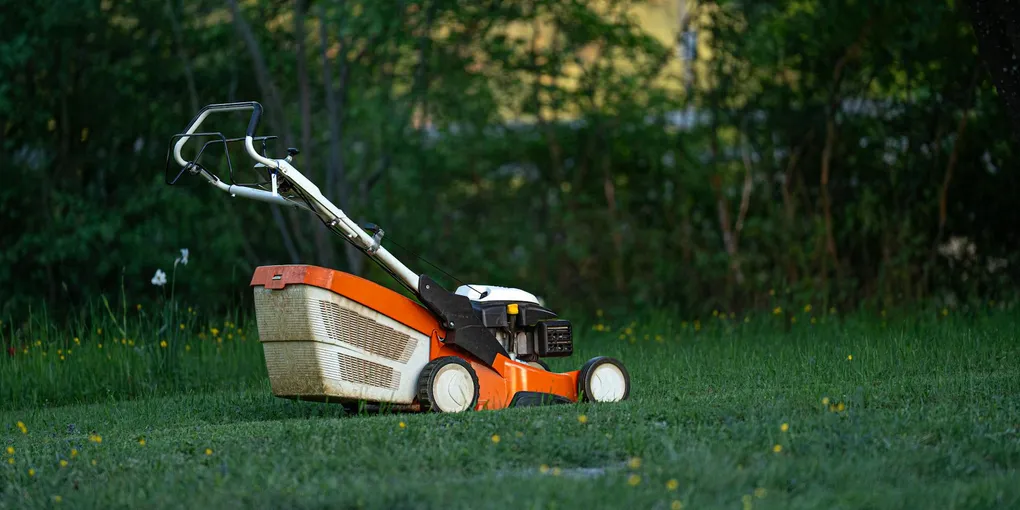
For most homeowners in 2026, the best lawn mower is the EGO LM2135SP 21-inch self-propelled battery mower — quiet, no gas hassles, and handles up to 1/3 acre on one charge. For larger yards or tall wet grass, the Honda HRX217K6VKA 21-inch gas self-propelled still beats electrics on raw power. Budget pick: the Greenworks Pro 80V 21-inch for under $500. Small-yard pick: the Sun Joe MJ401E for under $150.
Frequently Asked Questions
What size lawn mower do I need?
Match deck width to yard size: 14-17 inch for tiny yards under 2,500 sq ft. 18-20 inch for up to 1/4 acre. 21-22 inch for up to 1/2 acre. 22-26 inch for up to 1 acre. For anything over 1/2-1 acre, a riding mower is the productive choice. Battery mowers top out at 21-22 inch for residential use.
Battery or gas lawn mower?
For yards under 1/2 acre, modern battery mowers (EGO, Ryobi HP, Greenworks Pro) are the better pick: quieter, no gas/oil, instant start, easier maintenance. For larger yards, tall wet grass, or anyone who prefers the familiarity of gas, a quality gas mower (Honda, Toro) still has advantages in runtime and peak torque.
Are robot lawn mowers worth it?
For yards under 1/2 acre with moderate complexity, yes. A Husqvarna Automower or Worx Landroid ($1,500-$4,000) runs continuously, delivers a better cut than weekly mowing, and frees up 1-2 hours per week. Downsides: upfront cost, installation of boundary wire (or GPS setup), limited uphill performance, and risk of theft if stored outside.
How long do lawn mowers last?
Quality gas push mowers: 8-12 years. Self-propelled gas: 8-10 years. Battery mowers: 6-10 years (limited by battery cycle life, usually 500-800 cycles). Robot mowers: 8-10 years with 1-2 battery replacements. Maintenance matters more than any other factor — oil changes, sharpening blades, and cleaning the deck.
Should I bag, mulch, or side-discharge clippings?
Mulching is best for lawn health — clippings return nitrogen to the soil. Bag if the grass is too tall (over 1/3 the blade height) or you're battling a lawn disease. Side-discharge when cutting tall grass quickly. A 3-in-1 mower can do all three. Most homeowners are best served by mulching the majority of the time.
EGO vs Ryobi vs Greenworks — which battery lawn mower brand is best in 2026?
For most homeowners: EGO is the best all-around battery lawn mower brand in 2026. Here's how the three compare: EGO (56V platform): best power and runtime — the LM2135SP handles up to 1/3 acre per charge, steel deck, widest EGO tool ecosystem. Best for: medium to large yards (5,000–15,000 sq ft) where you want top-tier performance. $550–$750 with battery. Ryobi (40V and 40V HP platforms): best value for homeowners already in the Ryobi ecosystem — the 40V HP 21-inch brushless is excellent and shares batteries with 150+ Ryobi tools. Best for: existing Ryobi users or budget-focused buyers. $350–$500. Greenworks (80V platform): closest to EGO in power at a lower price — good choice if EGO is out of budget, but smaller ecosystem. Best for: budget-conscious buyers who want near-EGO performance. $400–$500. Summary: Buy EGO for the best performance; Ryobi if you already own their tools; Greenworks as the budget runner-up. Avoid buying into a smaller brand ecosystem (Kobalt, Hart) unless the deal is exceptional — battery compatibility matters when the mower needs a second battery 5 years from now.
What is the best self-propelled lawn mower for hills in 2026?
The best self-propelled mowers for hills in 2026: Best battery for hills: EGO LM2135SP — variable-speed self-propelled drive, heavy rear-wheel traction, and enough torque to handle 15–20 degree slopes without bogging. Best gas for hills: Honda HRX217K6VKA — Honda GCV200 engine and Select Drive variable-speed handle steep, wet slopes better than any battery mower in its class. Key specs to look for on slopes: rear-wheel drive (not front-wheel — FWD loses grip going uphill), variable-speed (not single-speed), at least a 21-inch deck for stability, and high-torque brushless motor (battery) or large-displacement engine (gas). Mowers to avoid on hills: corded electric (cord management on slopes is dangerous), lightweight push mowers (hard to control going downhill), and small-deck budget mowers (less stable). For slopes steeper than 20 degrees: consider a wheeled string trimmer or a robot mower rated for 35%+ slopes (Husqvarna Automower 430XH handles 35-degree inclines).
The best lawn mower for most homeowners in 2026 is the Honda HRX217VKA ($550–$650) — a self-propelled gas mower with a NeXite deck that won’t rust or dent, and a variable speed drive that adapts to your walking pace. For electric, the EGO LM2135SP ($500–$550) matches gas performance with zero maintenance. Budget pick for yards under ½ acre: the Greenworks 21-inch cordless ($280–$320). Expect to pay $200–$800 for a quality push mower, $400–$1,200 for self-propelled.
A good lawn mower lasts a decade. A bad one becomes a garage headache fast. This roundup picks the best mowers for 2026 across yard sizes, power sources, and budgets, and explains the specs that actually matter.
Best Overall Battery Mower: EGO LM2135SP
The EGO LM2135SP 21-inch self-propelled battery mower is the mower I recommend for most homeowners in 2026.
Specs:
- 21-inch steel deck
- 56V EGO battery (7.5Ah included)
- ~60 minutes runtime on high grass
- Variable-speed self-propelled drive
- 3-in-1: mulch, bag, side-discharge
- Folds flat for vertical storage
Why it wins: Handles up to 1/3 acre on one 7.5Ah battery. Two batteries gets you half an acre easily. Cutting power is genuinely comparable to a gas mower. Steel deck is more durable than competitors’ plastic decks. Self-propelled drive is smooth and responsive. Folds for compact storage.
Tradeoffs: $550-$750 with battery. Batteries are the ongoing cost — expect $150-$250 to replace in 5-8 years.
Best Gas Self-Propelled: Honda HRX217K6VKA
The Honda HRX217 21-inch self-propelled gas mower has been the best gas residential mower for a decade running. The 2026 model continues that.
Specs:
- 21-inch microcut twin-blade deck
- Honda GCV200 engine
- Select Drive variable-speed self-propelled
- 4-in-1 Versamow system (mulch + bag + shred + side-discharge)
- Roto-Stop blade clutch (engine runs, blade stops)
- Adjustable handle height
Why it wins: Twin-blade deck creates exceptionally fine mulched clippings — healthier lawn. Honda engine is the gold standard for reliability. Roto-Stop lets you empty the bag or cross driveways without restarting. Serves 10+ years with basic maintenance.
Tradeoffs: $700-$900. Expensive. Needs oil changes, fuel stabilizer, winter prep.
Best Budget Battery: Greenworks Pro 80V 21-inch
The Greenworks Pro 80V 21-inch self-propelled battery mower hits a great price point.
Specs:
- 21-inch steel deck
- 80V Greenworks battery (4.0Ah or 5.0Ah included)
- 45-60 minutes runtime
- Self-propelled with variable speed
- 3-in-1 capability
- Brushless motor
Why it wins: Full-size battery mower for $400-$500. Power is close to EGO at a lower price. 80V platform covers most yard needs.
Tradeoffs: Battery ecosystem is smaller than EGO/Ryobi. Runtime slightly shorter than EGO with comparable Ah.
Best Budget Push Mower: Sun Joe MJ401E
For small yards or urban homeowners, the Sun Joe MJ401E 14-inch electric mower is the budget champion.
Specs:
- 14-inch deck
- Corded electric (100+ ft outdoor extension needed)
- 12-amp motor
- 4-position height adjustment (1.5-3 inches)
- 10.6-gallon bag
- Under $150
Why it wins: Cheapest, simplest, lightest reliable mower. No maintenance. No gas. Just plug in and mow. Perfect for yards under 2,500 sq ft.
Tradeoffs: Corded limits reach. 14-inch deck is slow on larger yards. Basic bagging only — no self-propel.
Best Small-Yard Battery Push: Ryobi 40V 20-inch HP Brushless
The Ryobi 40V 20-inch HP brushless push mower is a sweet spot for small-to-medium yards.
Specs:
- 20-inch steel deck
- 40V Ryobi HP battery
- 45+ minutes runtime
- Brushless motor (quieter, more efficient)
- Push (not self-propelled)
- 3-in-1
Why it wins: $350-$450 range. Ryobi 40V is a massive battery ecosystem — if you own any other Ryobi tools, the batteries stack. Brushless motor matches gas power on typical lawns.
Tradeoffs: Not self-propelled — tiring on slopes or large yards. 20-inch deck vs. 21-inch competitors.
Best Robot Mower: Husqvarna Automower 430XH
The Husqvarna Automower 430XH is the best serious-property robot.
Specs:
- Covers up to 0.8 acres
- GPS-assisted navigation
- Handles 35% slopes
- Rain sensor (returns to dock if raining)
- Weather-timer cutting schedule
- App control (iOS/Android)
Why it wins: Cuts little and often — the lawn looks groomed all the time. Quiet operation suits urban/suburban neighborhoods. Handles irregular yards well once the boundary wire is installed.
Tradeoffs: $3,500-$4,500 total installed. Boundary wire installation is a weekend project (or pro install for $400-$800). Robot theft is a real concern — use GPS tracking and PIN locks.
Best Budget Robot: Worx Landroid WR150
The Worx Landroid WR150 robot mower is the value pick.
Specs:
- Covers up to 1/2 acre
- Boundary wire navigation
- 20V Power Share battery (compatible with Worx tools)
- Smart scheduling via app
- Handles 20-degree slopes
Why it wins: $1,200-$1,500, about 1/3 the price of Husqvarna. Works with existing Worx 20V batteries. Solid for simple rectangular yards.
Tradeoffs: Weaker slope handling than Husqvarna. Smaller, less durable. More frequent battery swaps.
Best Reel Mower: Scotts 20-inch Reel Mower
For small, flat, well-maintained lawns, the Scotts 20-inch classic reel mower is a quiet, eco-friendly pick.
Specs:
- 20-inch cutting width
- 5-blade reel
- 1-3 inch cutting height
- No motor, no battery, no gas
- ~$150
Why it wins: Silent. Zero emissions. Cuts grass cleanly (reel mowers actually cut the blade rather than tearing, which is better for lawn health). Minimal maintenance.
Tradeoffs: Only works on well-maintained lawns — struggles with tall grass or weeds. Requires regular mowing (every 5-7 days in growing season).
Best Zero-Turn for Large Yards: Ryobi 42-inch 80V Electric ZT
For 1-5 acre yards, the Ryobi 42-inch 80V zero-turn electric changed the game.
Specs:
- 42-inch deck
- 80V lithium battery (multiple batteries for extended runtime)
- 2.5 hours runtime
- 7 MPH top speed
- App-integrated diagnostics
Why it wins: Electric zero-turn at a consumer price point. No gas, no oil, fraction of the maintenance. Ideal for rural or large-lot suburban homeowners.
Tradeoffs: $5,000-$6,000. Battery replacement in 5-8 years. Not as powerful as gas ZTs for tall/wet conditions.
Deck Size by Yard Size
| Yard Size | Recommended Deck | Recommended Type |
|---|---|---|
| Under 2,500 sq ft | 14-16 inch | Corded electric or reel |
| 2,500 - 5,000 sq ft | 16-20 inch | Battery push |
| 5,000 - 10,000 sq ft | 20-21 inch | Battery self-propelled |
| 10,000 - 20,000 sq ft | 21-22 inch | Battery self-propelled (2 batteries) or gas |
| 20,000 sq ft - 1/2 acre | 21-22 inch | Gas self-propelled or robot |
| 1/2 - 1 acre | 22-30 inch | Gas self-propelled, riding, or robot |
| 1-3 acres | 42-52 inch | Lawn tractor or zero-turn |
| Over 3 acres | 54-72 inch | Zero-turn or commercial |
Battery vs. Gas: The Honest Comparison
Battery Advantages
- Silent or near-silent
- No gas, oil, spark plugs, carburetors, fuel stabilizer
- Push-button start every time
- Zero emissions during operation
- Lighter than gas mowers
- Can store indoors (no fume concerns)
- Battery platforms stack with other yard tools
Gas Advantages
- Instant “refuel” (pour and go) vs. waiting for battery charge
- More peak torque for tall/wet grass
- No battery degradation over time
- Cheaper initial purchase
- Better in large yards (1/2+ acre) where battery runs out
Hybrid Approach
Many homeowners own a battery mower for regular mowing and keep a gas mower for heavy conditions or backup. Battery platforms that share across multiple tools (EGO, Ryobi, DeWalt) tip the math toward battery further.
Specs That Actually Matter
Deck Material
- Steel: Most durable, handles rocks and edges. Slightly heavier.
- Aluminum: Rust-proof. Lighter. Dents easier.
- Plastic/composite: Lightweight. Cheap. Less durable. Avoid on premium mowers.
Cutting Height Range
- 1.0-4.0 inches: Most homeowner mowers.
- 1.5-4.5 inches: Better for northern grasses (fescue, bluegrass) that cut taller.
Northern US lawns (cool-season grasses) should be cut at 3-4 inches. Southern US (warm-season) at 1.5-3 inches. Choose a mower that handles your ideal height.
Wheel Size
- Larger rear wheels (10-12 inch): Better on uneven yards, easier push.
- Small wheels (7-8 inch): Smoother on flat lawns.
Bagging Capacity
- 1.5-2.0 bushel: Standard.
- 2.0-2.5 bushel: Larger, fewer empty trips.
Maintenance Tips by Type
Gas Mower Annual
- Oil change (20 hours or annually)
- Spark plug (every 2 years)
- Air filter (annually)
- Sharpen blade (2-3x per season)
- Fuel stabilizer in fall
- Clean underside of deck
Battery Mower Annual
- Store battery at 40-60% charge over winter
- Keep battery indoors at moderate temps
- Clean deck after each use
- Sharpen blade (2-3x per season)
- Inspect belt on self-propelled models
Robot Mower Annual
- Check blades quarterly (replace 3-4x per year)
- Clean underside monthly during season
- Check boundary wire after winter
- Battery replacement every 4-6 years ($150-$300)
Common Mistakes
- Buying too much mower for a small yard. A 22-inch gas self-propelled on a 2,000 sq ft yard is overkill.
- Buying too little mower for a large yard. Mowing 1/2 acre with a 16-inch corded takes hours.
- Skipping maintenance. A mower that doesn’t start is a mower you replace too soon.
- Dull blade. Shreds grass, stressing the lawn. Sharpen 2-3x per season.
- Cutting too short. Scalping lawns stresses them and invites weeds. Follow the 1/3 rule — never remove more than 1/3 of the blade height in one mowing.
- Mowing wet grass. Clumps, clogs the deck, spreads disease.
How to Budget
| Homeowner Type | Realistic Budget |
|---|---|
| Small yard, occasional use | $150 - $300 |
| Suburban standard | $400 - $700 |
| Premium quiet/modern | $700 - $1,200 |
| Large yard or rural | $1,500 - $3,500 (riding/ZT) |
| Robot convenience | $1,500 - $4,500 |
Buy one step up from what you think you need. The frustration of underpowered mowers shows up on hot summer days when you want to be done.
Related Reading
- Spring Lawn Care Schedule — month-by-month plan that pairs with mowing
- How to Fertilize Your Lawn
- Best Leaf Blowers for Homeowners
- Best Cordless Drills for Homeowners
- Spring Home Maintenance Checklist
- Best Smart Sprinkler Controllers
- Best Pressure Washers for Homeowners
EGO LM2135SP 21-inch Self-Propelled
Best Overall Battery- 21-inch steel deck
- ~60 min runtime on 7.5Ah battery
- Variable-speed self-propelled drive
- 3-in-1 mulch / bag / side-discharge
- Folds flat for vertical storage
- 56V EGO platform stacks with other yard tools
- Battery replacement $150-$250 in 5-8 years
- Larger yards need a second battery
Honda HRX217K6VKA
Best Gas Self-Propelled- Microcut twin-blade deck (fine mulch)
- Honda GCV200 — gold-standard reliability
- 4-in-1 Versamow system
- Roto-Stop blade clutch
- 10+ year expected life
- $700-$900 — most expensive push mower category
- Gas maintenance (oil, stabilizer, plug, winterize)
Greenworks Pro 80V 21-inch
Best Budget Battery Self-Propelled- 21-inch steel deck
- Brushless motor, 45-60 min runtime
- Self-propelled with variable speed
- ~$100 cheaper than EGO equivalent
- 80V Greenworks ecosystem smaller than EGO
- Runtime slightly shorter than EGO
Sun Joe MJ401E
Best Budget Push Mower- Cheapest reliable electric mower
- 14-inch deck, zero maintenance
- 4-position height adjustment
- Great for yards under 2,500 sq ft
- Corded — 100+ ft extension needed
- Small 14-inch deck slow on larger yards
- No self-propel
Ryobi 40V 20-inch HP Brushless
Best Small-to-Medium Battery Push- 20-inch steel deck, brushless motor
- Works with large Ryobi 40V battery ecosystem
- 45+ min runtime
- 3-in-1 capability
- Not self-propelled — tiring on slopes
- Smaller 20-inch deck vs. 21-inch competitors
Husqvarna Automower 430XH
Best Robot Mower- Covers up to 0.8 acres
- GPS-assisted navigation
- Handles 35% slopes
- Rain sensor + app control
- Cuts little-and-often for pristine lawn
- $3,500-$4,500 total installed
- Boundary wire install is a weekend project
- Theft risk — use GPS tracking + PIN
Worx Landroid WR150
Best Budget Robot- ~1/3 the price of Husqvarna
- Works with Worx 20V Power Share batteries
- Smart scheduling via app
- Covers up to 1/2 acre
- Weaker slope handling (20 degrees max)
- Less durable than Husqvarna
- Limited to simple rectangular yards
Scotts 20-inch Classic Reel Mower
Best Reel (Quiet / Eco)- Silent — no motor or battery
- Zero emissions
- Cuts blade cleanly (healthier lawn)
- Minimal maintenance
- Struggles on tall grass or weeds
- Requires frequent mowing (every 5-7 days)
- 20-inch is heavy to push
Ryobi 42-inch 80V Electric Zero-Turn
Best Electric Zero-Turn for Large Yards- Electric ZT at consumer price
- 42-inch deck, 2.5 hr runtime
- 7 MPH top speed
- App diagnostics + no gas maintenance
- $5,000-$6,000 upfront
- Battery replacement in 5-8 years
- Less torque than gas ZTs in tall/wet
Free: 10-Point Home Maintenance Checklist
Prevent costly repairs with this seasonal checklist. Save hundreds every year by catching problems early.
Your checklist is ready!
Open Checklist →Something went wrong. View the checklist here.