How to Build a Raised Garden Bed: Materials, Sizes, and Step-by-Step Build (2026)
Build a cedar or pine raised garden bed from scratch in an afternoon. This guide covers the best wood species, ideal dimensions for reach, corner joint options, soil depth requirements, and how to fill without breaking the bank.
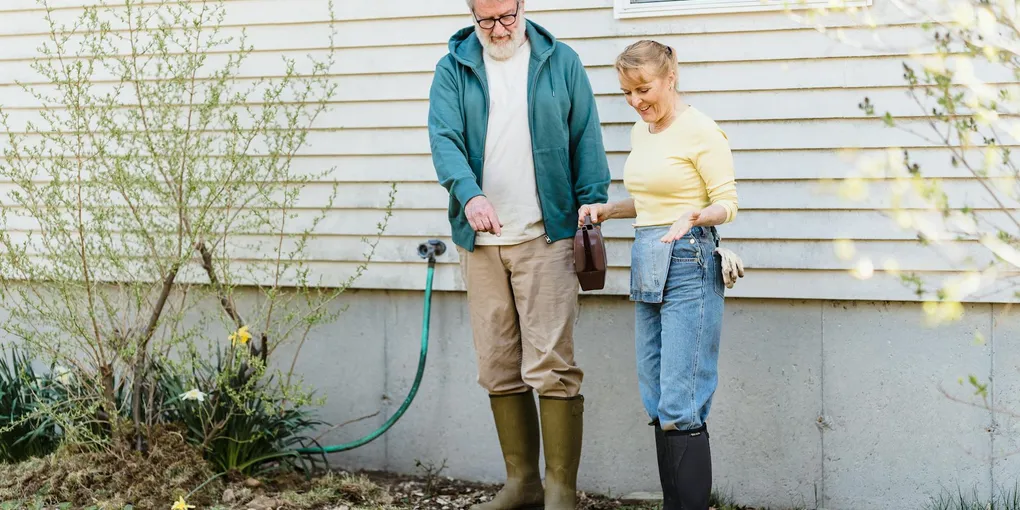
A standard 4x8-foot raised bed, 10–12 inches tall, takes about 3 hours to build and costs $60–$150 in materials depending on wood species. Cedar is the best rot-resistant choice — it'll last 10–20 years untreated. Avoid pressure-treated wood for food gardens (it uses copper-based preservatives that can leach into soil). Fill with a 60/40 mix of topsoil and compost, or the Mel's Mix ratio: 1/3 compost, 1/3 peat moss, 1/3 coarse vermiculite.
Frequently Asked Questions
What is the best wood for a raised garden bed?
Cedar is the standard recommendation: naturally rot-resistant, lasts 10–20 years without treatment, lightweight, and easy to work with. Western red cedar is the most common. Douglas fir is affordable and lasts 5–7 years. Pine (untreated) is the cheapest — lasts 2–5 years. Redwood is excellent but expensive and increasingly scarce. Avoid pressure-treated lumber for food gardens — modern PT uses copper azole or ACQ, which can leach into soil. For non-food beds or ornamentals, PT is fine.
How deep should a raised garden bed be?
12 inches is the minimum for most vegetables — enough for tomatoes, peppers, squash, and root vegetables if the native soil below is decent. 18–24 inches for deep-rooted crops (carrots, parsnips, large brassicas) or when the ground below is clay, compacted, or hard fill. Beds only 6–8 inches deep work for herbs, lettuce, and shallow-rooted greens. If placing on a hard surface (driveway, patio), go 18+ inches to allow for root depth.
What should I fill a raised garden bed with?
Don't fill with straight topsoil — it compacts in a raised bed and drains poorly. Best fills: (1) Mel's Mix: 1/3 compost, 1/3 coarse vermiculite, 1/3 peat moss or coco coir — excellent drainage, very lightweight, expensive but worth it for intensive gardening. (2) Budget mix: 60% topsoil, 40% compost. Add perlite or coarse sand to the top 6 inches if drainage is an issue. (3) For a deep bed on native soil: fill the bottom half with straw, wood chips, or rough organic material (Hügelkultur style), then top 12 inches with the quality mix. This dramatically cuts material costs.
Do raised beds need drainage holes or a bottom?
No bottom needed if placed on native soil — roots grow through, water drains naturally. For beds on hard surfaces: add drainage holes drilled in the sides at the lowest 2 inches, plus a layer of gravel at the bottom, plus a weed-blocking fabric. Hardware cloth (1/4 inch galvanized mesh) stapled to the bottom is worthwhile if you have gophers or voles — they tunnel up into raised beds.
How wide should a raised garden bed be?
4 feet wide is the standard — it allows you to reach the center from either side without stepping in. 3 feet wide if you can only access from one side. Never wider than 4 feet if you need to reach across. Length can be anything that fits your space — 4x8 is the most common size because it uses standard 8-foot lumber with no waste. For height, 12 inches high is one 2x12 board, or two stacked 2x6 boards.
How much does it cost to build a raised garden bed?
A standard 4x8-foot cedar raised bed costs $60–$150 in materials. Cedar boards (three 2x12x8-footers): $50–$100 depending on region and lumber prices. Corner post 4x4: $10–$15. Screws: $5–$10. Hardware cloth for gopher protection: $15–$25 extra. Fill soil is the bigger expense — a 4x8x12-inch bed needs about 32 cubic feet (1.2 cubic yards) of soil. Bulk topsoil runs $25–$50 per yard delivered; Mel's Mix (vermiculite + compost + peat) costs $100–$200 for that volume. Total all-in: $150–$350 depending on soil choice. Pine boards drop the wood cost to $30–$50 but last only 2–5 years before rotting.
What vegetables grow best in a raised garden bed?
Raised beds suit almost any vegetable, but some benefit most: tomatoes, peppers, and squash thrive because raised beds warm faster in spring and drain better than ground soil. Lettuce, spinach, and herbs do well in shallow beds (6–8 inches). Root vegetables — carrots, beets, parsnips — need 12–18 inches of loose, rock-free soil that raised beds provide. Avoid only the largest space-takers like corn (needs mass planting for pollination) and pumpkins (vines spread 6–8 feet). For a 4x8 bed: plant one tomato, two peppers, one cucumber, and fill the rest with herbs and lettuce for maximum yield per square foot.
A standard 4x8-foot raised bed, 10–12 inches tall, takes about 3 hours to build and costs $60–$150 in materials depending on wood species. Cedar is the best rot-resistant choice — it’ll last 10–20 years untreated.
A raised garden bed is the most productive gardening upgrade for small spaces. Here’s how to build one that lasts.
Materials for a 4x8-foot bed, 12 inches tall
- (2) 2x12 x 8-foot boards — long sides
- (2) 2x12 x 4-foot boards — short sides (cut from 8-foot boards)
- (4) 4x4 x 16-inch corner posts — internal corner supports
- 2-inch exterior wood screws — #8 or #10, at least 40 screws
- Hardware cloth 1/4 inch mesh — optional, for gopher protection (4x8 feet)
- Landscape fabric — optional, for weed suppression from below
Wood quantities for 4x8 at 12 inches tall:
- (2) 8-foot 2x12 boards (long sides, uncut)
- (2) 4-foot 2x12 boards (cut from one 8-footer — buy 3 total)
- (4) short 4x4 corner posts
To save money: Two stacked 2x6 boards = one 12-inch tall side. Same wood cost, more screws.
Step 1: Cut lumber
Corner posts: Cut a 12-foot 4x4 into four 16-inch pieces. These go inside each corner, sticking up 4 inches above the side boards — this lets you easily add a second tier later if you want a taller bed.
Side boards: Two 8-foot boards are the long sides. Two boards cut to exactly 48 inches minus (2 x 1.5 inches) = 45 inches are the short sides. This accounts for the thickness of the long sides so the outer dimensions are exactly 4x8 feet.
Or keep it simple: cut short sides to 45 inches, the exterior will be 4 feet.
Step 2: Assemble the frame
- Lay two long boards parallel on the ground, 48 inches apart.
- Place a corner post inside one corner, butting against both boards.
- Drive two screws through each side board into the corner post — one from each face.
- Repeat at all four corners.
Drilling tip: Pre-drill pilot holes with a bit slightly smaller than the screw shank. Cedar splits easily at the ends without pilot holes.
Step 3: Add gopher/vole protection (optional but recommended)
Flip the frame upside down. Cut hardware cloth to fit the inside of the frame. Staple it to the bottom edges of the side boards with a staple gun and 3/8-inch staples.
Flip the frame right-side up.
Step 4: Position and level
Set the frame in its final location. Check that it is level — unlevel beds cause water to pool on one end. Shim with soil beneath the frame boards as needed.
If placing on hard ground: mark the footprint, dig down 2–3 inches so the frame sits half-buried. This stabilizes it and improves the soil-to-bed transition.
Step 5: Fill with soil
The best fill mix for a 4x8x12-inch bed (≈32 cubic feet / ~1.2 cubic yards):
Mel’s Mix (premium):
- 11 cubic feet (≈4 bags) coarse vermiculite
- 11 cubic feet compost (4-6 bags depending on bag size)
- 11 cubic feet peat moss or coco coir
Budget mix:
- 60% topsoil (approximately 20 cubic feet — buy in bulk if possible)
- 40% compost (approximately 12 cubic feet — 4-5 bags)
Leave 2 inches from the top unfilled — you’ll be adding compost every year.
Step 6: Plant or cover
Transplant seedlings or direct-sow seeds according to your plant spacing guide.
For later in the season: lay cardboard over the soil and top with 3 inches of wood chips — this suppresses weeds and starts the composting process for next year.
Related guides
- How to Build a Fire Pit — another weekend outdoor build
- How to Lay a Paver Patio — extend the outdoor living area
- Spring Lawn Care Schedule — complement the garden bed with lawn work
- Annual Home Maintenance Schedule — where to fit seasonal garden work
- Cut lumber to size
Cut 4x4 corner posts to 16 inches (4 pieces). Cut side boards to exact dimensions — for a 4x8 bed, two 8-foot boards are the long sides and two 4-foot boards (cut from a third 8-footer) are the short sides.
- Assemble the frame
Lay two long boards parallel with a short board across each end. Position a corner post in each inside corner. Drive two 2-inch exterior screws through each board face into the corner post. Check the frame is square by measuring diagonally corner to corner — both measurements should match.
- Add gopher and vole protection
Optional but recommended: flip the assembled frame face-down, cut 1/4-inch galvanized hardware cloth to the outer dimensions, and staple it to the bottom edges of the frame every 6 inches. Flip back upright. This prevents tunneling rodents from entering from below.
- Position and level the bed
Place the frame in its final location. Use a 4-foot level on each long side and across each short side. Shim the low side with flat stones, gravel, or scrap wood until the frame sits level — an unlevel bed causes water to pool on one side.
- Fill with soil and plant
Fill with a 60/40 mix of topsoil and compost, or Mel's Mix (1/3 compost, 1/3 peat moss, 1/3 coarse vermiculite). Fill to within 2 inches of the top. Transplant seedlings or direct-sow seeds after filling. The soil will settle 10–15% in the first season — top up with compost the following spring.
Free: 10-Point Home Maintenance Checklist
Prevent costly repairs with this seasonal checklist. Save hundreds every year by catching problems early.
Your checklist is ready!
Open Checklist →Something went wrong. View the checklist here.