Cost to Replace a Front Door 2026: $1,000–$2,500 Installed
Front door replacement costs $500-5,000+ depending on material, style, and installation. Here is a detailed breakdown so you know what to expect.
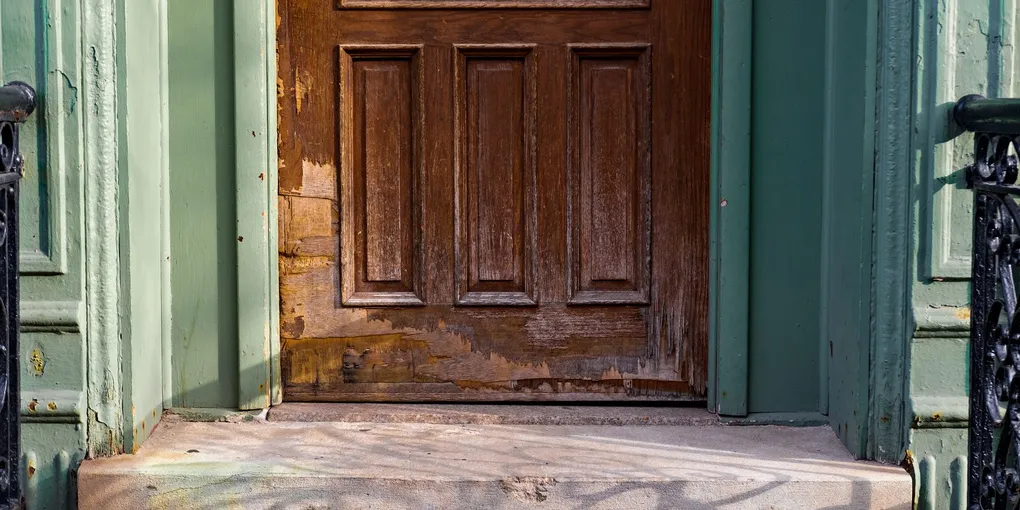
Replacing a front door typically costs $1,000-2,500 installed for a standard entry door. The door itself runs $150-5,000+ depending on whether you choose steel, fiberglass, or wood. Installation labor adds $200-600. Go with a prehung door for the best fit and seal, and expect near 100% ROI at resale for a steel entry door.
Frequently Asked Questions
What is the cheapest type of front door to install?
A steel prehung door is the most affordable option at $150-500 for the door plus $200-400 for installation. Steel doors also offer the best security and energy efficiency for the price.
Should I get a prehung door or a slab door?
Go prehung for exterior doors. The frame, weatherstripping, and threshold are engineered to work together. A slab-only door saves $100-300 but often creates gaps and air leaks when fitted into an old frame.
Can I replace a front door myself?
Yes, it is an intermediate DIY project that saves $200-600 in labor. However, a poorly installed door causes drafts, security issues, and potential warranty problems. Hire a pro if the rough opening needs resizing or you have never hung a door before.
How long does a front door replacement take?
A professional can replace a standard prehung front door in 3-5 hours. DIY installation typically takes a full day, longer if you need to resize the rough opening or add sidelights.
Is replacing a front door worth it for resale value?
Yes. A steel entry door replacement recoups approximately 100% of its cost at resale, making it one of the highest-ROI home improvements available.
What is the standard front door size?
Standard exterior doors are 36 × 80 inches (3 ft wide × 6 ft 8 in tall). Measure your existing rough opening before ordering — older homes often have 32-inch or 34-inch openings. A non-standard rough opening requires custom ordering, which adds $300–$800 and 4–8 weeks of lead time. Always measure the width and height of the opening, not the old door itself.
How do I know if I need a new door or just a repair?
Replace if: the door frame shows rot (soft wood that crumbles or a screwdriver sinks in), the door no longer seals against weatherstripping on its own, the glass is cracked, or the frame was damaged in a break-in. Repair if: the door sags at the latch side (tighten hinge screws or add longer screws into the stud), has surface dings (wood filler and paint), or sticks in summer from humidity (sand the top edge and repaint).
What is the most energy-efficient front door material?
Fiberglass is the most energy-efficient door material for most homes. A good fiberglass door has polyurethane foam core insulation with an R-value of R-5 to R-15 — significantly better than hollow steel (R-2 to R-5) and solid wood (R-2 to R-3 for a standard 1¾ inch door). Fiberglass also does not warp with humidity changes, does not dent, and can be stained to look like wood. For maximum efficiency: pair the door with triple-seal weatherstripping, a door sweep, and a magnetic-close threshold. Steel doors perform well for security and cost but need foam-core construction to match fiberglass efficiency — look for 24-gauge or heavier steel with polyurethane fill (not polystyrene). A proper door installation with no gaps is more important than door material — an air-leaky expensive door underperforms a properly installed budget door.
What type of weatherstripping is best for a front door?
For front doors, compression-type weatherstripping is the most durable and effective: a foam or rubber bulb that compresses when the door closes, creating an airtight seal. Look for EPDM rubber (lasts 10–15 years) over foam tape (lasts 1–3 years). The three zones to seal: (1) Sides and top — compression strip in the door stop or door frame, replaced when you can see daylight or feel a draft. (2) Bottom sweep — a door sweep with a flexible vinyl or rubber blade sealing the threshold gap. Q-Lon bulb-style sweeps from Pemko or Reese are long-lasting. (3) Door threshold — the aluminum saddle at the bottom; replace when the vinyl insert wears and the seal is gone. A front door replacement that includes new frame weatherstripping and a quality threshold from the factory is the reason prehung doors seal better than slab swaps into old frames.
Replacing a front door typically costs $1,000-2,500 installed for a standard entry door. The door itself runs $150-5,000+ depending on whether you choose steel, fiberglass, or wood.
Your front door is the first thing visitors see and the last line of defense against break-ins, weather, and energy loss. A door that sticks, drafts, has visible damage, or just looks tired drags down your entire home’s curb appeal and resale value.
Replacing a front door typically costs $1,000-2,500 installed for a standard entry door. Here is a full breakdown of what drives that number up or down.
Cost Summary
| Component | Budget | Mid-Range | High-End |
|---|---|---|---|
| Door (slab or prehung) | $150-400 | $400-1,500 | $1,500-5,000+ |
| Installation labor | $200-400 | $300-600 | $500-1,000 |
| Hardware (knob, deadbolt) | $30-80 | $80-250 | $250-600 |
| Weatherstripping and threshold | $20-50 | Included | Included |
| Paint or stain | $20-50 (DIY) | $50-100 | $100-200 |
| Total installed | $420-980 | $830-2,450 | $2,350-6,800 |
Door Materials Compared
Steel ($150-500 for the door)
The most common and affordable option. Modern steel doors have a foam-insulated core that makes them more energy-efficient than wood. They resist warping, cracking, and swelling.
Pros: Lowest cost, best security (hardest to kick in), excellent insulation, low maintenance. Steel is also one of the most eco-friendly home improvement choices due to its recyclability and insulation value.
Cons: Can dent on impact. Scratches show and require touch-up paint. Will rust if the paint chips and is not addressed, especially in coastal areas.
Best for: Budget-conscious homeowners, high-security areas, and anyone who wants low maintenance.
Fiberglass ($300-2,000 for the door)
Fiberglass doors can be smooth or textured to look like real wood grain. They do not warp, rot, crack, swell, or rust. Many come pre-stained or paintable.
Pros: Looks like wood without the maintenance. Will not rot or warp in any climate. Dents less easily than steel. Good insulation with a foam core.
Cons: More expensive than steel. High-end fiberglass can approach wood pricing. Some cheaper fiberglass doors have a plasticky look up close.
Best for: Homeowners who want a wood look without wood maintenance, especially in humid or extreme climates.
Wood ($500-5,000+ for the door)
Solid wood doors are the most visually striking option. Species range from affordable pine and fir to premium mahogany, walnut, and cherry. Custom designs with glass inserts, carvings, or ironwork can run well above $5,000.
Pros: Unmatched aesthetic. Can be refinished repeatedly. Adds significant curb appeal and perceived home value. Available in unlimited custom designs.
Cons: Requires regular maintenance (refinishing every 1-3 years depending on climate and exposure). Swells and sticks in humidity. Can warp over time. Least secure against forced entry unless reinforced. Poor insulation compared to foam-core steel or fiberglass.
Best for: Homeowners who prioritize aesthetics and are willing to maintain the door.
Prehung vs. Slab
Prehung door — The door comes already mounted in a new frame. The installer removes your old door and frame entirely, then sets the new unit into the rough opening. This is the standard approach for exterior door replacement and costs $100-300 more than a slab but results in a better fit and seal.
Slab only — Just the door panel, no frame. The installer must modify it to fit your existing frame and transfer the hinges and hardware. This saves money only if your existing frame is in perfect condition, which is uncommon on older homes.
Recommendation: Go prehung for exterior doors. The frame, weatherstripping, and threshold are engineered to work together. Trying to fit a new slab into an old frame often creates gaps, sticking, and air leaks that cost more to fix than the frame savings.
Installation Cost Factors
Standard installation ($200-600): Removing the old door and frame, installing the prehung unit, shimming and leveling, insulating the gap between the frame and rough opening, installing hardware, and adjusting the strike plate.
Additional costs that may apply:
- Resizing the rough opening: If your new door is a different size than the old one, the opening needs to be framed larger or smaller. This adds $200-500 and may require drywall or siding repair.
- Sidelight installation: Adding glass panels on one or both sides of the door. Sidelights cost $200-600 each plus $100-200 for installation.
- Transom window: A window above the door. Adds $150-400 plus installation.
- Rot repair: If the rough opening framing has rot or water damage, it must be repaired before the new door goes in. Budget $100-500 depending on extent.
- Storm door addition: A storm door protects the entry door and adds insulation. Budget $150-400 installed.
- Smart doorbell: Pairing a new door with a smart doorbell installation adds security and curb appeal.
DIY or Hire a Pro?
Replacing a front door is an intermediate DIY project. It is doable if you are comfortable with measuring, leveling, shimming, and basic carpentry. The critical part is getting the door plumb and level so it opens, closes, and latches properly.
DIY saves: $200-600 in labor.
DIY risks: A poorly installed door will not seal correctly (drafts, water intrusion), will not latch reliably (security issue), and may damage the door or frame (voiding the warranty). If the door does not fit the rough opening, corrections require carpentry skill.
Hire a pro if: The rough opening needs resizing, there is structural damage around the opening, you are installing sidelights or a transom, or you have never hung a door before. A bad front door installation is highly visible and affects security and energy efficiency daily.
Return on Investment
Front door replacement consistently ranks among the top home improvements for ROI. According to Remodeling Magazine’s Cost vs. Value report, a steel entry door replacement recoups approximately 100% of its cost at resale — one of the few projects that pays for itself entirely.
A new front door also reduces heating and cooling costs by $50-100 per year if your current door is poorly insulated or has significant air leaks. For more ways to cut energy loss, see our guide to winterizing your home.
When to Replace vs. Repair
Replace if:
- The door is warped, cracked, or has visible rot
- You feel drafts even with new weatherstripping
- The door does not latch securely
- The frame is damaged or out of square
- You want to change the style or size
Repair if:
- The door and frame are structurally sound but need cosmetic work
- Hardware is the only issue (hinges, lockset, or threshold can be replaced individually)
- Weatherstripping replacement solves the draft issue
- A fresh coat of paint or stain is all that is needed
Regional Cost Variations
Front door installation labor and material costs vary by region. These ranges reflect installed price (door unit + labor) for a standard prehung exterior door:
| Region | Steel Prehung (installed) | Fiberglass Prehung (installed) | Wood Door (installed) |
|---|---|---|---|
| Northeast (NY, MA, NJ) | $800–$1,800 | $1,200–$3,500 | $1,800–$7,000+ |
| Mid-Atlantic (DC, MD, VA) | $700–$1,600 | $1,100–$3,200 | $1,600–$6,500+ |
| Southeast (FL, GA, TX) | $550–$1,300 | $900–$2,800 | $1,400–$5,500+ |
| Midwest | $600–$1,400 | $950–$2,900 | $1,500–$5,800+ |
| Pacific (CA, WA, OR) | $750–$1,700 | $1,150–$3,400 | $1,700–$7,000+ |
Coastal markets and extreme climates drive higher fiberglass demand. Impact-rated doors in Florida hurricane zones carry a 20–40% premium over standard units but are required by code in many areas.
Front Door Brand Comparison
| Brand | Materials | Price Range | Specialty | Notes |
|---|---|---|---|---|
| Therma-Tru | Fiberglass, steel | $300–$3,000 | Best overall fiberglass; Smooth-Star and Fiber-Classic lines | #1 fiberglass door brand in the US; best wood-grain texture |
| JELD-WEN | Steel, fiberglass, wood | $200–$4,000 | Broad range; Aurora wood line premium | Wide availability; variable quality by product line — read reviews by specific model |
| Masonite | Steel, fiberglass | $200–$2,500 | Good value steel; Belleville steel line popular | Strong steel door value; fiberglass lags Therma-Tru in texture quality |
| Pella | Fiberglass, wood, steel | $500–$5,000+ | Best design options; Reserve wood line | Strong brand recognition; higher pricing vs. comparable Therma-Tru |
| ProVia | Fiberglass, steel | $600–$4,000 | Best energy performance; Signet and Legacy lines | Dealer-only; arguably best weatherstripping system in the industry |
| Simpson Door | Wood, custom | $800–$10,000+ | Highest-end wood; craftsman custom doors | For historic or high-design applications where wood is required |
Therma-Tru is the benchmark for fiberglass entry doors — the wood-grain texture on the Fiber-Classic line is the most realistic in the category, and their weatherstripping system (foam-filled compression bulb) consistently outperforms competitors in air sealing tests.
ProVia is dealer-only (no big-box distribution) and generally considered the top-tier choice among window and door contractors — their fiberglass doors test at the highest R-values and their weatherstripping system is the most durable long-term. Premium pricing, but worth specifying when energy performance is the priority.
Questions to Ask Your Door Installer
- Is this a prehung or slab installation? — always use prehung for exterior doors; confirm the installer isn’t trying to reuse the existing frame on a worn or out-of-square opening
- Does the quote include flashing and house wrap integration at the rough opening? — proper water management behind the door frame is critical; a missing or damaged sill pan under the door can cause years of hidden water damage
- Is hardware included, and who supplies it? — knobs, deadbolts, and hinges may be included or extra; get a line-item breakdown and compare both ways
- Will you handle the permit if the rough opening needs to be modified? — any structural framing change requires a permit; confirm who files it and whether inspection is included
- What warranty do you provide on the installation work? — manufacturer door warranties (typically 10–25 years on fiberglass) don’t cover installation defects; ask for a 1–2 year labor warranty on weatherstripping and operation
Related Reading
- Interior Door Replacement Cost — matching interior slab pricing once the exterior is done
- How to Stop a Squeaky Door — 5-minute fix if it’s just the hinges
- How to Install a Storm Door — protect the new front door from weather
- How to Install a Smart Lock — pair new door with keyless entry
- Best Smart Locks for Home Security — compare top smart lock options for your new door
- How to Fix a Loose Door Handle — repair handle hardware before replacing the whole door
- Home Security System Installation Cost — full-home security budget
- Best Home Security Cameras — pair your new door with cameras for a complete entryway security upgrade
- How to Fix a Broken Doorbell — repair or replace the doorbell wired to your front door frame
Free: 10-Point Home Maintenance Checklist
Prevent costly repairs with this seasonal checklist. Save hundreds every year by catching problems early.
Your checklist is ready!
Open Checklist →Something went wrong. View the checklist here.