Home Security System Installation Cost 2026: $200–$3,000
Home security installation costs $0-$1,500 DIY or $600-$3,000 professional. Compare SimpliSafe, ADT, Ring, and Vivint pricing plus monthly monitoring costs.
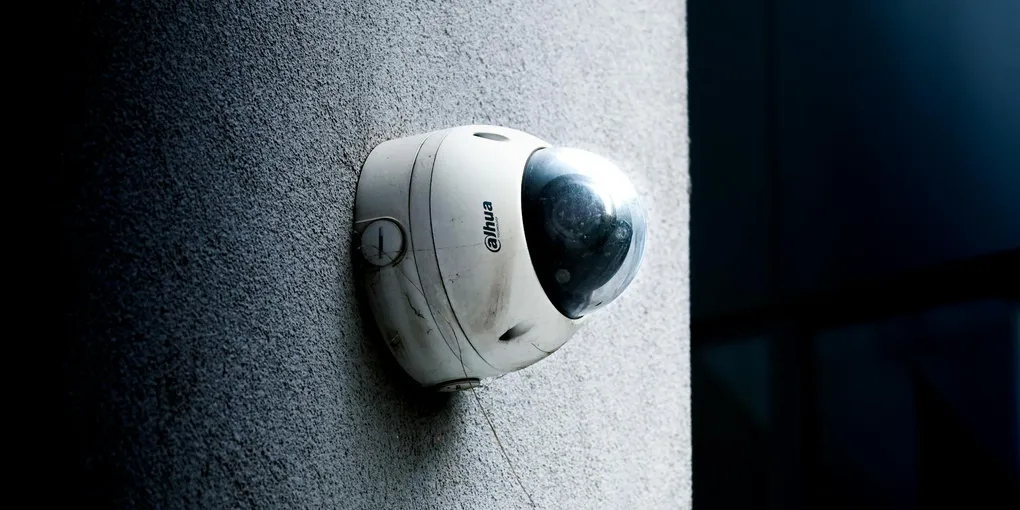
Home security system costs range from $200-$600 for DIY kits to $600-$3,000 for professional installation. Monthly monitoring adds $15-$60. DIY systems like SimpliSafe and Ring Alarm dominate the market with $200-$450 hardware plus $10-$30/month monitoring. Professional systems (ADT, Vivint) cost $99-$199 installation plus $30-$80/month monitoring with 36-60 month contracts.
Frequently Asked Questions
Is professional or DIY home security better?
DIY systems (SimpliSafe, Ring, Abode) offer lower cost, no contracts, and easy self-install for 80% of homeowners. Professional systems (ADT, Vivint) justify higher cost for large homes, complex automation, 24/7 live guard service, and preference for contracts. Most homes work perfectly with DIY.
Does a security system lower my insurance?
Yes. Most insurers offer 5-20% discount on homeowners insurance for monitored systems. Professional monitoring qualifies; self-monitoring doesn't for most carriers. Savings typically pay for monthly monitoring in full. Documentation required—provide certificate of monitoring to insurer annually.
Can I install a security system myself?
Yes. Modern DIY kits are designed for non-technical homeowners. Wireless sensors peel-and-stick on doors/windows. Base stations and cameras plug into standard outlets and connect via WiFi. Typical installation: 1-3 hours for basic 6-8 sensor system. No wiring or drilling required with most kits.
Do security cameras need professional installation?
Indoor cameras: No, just plug in and connect via app. Battery-powered outdoor (Ring, Arlo): No, homeowners install easily. Hardwired cameras: Professional recommended for roof/soffit mounting. Complete multi-camera systems: Professional installation saves time and ensures cable routing.
What happens if my internet goes down?
Most DIY systems (SimpliSafe, Ring) have cellular backup built-in for continued monitoring during outages. Battery backup also standard (8-24 hours). Some cheaper systems lose monitoring during internet outages. Professional systems always include cellular backup. Check this before purchasing.
What is the best home security system for renters?
Renters need no-contract, no-drill, wireless systems they can take when they move. Top picks: SimpliSafe (peel-and-stick sensors, cancel anytime, $10-30/month), Ring Alarm (strong Alexa integration, $10-20/month), Wyze Home Monitoring (cheapest at $5-10/month). Avoid ADT and Vivint — 36-60 month contracts are effectively impossible to exit early without paying hundreds in termination fees. Ask your landlord about hardwired doorbells before installing — most allow battery-powered alternatives.
How do I avoid false alarm fines from my home security system?
Many cities charge $75-$400 per false alarm after the first one or two freebies. To minimize false alarms: (1) Use pet-immune motion sensors rated for your pet's weight. (2) Set a 30-45 second entry delay — enough time to disarm without triggering dispatch. (3) Train every household member on arming and disarming, including your alarm code and the monitoring company's verbal password. (4) Call your monitoring company immediately if you accidentally trigger the alarm — dispatching can usually be cancelled within 30-60 seconds. (5) Test sensors regularly so you catch malfunction trips before they become fines.
Home security system costs range from $200-$600 for DIY kits to $600-$3,000 for professional installation. Monthly monitoring adds $15-$60.
Home security has been revolutionized by DIY systems. In 2010, protecting your home meant ADT contracts and $1,500 installations. In 2026, SimpliSafe and Ring deliver equal or better protection for 70-80% less money, with no contracts, no drilling, and hour-long setups. This guide breaks down 2026 costs across DIY and professional options—helping you find the right balance of protection, convenience, and monthly fees.
Understanding the true cost involves more than upfront hardware: monthly monitoring, equipment replacement, cellular backup, video storage, and insurance discounts all factor into decisions that commit you to 3-10 years of service.
Quick Cost Overview
| System Type | Hardware | Installation | Monthly Monitoring |
|---|---|---|---|
| DIY Basic (SimpliSafe base) | $200–$300 | $0 (self-install) | $10–$30 |
| DIY Mid (Ring Alarm Pro) | $300–$500 | $0 | $10–$20 |
| DIY Premium (Abode Iota) | $400–$700 | $0 | $6–$30 |
| Hybrid (Alarm.com partners) | $400–$800 | $100–$300 | $30–$50 |
| Pro Basic (Cove, Frontpoint) | $300–$600 | $0–$100 | $17–$50 |
| Pro Premium (ADT) | $99 hardware fee | $99–$199 | $45–$80 |
| Pro Full Service (Vivint) | $599–$1,999 | $99–$199 | $50–$100 |
| Commercial (large home) | $1,500–$5,000+ | $500–$2,500 | $75–$200 |
Most homeowners spend $350-$800 upfront and $20-$45/month for monitoring.
Hardware Cost Breakdown
Essential Components
Base station / hub: $100-$300
- Receives sensor signals
- Communicates with monitoring service
- Backup battery included
- Cellular modem for internet outages
Keypad: $50-$100
- Arm/disarm from wall-mounted
- Panic button functionality
- Required for most insurance discounts
Door/window sensors: $15-$35 each
- Magnetic contact sensors
- 2-3 year battery life
- Peel-and-stick installation
- 4-12 typical per home
Motion detectors: $30-$80 each
- PIR technology
- Pet-immune options available
- 90° coverage typical
- 1-3 per home
Glass break sensors: $30-$60 each
- Detect breaking glass sound
- 20-foot detection range
- 1 per room with multiple windows
Smoke/CO detectors (monitored): $35-$80 each
- Communicate with system
- Emergency dispatch capability
- Often qualify for insurance discounts
Water sensors: $20-$50 each
- Detect leaks in basement, under sinks
- Can trigger water shutoff
- Insurance often offers discounts
Sirens: $25-$75 each
- 95-105 dB output
- Indoor and outdoor versions
- Deter burglars
Cameras Add-On
Doorbell cameras: $100-$250
- Video + audio
- Two-way talk
- Motion detection
- Ring Video Doorbell 4 popular option
- Also covered in How to Install a Smart Doorbell
Indoor cameras: $30-$150 each
- 1080p or 2K video
- Night vision
- WiFi connected
Outdoor cameras: $100-$300 each
- Weather-sealed
- Better night vision
- Wider angle
- Battery or wired options
Floodlight cameras: $150-$350
- Combined security camera and motion light
- 2000+ lumens typical
- Built-in siren often included
DIY System Comparisons
SimpliSafe ($230-$700 hardware)
The Classic:
- Base station, keypad, 4 sensors, motion detector: $230
- Most popular DIY system
- No contracts, cancel anytime
- Professional monitoring: $10-$30/month
- Cellular backup included in monitored plans
Pros:
- Easiest setup (under 1 hour)
- Wide sensor compatibility
- Strong mobile app
- 60-day free return
Cons:
- Limited smart home integration
- Cameras separate purchase
- Doesn’t work with Apple HomeKit
Ring Alarm Pro ($300-$800 hardware)
Pros:
- Seamless integration with Ring ecosystem
- Free self-monitoring (basic features)
- 24/7 professional monitoring: $10-$20/month
- Built-in eero WiFi (mesh)
- Works with Alexa
Cons:
- Requires Ring account (Amazon)
- Privacy concerns (ongoing lawsuits)
- App can be slow
Abode iota ($360-$700 hardware)
Pros:
- Works with HomeKit + Alexa + Google Assistant
- No monthly fee for local storage
- Flexible monitoring (on-demand available)
- Tech-forward feature set
Cons:
- Less brand recognition
- Smaller dealer network
- Steeper learning curve
Wyze Home Monitoring ($100-$300 hardware)
The Cheapest:
- Starter kit: $100
- Professional monitoring: $5-$10/month
- No contracts
Pros:
- Unbeatable price
- Active development
- Growing ecosystem
Cons:
- Newer company (less track record)
- Limited advanced features
- Monitoring through Noonlight partner
Professional System Comparisons
ADT ($99-$1,500+ hardware)
Industry leader:
- 150+ years in business
- Largest monitoring network
- 6-minute average response time
- Contract: 36 months typical
Pricing:
- Basic install: $99-$299
- Hardware: Often bundled or financed
- Monitoring: $45-$80/month
- Full package: $1,500-$3,500 3-year cost
Pros:
- Strongest brand recognition (deters criminals)
- Large technician network
- Best insurance discount rates
- Professional design and install
Cons:
- Expensive
- Long contracts
- Difficult to cancel
- Older tech stack
Vivint ($599-$1,999+ hardware)
Premium service:
- Smart home integration leader
- Full ecosystem approach
- Professional installation included
- Contract: 42-60 months typical
Pricing:
- Starting systems: $599
- Premium packages: $1,500-$2,500
- Monitoring: $50-$100/month
- Lifetime hardware warranty
Pros:
- Highest-end hardware
- Integrated smart home control
- Best in-home consultation
- Professional design
Cons:
- Most expensive
- Long contracts
- Aggressive sales tactics reported
Frontpoint ($400-$800 hardware)
DIY-pro hybrid:
- DIY installation
- Professional monitoring
- No-contract option available
- US-based monitoring centers
Pricing:
- Hardware: $400-$800
- Monitoring: $35-$50/month
- No installation fee
- 30-day money-back guarantee
Pros:
- Midpoint between DIY and full-service
- Modern equipment
- Good customer service reputation
Cons:
- More expensive than SimpliSafe/Ring
- Less integration than Vivint
Monthly Monitoring Explained
Basic Monitoring ($10-$25/month)
- 24/7 dispatch for break-ins
- Fire/CO response
- Cellular backup
- Typical SimpliSafe/Ring Alarm tier
Interactive Monitoring ($20-$40/month)
- All basic features
- Smart home control
- Video storage
- Mobile app controls
- Most common tier
Premium Monitoring ($40-$80/month)
- All interactive features
- Video verification
- Professional camera monitoring
- Priority response
- Smart home automation
Professional Guard Response (rare, $100+/month)
- Live security guard response
- Physical site checks
- Best for high-end properties
- Commercial-grade service
Insurance Discounts
Most homeowners insurance carriers offer discounts for:
- Professional monitoring: 5-15% premium reduction
- Water leak detection: 5-10% discount
- Smart smoke detectors: 5-8% discount
- Smart locks: 2-5% discount
- Combined smart home: Up to 20% for bundled systems
Typical savings:
- Home insurance: $1,500/year
- 15% discount: $225/year savings
- Monthly monitoring: $25/month = $300/year
- Net annual cost: $75/year
Provide alarm certificate to insurer annually. Request discount application in writing.
DIY Installation Step-by-Step
Before Installation
- Unbox all components and verify contents
- Charge all battery-powered devices (8-24 hours typical)
- Download the app and create account
- Identify WiFi network and password
- Plan sensor placement for key entry points
Base Station Installation
- Place near modem/router for strong WiFi
- Plug into standard outlet
- Connect Ethernet (optional but recommended)
- Wait for setup mode indicator
- Pair with app
Sensor Installation
- Clean door/window surface with alcohol
- Peel backing from sensor adhesive
- Press firmly for 30 seconds (24-hour full cure)
- Pair each sensor via app
- Test each one individually
Camera Installation
- Identify strong WiFi location
- Connect power (plug-in or battery)
- Mount using included hardware
- Connect via app
- Adjust angle using live view
Testing
- Arm in test mode
- Trigger each sensor individually
- Verify mobile notifications
- Test motion sensor coverage
- Call monitoring company for test alarm
Cost Scenarios
Scenario 1: SimpliSafe DIY basic
- Classic 5-piece kit: $230
- 2 additional door sensors: $30
- 1 motion detector: $50
- 1 indoor camera: $50
- Installation: $0 (DIY)
- Monthly monitoring: $30
- First-year total: $720
- 3-year total: $1,440
Scenario 2: Ring ecosystem buildout
- Ring Alarm Pro base: $250
- 4 door sensors: $60
- 2 motion detectors: $80
- 2 outdoor cameras: $400
- Ring doorbell: $150
- Installation: $0 (DIY)
- Monthly monitoring: $20
- First-year total: $1,180
- 3-year total: $1,660
Scenario 3: ADT professional (3-year contract)
- Hardware package: $299
- Installation: $199
- 36 months × $55/mo: $1,980
- 3-year total: $2,478
Scenario 4: Vivint premium (smart home)
- Smart hub package: $1,599
- Installation: $199
- Smart locks/cameras/doorbell included
- 48 months × $65/mo: $3,120
- 4-year total: $4,918
Scenario 5: Wyze budget DIY
- Home monitoring kit: $100
- 2 outdoor cams: $75
- Indoor cam: $36
- Professional monitoring: $10/mo
- First-year total: $331
- 3-year total: $571
Professional Installation: When It’s Worth It
Strong cases for professional:
- Large home (>3,500 sq ft)
- Multiple buildings (home + separate garage/office)
- Complex wiring requirements (hardwired cameras)
- Elderly homeowner wanting hands-off setup
- Integration with existing smart home complexity
- Concrete/brick construction (drilling expertise)
- Insurance requirement for professional install
Weak cases for professional:
- Single-family home < 2,500 sq ft
- All wireless equipment
- Tech-comfortable homeowner
- Cost-sensitive buyer
- Preference for no contracts
Contract Considerations
Before signing multi-year contracts:
Read the fine print:
- Early termination fees: 75-100% of remaining contract
- Auto-renewal clauses
- Equipment ownership (you vs company)
- Moving policies (is it transferable?)
- Service upgrade paths
Negotiate:
- Shorter contract length
- Lower monthly rate
- Free hardware upgrades
- Installation fee waiver
- Move protection clauses
Alternatives to long contracts:
- SimpliSafe, Ring, Abode: No contracts
- Month-to-month monitoring available
- Pay-as-you-go options
Cameras Deep Dive
See also: Best Home Security Cameras
Wired vs Wireless
Wired cameras:
- No battery maintenance
- Continuous recording possible
- Professional install usually required
- $150-$400 per camera + installation
Wireless cameras:
- Easy self-install
- Battery or solar-powered
- Limited to motion-activated
- $80-$300 per camera
Video Storage Costs
Cloud storage:
- Ring Protect: $4-$20/month
- SimpliSafe: $10-$30/month (included in monitoring)
- Blink: $3-$10/month
- Free tiers rare (usually 7-30 days basic)
Local storage:
- MicroSD cards: $10-$50 one-time
- Network video recorders (NVR): $150-$500
- Cloud-optional systems preferred
Smart Home Integration
Match your system to existing smart home:
Alexa users
- Ring Alarm (native)
- SimpliSafe (compatible)
- ADT (compatible)
- Most DIY systems work
Google Assistant users
- Abode (native)
- Nest Secure (discontinued but still operates)
- SimpliSafe (compatible)
Apple HomeKit users
- Abode (supported)
- Aqara (full HomeKit)
- Few native options
Samsung SmartThings users
- Aeotec sensors
- Third-party integrations
Common Mistakes to Avoid
- Overspending on monitoring: Self-monitoring works for many homeowners
- Underestimating sensor needs: Coverage gaps defeat purpose
- Choosing wrong protocol: Different systems use different radio frequencies
- Forgetting backup batteries: Check and replace annually
- Not testing regularly: Monthly tests catch failures before break-ins
- Cheap cameras: Low resolution can’t identify faces
- No cellular backup: Internet-only systems fail during outages
- Missing insurance discount: Submit paperwork annually
- Ignoring false alarm fines: Some cities charge $75-$400 per false alarm
- Ignoring user training: Family members need proper use
Maintenance Requirements
Monthly
- Test motion detectors
- Check app notifications are working
- Review event log
Quarterly
- Test siren (warn neighbors first)
- Clean camera lenses
- Verify cellular backup works
Annually
- Replace batteries in all sensors
- Update firmware
- Reassess coverage (new additions?)
- Request insurance discount renewal
Every 3-5 Years
- Evaluate current technology
- Consider hardware upgrades
- Review monitoring contract
Safety and Deterrence
Beyond installation costs, consider:
- Signage: “Monitored by [System]” yard signs 50% reduction in break-ins
- Motion-activated lights: $50-$150 each, deter approach
- Smart lighting automation: Simulate occupancy when away
- Window film: Delays break-ins ($100-$500 DIY)
- Reinforced doors/frames: Most homes broken through doors
- Landscaping: Trim bushes, eliminate hiding spots
A quality security system is only part of overall home security. Behavioral and physical security measures remain essential.
Final Thoughts
Home security has never been more accessible or affordable. A $300 SimpliSafe or Ring Alarm DIY kit with $20/month monitoring provides 90% of the protection of a $2,500 Vivint installation, without contracts or installation hassles. For most single-family homes under 3,500 sq ft, DIY systems are the clear value winner.
Professional systems still justify their cost for larger homes, complex needs, or homeowners wanting hands-off setup and service. Just understand the 3-5 year contract commitment is typically $1,500-$3,000 more expensive than equivalent DIY protection.
The real return comes from consistent use: systems only protect when armed. Train your family, establish routines, and test regularly. A $300 system armed consistently beats a $3,000 system forgotten on the wall.
Regional Home Security System Cost Variations
| Region | DIY Kit + Monitoring (2 yrs) | Pro Install + Monitoring (3 yrs) | Premium Smart Home Integration |
|---|---|---|---|
| Northeast (NY, MA, NJ) | $700–$1,400 | $2,500–$5,500 | $5,000–$15,000 |
| Mid-Atlantic (DC, MD, VA) | $650–$1,300 | $2,300–$5,000 | $4,500–$14,000 |
| Southeast (FL, GA, TX) | $550–$1,100 | $2,000–$4,500 | $4,000–$12,000 |
| Midwest | $600–$1,200 | $2,100–$4,700 | $4,200–$12,500 |
| Pacific (CA, WA, OR) | $700–$1,400 | $2,500–$5,500 | $5,000–$15,000 |
Prices include equipment and 2–3 years of monitoring at quoted rates. Professional monitoring varies $10–$60/month — multiply the monthly difference by 36 to compare total contract cost across providers.
Home Security System Brand Comparison
| Brand | Type | Equipment Cost | Monitoring | Best For |
|---|---|---|---|---|
| SimpliSafe | DIY self-install | $200–$600 | $18–$28/month (no contract) | Best overall value; top-rated sensors; no long-term contract |
| Ring Alarm | DIY self-install | $200–$500 | $10–$20/month (optional) | Best Amazon ecosystem integration; affordable entry point |
| ADT | Pro install | $0–$600 (promo) | $40–$60/month (3-yr contract) | Name recognition; largest monitoring network; expensive long-term |
| Vivint | Pro install + smart home | $600–$2,500+ | $30–$50/month (3–5 yr contract) | Best smart home integration; premium product, premium price |
| Brinks Home | Pro install | $0–$400 (promo) | $30–$45/month (3-yr contract) | ADT alternative; competitive pricing; solid monitoring response |
| Frontpoint | DIY with support | $300–$700 | $35–$50/month (no contract) | DIY flexibility with professional-grade equipment |
SimpliSafe and Ring Alarm dominate the no-contract DIY category and provide 80–90% of the protection of professional systems at 30–50% of the total cost. Professional systems (ADT, Vivint) justify their premium for larger homes, complex automation, or homeowners who want hands-off setup.
Questions to Ask Your Home Security Installer
-
What is the total cost of ownership over 3 years — including equipment, installation, and monitoring fees — and are there cancellation penalties? — The headline equipment price is often misleading: “free equipment” from ADT or Brinks comes attached to a 3-year monitoring contract at $40–$60/month = $1,440–$2,160 in monitoring fees. Calculate: equipment cost + (monthly rate × 36 months). Compare this across quotes. Also ask: “What is the early termination fee if I need to cancel?” Many contracts charge 75–100% of remaining contract value. A DIY SimpliSafe kit at $400 + $20/month × 36 months = $1,120 total vs. “free” ADT equipment + $50/month = $1,800 total.
-
What cellular network does your monitoring use, and what happens to monitoring if my internet or power goes out? — Professional monitoring requires a communication path from your home to the monitoring center. There are three: broadband (internet), cellular backup, and landline. Internet-only systems go dark when power or internet is out — exactly when protection matters most. Ask: “Does your system have cellular backup?” Quality systems (SimpliSafe, ADT, Vivint) include cellular backup. Also ask: “What is the battery backup duration for the main panel?” Most quality panels provide 24 hours of battery backup during power outages.
-
Who owns the equipment after installation, and can I take it with me if I move? — Some providers (ADT, Brinks) install equipment under terms where the monitoring company retains equipment ownership during the contract — you can’t take it when you move, and you may owe early termination fees. Others (SimpliSafe, Ring, Vivint) are more flexible on equipment portability. Ask specifically: “Who owns the equipment? Can I take it with me if I sell my home? What happens to my contract if I move?” The answer directly affects the value you’re getting.
-
What is your average verified alarm response time and false alarm rate, and what is your UL-listed monitoring center? — Professional monitoring quality varies significantly. Ask: “Is your monitoring center UL-listed (Underwriters Laboratories)?” — UL-listed centers meet specific standards for redundancy and response. Also ask: “What is your average response time to verified alarms?” Top centers respond in 30–45 seconds. A monitoring center that can’t answer these questions may be outsourcing to a third party with no performance accountability.
-
What sensors are included in the quote, and are there any known gaps in coverage for my home layout? — A security system is only as good as its coverage. Ask the installer to walk through the specific devices included: door/window contacts on every exterior entry, motion sensors for key rooms, and glass-break or shock sensors where appropriate. Ask: “Are there any entry points in my home that this quote doesn’t cover?” A good installer does a room-by-room coverage assessment and tells you what’s in and what requires additional equipment. Generic “starter kit” quotes often cover front door, back door, and one motion sensor — leaving significant blind spots in larger homes.
Related Reading
- Best Home Security Cameras
- Best Smart Locks for Home Security
- How to Install a Smart Doorbell
- How to Replace a Light Switch
- Electrical Outlet Not Working? How to Troubleshoot
- Garage Door Opener Installation Cost — smart garage access completes the home security upgrade; $200–$500
- How Much Does Solar Installation Cost
Product links on this page are Amazon affiliate links. As an Amazon Associate, Fix Up First earns from qualifying purchases. All recommendations reflect independent product research.
- Assess your security needs
List all exterior doors, windows on ground floor, and key interior areas (garage, basement). Count cameras needed (4-8 typical). Identify weak points like unlit entries, blind spots, and high-value areas. Consider smart home integration preferences.
- Choose DIY or professional
DIY works for most single-family homes up to 3,500 sq ft. Professional systems justify cost for larger homes, complex needs, or preference for hands-off setup. Budget-conscious homeowners almost always benefit from DIY.
- Select hardware package
Minimum: 1 base station, 1 keypad, 4-8 door/window sensors, 1-2 motion detectors, 1 siren. Add 2-4 cameras for complete coverage. Budget $200-$600 for starter DIY, $400-$1,200 for comprehensive coverage.
- Install hardware
DIY: Unbox, charge batteries, place base station central location, stick sensors on doors/windows, mount cameras. Professional: Schedule installation appointment (typically 2-5 business days after order), technician completes in 2-4 hours.
- Set up monitoring
Activate service through app. Add family members, set arm/disarm schedules, customize alerts. Program location automations (auto-arm when leaving). Test all sensors and cameras before activating monitoring.
- Optimize and maintain
Test siren monthly (alert neighbors first). Replace batteries annually. Update firmware when available. Add sensors as needed. Review alert patterns and adjust false-alarm settings.
Free: 10-Point Home Maintenance Checklist
Prevent costly repairs with this seasonal checklist. Save hundreds every year by catching problems early.
Your checklist is ready!
Open Checklist →Something went wrong. View the checklist here.