Garage Door Opener Installation Cost 2026: $150–$550 Installed
Garage door opener installation costs $150–$550 installed. Chain drive $150–$350, belt drive $200–$400, smart/WiFi openers $250–$550. Unit $80–$300; labor $70–$150.
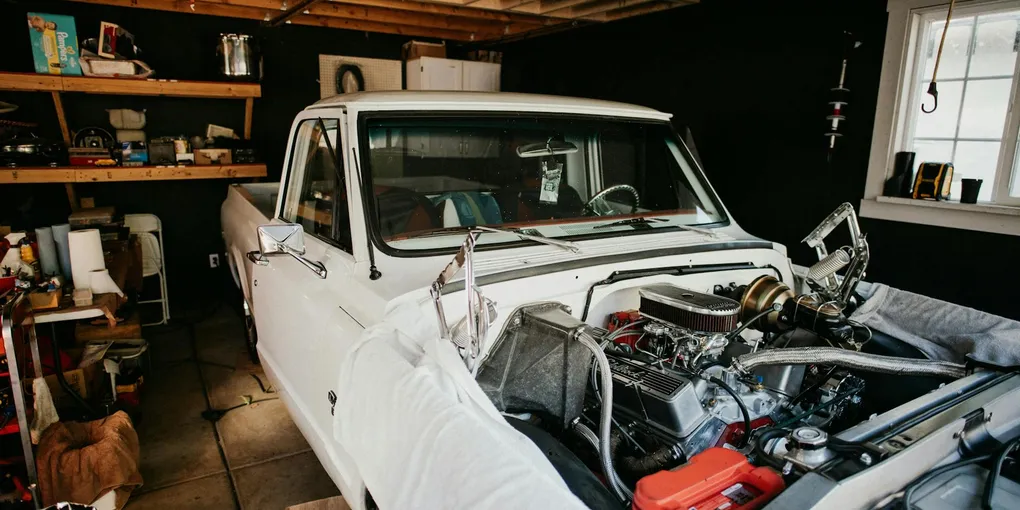
Garage door opener installation costs $150–$550 for a standard residential opener installed by a professional. The opener unit itself costs $80–$300; professional installation labor runs $65–$150. Belt drive openers (quietest) cost $150–$350. Smart Wi-Fi openers cost $180–$400. Budget under $200 for a basic chain drive DIY installation (opener + hardware, no labor cost).
Frequently Asked Questions
How much does garage door opener installation cost?
Garage door opener installation costs: basic chain drive (DIY-installed) $80–$150 for the unit; chain drive professionally installed $150–$300; belt drive (quieter) professionally installed $200–$450; direct drive (quietest, single moving part) $250–$500; smart Wi-Fi opener (app control) professionally installed $250–$550; jackshaft/wall-mount opener (for low-clearance or cathedral ceiling garages) $400–$700 installed. Labor for professional installation: $65–$150 for a straightforward swap; $150–$300 for a new installation requiring new wiring or ceiling mounting hardware.
What is the best garage door opener?
Best garage door openers by category: best overall value — Chamberlain B2405 or B2405C (belt drive, Wi-Fi, works with myQ app, $150–$200); best quiet — LiftMaster 87504-267 (DC belt drive, ultra-quiet, battery backup, $250–$350); best budget chain drive — Chamberlain B505 or Craftsman 54918 ($80–$120); best jackshaft/wall-mount — LiftMaster 8500W (ideal for high or cathedral ceilings, $250–$350); best smart home integration — Chamberlain myQ or LiftMaster (Alexa/Google Home compatible). Chamberlain and LiftMaster are the same parent company (Chamberlain Group) — LiftMaster is the professional/higher-end line sold through dealers.
Should I replace or repair my garage door opener?
Replace when: the opener is over 10–15 years old and the motor fails (repair cost often exceeds unit cost); you want smart home features (myQ, Alexa, camera integration) not available as upgrades to older units; the drive system (chain, belt, or screw) is worn and noisy; or the opener lacks safety reversal features (required post-1993 by law, older openers may not comply). Repair when: the wall button or remote fails (replace remote $15–$30, wall button $25–$50); one safety sensor is broken or misaligned ($10–$30 to replace); the surge protector board fails ($50–$100 repair vs. $200+ replacement). A motor that hums but doesn't move is typically a capacitor failure ($20–$40 part) — worth repairing if the unit is under 10 years old.
How long does garage door opener installation take?
Professional installation of a standard opener replacement: 1–2 hours. New installation (no existing opener, first-time setup): 2–4 hours including mounting hardware, wiring, programming remotes, and adjusting travel limits. DIY installation of a new opener: 2–4 hours for someone with basic mechanical skills. Manufacturers include detailed instructions, and most units come with everything needed except a ladder and basic hand tools. The programming sequence (setting travel limits, force settings, and syncing remotes) is the step most likely to take extra time on a first DIY install.
Do I need to hire an electrician for garage door opener installation?
Most garage doors have an existing outlet on or near the ceiling where the opener mounts — professional opener installation does not require an electrician. If there is no ceiling outlet (older garages, garages converted from carports), you need a licensed electrician to run a 120V circuit and install an outlet before the opener can be installed. This adds $150–$400 to the project depending on how far the circuit must run from the panel. Always check for an existing outlet before hiring; the outlet is usually right where the opener will hang.
What is a battery backup garage door opener and do I need one?
Battery backup openers continue to operate during power outages — the battery activates automatically when grid power fails. LiftMaster and Chamberlain offer several models with integrated battery backup ($50–$100 premium over base model). Do you need it? If you park in an attached garage and the garage door is your primary entry point, battery backup is worth the premium — a power outage leaving you locked out or in is genuinely inconvenient. If your garage has a secondary entry door, it's less critical. Battery life: typically 2–5 years before the backup battery needs replacement ($20–$40 for most units).
Garage door opener installation costs $150–$550 for a standard residential opener installed by a professional. The opener unit itself costs $80–$300; professional installation labor runs $65–$150.
A garage door opener replacement is one of the most straightforward home improvement projects: the door mechanically functions, the track is in place, and the new unit mounts in the same location. Most replacements take 1–2 hours even for a first-time DIYer following the included instructions.
Opener Cost by Drive Type
| Drive Type | Unit Cost | Installed Cost | Noise Level | Best For |
|---|---|---|---|---|
| Chain drive | $80–$150 | $150–$300 | Loud | Detached garages |
| Screw drive | $130–$200 | $200–$380 | Moderate | Cold climates |
| Belt drive | $130–$250 | $200–$450 | Quiet | Attached garages |
| Direct drive | $180–$320 | $280–$500 | Near-silent | Premium attached |
| Jackshaft/wall-mount | $250–$400 | $400–$700 | Quiet | Low/cathedral ceilings |
When to Replace vs. Repair
| Issue | Repair Cost | Replace? |
|---|---|---|
| Remote not working | $15–$50 (new remote) | No |
| Wall button failure | $25–$50 | No |
| Sensor replaced | $15–$40 | No |
| Logic board failure | $80–$150 | Depends on age |
| Motor failure (under 10 yr) | $60–$120 | Maybe |
| Motor failure (over 10 yr) | $60–$120 | Yes — buy new |
Signs your opener needs replacement (not just repair):
- Over 15 years old with any major component failing
- Lacks safety auto-reversal (required by law since 1993 — very old units may not have this)
- Extremely loud on every cycle (worn chain or screw drive that can’t be lubricated back to quiet)
- No smart home capability and you want app control / remote monitoring
- Motor hums but doesn’t move (capacitor failure — worth repairing only if under 8 years old)
Smart Opener Costs and Features
Most new garage door openers come Wi-Fi enabled and connect to apps for remote monitoring and control.
| Smart Feature | Cost Premium | What It Does |
|---|---|---|
| Wi-Fi + app control | +$30–$60 vs. basic | Open/close remotely from phone; see door status |
| Camera integration | +$50–$100 | View garage interior from the app |
| Alexa/Google Home | Included in most Wi-Fi models | Voice commands: “Hey Alexa, close the garage” |
| Package delivery access | Free with myQ + Amazon Key | Amazon drivers can open/close for delivery |
| Auto-close timer | Included | Door closes automatically after X minutes |
| Battery backup | +$50–$100 | Continues working during power outage |
Chamberlain myQ (available on all Chamberlain and LiftMaster openers) is the dominant ecosystem. Most smart home openers ($150–$300) include the Wi-Fi hub — no separate hub purchase required.
Garage Door Opener Brand Comparison
| Brand | Price Range | Drive Types | Smart Features | Warranty |
|---|---|---|---|---|
| Chamberlain | $100–$300 | Chain, belt, wall-mount | myQ, Alexa, Google Home | 1–3 yr motor, lifetime belt/chain |
| LiftMaster (professional) | $200–$450 | Belt, direct, wall-mount | myQ, excellent reliability | Lifetime motor on most models |
| Genie | $100–$280 | Chain, belt, screw | Aladdin Connect app | 1–2 yr motor |
| Craftsman | $80–$200 | Chain, belt | Smart Control app | 1–2 yr motor |
| Ryobi | $130–$250 | Chain, belt | Works with Google/Alexa | 2 yr |
Chamberlain and LiftMaster are the same parent company (Chamberlain Group). LiftMaster is the professional dealer line — higher-end components, better motor warranties. Chamberlain is the consumer retail version. Both use the same myQ ecosystem.
Reliability benchmark: LiftMaster 87504 (belt drive, battery backup) is widely regarded as the most reliable residential opener and is the model many garage door technicians install in their own homes ($200–$280).
DIY vs. Professional Installation
| Factor | DIY | Professional |
|---|---|---|
| Cost | $80–$300 (unit only) | $150–$550 (unit + labor) |
| Time | 2–4 hours | 1–2 hours |
| Tools needed | Drill, ladder, basic hand tools | Included |
| Experience needed | Basic mechanical skills | None |
| Warranty | Manufacturer warranty on unit | Labor warranty (30–90 days) |
DIY is practical for: standard ceiling-mount opener replacement; homeowners comfortable with basic assembly and following instructions; single garage doors in accessible standard-height garages.
Hire a professional for: first-time garage door installation (no existing track hardware); low-headroom or cathedral ceiling garages requiring jackshaft openers; garage doors that are unbalanced or need spring adjustment before the opener can be installed.
Important: before installing any opener, manually lift the garage door to waist height and release — it should stay in place without assistance. If it falls or rises on its own, the springs are unbalanced and must be adjusted by a professional before an opener is installed. Running an opener on an unbalanced door burns out the motor in months.
What Affects Installation Cost
Lower cost:
- Replacing an existing opener (same mount location, existing wiring)
- Standard height garage with overhead tracks in place
- Good existing outlet near mounting location
- Single-car garage door (lighter door, smaller unit)
Higher cost:
- No existing ceiling outlet (requires electrician, $150–$400 extra)
- New installation on a garage that never had an opener
- Two-car double-wide door (needs higher horsepower, more complex install)
- Cathedral ceiling or very low headroom (jackshaft opener required, $400–$700)
- Smart wiring or camera installation
Regional Installation Cost Variations
Garage door opener installation labor tracks local handyman and garage door service rates:
| Region | Chain Drive (installed) | Belt Drive (installed) | Jackshaft/Wall-Mount (installed) |
|---|---|---|---|
| Northeast (NY, MA, NJ) | $200–$380 | $280–$520 | $500–$800 |
| Mid-Atlantic (DC, MD, VA) | $185–$350 | $260–$480 | $480–$750 |
| Southeast (FL, GA, TX) | $150–$290 | $210–$400 | $380–$620 |
| Midwest | $155–$300 | $215–$420 | $390–$640 |
| Pacific (CA, WA, OR) | $195–$360 | $270–$490 | $490–$760 |
Emergency or same-day installation adds $50–$100 in all regions. Markets with high garage door company competition (most suburban areas) run at the low end; rural markets run at the high end.
Questions to Ask Your Garage Door Opener Installer
- What brand and model will you install, and is it a Chamberlain Group product? — Chamberlain and LiftMaster offer the most mature smart home ecosystem (myQ) and best long-term parts support; confirms the installer isn’t installing a less-supported private label
- Does the quote include programming the remotes, wall button, and exterior keypad? — some installers charge extra for programming or leave it to the homeowner; confirm full setup is included
- Will you check the door balance before installing the opener? — installing an opener on an unbalanced door burns out the motor in months; a reputable installer checks balance and may recommend spring adjustment first
- Is there an existing ceiling outlet, or will you need to run a circuit? — if no outlet exists, an electrician is needed first; this should be identified and quoted before the install day
- What’s the warranty on your installation labor? — manufacturer warranty covers the unit; installer should separately warrant their labor (90 days minimum; 1 year is better)
DIY supplies (if you tackle it yourself)
- Smart garage door controller
- Garage door opener (belt drive)
- Garage door weather seal bottom
- Garage door lubricant spray
Related Reading
- How to Install a Garage Door Opener
- Garage Door Repair Cost
- Best Garage Door Openers
- EV Charger Installation Cost
- Annual Home Maintenance Schedule
- How Much Does a Handyman Cost?
- How to Fix a Broken Garage Opener Remote — reprogram or replace a remote before paying for a service call
- Measure your garage ceiling clearance before buying any opener
Standard garage door openers require 2 inches of headroom above the door in the fully open position plus 10 inches of clearance above the door panel for the trolley track. Total: 12 inches above the top of the door in the open position. Measure from the top of your highest door panel to the ceiling — if you have less than 12 inches, you need a low-headroom opener kit (available for $30–$50 as an add-on) or a jackshaft wall-mount opener. Cathedral or sloped garage ceilings often prevent standard rail openers — jackshaft openers mount directly to the wall beside the door and eliminate the ceiling track entirely.
- Choose drive type based on garage location and noise sensitivity
Drive system comparison: chain drive (most common, $80–$150 unit) — reliable, loud, best for detached garages where noise doesn't matter; belt drive ($130–$250 unit) — nearly silent, best for attached garages adjacent to bedrooms or living spaces; screw drive ($130–$200) — moderate noise, fewer moving parts, good for extreme cold climates (fewer lubrication points); direct drive (LiftMaster 8165, $200–$300) — single moving part (the motor travels along the rail), ultra-quiet and low maintenance; jackshaft/wall-mount ($250–$400) — mounts to torsion bar wall, no ceiling hardware, works on any ceiling configuration. For attached garages: belt or direct drive is the consistently recommended choice.
- Check horsepower rating for your door weight
Opener horsepower must match the door: 1/2 HP handles most standard 7–8 ft steel doors up to 200 lbs; 3/4 HP handles heavier double-wide doors, solid wood doors, or doors with extra insulation (200–300 lbs); 1-1/4 HP for oversized or very heavy custom doors. Matching HP to door weight prevents premature motor wear. Safety test: before installation, manually lift the door to chest height and release — a properly balanced door should stay in place. A door that falls is unbalanced (broken or improperly tensioned spring) and must be adjusted by a professional before the opener is installed. An opener compensating for an unbalanced door wears out 3–4× faster.
- Install safety sensors correctly — this is the most common installation error
Safety sensors (photo-eyes) must be installed at the bottom of the door track on each side, 4–6 inches above the floor, aimed at each other. The transmitter LED is constant; the receiver LED lights solid green when aligned. Misaligned sensors cause the door to refuse to close (blinking lights on the opener indicate sensor issue). Common installation mistake: mounting sensors on the inside track face rather than angling them to face each other — the angle matters, not just the height. After installation, test by placing a 2×4 flat on the floor in the door path and pressing close — door must reverse on contact. If it doesn't, adjust the down-force limit. This reversal test must work before the installation is considered complete.
- Program the keypad and remotes and set up smart features
Most modern openers use a learn/program button sequence — press the learn button on the unit, then the button on the remote within 30 seconds to sync. Remote range issues: metal garage doors and foil-faced insulation reduce signal range; relocating the antenna wire (hanging straight down from the unit helps) typically extends range 30–50%. For myQ or smart features: download the app before installation and have your home Wi-Fi credentials ready. myQ-enabled openers require 2.4 GHz Wi-Fi (not 5 GHz). After setup, test the monitoring feature: confirm the app shows door status accurately. If you have Amazon Key for garage delivery, this is also set up through the myQ app.
Free: 10-Point Home Maintenance Checklist
Prevent costly repairs with this seasonal checklist. Save hundreds every year by catching problems early.
Your checklist is ready!
Open Checklist →Something went wrong. View the checklist here.