Outdoor Lighting Installation Cost 2026: $100–$8,000 by Scope
Outdoor lighting costs $100–$400 for DIY low-voltage path lights, $800–$3,000 for a professional landscape system, and $2,000–$8,000+ for hardwired security and accent lighting. Pricing by scope.
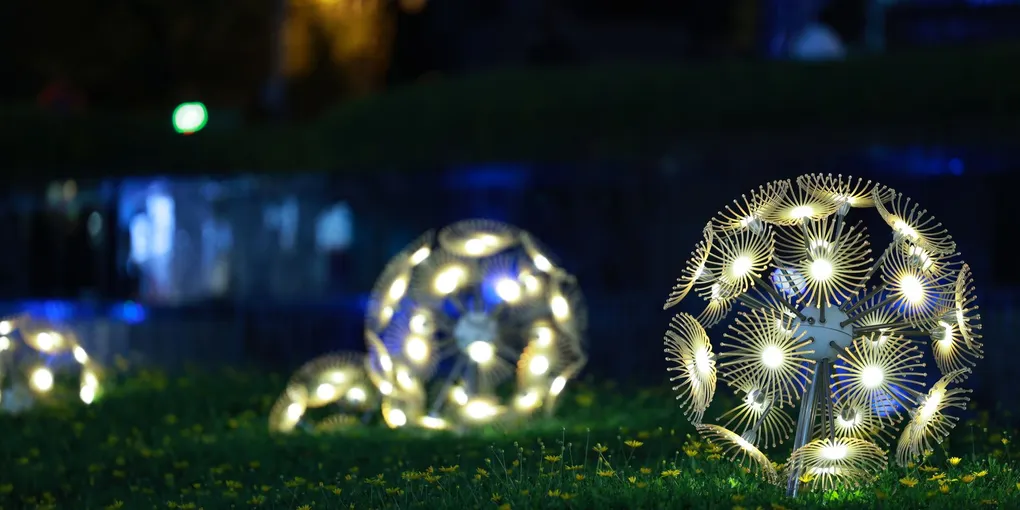
Outdoor lighting installation costs $100–$500 for a DIY solar or low-voltage landscape kit. Professional landscape lighting systems cost $2,000–$8,000 for a complete yard installation. Hardwired exterior fixtures (front door light, garage sconce, flood light) cost $100–$400 per fixture installed by an electrician. Low-voltage LED path lighting kits ($80–$200) are the most accessible DIY option.
Frequently Asked Questions
How much does outdoor lighting installation cost?
Outdoor lighting costs by type: solar path lights (no wiring) $50–$200 for 6-8 light kit; low-voltage LED path/landscape system $150–$800 for DIY kit, $1,500–$4,000 professionally designed and installed; single hardwired exterior fixture (porch light, sconce) $100–$400 installed by electrician; hardwired flood light or security light $150–$500 installed; full landscape lighting design (path lights, uplights, well lights, tree lights) $2,500–$10,000 for a ¼ acre yard; smart outdoor lighting system (app control, timer, motion) adds $200–$600 to any installation.
What is the difference between low-voltage and line-voltage outdoor lighting?
Low-voltage outdoor lighting (12V) runs off a transformer plugged into a standard outlet — safe to handle, DIY-installable, and energy-efficient. Most landscape path lights, uplights, and accent lights use low-voltage systems. Line-voltage outdoor lighting (120V) runs off standard household current — requires licensed electrician to run new circuits, more dangerous to handle, but delivers higher output suitable for flood lights, security lights, and high-output area lighting. DIY rule: low-voltage 12V systems (transformer + wire + fixtures) are safe for homeowners. Line-voltage runs and fixture connections require licensed electrical work in most jurisdictions.
How many lumens do outdoor lights need?
Outdoor lighting by application: path lights (to see where you're walking) 100–200 lumens per fixture; landscape accent (uplighting trees, highlighting features) 200–400 lumens; security flood light (motion-triggered, deter intruders) 700–1,300 lumens; garage area or driveway flood 800–2,000 lumens; porch or entry (welcoming light) 400–800 lumens. For context: a 60W incandescent bulb produces 800 lumens; a 40W equivalent LED produces ~450 lumens. Outdoor lights don't need to be bright — most homeowners overbuy lumens. Landscape lighting at 150–200 lumens per path light is elegant; at 700 lumens it looks like a runway.
What is the best outdoor lighting for security?
Security lighting recommendations by effectiveness: (1) Motion-activated flood lights (700–1,500 lumens, battery or wired) at $25–$150 per fixture — most cost-effective deterrent; (2) Dusk-to-dawn fixtures with photocell (stay on all night, no motion required) — $40–$120 per fixture; (3) Smart lights with phone alerts and camera integration (Ring Floodlight, Arlo Pro floodlight) — $100–$300 per fixture; (4) Full landscape illumination (eliminates dark hiding spots) — $2,000–$8,000 professionally installed. NEFPA research shows exterior lighting combined with motion sensors is the most consistent residential security deterrent short of an alarm system.
Should I hire an electrician or do low-voltage lighting myself?
Low-voltage (12V) landscape lighting is fully DIY: plug the transformer into an exterior outlet, run wire through the landscape, and spike fixtures into the ground or attach to existing structures. No permit required, no electrician needed, no safety risk at 12V. Hire an electrician for: running new 120V circuits to exterior locations; installing wired security flood lights; installing hardwired porch sconces or garage lights (requires junction box and circuit); and smart outdoor lighting that needs a new switched circuit. The electrician cost ($100–$200/hr, $400–$1,500 for a typical exterior circuit) is offset by the durability and performance of hardwired 120V systems versus low-voltage.
How do I choose between solar and wired outdoor lights?
Solar outdoor lights are convenient (no wiring) and improving but have real limitations: (1) Output degrades significantly in winter and on north-facing locations; (2) batteries degrade over 2–3 years, requiring replacement; (3) brightest solar path lights still produce 100–200 lumens — half the output of wired equivalents. Solar is best for: path lights in full sun exposure, decorative accent lighting, and supplemental ambiance lighting. Choose wired (low-voltage or line-voltage) for: any security lighting, area lighting, and permanent installations where consistent performance year-round matters. A hybrid approach — wired for security and entry lights, solar for decorative path and accent — is the most practical combination.
Outdoor lighting installation costs $100–$500 for a DIY solar or low-voltage landscape kit. Professional landscape lighting systems cost $2,000–$8,000 for a complete yard installation.
Outdoor lighting is among the highest visual-impact improvements per dollar spent — a $300 low-voltage kit transforms the nighttime appearance of a yard that cost $30,000 to landscape. The skill and cost range is wide: a DIY solar kit takes an afternoon, while a professionally designed hardwired landscape system requires an electrician and landscape lighting designer.
Cost by Lighting Type
| Type | DIY Cost | Professional Cost |
|---|---|---|
| Solar path lights (6-pack) | $30–$120 | N/A |
| Low-voltage LED kit (8–12 lights) | $80–$200 | $500–$1,200 |
| Full landscape lighting system | $300–$800 materials | $2,500–$8,000 |
| Single exterior fixture (hardwired) | $40–$120 (fixture only) | $150–$400 installed |
| Security flood lights (2-pack) | $50–$200 | $250–$600 installed |
| Smart outdoor system (Ring, Arlo) | $150–$500 | $400–$900 installed |
Solar vs. Low-Voltage vs. Hardwired
| Factor | Solar | Low-Voltage 12V | Hardwired 120V |
|---|---|---|---|
| Installation complexity | None | Low (DIY) | Requires electrician |
| Permit required | No | No | Often yes |
| Winter performance | Poor | Good | Excellent |
| Output consistency | Variable | Consistent | Consistent |
| Cost | Lowest | Low-medium | Highest |
| Best for | Accent, path | Path, accent, security | Security, entry, area |
What a Professional Landscape Lighting Installation Includes
When you hire a professional landscape lighting designer/installer, the quote typically covers:
| Component | Professional Install Cost |
|---|---|
| Design consultation (site walk) | $100–$300 (often credited toward install) |
| Transformer (150–300W, programmable) | $150–$400 |
| Low-voltage wire (per 100 ft) | $15–$40 |
| Path light fixtures (each, installed) | $75–$200 |
| Uplight / accent fixtures (each, installed) | $100–$250 |
| In-ground well lights (each, installed) | $150–$350 |
| Tree-mounted down lights (each, installed) | $150–$300 |
| Conduit runs under hardscape | $100–$300 per section |
Typical full-yard system (1/4-acre lot): 10–16 path lights + 6–10 uplights + 2–4 security floods = $3,000–$8,000 professionally installed.
The premium over DIY is significant but professional systems use higher-quality brass and copper fixtures (50-year lifespan vs. 5–15 years for aluminum), and the design quality — placement angles, beam widths, layering — is difficult to replicate without experience.
Best Low-Voltage Lighting Brands for DIY
| Brand | Category | Price Range | Notes |
|---|---|---|---|
| Kichler | Mid-premium | $25–$80/fixture | Excellent quality, wide selection, often available at Home Depot |
| Volt Lighting | Premium | $40–$120/fixture | Best online-only brand, copper and brass options |
| LEONLITE | Budget | $10–$25/fixture | Good value starter kits, Amazon |
| Hampton Bay | Budget | $8–$20/fixture | Home Depot house brand, acceptable quality |
| Malibu | Budget | $6–$15/fixture | Widely available, affordable but shorter lifespan |
Long-term value: budget aluminum fixtures degrade (oxidize, corrode) in 3–7 years in wet climates. Brass and copper fixtures last 20–50+ years and can be a better investment for established landscapes you don’t plan to replant.
Smart Outdoor Lighting Options
Smart outdoor lighting allows app control, scheduling, motion integration, and home automation connections.
| System | Best For | Cost |
|---|---|---|
| Kasa Smart (TP-Link) outdoor plug | Converting any wired fixture to smart | $20–$40 per outlet |
| Philips Hue Outdoor | Premium color-changing smart bulbs | $50–$150 per fixture |
| Ring Floodlight Cam | Security + camera integration | $100–$250 per unit |
| Arlo Pro 4 Spotlight | Premium security camera + light | $150–$250 per unit |
| Low-voltage smart controller | App-control for 12V landscape systems | $60–$150 |
The simplest smart upgrade: plug a smart outdoor outlet timer ($20–$40) into the existing landscape transformer outlet — this gives you app control, scheduling, and voice assistant integration without replacing any fixtures.
Energy Cost: LED vs. Older Halogen Landscape Lights
Most landscape lighting installed before 2015 used MR16 halogen bulbs (20–35W each). LED replacement bulbs or full LED fixture replacements pay back in 1–2 years.
| Scenario | Halogen | LED | Annual Savings |
|---|---|---|---|
| 10 path lights × 20W × 2,000 hrs/year | $40/year | $4/year | $36/year |
| 8 uplights × 35W × 2,000 hrs/year | $56/year | $8/year | $48/year |
Full LED conversion of a 20-fixture halogen system saves $80–$100/year in electricity and eliminates frequent bulb replacements (halogen MR16s burn out every 1–3 years; LED equivalents last 25,000+ hours / 12+ years).
Exterior Fixture Installation: What It Costs per Fixture
Single hardwired exterior fixtures (porch light, sconce, flood light) installed by an electrician:
| Fixture Type | Installation Cost | Notes |
|---|---|---|
| Porch light / sconce (existing box) | $100–$250 | Swap existing — no new wiring |
| Porch light / sconce (new box) | $200–$400 | Requires running wire and installing junction box |
| Flood / security light (motion-triggered) | $150–$500 | Higher if no existing circuit nearby |
| Garage entry light | $100–$250 | Usually existing circuit |
| Outdoor ceiling fan with light | $200–$500 | Requires fan-rated ceiling box |
| Landscape system (one circuit) | $400–$900 | Transformer outlet + one buried circuit |
Regional Outdoor Lighting Installation Cost Variations
Outdoor lighting costs track local electrician rates and landscape contractor pricing:
| Region | Single Hardwired Fixture (installed) | Low-Voltage System (12 lights, installed) | Full Landscape System (1/4-acre) |
|---|---|---|---|
| Northeast (NY, MA, NJ) | $175–$450 | $1,800–$5,000 | $4,000–$10,000 |
| Mid-Atlantic (DC, MD, VA) | $160–$400 | $1,600–$4,500 | $3,500–$9,000 |
| Southeast (FL, GA, TX) | $120–$320 | $1,200–$3,500 | $2,500–$7,000 |
| Midwest | $130–$340 | $1,300–$3,800 | $2,800–$7,500 |
| Pacific (CA, WA, OR) | $170–$420 | $1,700–$4,800 | $3,800–$9,500 |
Questions to Ask Your Outdoor Lighting Installer
- For landscape systems: will you provide a lighting plan showing fixture locations and beam angles before installation? — a lighting design on paper catches placement mistakes before fixtures are staked in the ground; any professional installer should provide this
- Are the fixtures brass or aluminum, and what is the expected lifespan in my climate? — brass and copper fixtures last 20–50+ years; aluminum fixtures last 5–15 years; the difference in per-year cost favors brass for permanent installations in wet climates
- What transformer size will you use, and is it sized for future expansion? — a system sized to 80% of transformer capacity allows adding fixtures without replacing the transformer; oversized transformers are a common upsell, undersized ones limit future expansion
- For hardwired fixtures: will you pull the permit if required? — any new 120V exterior circuit typically requires a permit in most jurisdictions; a licensed electrician should handle this
- What warranty covers the fixtures and the installation labor separately? — manufacturer warranties cover the fixture (typically 1–5 years for most brands); installer should separately warrant their labor (1–2 years minimum) against wiring connections failing or fixtures going dark
DIY supplies (if you tackle it yourself)
- Solar path lights (set of 8)
- Low-voltage landscape lighting kit
- Outdoor motion sensor light
- Landscape wire (12/2 direct burial)
Related Reading
- How to Install Outdoor Lighting
- Light Fixture Installation Cost
- Recessed Lighting Installation Cost
- Electrician Cost
- Landscaping Cost
- Best Home Security Cameras — pair outdoor lights with camera coverage
- Annual Home Maintenance Schedule
- Draw your lighting plan before buying any fixtures
Effective outdoor lighting is layered — path safety + accent/visual interest + security. Map three zones: (1) path and entry zones (visible walking paths, front door, driveway edge — safety-focused); (2) accent zones (trees, architectural features, garden beds — design-focused); (3) security zones (dark corners of yard, side gate entries, rear of garage — security-focused). Mark these zones on a sketch and count fixtures needed per zone. This prevents the most common mistake: buying 8 path lights and realizing you need 20, or buying large flood lights for what should be subtle accent lighting. Most 1/4-acre residential yards need: 12–20 path lights, 4–8 uplights/accent lights, 2–4 security flood lights.
- For low-voltage systems: size the transformer to 80% of total wattage
Low-voltage transformer sizing: add up the wattage of all fixtures on the system (12V LED path lights are typically 1–5W each; uplights 4–10W). The transformer capacity must be 120–125% of total load. An 8-light system with 3W fixtures = 24W load — a 30W transformer works; a 150W transformer is massive overkill for the same system. Oversized transformers don't harm anything but are wasteful. Most DIY kits include a 120–150W transformer, sufficient for 12–30 LED fixtures. Add the optional timers and photocells available on mid-range transformers ($60–$120) — automatic dusk-to-dawn is the single most convenient outdoor lighting upgrade.
- Run landscape wire before planting — retrofitting is twice the work
Low-voltage landscape wire should be buried 3–6 inches deep (or at minimum laid under a 3-inch mulch cover) to prevent trip hazards and UV degradation. The most efficient installation sequence: run the wire when landscaping is being done (planting, mulching, hardscape work) rather than after. Exposed wire in established planting beds is difficult to hide and snag-prone. For established landscapes: use a slit trencher ($50/day rental) to cut a narrow slot through lawn without disturbing roots, lay wire, and backfill. Wire splices (tap connectors) degrade in wet soil — bury main wire runs and minimize in-ground splices.
- Position uplights and accent fixtures for impact before finalizing
Landscape lighting placement is highly dependent on shadow angles and sight lines from key viewing locations (inside the house looking out, from the patio or deck, from the driveway entry). Before permanently setting uplights, use a flashlight in the dark to test placement angles on trees and features. Small shifts of 12–18 inches and 5–10 degrees of aim change the visual impact significantly. Uplighting best practices: aim at the canopy spread, not the trunk (trunk-lit trees look like stage set pieces); use narrow-beam (15–25 degree) fixtures for tall trees, wide-beam (40–60 degree) for shorter shrubs; grazing a textured wall at a flat angle creates dramatic shadow texture.
- Use warm white (2700–3000K) for residential landscape — avoid cool white
Color temperature choice dramatically affects the result: 2700K (warm white, slightly golden) — the standard for residential landscape lighting, looks natural and inviting in evening context; 3000K (soft white) — slightly brighter-appearing, still appropriate; 4000K+ (neutral to cool white) — looks clinical and institutional in residential landscape context. LED fixtures specify color temperature — look for 2700K or 3000K exclusively for outdoor residential use. In store and online, LED products often default to 5000K 'daylight' temperature which is appropriate for workshop lighting but looks harsh and unattractive in evening landscape settings. Most landscape lighting made in the last 5 years defaults to 3000K — still warm.
Free: 10-Point Home Maintenance Checklist
Prevent costly repairs with this seasonal checklist. Save hundreds every year by catching problems early.
Your checklist is ready!
Open Checklist →Something went wrong. View the checklist here.