How to Install Outdoor Lighting: Path Lights, Flood Lights, and String Lights
A practical DIY guide to installing outdoor lighting — covering low-voltage landscape lights, line-voltage flood and security lights, string lights, and solar options.
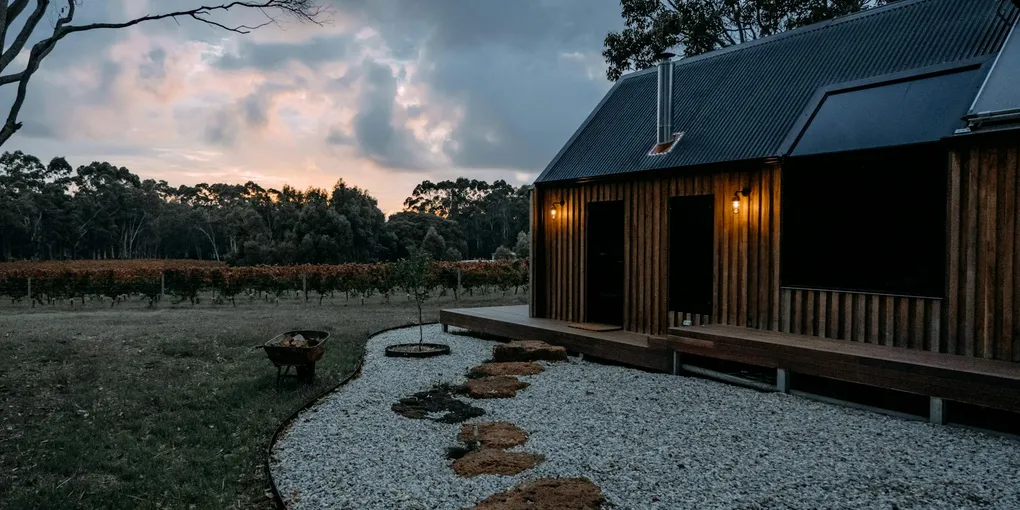
Installing outdoor lighting: (1) Low-voltage landscape path lights (12V): connect a transformer to a GFCI outlet, run 12/2 low-voltage wire along the path, and connect each fixture with a quick-connect splice. No electrician needed. (2) Line-voltage flood or security lights (120V): turn off the breaker, connect to an existing outdoor box or install a new weatherproof box on an exterior wall (requires a permit in most areas). Run cable through conduit if exposed. Black-to-black, white-to-white, ground-to-ground. (3) String lights: connect to a GFCI outdoor outlet; hang between anchor points using eye hooks and hanging hardware. (4) Solar lights: push stakes into soil, charge in full sun — no wiring required. For any hardwired line-voltage work, check local permit requirements; outdoor electrical adds fire and shock risk and may require inspection.
Frequently Asked Questions
Can I install outdoor lights myself without an electrician?
It depends on the type. Low-voltage landscape lighting (12V transformer systems) is fully DIY — no permit required. Replacing an existing line-voltage fixture (porch light, flood light on an existing circuit) is also DIY in most jurisdictions. Running a new 120V circuit for outdoor outlets or new fixtures requires a permit and, in most cases, a licensed electrician. String lights plugged into an outdoor outlet require no electrical work at all.
What is the difference between low-voltage and line-voltage outdoor lighting?
Low-voltage systems run at 12 volts AC through a transformer plugged into a standard outlet. Safe to touch, easy to splice, no permit needed, and appropriate for path lights, spotlights, and landscape accent lights. Line-voltage systems run at 120V — standard household current. Required for flood lights, security lights, and any high-output fixture. More powerful and more permanent, but handling 120V wiring requires following NEC code and, for new circuits, a licensed electrician.
How do I run wire for outdoor lighting?
Low-voltage wire can run on the ground surface temporarily, but direct-burial is best for a permanent install — bury 6 inches deep in a narrow trench alongside a path or bed. Line-voltage wire run outdoors must be in conduit (rigid metal, IMC, or Schedule 40 PVC) except for UF-B cable which is rated for direct burial at 12 inches depth. All outdoor wiring must terminate in weatherproof boxes with appropriate conduit fittings.
How do I connect outdoor lights to a timer or smart switch?
For low-voltage systems, most transformers include a built-in timer and photocell — set the on/off time on the transformer directly. For line-voltage fixtures, replace the wall switch with a smart switch (Lutron Caseta, Leviton, Kasa) or plug into an outdoor smart plug. Smart plugs are the easiest option for string lights and portable outdoor fixtures — they add scheduling, automation, and remote control without opening any electrical boxes.
What outdoor lighting doesn't require electrical wiring?
Solar-powered path lights, spot lights, and string lights require no wiring at all. They charge during the day and activate at dusk automatically. Quality has improved significantly — modern solar path lights from brands like GIGALUMI and Solpex provide 6–10 hours of light per charge. Limitations: output is lower than wired lights, performance drops significantly in winter or cloudy climates, and they require positioning in direct sunlight to charge effectively.
How do I waterproof outdoor electrical connections?
For low-voltage landscape wire splices, use the waterproof T-connectors that come with most kits — they pierce the wire insulation without cutting and seal the connection. For line-voltage connections outdoors, all splices must be inside a weatherproof junction box with a NEMA 3R or better rating. Use weatherproof wire nuts (filled with grease) inside the box, and seal conduit entries with weatherproof fittings. Never leave a 120V wire splice under a cap in open air, even temporarily.
Installing outdoor lighting: (1) Low-voltage landscape path lights (12V): connect a transformer to a GFCI outlet, run 12/2 low-voltage wire along the path, and connect each fixture with a quick-connect splice. No electrician needed.
Outdoor lighting falls into three distinct categories that use different installation methods, tools, and skill levels: low-voltage landscape path lights, line-voltage security and flood lights, and decorative string lights. This guide covers all three, plus solar as a no-wire alternative. Start with whichever type fits your project — you don’t need to read all sections to install one type.
Low-Voltage Landscape Lighting
Low-voltage systems run at 12V through a plug-in transformer and are the most accessible outdoor lighting project for DIYers. No permit, no conduit, no license required.
How the System Works
- A transformer plugs into a standard outdoor GFCI outlet and steps down 120V to 12V AC
- Low-voltage cable (12 or 14 gauge, two-conductor) runs from the transformer along the installation path
- Fixtures attach to the cable using T-tap connectors that pierce the insulation without cutting the wire
- Multiple fixtures daisy-chain on a single cable run
Low-voltage landscape lighting kit — kits include transformer, cable, and fixtures for $50–$150 and are the easiest starting point.
Transformer Sizing
Add up the wattage of all fixtures on a transformer. The transformer must exceed the total:
| Transformer Wattage | Max Fixture Load |
|---|---|
| 100W | 10 x 8W fixtures, or 20 x 4W LEDs |
| 150W | 15 x 8W fixtures |
| 300W | 30 x 8W fixtures, or 60 x 4W LEDs |
Start with a 150W transformer even if you only have 10 fixtures — room to expand. Undersized transformers reduce light output on all fixtures.
Wire Run and Voltage Drop
Low-voltage systems lose voltage over long wire runs. Fixtures at the end of a long run will be dimmer.
- Keep any single wire run under 100 feet for 12-gauge cable
- For runs longer than 100 feet, use 10-gauge low-voltage cable
- Run multiple shorter cables from the transformer rather than one long daisy chain
Landscape wire, 12-gauge direct burial — buy direct-burial rated wire even if you’re running on the surface; it’s more UV-resistant.
Fixture Spacing
Path lights along a walkway or bed edge: space fixtures 6–10 feet apart for continuous illumination. Closer spacing (4–6 feet) creates a runway effect that’s typically too intense. For spotlights aimed at trees or shrubs, position the fixture 12–24 inches from the base of the plant and angle up at 30–45 degrees.
Installation Steps
- Plan the layout on paper — mark transformer location, wire path, and fixture positions
- Install the transformer on an outdoor GFCI outlet (mount to a wall or post with provided hardware)
- Lay the cable along the planned path before burying — confirm the run is correct
- Attach fixtures using T-tap connectors, pressing the connector firmly until both prongs pierce the cable
- Stake fixtures in place
- Bury cable 6 inches deep if this is a permanent install — a flat-blade spade works well for cutting a narrow slot in turf
- Connect cable to transformer terminals and set the timer/photocell on the transformer
- Turn on and confirm all fixtures illuminate
Line-Voltage Flood and Security Lights
Line-voltage fixtures run at 120V and provide substantially more light output than low-voltage systems. Common applications: motion-activated security lights, floodlights over driveways or garages, and high-lumen area lighting.
What Requires a Permit and What Doesn’t
DIY without a permit (in most jurisdictions):
- Replacing an existing outdoor light fixture on an existing circuit with a new fixture of the same type
- Adding a motion sensor to an existing fixture location
- Replacing a standard outdoor outlet with a GFCI outlet
Requires a permit, and typically a licensed electrician:
- Running a new outdoor circuit from the panel
- Adding new outlet boxes in locations that didn’t previously have electrical
- Installing outdoor lighting on new circuits (for decks, garages, outbuildings)
When in doubt, call your local building department. Many jurisdictions allow homeowner-performed work on their own primary residence with a permit, even for new circuits — but you’ll need inspection.
Replacing an Existing Fixture
This is fully DIY and requires only basic electrical tools.
Tools needed: Voltage tester, flathead and Phillips screwdrivers, wire strippers, needle-nose pliers, exterior-rated wire nuts
- Turn off the circuit at the breaker
- Confirm power is off with a non-contact voltage tester — test at the fixture before touching any wires
- Remove the old fixture mounting screws and pull the fixture away from the wall
- Note how existing wires are connected (take a photo): black to black, white to white, green/bare to green/bare ground
- Disconnect old fixture and connect new fixture using the same wire pairings
- Mount new fixture to the junction box — ensure the gasket seats fully against the mounting surface for weather seal
- Restore power and test
Outdoor flood light with motion sensor — dual-head motion security lights replace most single-fixture outdoor boxes directly.
Mounting Height and Aim
Mount flood lights 6–10 feet high for security coverage. Higher is not always better — a light at 15+ feet may cast shadows that reduce coverage at ground level.
Aim motion sensors so they activate at the driveway or approach path, not at the street (reduces false triggers). Most sensors have adjustable range (10–70 feet) and sensitivity controls on the fixture head.
String Lights
Outdoor string lights are the simplest electrical project — they plug into a standard outdoor outlet. The installation work is mechanical: mounting the support posts or anchor points and running the catenary.
Post Mounting Method
For a freestanding string light installation where there are no walls or trees to anchor to:
- Set 4x4 or 6x6 posts in the ground (same method as fence posts — 24-inch minimum depth in concrete) or use ground spike anchors for impermanent setups
- Space posts no more than 12 feet apart for typical string lights; heavier commercial-gauge strings can span 15–20 feet
- Attach screw eyes or hooks to post tops
- Run string lights between hooks
Outdoor string lights for patio — commercial-grade (S14 or G40 bulbs on 18-gauge cord) last longer than cheaper cafe string light sets.
Catenary Method
For longer spans, run a steel guide wire between anchor points first, then drape string lights along the guide wire.
- Use 3/32” or 1/8” galvanized aircraft cable or multi-strand wire
- Tension with turnbuckles at each end
- Attach string lights to the guide wire with cable ties or loops every 18–24 inches
- The guide wire bears the load; the string light cord is decorative
This is the right method for any span over 12 feet or for permanent installations subject to wind.
Timer and Smart Plug
Plug string lights into an outdoor smart plug for scheduling and remote control. No wiring required — smart plugs install in seconds.
Outdoor smart plug with timer — choose a weatherproof model rated for outdoor use (ETL or UL listed). Most allow scheduling through a phone app and integrate with Alexa and Google Home.
Set string lights to turn on at sunset and off at midnight — most smart plugs can automate this based on local sunset time without any manual adjustment through the seasons.
Going Solar
Solar-powered outdoor lights eliminate all wiring and work on any surface that gets direct sun for 6+ hours per day.
Best uses:
- Path lights along a sunny walkway
- Accent lights on fence posts or garden beds
- Decorative lanterns on patios and porches
Limitations:
- Output is lower than wired lights — typically 10–30 lumens for path lights vs. 100–400 lumens for wired equivalents
- Performance drops 30–50% in winter months or extended overcast periods
- Fixtures must be placed in direct sun — shaded areas near trees or under eaves will not charge adequately
- Batteries degrade over 2–3 years and eventually need replacement (most solar fixtures use AA NiMH — cheap to replace)
Outdoor electrical weatherproof junction box — if you’re extending an existing circuit to add outlets for string lights or a transformer, all outdoor splices need a weatherproof box.
For homes with adequate sun exposure and low-to-moderate lighting needs, solar path lights and spotlights are a practical zero-wiring option that requires only positioning and occasional battery replacement.
Related Reading
- Outdoor Lighting Installation Cost — professional pricing, low-voltage vs. hardwired cost comparison
- How to Install a Porch Light
- How to Install a Smart Doorbell
- How to Install a Motion Sensor Light
- Best Home Security Cameras — pair outdoor lights with camera coverage for full perimeter security
- Low-Voltage Landscape Lighting
Low-voltage systems run at 12V through a plug-in transformer and are the most accessible outdoor lighting project for DIYers. No permit, no conduit, no license required.
- Line-Voltage Flood and Security Lights
Line-voltage fixtures run at 120V and provide substantially more light output than low-voltage systems. Common applications: motion-activated security lights, floodlights over driveways or garages, and high-lumen area lighting.
- String Lights
Outdoor string lights are the simplest electrical project — they plug into a standard outdoor outlet. The installation work is mechanical: mounting the support posts or anchor points and running the catenary.
- Going Solar
Solar-powered outdoor lights eliminate all wiring and work on any surface that gets direct sun for 6+ hours per day.
Free: 10-Point Home Maintenance Checklist
Prevent costly repairs with this seasonal checklist. Save hundreds every year by catching problems early.
Your checklist is ready!
Open Checklist →Something went wrong. View the checklist here.