How to Install a Deadbolt Lock (New Door or Replacing Old) 2026
Install a deadbolt on a new door or replace an old one in under an hour. Step-by-step guide covering hole drilling, strike plate reinforcement, and alignment troubleshooting.
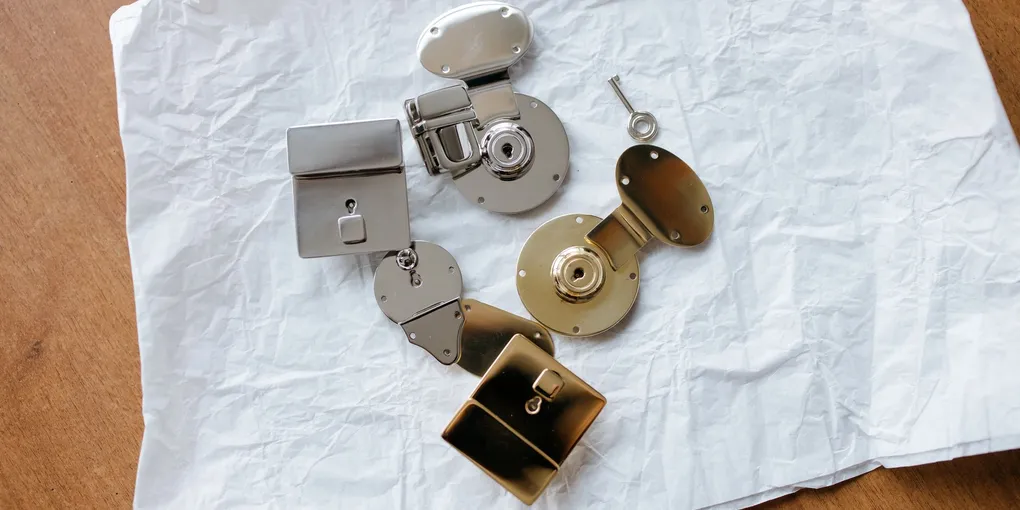
Installing a deadbolt on an existing door hole takes 20–30 minutes — insert the cylinder, thread the tailpiece through, attach the thumb turn assembly, and install the strike plate. Drilling a new hole takes 45–60 minutes and requires a 2-1/8 inch hole saw. Reinforce the strike plate with 3-inch screws into the stud for real security — the standard 3/4-inch screws that come in the box are kicked in with one boot.
Frequently Asked Questions
How hard is it to install a deadbolt yourself?
Very straightforward if replacing an existing deadbolt — remove the old one, install the new one in the same holes. New door installation requires drilling a 2-1/8 inch hole through the door face and a 1-inch hole through the door edge — a deadbolt installation kit ($15–$25) includes the hole saws and a jig to center the holes correctly. Total time: 45–60 minutes for a new install, 20–30 to replace an existing.
What size hole does a deadbolt require?
Standard deadbolts require a 2-1/8 inch (54mm) hole in the door face for the cylinder, and a 1-inch (25mm) hole through the door edge for the bolt. The edge hole must be centered exactly 2-3/8 inches or 2-3/4 inches from the edge of the door (this is the 'backset' — check your door or buy an adjustable-backset deadbolt). Most modern deadbolts have an adjustable backset that fits both.
Do I need to reinforce the deadbolt strike plate?
Yes, if security is the goal. The standard strike plate installs with 3/4-inch screws that only bite into the door jamb wood — not the structural framing stud behind it. One kick breaks this. Replace the standard plate with a heavy-duty reinforced strike plate and use 3-inch screws that drive through the jamb into the door frame stud. This is the single highest-impact security upgrade you can make to any exterior door.
What is the difference between a keyed deadbolt and a smart deadbolt?
A keyed deadbolt uses a physical key from outside and a thumb turn inside. A smart deadbolt adds keypad entry, phone app control, and auto-lock via motor — but most smart deadbolts still accept a physical key as backup. Smart deadbolts cost $100–$300 vs. $25–$80 for standard keyed. For most exterior doors: a keyed deadbolt for the front door plus a smart lock on the entry you use most often is a practical combination.
My deadbolt bolt sticks — it doesn't slide smoothly. How do I fix it?
Sticky bolt is almost always a door alignment issue. Check: (1) Is the bolt aligned with the strike plate hole? Hold the bolt halfway extended and close the door slowly — the bolt should enter the strike plate cleanly. If not, adjust the strike plate or plane the door jamb. (2) Is the door square in the frame? A twisted or settling door can bind the bolt. Adjust the hinge screws (a longer screw in the top hinge fixes most sagging door issues). (3) Lubricate the bolt mechanism with graphite spray or dry Teflon spray.
Installing a deadbolt on an existing door hole takes 20–30 minutes — insert the cylinder, thread the tailpiece through, attach the thumb turn assembly, and install the strike plate. Drilling a new hole takes 45–60 minutes and requires a 2-1/8 inch hole saw.
A deadbolt is the primary security layer on any exterior door. Installing or replacing one is a beginner-level project. Here’s how to do it right — including the security reinforcement that most tutorials skip.
What you need
For replacing an existing deadbolt:
- New deadbolt (same or adjustable backset)
- Phillips screwdriver
- 3-inch screws (to reinforce the strike plate)
For installing on a new door hole:
- Deadbolt installation kit with jig — $15–$25, includes 2-1/8” and 1” hole saws and a centering jig
- Drill
- Chisel and hammer (for the strike plate mortise)
- Tape measure, pencil
Choosing a deadbolt:
- Schlage B60N keyed deadbolt — $40–$60, Grade 1 ANSI rating, the standard recommendation for exterior doors
- Kwikset 980 deadbolt — $35–$55, Grade 1, SmartKey re-key feature
- Schlage B62N double-cylinder — $50–$75, keyed on both sides (prevents glass-break entry, but requires a key to exit — fire hazard concern)
- Schlage BE365 keypad deadbolt — $100–$140, basic keypad entry
- Schlage Encode Plus smart deadbolt — $200–$250, HomeKey, Apple Home, Alexa, Google
Security rating: Look for ANSI Grade 1 (strongest) or Grade 2 (standard residential). Grade 3 is low-security, often sold at discount stores.
Option A: Replacing an existing deadbolt
-
Remove the old deadbolt. Unscrew the interior mounting plate (usually 2 screws). The cylinder pulls through from outside once the interior plate is removed. Unscrew and remove the strike plate from the door jamb.
-
Check the backset. Measure from the edge of the door to the center of the existing hole — 2-3/8” or 2-3/4”. Your new deadbolt must match, or buy one with an adjustable backset (most modern deadbolts adjust to both).
-
Install the new bolt assembly. Insert the bolt body into the edge hole. Fasten the face plate to the door edge with the included screws.
-
Insert the cylinder. Insert the exterior cylinder through the door face, ensuring the tailpiece bar (the flat metal bar extending from the back of the cylinder) goes through the hole in the bolt body.
-
Attach the interior thumb turn. Connect it to the cylinder’s tailpiece and screw the interior plate to the door face. Don’t overtighten — the cylinder needs to turn freely.
-
Test the mechanism. Use the key and the thumb turn. The bolt should extend and retract smoothly.
-
Reinstall the strike plate — but see the reinforcement step below before using the included short screws.
Option B: New door installation (drilling fresh holes)
Mark the door
Standard deadbolt height is 6–12 inches above the door knob (typically 44 inches from floor). Mark the center point for the face hole.
Use the installation template (from the kit or included with the deadbolt) to mark the exact center of the 2-1/8” face hole and the center of the 1” edge hole.
Drill the face hole
Install the 2-1/8” hole saw in your drill. Drill from the exterior face until the pilot bit just exits the interior face — stop here. Finish drilling from the interior face. This prevents blowout and splintering on the visible face surfaces.
Drill the edge hole
Install the 1” hole saw (or spade bit). Drill from the edge of the door, keeping the drill perfectly horizontal. The hole must align precisely with the center of the face hole — this is where the jig pays for itself.
Chisel the bolt faceplate mortise
Hold the bolt faceplate over the edge hole and trace its outline with a pencil. Use a sharp chisel to remove wood to exactly the depth of the faceplate — the faceplate should sit flush with the door edge.
Install the bolt body and cylinder as described in Option A above.
The most important step: reinforcing the strike plate
The standard strike plate that comes in the box uses 3/4-inch screws. These hold only in the door jamb wood — not the structural 2×4 stud behind it. One kick from a 150-lb person can pop the door open.
Reinforced strike plate installation:
- Remove the existing strike plate.
- Install a heavy-duty reinforced strike box strike plate — a box-style plate with a metal cup that the bolt extends into. $10–$25.
- Mark and chisel a mortise for the box portion.
- Drive the screws through the jamb into the structural stud — you need 3-inch screws that reach the framing. Screws this long will bridge the gap.
Finding the stud: The door stud (king stud) runs alongside the door opening, typically 1.5–3 inches behind the jamb. A magnet on the jamb will detect the nails or screws holding the jamb to the stud.
This upgrade takes 15 minutes and costs $10. It’s more effective than any deadbolt brand upgrade.
Alignment troubleshooting
Bolt won’t enter the strike plate:
- Hold the bolt halfway out and slowly close the door to see where it misses the strike plate opening.
- Move the strike plate up/down in its mortise (elongate the mortise with a chisel) until aligned.
- If off by more than 1/4 inch vertically, the door may be sagging — try tightening or replacing the top hinge screws with longer ones first.
Bolt sticks, won’t slide smoothly:
- Spray dry graphite lubricant into the keyway and along the bolt. Operate several times.
- Check that the bolt body faceplate is flush — a proud faceplate binds the bolt. Re-chisel the mortise if needed.
Key turns but bolt doesn’t move:
- The tailpiece connection to the bolt body is misaligned. Remove the interior plate and re-seat the cylinder so the tailpiece engages the bolt mechanism.
Related guides
- How to Rekey a Lock — change which keys open the lock without replacing the hardware
- How to Install a Smart Lock — keypad and app-controlled deadbolts
- How to Install a Storm Door — the outer door layer
- Cost to Replace a Front Door — when the door itself is the problem
- Best Smart Locks for Home Security — side-by-side comparison of top models
- Best Home Security Cameras — complete your exterior security setup
- Remove the old deadbolt
Unscrew the two interior mounting plate screws. Pull the interior plate off — the exterior cylinder will then pull through from outside once the plate is removed. Unscrew and remove the strike plate from the door jamb. Note the backset: measure from the door edge to the center of the existing hole — 2-3/8 inch or 2-3/4 inch. Your new deadbolt must match, or buy an adjustable-backset model (most modern deadbolts adjust to both).
- Install the bolt assembly
Insert the new bolt body into the edge hole. The flat metal faceplate should sit flush with the door edge — if it stands proud, chisel the mortise slightly deeper until it sits flush. Fasten the faceplate to the door edge with the included screws.
- Insert the cylinder and connect the tailpiece
Insert the exterior cylinder through the door face. The tailpiece (the flat metal bar extending from the cylinder back) must thread through the slot in the bolt body. If the tailpiece won't reach the bolt mechanism, adjust the length — most cylinders have an adjustable or reversible tailpiece. Align the screw holes in the cylinder with the holes in the door.
- Attach the interior thumb turn and test
Connect the interior thumb turn assembly to the cylinder tailpiece per the instructions (usually threads onto a mounting post). Screw the interior mounting plate to the door face, threading into the cylinder's mounting posts. Do not overtighten — the cylinder must turn freely. Test with the key and thumb turn: the bolt should extend and retract smoothly with no binding.
- Reinforce the strike plate with 3-inch screws
Do not use the short screws included in the box — they only bite into the door jamb wood, not the structural stud behind it. Install a heavy-duty reinforced box strike plate and drive 3-inch screws that penetrate through the jamb into the door frame stud. This single upgrade makes a kicked-in door dramatically harder: the standard short screws fail with one kick; 3-inch screws into the stud require sustained force to break.
Free: 10-Point Home Maintenance Checklist
Prevent costly repairs with this seasonal checklist. Save hundreds every year by catching problems early.
Your checklist is ready!
Open Checklist →Something went wrong. View the checklist here.