How to Rekey a Lock: DIY Guide Without Replacing the Hardware (2026)
Rekey a deadbolt or doorknob lock yourself using a rekeying kit — no locksmith needed. Takes 15 minutes and costs $15–$25 for the kit. Covers Kwikset and Schlage step-by-step.
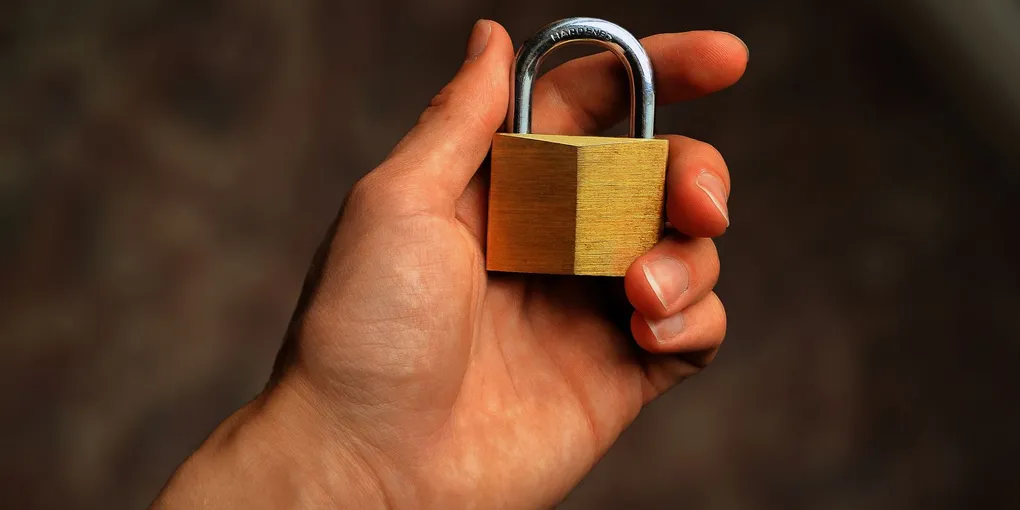
Rekeying a lock changes which key operates it without replacing the hardware. Buy a rekeying kit for your lock brand ($15–$25), remove the cylinder using the included follower tool, swap out the key pins to match your new key, and reassemble. The job takes 15 minutes per lock. Use this when you move into a new home, lose a key, or want to key all your locks to one key — it's cheaper than replacing locks ($150+) and faster than a locksmith ($50–$100 per lock).
Frequently Asked Questions
What is rekeying a lock?
Rekeying changes the internal pin configuration of a lock cylinder so that only a new key operates it. The old key no longer works. The hardware (knob, deadbolt, strike plate) stays the same — only the pins inside the cylinder change. It's faster and cheaper than lock replacement.
When should I rekey vs. replace a lock?
Rekey when: you move into a new home (previous owners or contractors may have copies), you lose a key, you end a relationship with someone who had a key, or you want to re-key all your doors to one master key. Replace the lock when: the hardware is worn, damaged, or you're upgrading to a higher security rating (Grade 1 vs. Grade 3). Rekeying costs $15-25 in parts; replacement costs $50-200.
Can I rekey my own locks?
Yes — most residential deadbolts and doorknobs (Kwikset, Schlage, Weiser, Baldwin) can be rekeyed with brand-specific kits sold at hardware stores. The kits include all necessary tools and replacement pins. The process takes about 15 minutes per cylinder once you've done it once.
Does rekeying work on any lock?
It works on most pin tumbler locks — the standard mechanism in residential deadbolts and doorknobs. It doesn't work on wafer locks (common in older cabinet locks), disc detainer locks, or smart locks with electronic entry. Check that your lock is a standard pin tumbler before buying a kit.
Can I key all my locks to one key after rekeying?
Yes — this is called keying alike or master keying. When you rekey each lock, configure all of them to operate with the same new key. Rekeying kits include enough pins to rekey multiple locks, and the process is the same for each. Most homeowners do front door, back door, and garage entry in one session.
What's the difference between Kwikset and Schlage rekeying?
Kwikset uses a 6-pin system with SmartKey technology on newer locks (which rekeyes without disassembly — just a tool and the old key). Traditional Kwikset and all Schlage locks use pin tumblers that require removing the cylinder. Schlage uses 5 pins and a different keyway, so kits are brand-specific. Don't buy a Kwikset kit for a Schlage lock.
Rekeying a lock changes which key operates it without replacing the hardware. Buy a rekeying kit for your lock brand ($15–$25), remove the cylinder using the included follower tool, swap out the key pins to match your new key, and reassemble.
Rekeying a lock is the smartest first thing to do when you move into any home. Previous owners, contractors, cleaners, neighbors with emergency keys — you don’t know how many copies of the old key are out there. A locksmith charges $50–$100 per lock for this; a rekeying kit lets you do it yourself in 15 minutes for $15–$25 total.
Here’s the full process for standard pin tumbler deadbolts and doorknobs.
What you need
- Rekeying kit for your lock brand — brand-specific, not interchangeable
- Kwikset: Kwikset rekey kit
- Schlage: Schlage rekey kit
- Your new key (the one you want the lock to work with going forward)
- The current working key (needed to remove the cylinder)
- Small flat-head screwdriver
The kit contains: a follower tool (for pushing out the cylinder), a key gauge (for measuring pin heights), replacement key pins in multiple sizes, and instructions.
Kwikset SmartKey locks (easiest — no disassembly)
Newer Kwikset deadbolts with the SmartKey label on the face have a different (simpler) rekeying process that doesn’t require removing the cylinder:
- Insert the current working key and turn 90 degrees clockwise (to the 3 o’clock position).
- Insert the SmartKey tool (or a thin straight tool) into the small hole on the front face of the lock. Push firmly until you feel/hear a click.
- Remove the current key. Insert the new key and turn counterclockwise back to 12 o’clock.
- Remove the new key. The lock is now rekeyed.
Test immediately: the old key should no longer work, the new key should operate the lock smoothly.
Standard Kwikset and all Schlage locks (pin tumbler method)
Step 1: Remove the lock cylinder
For a doorknob:
- Insert the current key and turn it to the unlocked position.
- Look for a small hole or slot on the neck of the knob (just behind the knob face). Insert a small screwdriver or the removal tool included in the kit and press the tab while pulling the knob off.
- Behind the knob you’ll see the cylinder housing. Slide the cylinder out.
For a deadbolt:
- Remove the two screws on the interior escutcheon plate (the face plate on the inside of the door).
- Separate the interior and exterior assemblies.
- The cylinder (the part with the keyway) slides or unscrews out.
Step 2: Remove the retainer ring
On the back of the cylinder, there’s a C-clip or retainer ring holding the plug (the rotating part) inside the cylinder housing. Use the C-clip tool from the kit (or small needle-nose pliers) to remove it. Set it aside — you’ll need it.
Step 3: Use the follower tool to push out the plug
- Insert the current key into the plug and turn it to the unlocked (neutral) position.
- Insert the follower tool — a cylindrical rod — into the back of the cylinder housing, pressing it against the back of the plug.
- While applying pressure with the follower, push the plug out through the front of the cylinder. Keep the follower pressed against the cylinder as you do this — it prevents the driver pins (the top pins) and springs from falling out.
- Remove the current key from the plug.
Step 4: Remove the old key pins
The plug has 5 or 6 pin chambers (holes) running along the top. Tip the plug downward over a white paper or towel — the old key pins (the bottom pins, in varying heights 1–10) will fall out. Keep track of them but you won’t reuse them.
Step 5: Find the correct replacement pins using the key gauge
- Insert your new key into the plug.
- Use the key gauge (included in the kit) to identify which pin height corresponds to each cut on the new key. The gauge has a series of numbered slots — the cut depth of each key position tells you which pin size goes in that chamber.
- Select the appropriate replacement pins from the kit.
Step 6: Install the new key pins
- With the new key still in the plug, drop the correct pin into each chamber. The key helps align the pins and holds them in place.
- Work from the back chamber to the front, or whichever order keeps the pins seated.
- Once all pins are in, the tops of the pins should sit flush with the surface of the plug (not sticking up, not recessed).
Step 7: Reassemble the cylinder
- With the new key still inserted and turned to the unlocked position, slide the plug back into the cylinder housing. The follower tool pushes back as the plug enters.
- Once the plug is fully seated, reinstall the retainer ring/C-clip.
- Remove the new key.
- Reinstall the cylinder into the lock.
- Reinstall the doorknob or deadbolt assembly and escutcheon screws.
Step 8: Test before closing
Before closing the door:
- Test the new key — should turn smoothly in both directions.
- Test the old key — should not turn.
- Test the lock from both sides of the door.
If the new key is stiff or doesn’t turn, open the cylinder back up — one pin is likely the wrong height. The key gauge eliminates most errors but double-check every position.
Keying multiple locks alike
To key all your doors to one key:
- Complete the rekeying process on each lock individually.
- Use the same new key for every lock — just repeat Steps 5–6 for each cylinder, matching the pins to that same key’s cut pattern.
- The same key will now operate every lock you’ve rekeyed.
Most rekeying kits include enough pins for 4–6 locks.
What a locksmith charges
A locksmith charges $50–$100 per lock for rekeying, plus a service call fee of $25–$50. For a home with 3–4 locks, that’s $175–$350. A rekeying kit covers the same job for $15–$25 and 45 minutes of your time.
When to call a locksmith
- Your lock cylinder is stuck and won’t turn with the old key (the cylinder may be damaged or locked up)
- You need to rekey a high-security lock (Medeco, Mul-T-Lock) — these require proprietary tools
- You’re re-keying more than 10 locks and don’t want to spend the afternoon on it
- Your lock is so old that replacement parts aren’t available in standard kits
Related guides
- Cost to Replace Front Door — full door replacement when rekeying isn’t enough
- How to Install a Smart Doorbell — add video security alongside rekeying
- How to Fix a Door That Won’t Close — if the door has problems beyond the lock
- Best Smart Locks for Home Security — keypad and keyless lock recommendations
- How to Fix a Loose Door Handle — tighten handle hardware on the same door
- Annual Home Maintenance Schedule — rekey when to add to your home checklist
- Kwikset SmartKey locks (no disassembly)
Insert the current working key and turn 90 degrees clockwise. Insert the SmartKey tool into the small hole on the face of the lock and push firmly until you feel a click. Remove the SmartKey tool. Remove the current key. Insert the new key and turn 90 degrees counterclockwise. The lock is now rekeyed to the new key. Test with both old key (should not work) and new key (should work).
- Remove the lock cylinder (standard Kwikset/Schlage)
For doorknobs: find the small release hole in the shank using the pin from the kit, press while pulling the knob off. For deadbolts: remove the two screws on the interior escutcheon plate and separate the interior and exterior assemblies. Slide the cylinder out of the lock body.
- Remove the retainer ring and push out the plug
Use the C-clip tool from the kit to remove the retaining clip from the end of the cylinder housing. Insert the current working key into the plug. Use the follower tool to push the plug out from the front while maintaining pressure from behind to keep the driver springs captured.
- Swap the key pins
With the plug out and the current key inserted, tip the plug downward to let the old key pins fall onto a cloth. Insert the new key. Use the key gauge from the kit to identify the correct replacement pin height for each chamber. Drop the correct pins into each chamber in order with the new key holding them in place.
- Reassemble and test
Reinsert the plug into the housing (align the keyway). Push until it seats, then reinstall the retaining ring. Remove the new key. Reinstall the cylinder into the lock body and secure the escutcheon. Test: the old key should not operate the lock; the new key should turn freely.
Free: 10-Point Home Maintenance Checklist
Prevent costly repairs with this seasonal checklist. Save hundreds every year by catching problems early.
Your checklist is ready!
Open Checklist →Something went wrong. View the checklist here.