How to Fix a Sticky Lock: Key Won't Turn, Hard to Operate, and Frozen Deadbolt (2026)
A lock that is difficult to operate has worn tumblers, accumulated debris, or insufficient lubrication. This guide covers lubrication with graphite and silicone, cleaning debris from the keyway, and diagnosing a lock that needs replacement.
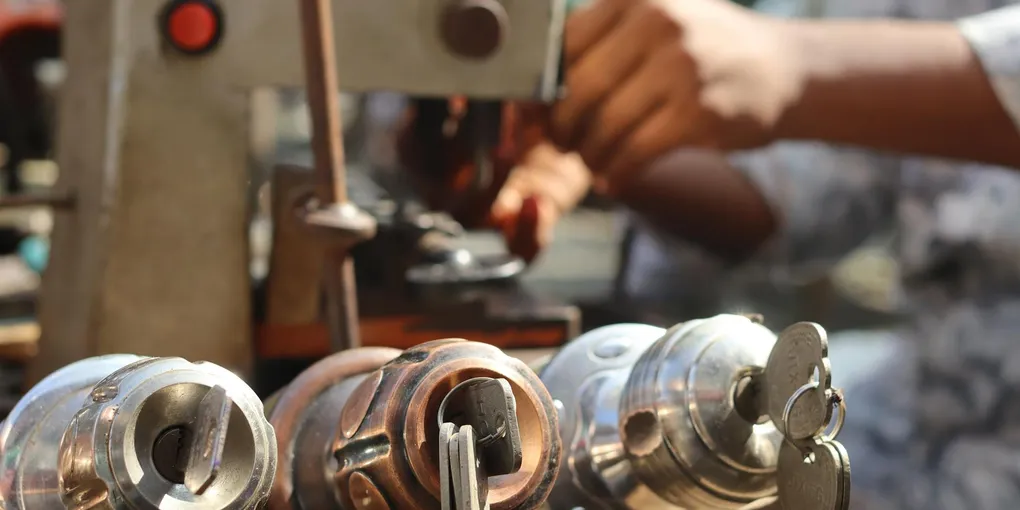
Sticky lock fix: (1) Use dry graphite lubricant — insert the tube nozzle into the keyway and puff a small amount. Insert the key and work it in and out several times. Do not use WD-40 or oil in a lock — it attracts dust and causes buildup. (2) If the key is difficult to insert: debris may be in the keyway. Spray compressed air into the keyway to clear it. (3) If the cylinder turns but the deadbolt doesn't extend: the mechanism is jammed. Remove the lock and inspect the throw bar. (4) A lock that spins freely (no resistance) with the correct key has internal damage — replace it.
Frequently Asked Questions
What lubricant should I use in a door lock?
Dry graphite powder is the traditional and most effective lock lubricant. It is dry, doesn't attract dirt, and penetrates the tumbler stack. Apply by puffing graphite powder directly into the keyway. Alternatives: Teflon-based dry spray lubricants (3-in-1 Dry Lube, WD-40 Specialist Dry PTFE) — similar benefits to graphite, easier to apply without making a mess. Silicone spray: safe and effective, but doesn't penetrate as deeply as graphite in worn locks. Never use: motor oil, cooking oil, or general-purpose WD-40 — these petroleum-based lubricants attract and hold dust, creating a sludge inside the lock that worsens operation over time. Never use graphite in a smart lock or electronic lock — it conducts electricity.
My key goes in but won't turn at all. What is wrong?
Key inserts but won't turn: (1) Wrong key — confirm it is the correct key for this lock. Try a second key if available. (2) Worn key — a worn key that was a marginal cut may no longer reliably operate the tumblers. Take the key to a hardware store and cut a fresh copy. (3) Frozen lock — in cold weather, moisture inside the lock has frozen. Use de-icer spray in the keyway (not water). (4) Lock is misaligned — the deadbolt is partially extended and the cylinder cannot turn to fully retract it. Try turning the key while pushing/pulling the door to relieve pressure on the bolt. (5) Debris in the keyway preventing pin stack engagement. (6) Lock worn beyond service — the internal pins or springs have failed. The lock needs replacement.
The key turns but the deadbolt won't extend or retract. What is the problem?
Key turns with no deadbolt movement: the connection between the cylinder and the bolt mechanism has failed. Causes: (1) The tailpiece (a small metal bar connecting the cylinder to the throw mechanism) has broken or slipped out of the bolt drive. Remove the lock and inspect the tailpiece on the back of the cylinder. (2) The bolt itself is jammed — something is blocking the throw. Inspect the bolt face and the strike plate hole for obstruction. (3) The internal cam mechanism has stripped. In either case: remove the deadbolt, inspect, and replace the tailpiece if broken. If the cam is stripped: the bolt set needs replacement. Replacing a standard single-cylinder deadbolt takes 10 minutes and costs $20–$50.
My lock is difficult in summer but works fine in winter. Why?
Seasonal lock difficulty usually comes from door frame expansion. Wood door frames expand in summer from humidity absorption. As the frame expands, it puts lateral pressure on the door, which transmits to the deadbolt cylinder — the cylinder is being squeezed by the expanding frame, increasing friction. It can also move the door enough that the deadbolt no longer aligns with the strike plate hole. Fix: (1) Lubricate the lock cylinder (graphite). (2) File or chisel the strike plate hole slightly larger — just enough to accommodate the seasonal door movement without binding. (3) Tighten or adjust the door hinges — a sagging door can amplify this effect. (4) For severe cases: plane the door edges to compensate for swelling.
How do I fix a lock where the key is bent or broken inside the cylinder?
Broken key in the lock: do not push the broken piece further in. First try: insert a pair of fine-tipped needle-nose pliers alongside the broken key stub (if the end is visible) and pull it straight out. Key extractor tools ($5–$10 at hardware stores) are thin metal tools with a hook or barb that grips the key cuts and allows extraction. If the key broke flush with the keyway: the cylinder must be disassembled (remove the lock from the door, remove the cylinder cap, push the plug out from the back) to retrieve the piece. If the broken key is inaccessible: a locksmith can extract it with special tools in minutes. Do not use a drill — you will damage the lock cylinder.
Sticky lock fix: (1) Use dry graphite lubricant — insert the tube nozzle into the keyway and puff a small amount. Insert the key and work it in and out several times.
Graphite powder first — the majority of sticky locks are fixed in 2 minutes with the correct lubricant.
What you need
- Graphite lock lubricant (powder or pencil)
- Compressed air (for debris in keyway)
- Dry PTFE spray (alternative lubricant)
- Needle-nose pliers (for broken keys)
Step 1: Lubricate with dry graphite
Insert the graphite tube nozzle into the keyway. Puff a small amount of graphite. Insert the key and work it in and out 10–15 times to distribute the lubricant. Turn the key through the full range of motion several times.
Test: the key should turn more easily after 3–5 insertions as the lubricant reaches the pin stack.
Step 2: Clear debris (if key is hard to insert)
Blow compressed air into the keyway to clear dust and debris. Follow with graphite lubrication. If visible debris is in the keyway: use a thin wire or toothpick to remove any solid obstruction before inserting the key.
Step 3: Check alignment (if lock still stiff)
Push and pull the door slightly while turning the key — a misaligned bolt causes resistance. If the key turns more easily with door pressure: the deadbolt is not aligned with the strike plate. Adjust the strike plate position or file the strike opening slightly larger.
Step 4: Replace the lock if needed
If lubrication doesn’t help and the lock is worn (key spins freely, bolt doesn’t move, cylinder is cracked): the lock needs replacement. Standard deadbolts and knobsets are straightforward swaps — measure the backset distance before buying a replacement.
Related guides
- How to Install a Deadbolt — replacement deadbolt installation
- How to Rekey a Lock — changing the key without replacing the hardware
- Best Smart Locks for Home Security — upgrade to a smart lock if the old one keeps failing
- How to Fix a Door That Won’t Latch — strike plate alignment when lock is stiff
- Apply graphite lubricant to the keyway
Most sticky locks need lubrication, not replacement. Use powdered graphite lubricant (sold in a small squeeze tube at hardware stores) — insert the tube tip into the keyway and squeeze a small amount in. Insert the key and work it in and out several times to distribute the graphite through the tumblers. Graphite is the correct lubricant for pin tumbler door locks — it does not attract dust or gum up in cold weather. Do not use WD-40 or oil-based sprays in locks — they attract grime and worsen sticking over time.
- Clean debris from the keyway
A lock that has never been lubricated or is in a dusty environment accumulates debris in the keyway that prevents the key from turning. Spray compressed air into the keyway to blow out loose debris. Follow with graphite. If the key is visibly dirty: clean the key with a cloth before inserting. A key with corrosion or burrs on the blade can score the tumblers — inspect the key and replace it if damaged.
- Fix a frozen outdoor lock
A lock frozen in cold weather has water that entered the keyway and froze. Use a lock de-icer spray (contains isopropyl alcohol or methanol) — insert the tube into the keyway and spray a short burst. Do not use hot water on a frozen lock — the rapid thermal cycle can crack the lock housing. After thawing: apply graphite to prevent refreezing. For recurring frozen locks: apply a water-displacing spray (silicone-based) into the keyway each fall.
- Diagnose a lock that needs replacement
If lubrication and cleaning do not improve the feel: the lock mechanism is worn. Signs that require replacement: the key turns but the deadbolt does not move (broken cam or connecting bar), the lock cylinder spins freely inside the door (the set screw holding the cylinder has failed — tighten it first before replacing), or the key is very difficult to insert regardless of lubrication (the tumblers are worn or damaged). A standard deadbolt cylinder replacement costs $15–$40 and requires only a single set screw removal.
Free: 10-Point Home Maintenance Checklist
Prevent costly repairs with this seasonal checklist. Save hundreds every year by catching problems early.
Your checklist is ready!
Open Checklist →Something went wrong. View the checklist here.