How to Fix a Broken Outdoor Gas Line Fitting
Learn how to safely inspect, shut off, and replace a damaged outdoor gas line fitting on a grill or patio connection before it becomes a serious hazard.
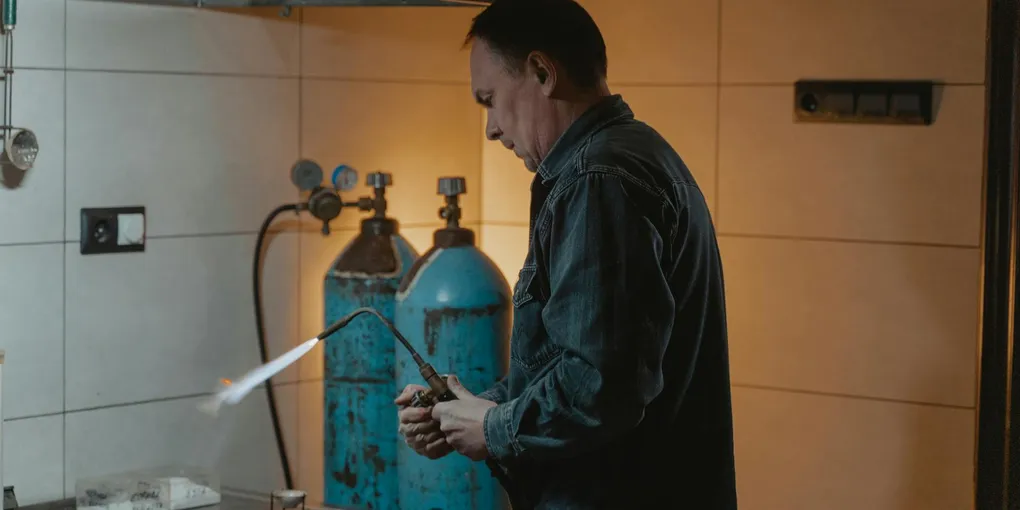
A corroded, cracked, or improperly seated gas fitting on your outdoor grill hookup or patio gas stub-out is a repair that demands respect — but it is also one that a careful, methodical homeowner can handle on the low-pressure flexible connections that serve most outdoor grills and fire pits.
A corroded, cracked, or improperly seated gas fitting on your outdoor grill hookup or patio gas stub-out is a repair that demands respect — but it is also one that a careful, methodical homeowner can handle on the low-pressure flexible connections that serve most outdoor grills and fire pits. This guide covers the steps to safely diagnose and replace a damaged fitting while knowing exactly when to stop and call a professional.
Important safety note: This guide addresses only above-ground, low-pressure flexible hose and quick-connect fittings typically used on residential grill connections. Any repair to buried rigid gas pipe, gas meter connections, or home service lines must be performed by a licensed gas fitter.
Tools and Materials You Will Need
- Two adjustable wrenches or pipe wrenches
- Leak detection solution (or dish soap and water in a spray bottle)
- Yellow gas-rated PTFE tape
- Replacement brass or stainless steel fitting (match thread type and size)
- Wire brush
- Flashlight
- Replacement flexible gas hose with regulator if the hose is damaged
Step 1 — Shut Off the Gas Supply Completely
Locate the shutoff valve on the gas line upstream of the damaged fitting. For a grill connection, this is usually a ball valve or lever valve on the stub-out pipe coming from the wall or a dedicated gas post. Turn the handle perpendicular to the pipe to close it. If your grill runs on a portable propane tank, close the tank valve by turning it clockwise until it stops.
Never attempt to work on a fitting with the gas supply open.
Step 2 — Identify the Fitting Type and Damage
Examine the fitting closely with a flashlight. Look for:
- Cracked or corroded brass body: The fitting must be replaced entirely.
- Cross-threaded connection: Back the fitting off gently, clean the threads, and reassemble correctly.
- Stripped threads on the pipe stub-out: This is a more serious repair — the stub-out pipe may need to be cut back and re-threaded by a professional.
- Damaged O-ring on a quick-connect coupler: The coupler can be replaced as a unit without touching the pipe threads.
Step 3 — Remove the Damaged Fitting
Use one wrench to hold the pipe stub-out or valve body steady and a second wrench to turn the fitting counterclockwise. Keep the wrenches close together to minimize leverage stress on the pipe behind the fitting. If the fitting is heavily corroded, a penetrating oil applied the night before will help break it loose without snapping the stub-out.
Clean the external pipe threads with a wire brush once the old fitting is off. Inspect the threads for damage — they should be clean, sharp, and uniform.
Step 4 — Apply Gas-Rated PTFE Tape
Wrap yellow gas-rated PTFE tape around the male threads in the direction of the thread helix (clockwise when looking at the threaded end). Two to three wraps is sufficient. Pull the tape snug so it presses into the thread grooves rather than sitting loosely on top. Trim or tear the tape cleanly at the end.
Never use white plumber’s tape on gas fittings. The Gasoila Yellow PTFE Gas Line Tape is a widely trusted option sold at most hardware stores and online.
Step 5 — Install the Replacement Fitting
Thread the new fitting on by hand until it is snug, then use wrenches to tighten it one to two full turns past hand-tight. Position the fitting so any outlet port or hose connection faces the correct direction before it fully seats — you cannot back a taped fitting out to reposition it without removing and retaping.
For quick-connect couplers, push them firmly onto the stub-out ball until the sleeve clicks into position. No tape is required on these connections.
Step 6 — Leak Test Every Joint
This step is not optional. Mix a few drops of dish soap with water in a spray bottle, or use a dedicated leak detector like Rectorseal Leak Freeze. Slowly open the gas supply valve and spray the solution generously on every fitting and connection you touched. Watch for 30 seconds. Any bubble formation means gas is escaping — close the valve immediately, tighten that joint a quarter-turn more, and retest. If bubbles persist after a second tightening, remove the fitting, inspect the threads, retape, and reassemble.
A Ridgid 12-inch adjustable pipe wrench gives you enough leverage for standard 1/2-inch and 3/4-inch gas fittings without being so large that it is hard to control in a tight space near the house wall.
When to Call a Professional
Stop work and call your gas utility or a licensed plumber if:
- You smell gas and cannot find the source with a soap test
- The shutoff valve leaks or will not fully close
- The stub-out pipe threads are stripped or the pipe is cracked
- Any buried section of the line is involved
Gas line work rewards patience and preparation. A repair done carefully and leak-tested thoroughly is a durable, safe fix. Rushing or skipping the leak test is never worth the risk.
Related Reading
- Gas Line Installation Cost — cost to run new gas lines for appliances, fire pits, and generators
- Fire Pit Installation Cost — gas fire pit installation including line runs
- Plumber Cost — licensed plumber rates when professional help is needed
- How to Fix a Gas Stove Igniter That Keeps Clicking — fix the igniter on the stove after completing any gas line work
- Step 1 — Shut Off the Gas Supply Completely
Locate the shutoff valve on the gas line upstream of the damaged fitting. For a grill connection, this is usually a ball valve or lever valve on the stub-out pipe coming from the wall or a dedicated gas post.
- Step 2 — Identify the Fitting Type and Damage
Examine the fitting closely with a flashlight. Look for:
- Step 3 — Remove the Damaged Fitting
Use one wrench to hold the pipe stub-out or valve body steady and a second wrench to turn the fitting counterclockwise. Keep the wrenches close together to minimize leverage stress on the pipe behind the fitting.
- Step 4 — Apply Gas-Rated PTFE Tape
Wrap yellow gas-rated PTFE tape around the male threads in the direction of the thread helix (clockwise when looking at the threaded end). Two to three wraps is sufficient.
- Step 5 — Install the Replacement Fitting
Thread the new fitting on by hand until it is snug, then use wrenches to tighten it one to two full turns past hand-tight.
- Step 6 — Leak Test Every Joint
This step is not optional. Mix a few drops of dish soap with water in a spray bottle, or use a dedicated leak detector like Rectorseal Leak Freeze.
Free: 10-Point Home Maintenance Checklist
Prevent costly repairs with this seasonal checklist. Save hundreds every year by catching problems early.
Your checklist is ready!
Open Checklist →Something went wrong. View the checklist here.