How to Clean Hardwood Floors: The Right Way to Mop Without Damaging the Finish
Complete guide to cleaning hardwood floors safely — daily sweeping, damp mopping technique, removing stains, and what products damage the finish. Includes refinishing threshold advice.
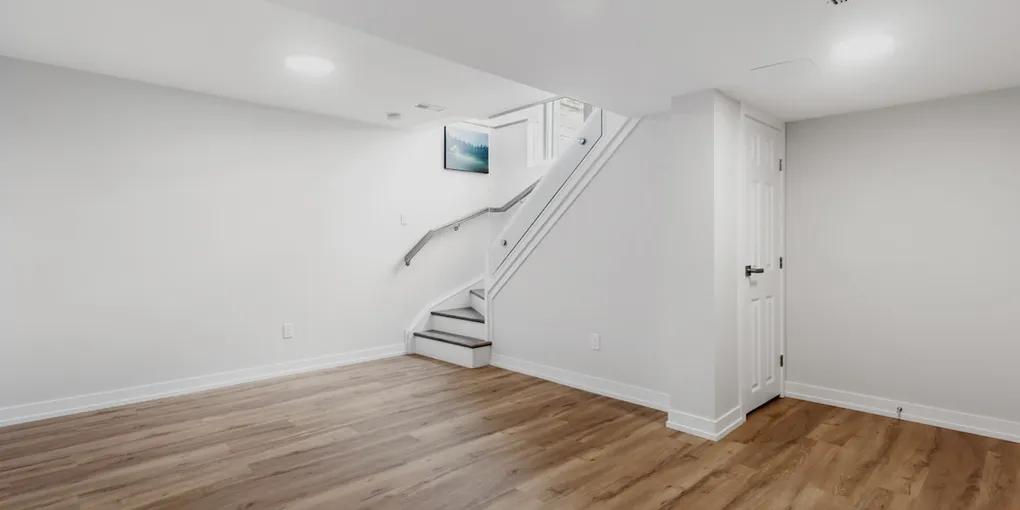
Cleaning hardwood floors: (1) Sweep or dust-mop daily in high-traffic areas — grit is the enemy of hardwood finish. (2) Damp mop weekly with a hardwood-safe cleaner (Bona, Murphy Oil Soap, or diluted dish soap) — mop head should be just barely damp, not wet. Never use a steam mop; the moisture warps and clouds the finish. (3) For sticky spills — wipe immediately with a slightly damp cloth. (4) For dried stains — use a hardwood cleaner and a soft cloth; rub gently with the grain. Never use bleach, ammonia, or vinegar on polyurethane-finished floors. Refinish when the finish wears through to bare wood in high-traffic areas (typically every 7–10 years).
Frequently Asked Questions
Can I use a steam mop on hardwood floors?
No. Steam mops force water vapor into the wood grain and wood-to-wood joints, causing cupping (edges raise), swelling, and finish clouding over time. This damage is cumulative and often irreversible without sanding and refinishing. Use a barely damp mop with a hardwood-safe cleaner instead — the mop head should feel barely moist, not wet.
What is the best cleaner for hardwood floors?
Bona Hardwood Floor Cleaner is the most widely recommended by flooring professionals — pH neutral, no residue, safe for all factory-finished hardwood. Murphy Oil Soap is heavily marketed but leaves a soap film that dulls the finish over time and should be avoided. Dish soap and vinegar solutions are acidic and strip urethane finishes with repeated use — skip them.
How often should I mop hardwood floors?
Sweep or vacuum daily in high-traffic areas, weekly in bedrooms. Damp mop (with a barely wrung-out mop and hardwood cleaner) every 1–2 weeks in kitchens and entryways, monthly in bedrooms. Over-mopping is the most common mistake — excess moisture warps wood faster than foot traffic does.
How do I remove pet urine stains from hardwood floors?
Fresh urine: blot immediately with paper towels, don't rub. Apply a pet enzyme cleaner (Nature's Miracle, Rocco & Roxie) and let sit 10 minutes, then wipe. Old dried stains that have soaked into the wood: the dark discoloration is oxidized tannins and requires sanding to remove — surface cleaning won't fix it. If the stain penetrated through finish into the wood, the board may need replacement.
How do I remove scratches from hardwood floors?
Light surface scratches in the finish (not the wood): apply a hardwood scratch concealer (Minwax Hardwood Floor Reviver, Bona Revitalizer) — these fill shallow scratches. Deeper scratches that reach the wood: use a color-matched wood stain marker (Minwax or Old Masters) to fill the scratch, then apply a thin coat of hardwood floor finish to seal. Deep gouges or worn-through areas require professional sanding and refinishing.
How do I know when hardwood floors need refinishing vs. just cleaning?
Time to refinish when: (1) Water no longer beads on the surface — the finish is depleted; (2) Scratches are in the wood, not just the finish; (3) The floor looks gray or dull even after cleaning; (4) You can see bare wood in heavy-traffic areas. Try the water bead test: drop a few drops of water on the floor. If it beads, the finish is intact. If it absorbs in under 30 seconds, the finish is compromised and it's time to refinish.
Can I use vinegar to clean hardwood floors?
No — not on polyurethane-finished hardwood. Vinegar is acidic and strips urethane finish with repeated use, leaving the floor dull and eventually unprotected. Even diluted solutions slowly cloud the finish. Use a pH-neutral hardwood floor cleaner like Bona instead — it achieves the same cleaning result without etching. Exception: if your hardwood has a natural oil finish or hardwax oil finish (common on European-style floors), cleaning rules differ — check the manufacturer spec, as some oil-finished floors tolerate diluted mild soap.
Why do my hardwood floors look dull and streaky after mopping?
Dull or streaky hardwood floors after mopping are almost always from cleaner residue, not dirt. Common causes: Murphy Oil Soap (leaves a soap film that builds up over time), dish soap (leaves residue), using too much cleaner, or a mop that was too wet. Fix by dry-mopping thoroughly with a clean microfiber pad to remove the film. For persistent dullness from years of soap buildup, apply Bona Hardwood Floor Polish or Revitalizer — it fills micro-scratches and restores gloss without sanding. Going forward: use Bona or similar rinse-free hardwood cleaner at the recommended dilution, barely damp mop only.
Cleaning hardwood floors: (1) Sweep or dust-mop daily in high-traffic areas — grit is the enemy of hardwood finish. (2) Damp mop weekly with a hardwood-safe cleaner (Bona, Murphy Oil Soap, or diluted dish soap) — mop head should be just barely damp, not wet.
Hardwood floors last decades with proper care — and fail prematurely from a single mistake: too much water. The rule is simple: if the mop is dripping, it’s too wet. Everything else follows from getting moisture levels right.
What You Need
Daily/weekly:
- Microfiber dry mop or broom with soft bristles
- Vacuum with hard floor setting (turn off rotating brush — it scratches)
Mopping:
- Flat microfiber mop (not string mops — they hold too much water)
- Hardwood floor cleaner (Bona, Method, or Pledge)
- Two buckets: one with cleaning solution, one with clean water for rinsing the mop
Stain treatment:
- Pet enzyme cleaner (for urine/organic stains)
- Mineral spirits (for paint, wax, or heel marks)
- Bona Polish or Hardwood Floor Reviver (for surface scratch concealment)
Amazon picks:
- Bona Hardwood Floor Cleaner — pH neutral, no residue, the gold standard for finished hardwood
- Bona microfiber mop — flat mop designed to hold minimal water; pairs with Bona cleaner
- Oreck hardwood floor vacuum — no rotating brush; won’t scratch finish
- Minwax hardwood floor scratch concealer — fills light scratches in the finish
- Bona Hardwood Floor Polish — restores luster to dulled finishes without sanding
- Nature’s Miracle pet enzyme cleaner — breaks down urine proteins, prevents re-marking
Daily and Weekly Routine
Daily (or whenever you see debris): Sweep or dry-mop with a microfiber mop to remove grit. Grit is the primary source of scratches — it’s dragged across the finish by foot traffic. This step takes 2–3 minutes and does more for floor longevity than any cleaning product.
Vacuuming: Use a vacuum with a hard floor setting that disengages the rotating brush. The beater bar on a carpet-mode vacuum scratches hardwood finish. Vacuum at least weekly in kitchens and high-traffic halls.
Damp Mopping (Every 1–4 Weeks)
This is where most people over-do it. The goal is to remove surface film and grime — not to wet the floor.
Preparation:
- Dry-mop first to remove loose debris
- Mix hardwood floor cleaner per instructions (or use a pre-mixed spray like Bona)
- Dampen the mop head — then wring it out until it’s barely moist. The mop should not leave a wet trail. If you can wring out liquid, it’s too wet.
Mopping technique:
- Work with the wood grain, not across it
- Use a figure-8 or S-pattern to avoid pushing dirt forward
- Work in 3-4 foot sections
- Rinse the mop pad frequently — a dirty pad re-deposits grime
- Never let water pool. Any standing water must be dried immediately.
Drying: In a well-ventilated room, hardwood dries in minutes from a barely-damp mop. If the floor stays wet for more than 5 minutes, the mop was too wet.
What NOT to Use on Hardwood
| Product | Why to Avoid |
|---|---|
| Steam mop | Forces water vapor into wood; causes cupping and swelling |
| Wet mop (dripping) | Water penetrates seams; causes warping and staining |
| Vinegar/water solution | Acidic; strips urethane finish with repeated use |
| Murphy Oil Soap | Leaves soapy residue that dulls finish and is hard to remove |
| Dish soap | Leaves residue; alkaline formulas damage finish |
| Pledge or Endust aerosol | Creates waxy buildup that clouds the finish |
| Ammonia-based cleaners | Dulls and damages polyurethane |
Removing Common Stains
Water marks/white haze: The finish has been clouded by moisture. Rub gently with a dry cloth using a circular motion. If it doesn’t clear, apply a small amount of non-gel toothpaste, rub gently, wipe clean. For white rings from cups or plants, try mayonnaise: apply, let sit 1–2 hours, wipe off.
Heel marks and scuffs: Apply a small amount of mineral spirits on a clean cloth. Rub the scuff in a circular motion. Wipe clean, then apply a thin layer of floor finish to re-protect the area.
Grease/cooking oil: Blot immediately — don’t rub. Apply a few drops of dish soap directly on the stain, let sit 5 minutes, wipe clean, then damp-mop the area.
Wax or crayon: Harden with an ice pack, then scrape gently with a plastic scraper. Remove residue with mineral spirits.
Paint: Fresh latex paint — wipe immediately with a damp cloth. Dried latex — soften with a damp cloth, then carefully scrape with a plastic scraper. Oil paint — use mineral spirits sparingly.
Pet urine: See FAQ above. Fresh spots can be fully addressed with enzyme cleaner. Old set stains require sanding.
Restoring Dull Floors Without Refinishing
If your floors look dull but the finish is still intact (water beads on the surface), they may just have built-up cleaner residue or light oxidation.
Step 1: Clean thoroughly with Bona Cleaner to remove all residue. Let dry completely.
Step 2: Apply Bona Hardwood Floor Polish or a similar refresher product. Work in small sections with a flat microfiber applicator. Let dry 1–2 hours before foot traffic.
This is not refinishing — it’s a topcoat refresh that fills light scratches and restores sheen. It works if the underlying finish is intact. It does not fix worn-through areas or deep scratches.
When to actually refinish: See FAQ above for the water bead test. Full refinishing costs $3–8 per square foot professionally or $150–400 DIY for a living room. See Hardwood Floor Refinishing Cost for a full breakdown.
Related Reading
- How to Install Hardwood Flooring — installing new hardwood from subfloor to finish
- Hardwood Floor Refinishing Cost — when to sand vs. when to replace
- How to Fix Squeaky Floors — fixing squeaks without pulling up the floor
- How to Install Vinyl Plank Flooring — an alternative to hardwood in moisture-prone areas
- How to Remove Carpet — prep for hardwood installation over carpet
- How to Fix a Floor Tile That Is Loose — fix loose tile at the transition between hardwood and tiled rooms
- How to Clean Carpet — deep cleaning guide for carpeted floors, a common companion to hardwood in the same home
- Daily and Weekly Routine
Daily (or whenever you see debris): Sweep or dry-mop with a microfiber mop to remove grit. Grit is the primary source of scratches — it's dragged across the finish by foot traffic.
- Damp Mopping (Every 1–4 Weeks)
This is where most people over-do it. The goal is to remove surface film and grime — not to wet the floor.
- What NOT to Use on Hardwood
| Product | Why to Avoid | |---
- Removing Common Stains
Water marks/white haze: The finish has been clouded by moisture. Rub gently with a dry cloth using a circular motion. If it doesn't clear, apply a small amount of non-gel toothpaste, rub gently, wipe clean.
- Restoring Dull Floors Without Refinishing
If your floors look dull but the finish is still intact (water beads on the surface), they may just have built-up cleaner residue or light oxidation.
Free: 10-Point Home Maintenance Checklist
Prevent costly repairs with this seasonal checklist. Save hundreds every year by catching problems early.
Your checklist is ready!
Open Checklist →Something went wrong. View the checklist here.