Lawn Aeration Cost 2026: $75–$200 for Standard Yard
Lawn aeration costs $75–$200 professionally for a 1/4-acre yard. DIY core aerator rental runs $60–$100/day. Core aeration outperforms spike — pricing, timing, and overseed combo guide.
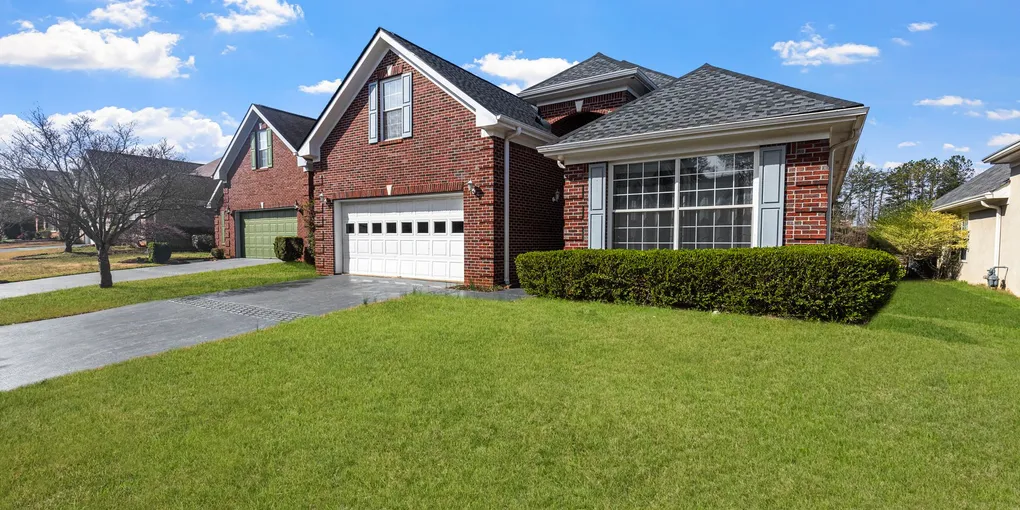
Professional lawn aeration costs $75-$200 for a standard 5,000 sq ft yard in 2026, with $120-$150 being the national average. Add $25-$75 for overseed in combo packages. DIY core aerator rental runs $50-$100/day — economical only if your yard is over 6,000 sq ft or you have multiple lawns. Spike aeration shoes and manual spike rollers save money upfront but deliver minimal benefit versus true core aeration. Most lawns only need aeration every 1-3 years; yearly aeration is overkill for most homes and can stress the turf.
Frequently Asked Questions
How much does it cost to aerate a lawn?
Professional core aeration runs $0.02-$0.04 per square foot in 2026. That's $100-$200 for a typical 5,000 sq ft suburban lawn, $200-$400 for a 1/4 acre lot, and $300-$600 for a 1/2 acre. Many lawn services offer an aeration + overseed + fertilizer combo package at $200-$500 for a typical lawn. DIY core aerator rental runs $50-$100 per day plus $40-$80 in sweat-equity gas and pickup.
Does aeration actually work?
Yes, for the right lawns. Aeration relieves soil compaction — which blocks water, air, and nutrients from reaching roots — and is measurably useful for clay soil, heavy foot traffic areas, and lawns with thatch over 1/2 inch. It does little for sandy soil, recently-amended soil, or properly maintained lawns under 5 years old. Rule of thumb: if a screwdriver pushed into moist soil goes in easily (4+ inches), you probably don't need aeration.
Is it better to aerate in spring or fall?
Fall for cool-season grass (bluegrass, fescue, ryegrass) — the grass is actively growing and recovers quickly, and you can pair it with overseeding when weed pressure is lowest. Spring for warm-season grass (Bermuda, zoysia, St. Augustine) because the grass is waking up from dormancy. Avoid aerating in summer heat or winter dormancy — the lawn can't recover.
Core aeration vs spike aeration — what's the difference?
Core aeration pulls 2-4 inch plugs of soil out, actually removing compacted material and creating channels for roots to expand into. Spike aeration pushes pointed spikes into the soil — it's faster but often makes compaction WORSE by packing soil against the spike holes. Core aeration is the only type worth paying for. Skip the spike-roller gadgets and aeration shoes marketed to homeowners; they're placebo for most yards.
How often should I aerate my lawn?
Most lawns benefit from aeration every 2-3 years. Clay-heavy or heavily compacted soil: once a year. Sandy, well-drained soil with healthy grass: every 3-4 years or not at all. Don't aerate on auto-pilot every spring — repeated aeration on healthy turf can stress the crowns and slow recovery. Do the screwdriver test first (push a 6-inch screwdriver into moist soil; if it goes in easily, skip aeration).
Should I aerate before or after mowing?
Mow short (2-2.5 inches) a day before aerating and make sure the soil is moist but not soaked. Short grass lets the aerator pull cleaner cores; moist soil prevents the tines from bouncing off hard ground or getting clogged in mud. After aeration, leave the soil plugs on the lawn — they break down naturally in 1-2 weeks and return nutrients to the turf.
Should I overseed after aerating?
Yes — aeration + overseeding is one of the highest-ROI lawn combinations. The core holes provide ideal seed-to-soil contact, improving germination rate by 30–50% vs. overseeding on unprepared turf. Overseed immediately after aerating. Use the right seed for your grass type and region. Keep the area moist for 3–4 weeks until seedlings establish. Many lawn services offer combo packages at $200–$500 total, which is cheaper than buying aeration and overseeding separately.
Professional lawn aeration costs $75-$200 for a standard 5,000 sq ft yard in 2026, with $120-$150 being the national average. Add $25-$75 for overseed in combo packages.
A good aeration job is one of the highest-ROI lawn care moves you can make — for the right lawns. Done on compacted clay soil or high-traffic turf, it transforms root depth, water absorption, and fertilizer efficiency within a single growing season. Done on the wrong lawn at the wrong time, it’s a $150 payment to stress an already-healthy lawn.
This guide covers 2026 pricing (DIY and pro), which types of aeration actually work, and how to know whether your yard even needs the service this year.
2026 Aeration Cost at a Glance
| Scenario | Typical Cost |
|---|---|
| Pro service, 3,000 sq ft | $75-$125 |
| Pro service, 5,000 sq ft | $100-$200 |
| Pro service, 1/4 acre (10,000 sq ft) | $150-$300 |
| Pro service, 1/2 acre (20,000 sq ft) | $300-$600 |
| Pro service, 1 acre | $400-$800 |
| Aeration + overseed combo (5,000 sq ft) | $200-$400 |
| Aeration + fertilizer combo (5,000 sq ft) | $175-$325 |
| Full fall “aeration + overseed + fert” (5,000 sq ft) | $300-$500 |
| DIY core aerator rental | $50-$100/day |
| Walk-behind core aerator (buy) | $400-$800 |
| Tow-behind plug aerator | $150-$350 |
| Spike aeration shoes | $20-$40 (skip — ineffective) |
Rule of thumb: professional core aeration runs $0.02-$0.04 per square foot in 2026. Multi-service combos add $25-$75 per service layer.
What Drives the Price
Yard size is the dominant factor — most services price on square footage tiers. A $100 minimum is typical even for tiny yards, so very small lawns are proportionally more expensive per square foot.
Regional labor rates vary significantly: aeration in the Northeast and California runs 30-50% higher than in the Midwest or Southeast. Expect to pay the premium even at chain services.
Access and obstacles — heavily landscaped yards with many flower beds, tight gates, or sprinkler-heavy irrigation can bump the price 20-40% because the crew has to work around obstacles at slower pace.
Package pricing — most services offer discounts when you bundle aeration with overseed, fertilizer, or pre-emergent treatments. The bundle is often $50-$100 cheaper than buying services separately.
Minimums — virtually every service has a $75-$125 minimum call-out, which can make tiny yards (under 2,500 sq ft) feel overpriced.
DIY vs Hire: The Actual Math
When Hiring a Service Makes Sense
- Yards under 5,000 sq ft (minimums put DIY savings at zero)
- No pickup truck for transporting the 250 lb rental machine
- Physically hard to handle the equipment
- You want aeration + overseed + fertilizer as a package
- Sprinkler-heavy landscaping (pros can work around it faster)
When DIY Wins
- 6,000+ sq ft where rental cost spreads thin
- Multiple lawns (your property, family, neighbors)
- You already own or can borrow a truck/trailer
- Comfortable operating a heavy walk-behind machine
DIY Rental Breakdown (5,000 sq ft lawn)
| Item | Cost |
|---|---|
| Aerator rental (1 day) | $75-$95 |
| Rental pickup/truck gas | $15-$30 |
| Fuel for machine | $8-$12 |
| Marking flags (one-time) | $10 |
| Grass seed (if overseeding) | $25-$60 |
| Starter fertilizer (if bundling) | $30-$50 |
| Total DIY | $108-$197 base, $163-$257 with overseed + fert |
Compare to $200-$400 for a service combo — DIY saves $100-$150 if you already have the truck and the time.
Core vs Spike vs Manual Tools: What Works
Core (Plug) Aeration — The Only One That Matters
Pulls 2-4 inch plugs of soil out of the ground. The holes let water, air, and nutrients reach roots. The extracted plugs break down on the surface and return organic matter to the lawn.
This is what professional services do. This is what rental aerators do. If a machine isn’t described as “core” or “plug” aeration, it’s not the real thing.
Spike Aeration — Mostly Useless
Pushes solid pointed tines into the soil without removing any material. Often marketed to homeowners as “easier” or “cheaper” aeration.
The problem: pushing a spike into compacted soil doesn’t relieve compaction — it often makes it worse by packing soil against the spike hole. It’s not a substitute for core aeration. Spike aeration products to skip:
- Aeration shoes (the spiked sandals)
- Manual spike rollers
- Hand-held spike tools
Liquid/Chemical “Aeration”
Some services sell “liquid aeration” — a spray that supposedly loosens soil biologically. The research on these is thin. A traditional core aeration pass achieves in one day what liquid products claim over a full season. If you’re paying for aeration, pay for the real thing.
When Your Lawn Actually Needs Aeration
Do the screwdriver test before paying for service:
- Water the lawn normally 24 hours ahead
- Push a 6-inch flat-head screwdriver straight into the soil in 3-4 spots (high-traffic, low-traffic, and around the edges)
- If it slides in 4+ inches with minimal force, soil is NOT compacted — skip aeration this year
- If it stops at 2-3 inches or needs body weight to sink, soil IS compacted — aerate
Other signs your lawn needs aeration:
- Water pooling on high-traffic areas after rain
- Footprints visible after walking on moist turf
- Thatch layer thicker than 1/2 inch (measure by parting grass and looking at dead layer between soil and living blades)
- Thinning grass despite proper fertilization and watering
- Heavy clay soil (common in the Midwest and Southeast)
- Recent construction (compaction from equipment)
- Heavy dog or kid traffic
Signs you don’t need aeration:
- Sandy or well-drained soil
- Lawn is less than 3-5 years old
- Previous aeration within last 2 years on a healthy lawn
- Grass is thin due to shade or over-watering (fix those instead)
- Very drought-stressed turf (aerate after recovery)
The Best Time to Aerate
Cool-Season Grass (Northern US)
Best: Early fall (mid-August to mid-October). The grass is in its strongest growth phase, heals quickly, and you can combine with overseed when weed pressure is lowest.
Acceptable: Late spring (late April-May). Recovery is good but weed competition is higher, and summer heat is coming.
Avoid: Summer and winter.
Warm-Season Grass (Southern US)
Best: Late spring to early summer (May-June). The grass is waking up from dormancy and growing aggressively — ideal for fast recovery.
Acceptable: Early fall, but only in southern regions where the growing season extends into October.
Avoid: Late fall and winter (dormant turf doesn’t recover).
Aeration + Overseed: The Combo That Works
Fall aeration paired with overseed is the single best thing you can do for a cool-season lawn. The aeration holes create ideal seed-to-soil contact, and cool fall nights prevent the seedlings from stressing.
Cost of the combo:
- Pro service (5,000 sq ft): $200-$400
- DIY: $110-$170 total (rental + seed)
Timing: Seed within 48 hours of aeration for maximum benefit. After 3-4 days, the holes start collapsing back.
Seed selection: Match your existing lawn. For most northern US lawns, a blended tall fescue or Kentucky bluegrass mix works. Warm-season regions typically wait for late spring.
Hiring a Pro: What to Ask
Before booking:
- Do you do core aeration or spike? Only book core.
- Single pass or double pass? Double pass is ideal for compacted lawns.
- How many plugs per square foot? Target 8-12 for double-pass, 4-6 for single-pass.
- Can you overseed and fertilize same-day? Usually yes, often at a discount.
- Do you mark/avoid sprinkler heads? Yes, always — confirm in writing.
- Guarantee? Most reputable companies will re-aerate free if you’re unhappy within 30 days.
Red flags:
- Spike aeration marketed as equivalent to core
- Prices well below $0.02 per sq ft (corner-cutting)
- Refusal to itemize labor vs. materials in overseed packages
- Pressure to sign annual contracts (“we need to lock you in for fall”)
DIY Tool Recommendations
For most homeowners who decide on DIY, the gas-powered walk-behind core aerator from Home Depot or Lowe’s rental counter is the answer. Pay the $75-$95/day rental, skip the wet or frozen-soil weekends, and move through a typical lawn in 1-2 hours.
For multi-property owners:
- Manual push plug aerator ($50-$80) — only works on very small lawns (under 1,500 sq ft) and extremely soft soil
- Tow-behind plug aerator for riding mowers ($150-$350) — the right answer for 1/2 acre+ properties where you have a lawn tractor
- Electric/cordless aerator attachments — these are primarily dethatchers with spike aeration as a secondary function; not a real replacement for core aeration
After-Aeration Care
Week 1:
- Leave soil plugs on the lawn
- Water lightly (if overseeded) 1-2 times per day
- Stay off high-traffic areas as much as possible
Week 2:
- Plugs start breaking down
- New seedlings emerge (if overseeded)
- Continue light watering on new seed areas
Week 3-4:
- Light mowing OK (don’t bag — mulch clippings back)
- Reduce watering frequency to 2-3 times per week
- Apply starter fertilizer if you didn’t at aeration time (skip if over-seeded)
Week 6:
- Full recovery for most lawns
- Resume normal mowing and watering
Common Mistakes
- Aerating dry soil — tines bounce off instead of penetrating. Water a day before.
- Single pass on heavily compacted lawns — go double.
- Raking up soil plugs — leave them; they’re free fertilizer and microbial inoculation.
- Aerating in mid-summer heat — the lawn can’t recover. Wait for the next cool window.
- Skipping the overseed window — the 48-hour post-aeration window is gold. Don’t miss it.
- Paying for spike aeration — it doesn’t work. Demand core.
- Annual aeration on healthy lawns — overdoing it stresses the crowns. Every 2-3 years for most.
Does It Pay Off?
For the right lawn, yes. The visible benefit within 4-6 weeks:
- Thicker, darker green turf
- Better moisture retention in summer
- Deeper root system visible when you pull a sample
- Reduced runoff after rain
For lawns that don’t need it, you’re paying $100-$300 to stress a healthy lawn. The screwdriver test is your guardrail.
Regional Lawn Aeration Cost Variations
| Region | 1/4 Acre | 1/2 Acre | Full Acre |
|---|---|---|---|
| Northeast (NY, MA, NJ) | $75–$175 | $130–$275 | $200–$450 |
| Mid-Atlantic (DC, MD, VA) | $65–$155 | $115–$250 | $180–$400 |
| Southeast (FL, GA, TX) | $50–$125 | $90–$200 | $150–$325 |
| Midwest | $55–$135 | $95–$210 | $155–$340 |
| Pacific (CA, WA, OR) | $70–$165 | $120–$260 | $190–$420 |
Core aeration with plug extraction. Overseeding add-on runs $50–$150 extra for most lawn sizes. Liquid aeration services run $50–$100 but are less effective on compacted soils.
Lawn Aeration Service Provider Comparison
| Provider Type | Cost Level | Best For | Notes |
|---|---|---|---|
| Local lawn care company | Moderate | Best quality and value; know local soil/grass types | Independent lawn services often price 20–30% below national chains |
| TruGreen | Moderate–High | Nationwide availability; packaged lawn programs | Large franchise; upsell-heavy model; quality varies by franchise location |
| Lawn Doctor | Moderate | Franchise with flexible standalone services | No long-term contracts; local franchise owners; competitive pricing |
| LawnStarter / TaskEasy | Moderate | App-based booking; easy scheduling | Marketplace model connecting local services; competitive pricing for simple jobs |
| Neighborhood lawn service | Low | Budget-conscious; small yards | Quality varies; core aeration vs. liquid aeration distinction matters — clarify |
| DIY (core aerator rental) | Lowest ($60–$100/day rental) | Large lawns; cost-conscious homeowners | Home Depot and Sunbelt rent core aerators; effective for any size property |
For the aerate + overseed combination (highest ROI lawn project), a local lawn company typically provides the best coordination between the two services. TruGreen bundles well but contract terms favor the provider.
Questions to Ask Your Lawn Aeration Service
-
Do you use a core aerator (plug extraction) or a spike aerator, and how deep will the cores go? — Core aerators extract small cylinders of soil (plugs), creating genuine pore space in the root zone. Spike aerators punch holes without removing material — they can actually increase compaction around the holes. Always ask: “Do you use a core aerator, not a spike aerator?” Also ask about core depth: 2–3 inches is the minimum for meaningful benefit; anything shallower on compacted soil isn’t reaching the compaction zone. This is the single most important technical question in lawn aeration — many cheap services use spike rollers.
-
When do you recommend aerating for my lawn type and region, and why? — Timing matters: cool-season grasses (fescue, bluegrass, rye) aerate best in fall (September–October); warm-season grasses (Bermuda, zoysia, St. Augustine) aerate best in late spring to early summer. A company that says “anytime is fine” regardless of grass type is not giving you optimal advice. Ask: “What type of grass do I have, and when is the best time to aerate it?” The right timing determines whether the grass roots can fully exploit the aeration before stress season.
-
Do you mark sprinkler heads, invisible fence lines, and shallow utilities before aerating? — Core aerators are essentially mechanical boring machines running across your lawn. They’ll punch through sprinkler heads, damage invisible fence wires, and dislodge low-lying irrigation lines if those locations aren’t marked and avoided. Ask: “Do you mark and avoid irrigation heads and underground utilities before aerating?” Professional services flag all sprinkler heads before starting. Damage to a sprinkler head ($15–$75 to repair) or invisible fence transmitter wire ($150–$300) quickly offsets the aeration cost.
-
Should I overseed after aerating, and if so, what seed mix do you recommend for my specific conditions? — The holes left by core aeration are ideal seed germination sites — overseeding within 24–48 hours of aeration is the highest-ROI lawn project available. Ask: “Do you offer overseeding, and what seed mix do you recommend for my sun exposure, soil type, and region?” A good recommendation includes a specific seed variety (not just “tall fescue”) suited to your shade level and climate zone. For overseeding: keep newly seeded areas consistently moist for 2–3 weeks — ask about irrigation requirements.
-
What should I do with the cores left on the lawn surface, and what are the post-aeration care instructions? — Core aeration leaves small plugs of soil on the lawn surface. These plugs are beneficial — they contain microorganisms that break down thatch — and should be left to break down naturally (typically 2–4 weeks). Ask: “Should I rake up the cores or leave them?” The answer should be “leave them.” Also ask for complete post-aeration care: water deeply the day before aeration, water lightly for several days after, delay mowing for at least a week, and apply fertilizer within 48 hours for maximum nutrient uptake through the aeration channels.
Related Reading
- How to Overseed a Lawn — the aerate + overseed combo is the highest-ROI lawn project
- Spring Lawn Care Schedule — month-by-month plan that includes aeration timing
- How to Fertilize Your Lawn — pair with aeration for best results
- Best Lawn Mowers for Homeowners — mowing height matters pre and post aeration
- Best Smart Sprinkler Controllers — watering after aeration is critical
- Sprinkler System Installation Cost — consistent irrigation pairs with healthy aerated lawn
- Spring Home Maintenance Checklist — other seasonal tasks to pair with aeration
- Annual Home Maintenance Schedule — where aeration fits in your full-year plan
- Check if your lawn actually needs aeration
Push a 6-inch screwdriver into moist soil in 3-4 spots around the yard. If it goes in easily to 4+ inches, the soil is not compacted and aeration is unnecessary. If it stops at 2-3 inches or you need to lean on it, aeration will help. Compare high-traffic vs. less-used areas — most lawns don't need uniform treatment.
- Pick the season that matches your grass type
Cool-season grass (bluegrass, fescue, ryegrass): aerate in fall (September-October) or early spring (late March-April). Warm-season grass (Bermuda, zoysia, St. Augustine): aerate in late spring or early summer (May-June) when the grass is actively growing. Avoid aerating during dormancy or peak summer heat.
- Prep the lawn
Water the lawn deeply 1-2 days before (1/2 inch if no recent rain) so the soil is moist but not soaked. Mow to 2-2.5 inches the day before. Mark sprinkler heads, invisible fence wires, and shallow utility lines with marking flags — aerator tines can damage them.
- Decide DIY vs service
Under 4,000 sq ft: service is usually the better value ($75-$150). Over 8,000 sq ft: DIY rental ($50-$100/day) starts to pay off. Multi-property owners or those with recurring lawn maintenance: consider buying a walk-behind aerator ($400-$800) or tow-behind for riding mowers ($150-$350).
- For DIY: rent a core aerator and set up
Rent a 19-20 inch gas-powered walk-behind core aerator from Home Depot, Lowe's, or Sunbelt Rentals ($50-$100/day). The machine weighs 200-300 lbs — a full-size truck or trailer is required for transport. Check the tines for wear before you leave the rental yard; worn tines bounce rather than penetrate. Fuel up on site-supplied gas; refuel on your own if needed.
- Aerate in overlapping passes
Work in straight lines across the lawn, overlapping each pass by 1-2 inches. A single pass produces roughly 4-6 plugs per square foot — acceptable for a light aeration. A double pass (first run north-south, second east-west) produces 10-12 plugs per square foot and is recommended for heavily compacted lawns.
- Leave the soil plugs in place
Do not rake up the soil plugs. They break down in 1-2 weeks and return organic matter, microbial activity, and nutrients to the lawn. Breaking them up with a light pass of a flat rake a few days later speeds the process but is optional.
- Overseed within 48 hours if planned
The window right after aeration is the best time to overseed. Seed falls into aeration holes where soil contact is maximum and weed competition is minimum. Spread at the bag rate with a broadcast spreader, then water lightly daily for 2-3 weeks until established. Skip fertilizer for 2-3 weeks if you're overseeding — starter fertilizer can burn new seedlings.
Free: 10-Point Home Maintenance Checklist
Prevent costly repairs with this seasonal checklist. Save hundreds every year by catching problems early.
Your checklist is ready!
Open Checklist →Something went wrong. View the checklist here.