How to Paint Baseboards and Trim: Prep, Cutting In, and Clean Lines (2026)
Painting baseboards and window/door trim is the detail work that separates a professional paint job from a DIY one. This guide covers cleaning, sanding, priming bare wood, and cutting a clean line with a brush — without tape.
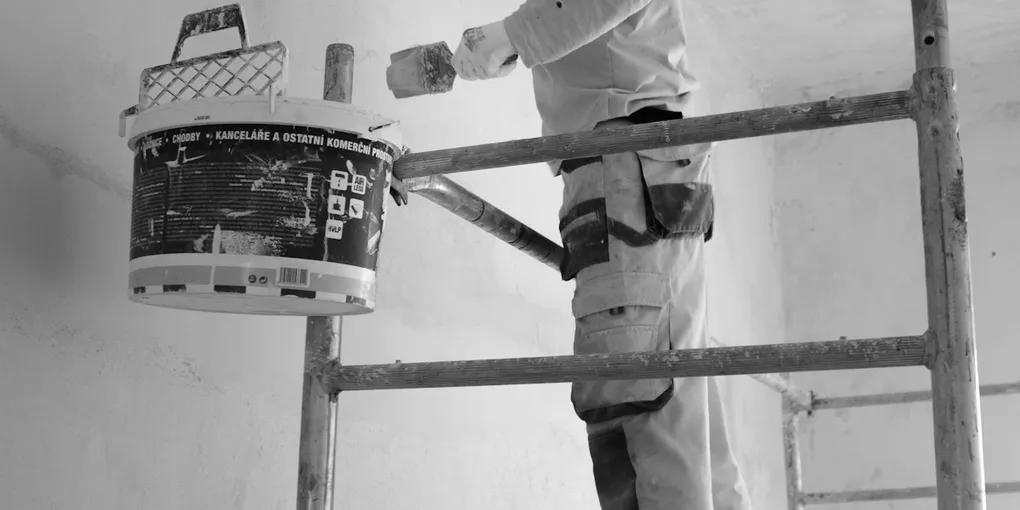
Trim paint order: walls first, trim second. Paint walls first, even if you get some on the trim. Then paint the trim last, cutting a clean line at the wall. This is the professional sequence — it's faster than taping walls to protect them. For trim paint: use a semi-gloss or high-gloss finish (it cleans better and the sheen contrast with matte walls looks intentional). Always use an alkyd or water-based trim enamel — not wall paint.
Frequently Asked Questions
Should I tape the walls when painting trim?
Taping is optional and slower for most painters. Professional painters cut freehand — they use a high-quality 2-inch angled sash brush and rely on a steady hand rather than tape. Tape helps: on textured walls (tape can't seal fully on texture, but it limits overspray) and when you're less confident. If you do tape: press tape firmly against the wall with a putty knife to prevent bleed-through. Paint tape removal: pull the tape off while the paint is still slightly wet (not dry) at a 45-degree angle.
What type of paint should I use for trim?
Use a trim enamel, not wall paint. Trim enamel is harder, more washable, and levels better than latex wall paint. Options: (1) Water-based alkyd hybrid (best of both — dries fast like latex, levels and hardens like oil) — brands include Benjamin Moore Advance and Sherwin-Williams Emerald Urethane. (2) Oil-based alkyd (traditional trim paint — hard, washable finish, but slow drying 24 hours, strong fumes, cleanup with mineral spirits). (3) Water-based semi-gloss latex — acceptable but softer and shows brush marks more than alkyd. Sheen: semi-gloss for most trim, high-gloss for doors.
The existing trim has many coats of old paint and drips. What do I do?
Before painting: lightly sand the entire trim surface with 120-grit sandpaper to knock down any drips, ridges, or brush marks from previous paint coats. Wipe off dust with a tack cloth. If the existing paint is in very poor condition (peeling, multiple drip runs): strip the worst sections with a heat gun or chemical stripper and sand back to bare wood, then prime with an oil-based primer before repainting. Painting over old drips without sanding just buries them under more paint — they show through.
How do I get a clean line where the trim meets the wall?
Load the brush with a moderate amount of paint. Tip: touch the brush bristle tip to the line and drag it along the edge at a consistent speed. The key skill is keeping the tip of the brush, not the body, at the line — and keeping the brush moving at an even speed. Practice on a less visible section first. Use a smaller brush (1.5-inch) for tighter corners and caulk lines. After the first pass, come back with a second pass to even out any wobbles.
Should I caulk before or after painting trim?
Caulk before painting — specifically, caulk after priming but before the topcoat. Caulking fills the gap between the trim and the wall, and between trim joints. Without caulk, you'll see a dark shadow line where the trim meets the wall after painting. Apply a thin bead of paintable latex caulk along all trim-to-wall joints. Smooth with a wet finger. Let dry 1 hour, then paint over. Do not caulk joints between trim pieces that might need to flex or that you're planning to refinish with stain — caulk doesn't stain.
Trim paint order: walls first, trim second. Paint walls first, even if you get some on the trim.
Good trim painting is almost entirely about prep and patience on the brush strokes.
What you need
- Trim enamel (semi-gloss or high-gloss)
- 2-inch angled sash brush (quality brush — cheap brushes leave brush marks)
- 120-grit sandpaper or sanding sponge
- Tack cloth or damp rag
- Paintable latex caulk and caulk gun
- Painter’s tape (optional)
- Small roller (optional, for wide baseboards)
Step 1: Clean and sand
Clean the trim with a damp rag to remove dust and grease. Let dry.
Sand lightly with 120-grit to scuff the surface (improves adhesion), knock down paint drips, and smooth out imperfections. Wipe dust with a tack cloth.
Step 2: Fill holes and caulk
Fill nail holes with lightweight spackle. Let dry. Sand smooth.
Apply a thin bead of caulk along the joint between the trim and wall. Smooth with a wet finger. Let dry 1 hour.
Step 3: Prime bare wood or repairs
Any bare wood (new trim, repaired areas, or areas sanded to bare wood): apply one coat of primer. Let dry per manufacturer directions.
Step 4: Paint the trim
Load the angled brush: dip about 1/3 of the bristle length into the paint, tap the sides of the bucket (don’t wipe the brush against the rim — this removes too much paint).
Apply paint to wide flat areas with longer strokes. On the cutting edge (where trim meets wall or floor): use the brush tip, moving the brush steadily along the line.
If working over carpet: slide a wide putty knife or paint shield between the baseboard and carpet as you paint the bottom edge.
One coat typically isn’t enough for trim — apply two coats, lightly sanding between coats with 220-grit.
Related guides
- How to Prep a Room for Painting — full room prep including trim prep
- How to Paint a Room — walls first sequence before trim
- How to Install Crown Molding — painting sequence for new crown
- Clean and sand the trim
Clean the trim with a damp rag to remove dust and grease. Let dry. Sand lightly with 120-grit to scuff the surface, knock down paint drips, and smooth out imperfections. Pay extra attention to any ridges or runs from previous paint coats. Wipe all dust with a tack cloth.
- Fill holes and caulk joints
Fill nail holes with lightweight spackle. Let dry, then sand smooth. Apply a thin bead of paintable latex caulk along all trim-to-wall joints and between trim pieces. Smooth with a wet finger. Let dry 1 hour before painting over.
- Prime bare wood or repaired areas
Any bare wood — new trim, areas sanded to bare wood, or repaired sections — apply one coat of primer. Let dry per manufacturer directions. Priming bare wood prevents uneven absorption and ensures the topcoat adheres uniformly.
- Apply two coats of trim paint
Load a 2-inch angled sash brush — dip 1/3 of the bristle length, tap the sides of the bucket. Apply paint to wide flat areas with longer strokes. On cutting edges where trim meets wall or floor, use the brush tip at a consistent speed. Apply two coats, sanding lightly with 220-grit between coats and wiping with a tack cloth before the second coat.
Free: 10-Point Home Maintenance Checklist
Prevent costly repairs with this seasonal checklist. Save hundreds every year by catching problems early.
Your checklist is ready!
Open Checklist →Something went wrong. View the checklist here.