How to Prep a Room for Painting: Wall Repair, Cleaning, and Taping (2026)
Good prep work is what separates a professional paint job from a mediocre one. This guide covers filling holes, patching damage, cleaning walls properly, and taping for sharp lines — before paint goes on.
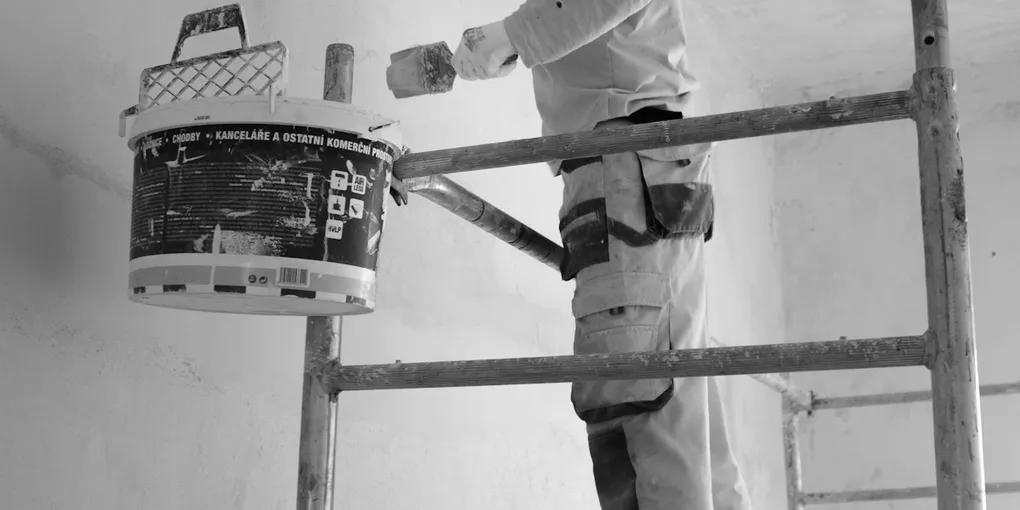
Paint prep done right: (1) Fill all holes and cracks with spackle, let dry, sand smooth. (2) Clean greasy areas (kitchens, areas near stoves) with a degreaser — paint won't stick to grease. (3) Prime stained areas with shellac-based primer (Zinsser BIN) before painting — water stains and smoke stains bleed through latex paint. (4) Remove outlet covers. (5) Cut in at edges with a brush before rolling — this, not tape, is what creates sharp lines. Tape is slower than a steady brush hand and less reliable on textured surfaces.
Frequently Asked Questions
Do I need to wash the walls before painting?
In most rooms: a quick wipe-down with a slightly damp cloth to remove dust. In kitchens, around the stove, or where there is visible grime: wash with a TSP substitute (trisodium phosphate substitute) or a degreasant-based cleaner, rinse with clean water, and let dry completely. Paint adhesion is dramatically reduced by surface contamination — greasy walls are the most common cause of peeling paint in kitchens and rental repaints. Glossy surfaces also need scuff sanding or bonding primer for adhesion.
What is the right way to fill nail holes?
Push spackle into the hole with a flexible putty knife so the hole is slightly overfilled. One pass is enough for nail holes. Let dry completely — the spackle will shrink slightly and turn from dark to light in color. Sand flush with 120-grit sandpaper or a sanding sponge. For larger holes (up to 4 inches): use a patch kit with a mesh backing, apply joint compound in 2–3 coats (each coat feathered wider than the last), sand after each coat dries. Do not apply thick joint compound in one coat — it will crack when drying.
How do I deal with peeling paint before repainting?
All loose paint must be removed before applying new paint. Failing to do this means the new paint will peel in the same areas when the old peeling paint fails. Scrape loose paint with a 6-inch drywall knife or paint scraper. Feather the edges of remaining intact paint with 80-grit sandpaper so there is no sharp edge. Prime the bare areas with a bonding primer. Peeling paint in a bathroom usually means a moisture problem — address the moisture source (exhaust fan, ventilation) or the paint will peel again.
Should I use painter's tape or just cut in freehand?
Both work. Tape is slower: you have to apply it carefully, press it firmly, paint, and then pull it before it dries. It also fails on textured surfaces where it cannot fully seal. Freehand cutting-in with a good quality 2.5-inch angled brush is faster once you practice — and works on any texture. Use tape: at the ceiling-wall junction if you are using very different colors and have less confidence, and at the top edge of baseboards if the woodwork is painted a different sheen and you want a hard line. Most professional painters use very little tape.
The ceiling in one room has a water stain. How do I prep it?
Water stains bleed through latex paint — you can apply 3 coats of standard white paint and the stain will still show through. The fix: apply [Zinsser BIN shellac-based primer](https://www.amazon.com/s?k=zinsser+bin+shellac+primer+spray&tag=fixupfirst-20) directly on the stain. One coat of BIN is usually enough to block even dark water stains. Then paint over the BIN with ceiling paint. BIN has a strong smell — ventilate well. BIN also dries in 45 minutes, so you can topcoat the same day.
Paint prep done right: (1) Fill all holes and cracks with spackle, let dry, sand smooth. (2) Clean greasy areas (kitchens, areas near stoves) with a degreaser — paint won’t stick to grease.
Most of the work in a quality paint job happens before the paint opens.
What you need
- Spackle or lightweight joint compound
- 6-inch drywall knife for larger patches
- Sandpaper (120-grit) and sanding sponge
- TSP substitute cleaner
- Shellac-based primer (for stains)
- Drywall primer / PVA primer (for new patches)
- Painter’s tape (FrogTape for sharp lines)
- Drop cloths
- Putty knife and paint scraper
Step 1: Remove everything that can be removed
- Furniture out of the room or moved to the center and covered
- Outlet covers and switch plates (bag and label the screws)
- Picture hooks and nails
- Curtain hardware (patch holes after removing)
Step 2: Inspect walls and mark repairs
Walk every wall with a bright flashlight held at a low angle — this reveals every dent, crack, and imperfection. Mark each with a small piece of painter’s tape.
Step 3: Fill holes and cracks
Apply spackle to each marked area. Small nail holes: use your finger or a putty knife to push spackle into the hole. Larger damage: use joint compound in multiple thin coats.
Let dry completely. Sand smooth with 120-grit sandpaper. Run your hand across to confirm flush.
Step 4: Deal with peeling paint
Scrape all loose paint with a paint scraper. Sand the edges of intact paint to eliminate the sharp lip. Prime bare areas with bonding primer or PVA primer.
Step 5: Clean problem areas
Kitchen and bathroom walls, areas near stoves, or any greasy surfaces: wash with TSP substitute and water. Rinse with clean water. Let dry fully — at least 2 hours.
Step 6: Prime stains and patches
Apply shellac primer (Zinsser BIN) to any water stains, smoke stains, or dark marker. One coat, let dry 45 minutes.
Apply PVA primer to all sanded spackle patches — bare compound is very absorbent and will cause flashing (shiny spots) in the finished paint coat.
Step 7: Tape (if using)
Press tape firmly along trim, at the ceiling line where you are not confident cutting freehand, and at the top of baseboards. Use a putty knife to press the tape edge firmly to prevent bleed-through. Apply tape just before painting, not days in advance.
Related guides
- How to Paint a Room — the painting steps after prep is done
- How to Patch Drywall — larger wall repairs before painting
- How to Remove Wallpaper — prep when switching from wallpaper to paint
- Remove furniture and wall fixtures
Move furniture out of the room or to the center and cover with drop cloths. Remove all outlet covers and switch plates — bag and label the screws. Pull out picture hooks and nails and any curtain hardware. These small items are harder to paint around than to temporarily remove.
- Inspect walls and mark repairs
Walk every wall with a bright flashlight held at a low angle — this reveals every dent, crack, and imperfection. Mark each repair spot with a small piece of painter's tape so you don't miss any.
- Fill holes, sand flush, and scrape peeling paint
Apply spackle to nail holes with a putty knife, overfilling slightly. For larger holes: use joint compound in 2–3 thin coats, feathering each coat wider. Let dry completely, then sand with 120-grit until flush. Scrape all loose or peeling paint with a paint scraper; sand the peeled edges smooth to eliminate the ridge.
- Clean problem areas
Kitchen walls, areas near stoves, or any greasy or grimy surfaces: wash with TSP substitute and warm water, scrub with a sponge, then rinse with clean water. Let dry at least 2 hours. Skip this step and paint adhesion will fail within months.
- Prime stains and spackle patches, then tape
Apply shellac-based primer (Zinsser BIN) to any water stains, smoke stains, or dark marker — one coat blocks most stains. Apply PVA drywall primer to all spackle patches — bare compound is highly absorbent and causes shiny flashing in the topcoat. Apply painter's tape at trim, ceiling, and baseboard edges just before painting (not days in advance).
Free: 10-Point Home Maintenance Checklist
Prevent costly repairs with this seasonal checklist. Save hundreds every year by catching problems early.
Your checklist is ready!
Open Checklist →Something went wrong. View the checklist here.