How to Kill Weeds in Your Lawn Without Killing the Grass
A full guide to killing lawn weeds without harming grass — identifying common weeds, selective herbicides, pre-emergent timing, organic options, and the mowing and watering habits that prevent weeds from coming back.
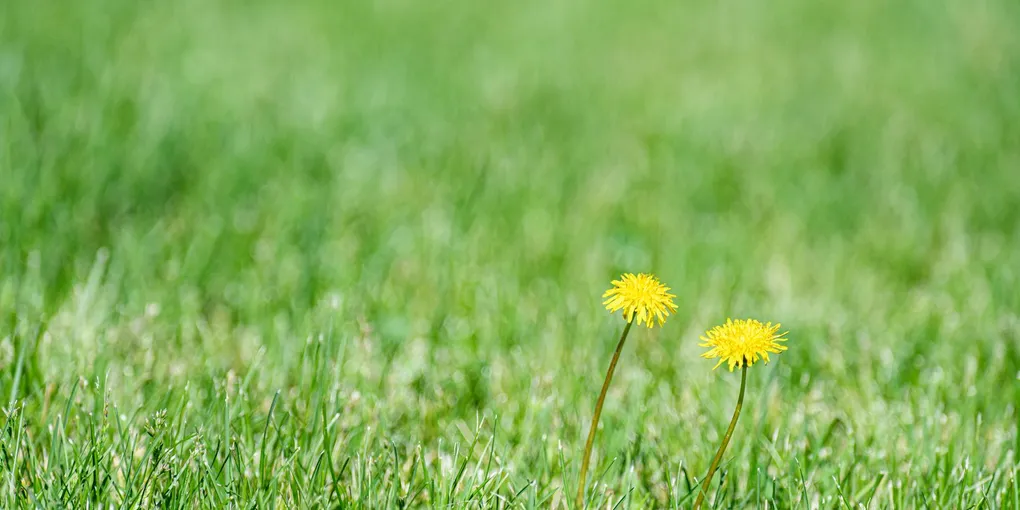
Kill weeds in a lawn with a selective herbicide containing 2,4-D, dicamba, and MCPP — these target broadleaf weeds (dandelion, clover, chickweed, plantain) without harming grass. Apply in spring or early fall when weeds are actively growing and temperatures are 60-80°F. For grassy weeds like crabgrass, prevent with a pre-emergent in early spring (soil temp 55°F); once grown, they can only be pulled or spot-killed. The real long-term weed solution is a thick, mowed-tall (3.5-4 inch), properly fertilized lawn — dense turf crowds out weeds naturally.
Frequently Asked Questions
What kills weeds but not grass?
Selective broadleaf herbicides — products containing 2,4-D, dicamba, MCPP (mecoprop), triclopyr, or combinations of these — kill most common lawn weeds (dandelion, clover, chickweed, plantain, oxalis) without harming grass. Brand names: Ortho Weed B Gon, Scotts Turf Builder Weed & Feed, Bayer Advanced All-in-One Weed Killer. Always check the label for your specific grass type — some herbicides damage St. Augustine, centipede, or bahia.
When is the best time to kill lawn weeds?
Spring (April-May) and early fall (September-October) are best — weeds are actively growing and the herbicide translocates into the roots for a full kill. Avoid applying in summer heat above 85°F (herbicide evaporates, can burn grass) or during drought (stressed grass is more vulnerable to herbicide damage). Early morning on a calm, dry day is the ideal window — dew helps the herbicide stick to leaves.
Will vinegar kill lawn weeds?
Yes, but it also kills grass — vinegar is a non-selective herbicide. It's effective for driveway cracks, patios, and gravel paths but not in lawns. Horticultural vinegar (20% acetic acid) works faster than household vinegar (5%). For organic lawn weed control, corn gluten meal works as a pre-emergent, and hand-pulling is the main post-emergence option — see the organic section below.
Do Weed and Feed products actually work?
Weed-and-feed combos (herbicide + fertilizer in one application) are convenient but timing is rarely ideal for both components. The weed killer wants April-May application; the fertilizer wants the grass ready to grow. Better approach: apply pre-emergent herbicide in early spring (55°F soil), then fertilizer 2-4 weeks later. For existing weed problems, spot-treat with liquid selective herbicide rather than blanket-applying weed-and-feed.
How long does it take for weed killer to work?
Visible wilting in 24-48 hours for most broadleaf weeds. Full kill in 7-14 days — the herbicide has to translocate down to the root system before the plant dies. Don't re-apply sooner than 14 days; some weeds need a second treatment after 2-3 weeks to kill regrowth. Don't mow for 48-72 hours before OR after application — mowing removes the leaf surface where the herbicide absorbs.
Can I pull weeds instead of spraying?
Yes, for small infestations and organic preference. Key rules: pull when soil is moist (roots come out clean), get the full taproot out (dandelions regrow from any root fragment left), and overseed bare spots immediately — empty soil invites new weeds. Hand-pulling scales to maybe 50 weeds per session; larger problems need chemical or cultural control (dense mowing, fertilization).
Kill weeds in your lawn by applying a selective broadleaf herbicide (like Ortho Weed B Gon or Spectracide Weed Stop) to actively growing weeds in spring or fall — it kills dandelions, clover, and crabgrass without harming most grass types. Pre-emergent herbicides (apply in early spring before soil reaches 55°F) prevent crabgrass and annual weeds from germinating. Do not apply herbicides in summer heat or to drought-stressed grass.
Every lawn has weeds. The question is whether they’re 5% of your lawn or 50%. This guide covers how to kill the weeds already there (without killing the grass around them), how to prevent next year’s weeds from germinating, and the cultural practices that separate a 5%-weed lawn from a 50%-weed one.
Start with Identification
Most homeowners reach for a weed killer without knowing what they actually have. That’s expensive — different weeds need different products, and misidentification is the #1 reason a $30 bottle of herbicide doesn’t work.
The Broadleaf Weeds (Most Common)
Leaves are wide and rounded, not grass-like. These respond to standard selective herbicides.
Dandelion — yellow flower, puffball seeds, deep taproot. Classic lawn weed. White clover — three leaflets, small white flowers, spreads via stolons. Creeping Charlie (ground ivy) — round scalloped leaves, purple flowers, aggressive spreader. Plantain — oval ribbed leaves, tall seed spikes. Broadleaf and narrowleaf varieties. Chickweed — small white star flowers, mat-forming in cool weather. Wild violet — heart-shaped leaves, purple flowers. Tough to kill, often needs triclopyr. Oxalis (wood sorrel) — clover-like but with yellow flowers and seed pods. Spurge — low-growing, milky sap when broken, spreads fast in summer heat.
The Grassy Weeds (Harder to Kill)
Leaves are blade-like, similar to the grass you want to keep. Standard broadleaf herbicides don’t touch them.
Crabgrass — sprawling, wide blades, appears in summer. Prevent with pre-emergent in spring. Goosegrass — similar to crabgrass but darker, appears in compacted areas. Nutsedge (nutgrass) — bright green, triangular stem, grows faster than lawn. Needs specialty herbicide (sulfentrazone, halosulfuron). Poa annua — bright green, seed heads near the base, loves cool wet conditions.
The Middle Category
Dallisgrass, quackgrass — perennial grassy weeds. Usually require spot-killing with a non-selective (Roundup) and reseeding the patch.
The Selective Herbicides That Work
Selective herbicides kill broadleaf weeds without harming grass. The active ingredients to look for:
- 2,4-D — the backbone of most lawn weed killers. Good on most broadleaf weeds.
- Dicamba — pairs with 2,4-D, extends range to tougher weeds like ground ivy.
- MCPP (Mecoprop) — widens the spectrum to chickweed, henbit, clover.
- Triclopyr — specialty for wild violet, creeping Charlie, and woody weeds.
- Quinclorac — selective crabgrass killer that doesn’t harm most cool-season grasses.
Best Products by Use Case
All-purpose broadleaf (most lawns): Ortho Weed B Gon Plus Crabgrass Control — kills broadleaf and young crabgrass in one spray.
Tough weeds (ground ivy, violets): Ortho Weed B Gon Chickweed Clover Oxalis Killer or Bonide Chickweed Killer (triclopyr).
Southern lawns (St. Augustine/centipede-safe): Atrazine weed & feed — 2,4-D damages these grasses; atrazine is the safer choice.
Crabgrass prevention (pre-emergent): Scotts Halts Crabgrass Preventer or Preen One Lawncare. Apply when soil temp hits 55°F (early April in most regions).
Nutsedge killer: Sedgehammer or Ortho Nutsedge Killer — standard broadleaf products don’t touch nutsedge.
Pump sprayer for spot-treatment: Chapin 2-Gallon Tri-Poxy Steel Sprayer — reusable, chemical-resistant.
When to Spray
Timing is the difference between a kill and a waste of $30 in herbicide.
Ideal conditions:
- Air temp 60-80°F (65-75°F is ideal)
- Weeds actively growing (not dormant, not stressed)
- Soil is moist from rain or irrigation in the past 2-3 days
- No rain forecast for 24-48 hours after application
- Calm morning with dew on leaves
- No mowing for 48-72 hours before or after
Bad conditions:
- Temp above 85°F — herbicide evaporates, stresses grass
- Below 55°F — weeds aren’t actively growing, reduced uptake
- Drought — stressed grass absorbs herbicide with weeds
- Windy — drift onto gardens, neighbors, sensitive plants
- Mowed in the last 2 days — leaf surface removed
Best windows:
- Spring (April-May) — the primary season. Weeds growing fast, temps moderate.
- Early fall (September-October) — the secondary season. Weeds preparing winter storage in roots, so herbicide translocates very efficiently.
Spot-Treat vs Blanket-Spray
Spot-treat (under 20% weed coverage):
- Use a 1-2 gallon pump sprayer
- Target individual weeds + 1-inch border around each
- Saves 70% on product, minimizes grass stress
- Takes 20-45 minutes for most lawns
Blanket-spray (over 20% weed coverage):
- Use a hose-end sprayer or broadcast sprayer
- Cover the entire lawn at the label rate
- Faster for heavy infestations
- Uses more product, stresses healthy grass slightly
Granular weed-and-feed (easiest):
- Combines herbicide with fertilizer
- Apply with a broadcast spreader
- Timing compromise — better results with separate spring pre-emergent and separate post-emergent spray
For most well-maintained lawns with scattered weeds, spot-treatment is the right answer.
Organic and Non-Chemical Options
Hand-Pulling
Effective for small infestations. Rules:
- Pull when soil is moist (a day after rain or deep watering)
- Get the full taproot — dandelions regrow from any fragment
- Use a weed puller tool for taproots
- Overseed bare spots immediately — exposed soil invites new weeds
Corn Gluten Meal
The most effective organic pre-emergent. Prevents weed seed germination (doesn’t kill existing weeds).
- Apply in early spring at 20 lbs per 1,000 sq ft
- Timing matters — apply when forsythia blooms (soil temp 55°F)
- Provides mild fertilization (10% nitrogen)
- Less potent than synthetic pre-emergents — expect 60-80% reduction in weed seedlings vs. 90%+ with synthetics
Espoma Organic Weed Preventer is the standard product.
Horticultural Vinegar
20% acetic acid vinegar (not kitchen vinegar) burns plant leaves. It’s non-selective — kills grass too. Useful only in:
- Driveway cracks
- Patio joints
- Gravel paths
- Mulched beds
Never use horticultural vinegar in lawns.
Iron-Based Herbicides
Fiesta Weed Killer and similar iron-based products kill broadleaf weeds without harming grass. They work but:
- Slower kill than synthetic (14-21 days)
- Less effective on deep-rooted perennials
- Safe around pets and kids after spray dries
Good middle ground between hand-pulling and synthetic herbicides.
Boiling Water
Effective on driveway cracks and patio joints. Kills everything it touches including grass and lawn-sensitive ornamentals. Never use on a lawn.
The Long-Term Weed Solution: A Thick Lawn
Chemical control is reactive. Cultural control is preventive. A thick, healthy lawn crowds out weeds without spray.
Mow tall. Cool-season grass at 3.5-4 inches; warm-season at 2-3 inches. Tall grass shades soil, preventing weed seed germination and conserving moisture. Scalping to 2 inches is the #1 cause of weed-prone lawns.
Water deeply, infrequently. 1 inch once a week. Deep watering grows deep grass roots; frequent shallow watering grows shallow roots that compete poorly with weeds.
Fertilize in spring and fall. See our how to fertilize your lawn guide. Dense turf is weed-hostile.
Overseed thin areas each fall. Bare soil is weed soil. Keep the lawn dense. See our how to overseed a lawn guide.
Aerate compacted soil. Weeds (especially grassy weeds) thrive in compacted soil. Core aeration every 2-3 years keeps soil loose. See our lawn aeration cost guide.
Apply pre-emergent in spring. Blocks crabgrass germination before it starts. Timing is when soil hits 55°F.
A lawn that follows these practices for 2-3 seasons will have 1-5% weed cover. A neglected lawn has 20-50%. The difference isn’t the spray — it’s the cultural practices.
Common Mistakes
- Spraying before identifying the weed. Wasted product when the herbicide doesn’t cover what you have.
- Mowing right before or after spraying. Removes the leaf surface where herbicide absorbs.
- Spraying in summer heat. Herbicide evaporates and grass burns.
- Using Roundup on lawn weeds. Kills everything — grass and weeds. Save for driveway and mulched beds.
- Skipping the overseeding after a kill. Bare soil grows new weeds fast.
- Mowing too short after treatment. Stresses grass while it recovers.
- Expecting immediate results. Most herbicides take 7-14 days for full kill.
- Applying pre-emergent AND overseeding. Pre-emergent blocks grass seed germination too.
Cost Breakdown
For a typical 5,000 sq ft lawn:
| Item | Cost |
|---|---|
| Broadleaf herbicide (1 gallon concentrate) | $25-$45 |
| Pre-emergent (covers 5,000 sq ft) | $20-$35 |
| Pump sprayer (reusable) | $25-$50 (one-time) |
| Spot-treat concentrate refill | $15-$25 per year |
| Total first year | $85-$155 |
| Annual thereafter | $45-$85 |
Pro lawn weed treatment runs $75-$150 per application, 2-4 times per year — $150-$600 annually vs. $45-$85 DIY.
Safety
- Wear gloves and eye protection when mixing concentrate
- Keep children and pets off the lawn until spray dries (usually 2-4 hours)
- Don’t spray on windy days (drift damages gardens, ornamentals, neighbors)
- Store concentrate out of freezing temperatures (some formulations degrade)
- Rinse sprayer thoroughly after each use
Related Reading
- Spring Lawn Care Schedule — full month-by-month plan that includes weed prevention timing
- How to Fertilize Your Lawn — dense turf is the best long-term weed control
- How to Overseed a Lawn — fill bare spots after weed removal
- Lawn Aeration Cost — compacted soil is weed-prone
- Best Lawn Mowers for Homeowners — mowing tall starves weeds of light
- Best Smart Sprinkler Controllers — deep infrequent watering favors grass over weeds
- Identify the weeds you have
Broadleaf weeds (dandelion, clover, chickweed, plantain, oxalis, wild violet): killed by selective 2,4-D/dicamba/MCPP products. Grassy weeds (crabgrass, goosegrass, nutsedge): require specialized herbicides or pre-emergent prevention. Most lawn-weed products handle broadleaf only — read the label for the specific weeds listed. Misidentification leads to wasted applications.
- Pick the right product for your grass type
Cool-season lawns (bluegrass, fescue, ryegrass) tolerate most standard selective herbicides. Warm-season lawns have stricter limits: St. Augustine, centipede, and bahia are damaged by 2,4-D and standard post-emergents — use atrazine or specialty products labeled for your grass. Always read the label section listing safe and unsafe grass types.
- Time the application correctly
Best: spring (April-May) or early fall (September-October), air temp 60-80°F. Weeds should be actively growing (green and unstressed), not dormant or wilted. Soil should be moist from recent rain or irrigation. Skip if rain is forecast in the next 24-48 hours — herbicide needs time to absorb into leaves.
- Spot-treat vs blanket-spray
For scattered weeds (under 20% of lawn): spot-treat with a pump sprayer — more efficient, less grass stress, less product waste. For heavy infestations (over 20% weed coverage): blanket-spray with a broadcast sprayer or granular weed-and-feed. Spot-treatment saves money and reduces chemical load.
- Apply correctly
Calm morning with dew on the leaves. Spray until leaves are wet but not dripping — excess runs off and wastes product. Coat upper and lower leaf surfaces. Do NOT mow for 48-72 hours before OR after application. Herbicide absorbs through leaves; removing leaves removes the delivery surface.
- Wait and monitor
Wilting visible in 24-48 hours. Yellow/brown dying plants in 5-10 days. Full kill in 7-14 days. Don't pull treated weeds — let the herbicide translocate to the roots. Once fully dead and dry, remove and overseed the bare spots if larger than 2 inches.
- Re-treat tough or regrowing weeds
Some weeds (ground ivy, wild violet, creeping Charlie) often survive a single application and need a second treatment 2-3 weeks later. Check the label — most products allow 2-3 applications per year. Don't exceed label rate or reapply sooner than allowed — repeat exposure can stress grass.
- Prevent future weeds with cultural controls
Mow tall (3.5-4 inches for cool-season, 2-3 inches for warm-season) — tall grass shades soil and crowds out weed seeds. Fertilize in spring and fall to keep turf dense. Water deeply once per week, not lightly every day — encourages deep grass roots vs. shallow weed roots. Overseed thin areas each fall. Apply pre-emergent herbicide in early spring to block crabgrass germination (soil temp 55°F).
Free: 10-Point Home Maintenance Checklist
Prevent costly repairs with this seasonal checklist. Save hundreds every year by catching problems early.
Your checklist is ready!
Open Checklist →Something went wrong. View the checklist here.