How to Install a Prehung Interior Door: Rough Opening, Shimming, and Hanging (2026)
Installing a prehung interior door is a 2–4 hour project when the rough opening is the right size. This guide covers checking the opening, shimming the frame plumb and level, nailing, and trimming out.
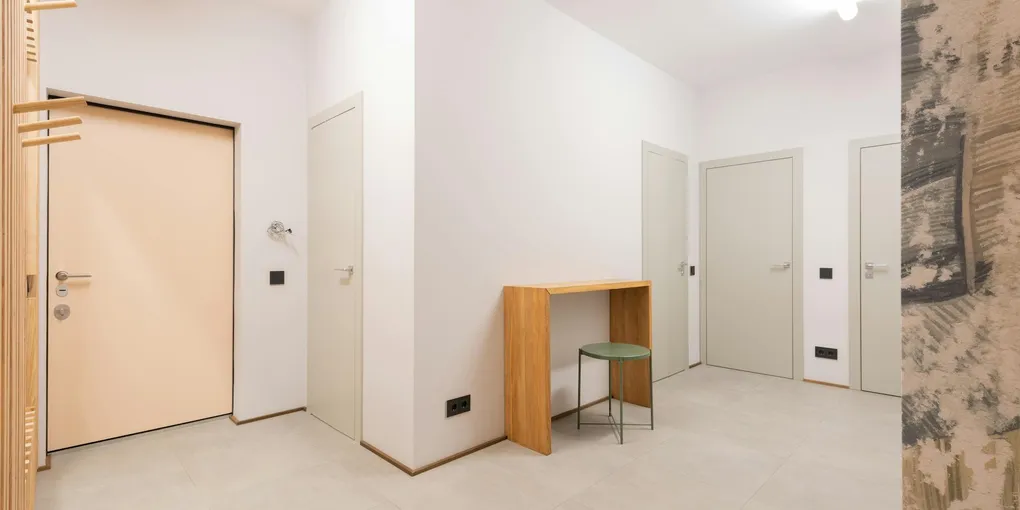
A prehung door comes with the door already hung in a frame. Installation: (1) Check the rough opening — it should be the door width + 2 inches and the door height + 2.5 inches to allow for the frame and shimming. (2) Set the unit in the opening, check plumb and level, and shim behind the hinge side first. (3) Nail through the frame into the rough framing at shim locations. (4) Check that the door opens, closes, and latches without binding before trimming.
Frequently Asked Questions
What size rough opening do I need for a prehung door?
Standard formula: rough opening width = door width + 2 inches. Rough opening height = door height + 2.5 inches (to account for the frame, shimming, and floor clearance). Example: for a 2/8 door (32-inch × 80-inch), the rough opening should be 34 inches wide × 82.5 inches tall. Always measure the rough opening before ordering the door. A rough opening that is too narrow requires re-framing; one that is too wide can be shimmed but more shimming means more work.
What is shimming and why does it matter?
Shims are tapered cedar wedges that fill the space between the door frame and the rough framing. They allow you to fine-tune the frame so it is perfectly plumb (vertically straight) and level (horizontally straight) even if the rough framing is not. Without shims, a slightly out-of-plumb door frame causes the door to swing open or closed on its own (gravity-opens or gravity-closes). Most prehung doors bind at the latch side if the hinge side is not plumb.
Should I remove the door from the frame before installing?
For single-person installation in tight spaces: yes, removing the door makes the unit lighter and easier to position. Unscrew the hinge leaves from the door (not from the frame) so the frame stays intact. Reinstall the door after the frame is shimmed and nailed. For two-person installation: keep the door on — it's faster and you can test swing as you go. Mark the door with a piece of tape as "top" before removing so you know which way it rehang.
How much gap should I leave at the bottom of the door?
For carpet: 3/4 to 1 inch clearance from the bottom of the door to the subfloor, to clear the carpet pile. For hard flooring: 1/2 inch clearance. The bottom clearance also affects air circulation — required by code in some areas if the door separates a bedroom from a central return air system (doors need some air passage for HVAC balance).
The door binds at the top corner. What is wrong?
A door that binds at the top latch corner is almost always a hinge-side plumb problem — the hinge side is leaning toward the opening (out of plumb), causing the door to swing into the frame. Fix: check the hinge jamb with a level. If it leans at the top: add shims behind the bottom hinge to push that side out. Tiny adjustments — 1/16 inch — make a big difference. Never plane a door as a first fix; planing should be the last resort after the frame is confirmed plumb.
A prehung door comes with the door already hung in a frame. Installation: (1) Check the rough opening — it should be the door width + 2 inches and the door height + 2.5 inches to allow for the frame and shimming.
A prehung door replaces an entire door-and-frame assembly. It’s the right choice for new openings, rotted frames, or when the old door has warped beyond repair.
What you need
- Prehung interior door (correct size — see rough opening FAQ)
- Cedar shims (2–3 bundles)
- Level (4-foot or 6-foot for best accuracy)
- Hammer and 16d finish nails (or finish nail gun)
- Circular saw or handsaw (for trimming shims)
- Utility knife
- Drill and screwdriver
- Trim molding (casing) for both sides
- Wood filler and paint
Step 1: Check the rough opening
Measure the rough opening width and height. It should be door width + 2” wide and door height + 2.5” tall. Check that the subfloor is level — a level subfloor is the foundation for a plumb door.
If the rough opening is significantly out of square (more than 1/2 inch diagonal difference corner-to-corner): correct the framing before proceeding.
Step 2: Set the door unit in the opening
With a helper, lift the prehung door unit into the rough opening. Center it in the wall so the frame sits flush with the drywall faces on both sides.
Step 3: Shim and plumb the hinge side
This is the most important step. Place shim pairs (two opposing shims, thin ends opposite) behind the hinge jamb at the top, middle, and bottom hinges.
Hold a 4-foot level on the hinge jamb face. Tap shims until the jamb reads perfectly plumb — the bubble is centered.
Drive two 16d finish nails through the frame and shims into the rough framing stud at each shim location. Do not nail more than a couple of nails yet — you may need to adjust.
Step 4: Test the door swing
Open and close the door several times. It should swing freely, not bind at any corner, and not swing open or closed on its own. The reveal (gap between the door face and the frame) should be even along the full height on the hinge side — about 1/8 inch.
If the door swings open: the hinge side leans away from plumb at the top. Add shim behind the top hinge.
If the door binds at the top latch corner: the hinge side leans toward the opening. Add shim behind the bottom hinge.
Step 5: Shim the latch side and head
Once the hinge side is correct, shim the latch side jamb at the top and bottom, maintaining the 1/8-inch reveal. The reveal between the door top and the head jamb should also be 1/8 inch.
Nail through the latch jamb shims into the framing. Check that the door latches without forcing.
Step 6: Nail and trim shims
Add finish nails every 16 inches along both jambs and the head once everything is confirmed. Score the shims flush with the jamb face using a utility knife, then snap them off.
Step 7: Install casing trim
Nail casing molding to both sides of the door, leaving a 1/8-inch reveal on the jamb edge (called the “margin”). Miter the corners at 45 degrees. Nail with 2-inch finish nails into the jamb and 2.5-inch nails into the framing.
Fill nail holes with wood filler, sand, and paint.
Related guides
- How to Fix a Door That Won’t Latch — troubleshoot after installation
- How to Fix a Squeaky Door — fix binding or squeaking hinges
- How to Install a Deadbolt — add a deadbolt to the new door
- How to Install a Smart Lock — upgrade the latch hardware
- Check the rough opening
Measure the rough opening: width should equal door width + 2 inches; height should equal door height + 2.5 inches. Verify the subfloor is level across the opening with a level. An opening that is too narrow requires re-framing; one that is too wide needs extra shimming.
- Set the door unit in the opening
With a helper, lift the prehung door unit into the rough opening. Center it so the frame sits flush with the drywall on both sides of the wall. Temporarily support the bottom corners with small wedges to hold position while you shim.
- Shim and plumb the hinge side
Place shim pairs behind the hinge jamb at each hinge location. Use a 4-foot level to check the hinge jamb — adjust shims until the jamb is perfectly plumb. Small adjustments (1/16 inch) make a big difference in how the door swings. Nail through the hinge side jamb into the framing at each shim location with 16d finish nails.
- Test the door swing
Open and close the door. It should swing freely through its full range without binding. The reveal (gap between door and jamb) should be consistent — about 1/8 inch on the hinge side. If the door swings open or closed on its own, the hinge side is not yet plumb — adjust before proceeding.
- Shim the latch side and head, then nail
Shim the latch side jamb and the head jamb, maintaining 1/8-inch reveals. Test that the door latches without forcing. Nail through each jamb into the framing at shim locations. Score shim faces flush with the jamb using a utility knife and snap off the excess. Fill nail holes with wood filler.
- Install casing trim
Nail casing molding to both sides of the door with a 1/8-inch reveal margin at the jamb edge. Miter the corners at 45 degrees. Nail 1.5 inches from each edge — one set of nails into the jamb, one set into the rough framing. Set nails with a nail punch and fill holes. Sand and paint.
Free: 10-Point Home Maintenance Checklist
Prevent costly repairs with this seasonal checklist. Save hundreds every year by catching problems early.
Your checklist is ready!
Open Checklist →Something went wrong. View the checklist here.