How to Cut In Paint: The Technique for Clean Edges Without Painter Tape (2026)
Cutting in is painting a clean edge at ceilings, trim, and corners using a brush — no painter tape required. This guide covers brush selection, loading technique, and the 'feathering' method that lets you cut a straight line freehand.
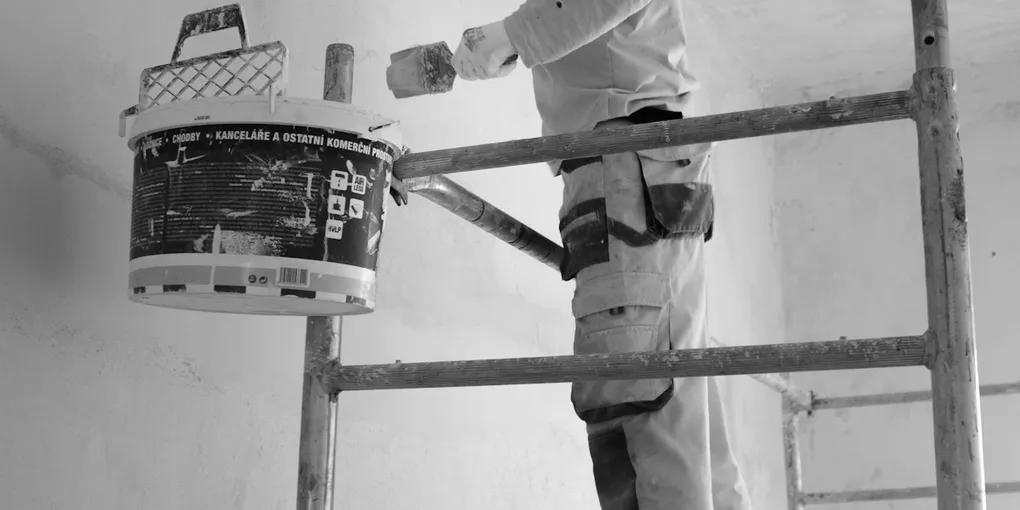
Cut-in technique: (1) Use a 2-2.5-inch angled sash brush (not a straight brush). Angle the brush so the longer bristles lead into the edge. (2) Load the brush by dipping 1/3 of the bristle length and tapping (not wiping) both sides on the can rim — this loads the brush without overloading it. (3) Place the brush 1/2 inch away from the edge and paint toward the edge. The last stroke runs parallel to the edge with the long bristle tip touching the line. (4) Maintain a wet edge — cut in small sections (2–3 feet), then roll immediately before the cut-in section dries, so the brush and roller work blends.
Frequently Asked Questions
What brush should I use for cutting in paint?
Brush selection for cutting in: (1) Use an angled sash brush — the bristles are cut at an angle so the longer bristles can form a precise chisel edge at the paint line. Sizes: 2 inch for tight spaces (around window mullions), 2.5 inch for most work (ceiling line, door trim edge). (2) Bristle type: for latex (water-based) paints — synthetic (nylon/polyester) bristles. For oil-based paint — natural bristles (China bristle) or high-quality synthetic. Do not use natural bristles with latex — they absorb water, go limp, and swell. (3) Quality matters: a $5 chip brush sheds bristles, loses its edge quickly, and leaves brush marks. A $12–$20 Purdy Clearcut, Wooster Silver Tip, or similar quality brush holds its edge, loads paint better, and produces a smoother line. (4) The brush must be clean and properly conditioned before use — if new, wet the bristles with the appropriate solvent (water for latex) and work it through to soften the bristles before loading paint.
How do I load a brush for cutting in?
Brush loading technique: (1) Dip the brush into the paint to 1/3 of the bristle length — no deeper. Dipping too deep loads paint into the ferrule (the metal band) and the paint drips and is hard to control. (2) Tap both sides of the loaded brush against the inside of the can rim. Do NOT wipe the brush across the can edge — wiping removes too much paint and forces paint into the ferrule. Tapping leaves the ideal amount of paint distributed throughout the bristle length. (3) The brush is loaded correctly when it holds a moderate amount of paint without dripping, and the bristles form a clean chisel edge (not splayed out). (4) Paint consistency matters: if the paint is very thick (cold weather, or fresh from the can), it is harder to cut in cleanly. Thin latex paint very slightly with water (no more than a teaspoon per quart) for easier brush flow.
What is the technique for painting a straight line at the ceiling?
Ceiling-line cut-in technique: (1) Position the brush 1/2 inch below the ceiling and apply paint in a short horizontal stroke. This is the loading stroke — do not try to get it perfect on the first pass. (2) While the paint is still wet: bring the brush back to the line, position the angled edge with the longer bristles touching the ceiling line, and draw a smooth horizontal stroke. The longer bristles gently contact the ceiling while the shorter bristles keep the paint off the ceiling. (3) Speed: fast strokes at the line look choppy. Use a slow, even stroke with consistent pressure — the bristle tip should flex slightly as it drags. (4) Look ahead, not at where the brush is — focus your eyes 12 inches ahead of where the bristle touches. Your hand follows your eyes; looking directly at the brush tip causes course-correction wobble. (5) Each stroke can cover 12–18 inches cleanly. Lap slightly onto the previous stroke and feather out (lift the brush slightly at the end of each stroke) to blend without a hard line.
Should I use painter tape or cut in freehand?
Painter tape vs. freehand cut-in: (1) Freehand cutting in is faster and produces a better result for experienced painters — no tape application time, no tape bleed, no peeling. At painting speed, you can cut in a room 2–3x faster than taping every edge. (2) Painter tape is appropriate for: beginners, complex colors or patterns where a stray mark is visible, and critical edges where even a 1/16-inch waver is unacceptable (like cutting oil-paint trim against flat wall paint). (3) The hybrid technique: tape corners and tight spots only (where the brush geometry makes freehand difficult), cut the long straight runs freehand. (4) If using tape: press the edge firmly with a putty knife or credit card to seal it, and remove the tape at a 45-degree angle immediately after the final coat while still wet — not after it dries. Dried tape can peel the wall paint. (5) For interior latex over latex: the two coats are compatible enough that a small lap of wall color onto trim is easily touched up. Perfect tape every edge is rarely necessary for routine repaints.
How do I blend the cut-in strip with the roller section?
Blending cut-in and roller: (1) The most common amateur mistake is cutting in the entire room first, letting it dry, and then rolling. This creates a visible difference in sheen and texture at the edge — the brushed band looks different from the rolled field. (2) The correct method: cut in one wall, then immediately roll that wall before the cut-in dries. The wet cut-in and wet roller blend at their intersection and cure as one uniform coat. (3) Roll close to the ceiling — come within 1/4 inch of the ceiling or trim with the roller to minimize the brushed-only visible band. (4) When rolling: use long overlapping vertical strokes. Roll over the seam between the cut-in strip and the rolled area on the final pass. (5) Reload the roller before the final overlap pass — a dry roller on the seam drags paint from the rolled section and creates a streak. A loaded roller blends the seam invisibly. (6) If cut-in dried before rolling: lightly roll over it with a slightly loaded roller to re-wet and blend the texture.
How do I fix a wavy or uneven cut-in line?
If the paint is still wet (within 60 seconds): dip a clean, barely damp brush and feather the ragged edge with a very light stroke parallel to the line — this blends a wobbly section without adding more paint. Don't overwork it. If the paint has dried: let it cure fully (minimum 2 hours for latex), then apply painter tape on the correct side of the error and touch up with the adjacent color. A small artist's brush (1/2 to 3/4 inch) is more controllable than the full 2.5-inch sash brush for touch-up corrections. On ceilings: a correction strip of ceiling white can be run along the edge with a small foam roller to straighten a wavy ceiling line — then re-cut the wall color cleanly against the fresh ceiling edge.
How do I cut in at an inside corner where two wall colors meet?
Inside corners are actually forgiving: the corner hides slight wobble in a way that open runs do not. Technique: (1) Paint the lighter color all the way into the corner and let dry. (2) Cut the darker color up to the corner on its wall face. Where the two colors overlap inside the corner itself, use whichever was painted last — the overlap in the fold is invisible. (3) Do not try to cut both colors simultaneously or in the same session. (4) Always paint from lighter to darker so that any slight overshoot of the darker color onto the lighter surface is easily covered — the reverse is harder to fix. (5) A good quality angled brush with crisp bristles makes corner work significantly easier than a worn or overloaded brush.
Cut-in technique: (1) Use a 2-2.5-inch angled sash brush (not a straight brush). Angle the brush so the longer bristles lead into the edge.
Cut one wall and roll it immediately — letting cut-in dry before rolling creates a visible sheen difference.
What you need
- Angled sash brush (Purdy Clearcut or Wooster Silver Tip, 2–2.5 inch)
- Paint tray or 5-gallon bucket with roller grid
- 9-inch roller with 3/8-inch nap (for flat walls)
Step 1: Load the brush correctly
Dip 1/3 of the bristle length. Tap both sides against the can rim. Never wipe across the edge.
Step 2: Apply the loading stroke
Start 1/2 inch from the edge and apply a short stroke to deposit paint near the line. This is the loading stroke — accuracy optional.
Step 3: Draw the cut-in stroke
Reposition: angled bristle tips at the line, longer bristles leading. Draw a slow, even horizontal stroke 12–18 inches. Feather out at the end by lifting slightly.
Step 4: Roll immediately
Before the cut-in section dries: load the roller and roll the same wall, overlapping the cut-in band on the final pass to blend the seam.
Related guides
- How to Paint a Room Like a Pro — full room painting sequence and technique
- How to Touch Up Paint on Walls — fixing paint imperfections after the main job
- How to Prep a Room for Painting — surface preparation for clean results
- How to Install Crown Molding — cut in carefully along crown molding for clean paint lines at the ceiling
- Load the brush correctly
Dip 1/3 of the bristle length into the paint. Tap both sides against the inside of the can rim — do not wipe across the rim edge. Tapping leaves the right amount of paint distributed through the bristles without dripping or loading the ferrule.
- Apply a loading stroke near the edge
Hold the angled sash brush at 45 degrees to the surface. Place the brush 1/2 inch from the edge and apply paint in a short horizontal stroke. This deposits paint near the line before making the precision cut stroke.
- Cut the line with the long bristle tip
With paint still wet, position the brush so the longer bristles just touch the ceiling or trim line. Draw a slow, even stroke parallel to the edge — 12 to 18 inches per pass. Focus your eyes 12 inches ahead of the brush tip, not directly at it. Lift slightly at the end of each stroke to feather the edge.
- Roll the wall immediately while cut-in is wet
Cut in one wall section (2–3 feet), then roll it immediately before the cut-in dries. The wet brush stroke and wet roller blend at their intersection and cure as one uniform coat. Never cut in an entire room and then roll — letting the cut-in dry first creates a visible sheen difference at the edge.
Free: 10-Point Home Maintenance Checklist
Prevent costly repairs with this seasonal checklist. Save hundreds every year by catching problems early.
Your checklist is ready!
Open Checklist →Something went wrong. View the checklist here.