How to Clean a Refrigerator: Interior, Coils, Gasket, and Drain Pan
How to clean a refrigerator step by step — interior shelves and drawers, the coils that most people never touch (and that kill efficiency), door gasket, drain pan, and the deodorizing habits that keep it smelling clean between deep cleans.
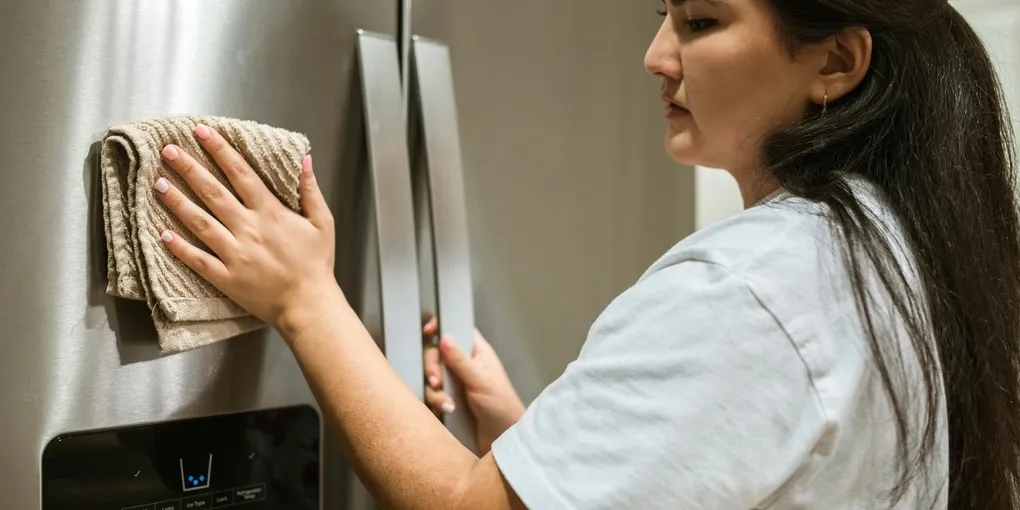
Clean a refrigerator every 3 months by emptying it, wiping interior surfaces with a mild soap solution (1 tablespoon dish soap + 1 quart warm water — avoid bleach on plastic). Pull out shelves and drawers and wash separately. Clean the door gasket with a toothbrush and soap. Vacuum and brush the coils at the back or bottom every 6 months (this alone improves efficiency 10-25%). Empty and rinse the drip pan underneath annually. Replace an open box of baking soda monthly for odor absorption. A full deep clean takes 60-90 minutes; coil cleaning alone takes 15 minutes and often pays for itself in reduced energy bills.
Frequently Asked Questions
How often should I clean my refrigerator?
Wipe spills immediately (they dry sticky and attract mold). Quick wipe of frequently-touched surfaces weekly. Deep clean interior every 3 months. Clean door gasket monthly. Clean coils every 6-12 months. Clean drip pan annually. Most refrigerators get deep-cleaned once a year and break down 2-3x earlier than they should — the more frequent schedule adds years of life.
What's the best way to clean fridge coils?
Unplug the fridge first. Locate the coils — older models have them on the back, newer ones usually on the bottom front or bottom back behind a kick plate. Use a [refrigerator coil brush](https://www.amazon.com/s?k=refrigerator+coil+cleaning+brush&tag=fixupfirst-20) ($10-$15) to loosen dust, then vacuum with a crevice tool. Takes 15 minutes. Dust on coils can raise energy bills 15-35% — this single task has the highest ROI of any appliance maintenance in the house.
Why does my refrigerator smell bad even after cleaning?
Three likely causes: (1) the drip pan underneath is full of stagnant water and needs emptying, (2) the door gasket has food/mold buildup in the folds, (3) spilled liquid got behind or under a drawer and is growing mold out of sight. Pull out all drawers, wipe every hidden corner, check the drip pan, and deep-clean the gasket with a toothbrush. Fresh baking soda (open box, replaced monthly) absorbs residual odors.
Can I use bleach to clean the fridge?
Avoid bleach inside a refrigerator — it degrades plastic shelving and can leave residue that contaminates food. Use mild dish soap and warm water for general cleaning, diluted white vinegar for light sanitizing, or hydrogen peroxide spray for stronger disinfection. For heavy mold (rare, usually from long power outages), a 1:10 bleach solution can be used once — rinse thoroughly 3 times with clean water after.
How long should a refrigerator last?
14-20 years for full-size refrigerators with regular maintenance. Compressors typically last 10-15 years. The things that shorten life: dirty coils (compressor overworks), slamming the door (breaks door seals), overloading (blocks air circulation), and skipping annual drip-pan cleaning (water damage to components). A $15 coil brush and 30 minutes of maintenance per year often add 3-5 years of appliance life.
Should I unplug my fridge to clean it?
For interior cleaning: no, just open the door. For coil cleaning: YES, unplug for safety. Use the time to let the interior warm slightly for easier wiping. If you're out of the fridge for over 30 minutes, move perishables to a cooler with ice packs. For coil cleaning, 15-20 minutes unplugged is safe without affecting food.
How do I clean a refrigerator water dispenser and ice maker?
For the water dispenser: clean the drip tray weekly (it collects mold-friendly moisture). For the dispenser nozzle, wipe with a white vinegar-dampened cloth to remove mineral deposits and bacteria. For the internal water lines: run 3–4 full glasses of water to flush the line after cleaning. For the ice maker: turn it off, discard all ice, and let the bin air out for a few hours. Wipe the bin with a 50/50 water-and-white-vinegar solution. Replace the refrigerator water filter every 6 months — this is the most important step for clean-tasting water and ice. A clogged or expired filter is the #1 cause of bad-tasting water from refrigerator dispensers.
How do I know when to replace a refrigerator door gasket?
Test the door seal by closing a piece of paper in the door — if the paper slides out easily with no resistance, the gasket is failing and cold air is escaping. Other signs: visible cracks, tears, or stiff sections in the rubber, frost buildup inside near the door edges (condensation getting in), or a refrigerator that runs constantly to maintain temperature. A failing door gasket adds 10–25% to your energy bill. Replacement gaskets cost $30–$80 on Amazon (search your model number) and snap or screw into place — a 30-minute DIY job that pays for itself in 2–4 months of reduced electricity costs. Extend gasket life by wiping with a food-safe silicone spray or petroleum jelly annually.
Clean a refrigerator every 3 months by emptying it, wiping interior surfaces with a mild soap solution (1 tablespoon dish soap + 1 quart warm water — avoid bleach on plastic). Pull out shelves and drawers and wash separately.
A refrigerator that’s never been deep-cleaned quietly costs you in two ways: dirty coils force the compressor to run 15-35% more (visible on your electric bill), and slow-growing mold in the gasket, drip pan, or behind drawers gets into the air every time you open the door. A quarterly 60-90 minute clean and a 15-minute coil brush every 6 months adds years of appliance life and $30-$100/year in energy savings. This guide covers the full process plus the coil-cleaning step most homeowners have literally never done.
Tools and Supplies
- Refrigerator coil cleaning brush ($10-$15) — essential and most fridges need it
- Vacuum with crevice tool — for coil cleanup after brushing
- Microfiber cloth pack
- Dish soap (mild, for interior)
- Baking soda (odor absorber)
- Old toothbrush set (gasket + corner cleaning)
- Fridge organizer bins (optional — makes restocking faster and prevents future spills)
- Stainless steel cleaner (for the exterior door)
The Coil Cleaning Step Most People Never Do
This is the single highest-ROI maintenance task on a refrigerator.
The setup: The condenser coils sit at the back or bottom of every refrigerator. They release heat pulled from inside the fridge. When coated in dust, they can’t release heat efficiently, so the compressor runs longer and harder to keep the fridge cold.
The consequences of dusty coils:
- Energy use up 15-35%
- Food cools/freezes unevenly
- Compressor lifespan shortened by 3-5 years
- Higher operating temperatures stress electronics
- Fridge makes more noise
The fix takes 15 minutes:
- Unplug the fridge (safety)
- Locate the coils
- Older models (pre-2005): back of fridge, visible
- Newer models: behind the kick plate at the bottom front, or bottom back
- Remove the kick plate (usually 2-4 clips or screws)
- Use a coil brush — a long flexible brush designed for this job — to loosen dust from between coil fins
- Vacuum with the crevice tool
- Also vacuum the fan and motor compartment if accessible
- Replace kick plate
- Plug back in
Total time: 15-20 minutes. Do this every 6 months (every 3 months if you have pets — pet hair clogs coils 3x faster).
The Quarterly Deep Clean
Every 3 months, run through the full interior clean.
Step 1: Empty
Put everything in a cooler with ice packs. Group like items together so restocking is fast.
Quick toss-list while emptying:
- Expired condiments (check dates)
- Leftovers older than 4 days
- Brown or slimy produce
- Open packages of cheese/deli meat over 10 days old
- Jars with visible mold
Step 2: Remove Shelves and Drawers
Pull out:
- All glass and plastic shelves
- Crisper drawers
- Meat/dairy drawers
- Door bins
Most lift straight out. If they don’t, check the manual — some require an angle to clear retaining tabs. Don’t force — replacement parts are $30-$150 each.
Step 3: Wash Separately
In the sink with warm water and dish soap:
- Never use hot water on cold glass — thermal shock can crack
- Let cold glass sit 15-20 minutes before washing
- Soft cloth or sponge — no abrasive pads
- Rinse, dry thoroughly
Step 4: Wipe the Interior
Mix 1 tablespoon dish soap + 1 quart warm water in a spray bottle or bucket.
Wipe:
- All walls, ceiling, floor
- Back wall (where glass shelves sat)
- Door interior
- Hinges of door bins
- Corners
For sticky spots, hold a wet cloth against the spot for 30 seconds before wiping.
Skip:
- Bleach (degrades plastic, can contaminate food)
- Abrasive cleansers
- Glass cleaner with ammonia (some plastics crack)
Step 5: The Door Gasket
The rubber seal around the door is a mold magnet — crumbs, spills, and condensation collect in the folds.
- Wet an old toothbrush with warm soapy water
- Scrub the entire perimeter, including folds
- Wipe with damp cloth
- Dry
Annual bonus: Apply a thin coat of petroleum jelly or silicone spray to the gasket. Keeps it flexible. Dried-out gaskets don’t seal properly and waste energy.
Step 6: Behind and Under
Pull the fridge out (watch the water line and cord):
- Sweep/vacuum the floor behind
- Wipe the wall behind
- Clean any wall marks from the fridge’s back
- Check for water leaks from the fridge (water line fittings, drain pan)
Step 7: The Drip Pan (Annual)
The drip pan sits underneath the fridge and catches condensation/defrost water. Most people NEVER clean this.
- Pull fridge forward
- Slide the pan out (some are behind kick plate)
- Empty the water
- Wash with soap and water
- Dry
- Reinstall
If you smell a persistent musty smell even after cleaning everything else, the drip pan is usually the cause.
Step 8: Restock
Put everything back in organized zones:
- Top shelf: Dairy, drinks (most stable temp)
- Middle shelves: Leftovers, cooked food
- Bottom shelf: Raw meat (in a tray in case of leaks)
- Crisper drawers: Produce (high humidity) and deli meat (low humidity)
- Door: Condiments, juice, eggs (most variable temp — fine for things that store stably)
Place an open box of baking soda on a middle shelf for odor absorption. Replace every 30 days.
Fixing a Smelly Fridge
If it still smells after cleaning, check in order:
- Drip pan — empty and wash (see step 7 above)
- Hidden spill behind a drawer — pull all drawers out, check the tracks and walls behind
- Gasket mold — deep clean with toothbrush and bleach solution
- Vent openings — small air passages between fridge and freezer can harbor mold; wipe with a damp cloth
- Expired food — check the back corners of shelves and deep into drawers
- Activated charcoal packet — if nothing obvious, a box of activated charcoal ($8-$15) absorbs stubborn odors better than baking soda
Stainless Steel Exterior
For the outside:
- Stainless steel door: Use a stainless-specific cleaner with a microfiber cloth. Always wipe WITH the grain of the metal, not across.
- Smudges: Olive oil on a microfiber cloth works surprisingly well — polish off residue with a dry cloth.
- Hard-water spots on water dispenser: Wipe with a cloth dampened with distilled vinegar, rinse with a wet cloth.
Water Filter Replacement
If your fridge has an ice maker or water dispenser, the water filter needs replacement every 6 months. Older filters:
- Reduce water flow
- Stop filtering chemicals and lead effectively
- Can grow bacteria internally
- Produce funky-tasting ice
Write the replacement date on the filter with a Sharpie when you install it. Water filters run $30-$80 each; OEM filters are more reliable than generic aftermarket ones.
The Maintenance Schedule
Weekly:
- Wipe front of fridge door
- Check for expired food
- Wipe obvious spills
Monthly:
- Replace baking soda deodorizer
- Clean door gasket
Every 3 months:
- Full interior deep clean
- Wash shelves and drawers
- Wipe back of fridge (behind)
Every 6 months:
- Clean coils
- Vacuum behind and underneath
- Replace water filter (if installed)
Annually:
- Clean drip pan
- Apply petroleum jelly or silicone to gasket
- Check water line for leaks
Every 5 years:
- Consider professional inspection (compressor, electronics)
When to Repair vs Replace
Repair if:
- Under 10 years old
- One component failed (icemaker, water line, light)
- Cooling issue traced to thermostat or fan (affordable fix)
Replace if:
- Over 15 years old
- Compressor has failed (repair costs 60-80% of a new fridge)
- Door gasket and seal system failing (multiple issues)
- You’re considering major kitchen renovation
Average life with regular coil cleaning: 15-20 years. Without: 8-12 years.
Related Reading
- How to Clean an Oven — the other big kitchen appliance
- How to Clean a Dishwasher — kitchen appliance maintenance companion
- How to Clean a Garbage Disposal — the sink counterpart
- How to Clean a Washing Machine — laundry appliance version
- How Long Do Home Appliances Last — maintenance extends life significantly
- Annual Home Maintenance Schedule — when fridge tasks fit in the year
- Kitchen Remodel Cost Breakdown — when cleaning isn’t enough
- How to Fix a Leaking Refrigerator Water Line — repair the supply line if water is pooling behind the fridge
- Empty and prep
Empty the refrigerator completely into a cooler with ice packs. Group like items together as you remove them (dairy, produce, condiments) for faster restocking. Check expiration dates — this is a great chance to toss old condiments and spoiled leftovers. Wipe the underside of anything sticky before putting it in the cooler.
- Remove shelves and drawers
Pull out all removable shelves, drawers, and door bins. Most lift straight out after emptying. Some refrigerators require sliding them to a specific angle to clear retaining tabs — check the manual if they don't lift freely. Don't force — cracked plastic replacement parts cost $30-$150 each.
- Wash shelves and drawers separately
Wash removable parts in the sink with warm water and dish soap. Never use hot water on cold glass — thermal shock can crack the shelf. Let cold glass sit out 15-20 minutes to warm before washing. Use a soft cloth or sponge; skip abrasive pads that scratch plastic. Dry thoroughly before reinstalling.
- Clean the interior
Mix 1 tablespoon dish soap with 1 quart warm water. Wipe all interior surfaces with a soft cloth — walls, ceiling, door interior, the back where glass shelves sat. For sticky spots, soak a cloth and hold against the spot for 30 seconds before wiping. Pay attention to corners and the hinges of door bins where spills hide. Dry with a clean cloth.
- Clean the door gasket
The rubber seal around the door traps crumbs and grows mold in the folds. Use an old toothbrush dipped in warm soapy water. Scrub the entire perimeter, paying attention to the folds. Rinse with a damp cloth. Apply a thin coat of petroleum jelly or silicone spray to the gasket once a year to keep it flexible — dried-out gaskets don't seal properly and waste energy.
- Clean the coils (every 6-12 months)
Unplug the refrigerator. Locate the coils — back of the fridge or behind the kick plate at the bottom front. Use a [refrigerator coil brush](https://www.amazon.com/s?k=refrigerator+coil+cleaning+brush&tag=fixupfirst-20) to loosen dust from the coils and fan. Vacuum with the crevice tool attachment. Also vacuum the fan blade and compressor area if accessible. This single task improves energy efficiency 10-25% and can add years of compressor life. Plug back in.
- Clean the drip pan (annually)
The drip pan sits underneath the refrigerator and collects condensation and defrost water. If it's not emptied annually, water accumulates with food particles and grows mold. Pull the refrigerator forward (watch the water lines and electrical cord), slide the pan out, empty, wash with soap and water, dry, and reinstall. Some models have the pan behind the kick plate — check the manual.
- Restock and deodorize
Put food back in organized sections (dairy on top, meat on bottom, produce in drawers, condiments in doors). Place an open box of baking soda on a middle shelf — it absorbs odors for about 30 days, then replace. Wipe the exterior door with stainless steel cleaner or a mild all-purpose spray. Done.
Free: 10-Point Home Maintenance Checklist
Prevent costly repairs with this seasonal checklist. Save hundreds every year by catching problems early.
Your checklist is ready!
Open Checklist →Something went wrong. View the checklist here.