How to Clean a Dishwasher: Filter, Spray Arms, and Deep-Clean Methods
A step-by-step guide to cleaning a dishwasher — daily habits, monthly filter cleaning, deep cleaning with Affresh or vinegar, and fixing smelly or poorly-cleaning machines without a service call.
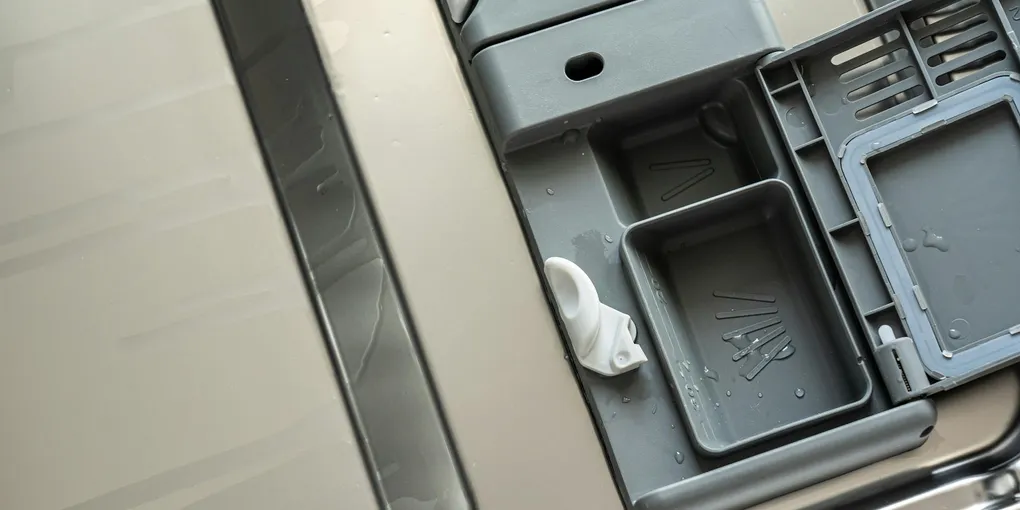
Clean a dishwasher monthly by removing and rinsing the filter (the single biggest cause of poor cleaning performance), wiping the door gasket and edges with a mild cleaner, and running an empty hot cycle with a dishwasher cleaner tablet (Affresh or Finish) or a cup of white vinegar in a top-rack mug. Deep-clean the spray arms every 2-3 months by soaking in vinegar and clearing clogged jets with a toothpick. A dishwasher that suddenly stops cleaning well is almost always a clogged filter — 80% of performance complaints are fixed by a 5-minute filter rinse.
Frequently Asked Questions
How often should I clean my dishwasher?
Rinse the filter monthly (or every 20-30 cycles — whichever comes first). Wipe the door gasket and surrounding edges weekly to prevent mold. Run a full deep-clean cycle with Affresh or vinegar every 1-3 months depending on water hardness — hard water needs more frequent cleaning. The spray arms should be soaked and cleared every 2-3 months.
What's the best dishwasher cleaner?
Affresh Dishwasher Cleaner tablets ($8-$12 for a 6-pack) are the most widely recommended — proprietary formula removes grease, limescale, and mineral buildup. Finish Dishwasher Cleaner is an equally effective alternative. DIY alternatives: 1 cup distilled white vinegar on the top rack (run an empty hot cycle) removes grease; 1 cup of citric acid crystals or a packet of Tang orange drink dissolves mineral scale. Vinegar alone is cheaper but Affresh handles everything in one product.
Why does my dishwasher smell bad?
90% of dishwasher odors come from a clogged filter at the bottom of the tub. Food particles decompose in the filter between cycles and smell within 2-3 days. The fix: remove the filter, rinse under hot water, scrub with an old toothbrush and dish soap, reinstall. Takes 3 minutes. Other odor sources: buildup on the door gasket (wipe with vinegar), mold in the detergent dispenser (scrub with an old toothbrush), and the drain hose loop (if smell persists after filter cleaning).
Can I use bleach in my dishwasher?
Only if the tub is white plastic (not stainless steel). Bleach corrodes stainless steel over time, creating permanent brown stains. For white plastic tubs with mold or stubborn stains, pour 1 cup of bleach in the bottom and run a hot cycle empty — once, not routine. For stainless tubs, use vinegar or Affresh instead. Never mix bleach with any other cleaner or with dishwasher detergent.
Why is my dishwasher not cleaning dishes anymore?
The #1 cause (80% of cases) is a clogged filter. Second: clogged spray arm jets (soak and clear with a toothpick). Third: using rinse aid has run out (top up). Fourth: water temperature too low (run the hot tap for 30 seconds before starting the dishwasher so it fills with hot water from the start). Fifth: overloading blocks spray arms. Try these five fixes before calling a repair tech — they solve 95% of performance issues.
How do I remove hard water deposits and white film from inside a dishwasher?
White film, cloudy spots, and crusty buildup inside the dishwasher are calcium and mineral deposits from hard water. The best treatment: citric acid. Pour 1 cup of citric acid crystals (sold in bulk on Amazon for $8–$12) into the base of the dishwasher and run a hot empty cycle — it dissolves mineral scale far more effectively than vinegar alone. Alternative: a 4-ounce packet of unsweetened Tang orange drink works identically (same citric acid). For heavy scale buildup on the stainless interior walls: spray undiluted white vinegar, let sit 15 minutes, wipe clean with a sponge. Use a rinse aid (Jet-Dry or similar) every cycle if you have hard water — rinse aid prevents mineral deposits from adhering in the first place and costs about $0.05 per load.
How do I clean the outside of a dishwasher?
For stainless steel exterior panels: use a dedicated stainless steel cleaner ($5–$10, like Weiman or Bar Keepers Friend Spray) or apply a small amount of mineral oil on a soft cloth. Always wipe in the direction of the grain (look for the faint linear texture in the steel — wiping against it leaves micro-scratches that dull the finish over time). Avoid: abrasive pads, steel wool, bleach, or all-purpose sprays with harsh chemicals — all damage the finish. For smudges and fingerprints day-to-day: a microfiber cloth dampened with water is sufficient. For black or white panel dishwashers: a mild all-purpose cleaner and microfiber cloth. Wipe the control panel with a lightly damp cloth — avoid spraying directly onto the controls or buttons.
Clean a dishwasher monthly by removing and rinsing the filter (the single biggest cause of poor cleaning performance), wiping the door gasket and edges with a mild cleaner, and running an empty hot cycle with a dishwasher cleaner tablet (Affresh or Finish) or a cup of white vinegar in a top-rack mug.
A dishwasher that suddenly stops cleaning dishes well isn’t usually broken — it’s clogged. The filter, spray arms, and door gasket collect food, grease, and mineral buildup that quietly kills performance. A full clean takes under 30 minutes and fixes 95% of the complaints people end up calling a repair tech about. This guide covers the monthly, quarterly, and as-needed maintenance routines that keep a dishwasher running like new for 10-15 years.
The Maintenance Schedule
Weekly: Wipe door gasket and edges with a damp cloth.
Monthly: Remove and rinse the filter. Run an empty hot cycle with Affresh or vinegar if water is hard.
Every 2-3 months: Clean spray arms. Deep-clean with dishwasher cleaner tablet.
Every 6 months: Check drain hose for clogs. Clean detergent dispenser door with old toothbrush.
Annually: Top up salt (if your dishwasher has a softener compartment). Check door hinge springs for wear.
Tools and Products
- Affresh Dishwasher Cleaner tablets ($8-$12 for 6) — the most widely recommended
- Finish Dishwasher Cleaner ($7-$10) — the main alternative
- Distilled white vinegar (by the gallon) — for weekly wipe downs and the budget deep-clean
- Rinse aid — keep this topped up; #1 cause of spotting on dishes
- Old toothbrush set — the most useful dishwasher cleaning tool
- Dishwasher descaler / citric acid — for hard-water homes with scale buildup
The Filter Is the #1 Problem
If dishes started coming out dirty after previously cleaning fine, your filter is clogged. This is the single most common “dishwasher problem” and takes 3 minutes to fix.
What happens: During every wash cycle, the filter catches food particles that come off dishes. When it clogs, the dirty water can’t drain properly and gets pumped back onto the dishes during the next cycle. The end result: dishes covered in a light food residue regardless of how much detergent you use.
The fix:
- Remove the bottom rack
- Locate the filter at the base of the tub (usually center-back)
- Twist counter-clockwise (most models) and lift out
- Most filters have 2 parts — a cylindrical main filter + a flat screen
- Rinse under hot running water
- Scrub stuck food with an old toothbrush and dish soap
- Check the filter housing for trapped food (remove by hand)
- Reinstall both parts (they only fit one way)
- Twist clockwise until you feel it click/seat
Takes 3-5 minutes. Skip it for 6 months and your dishwasher looks broken.
The Deep-Clean Cycle
Run this every 1-3 months (monthly if you have hard water, every 3 months with soft water).
With dishwasher cleaner tablet:
- Empty the dishwasher completely
- Place the tablet (Affresh or Finish) in the BOTTOM of the tub, not the detergent dispenser
- Select the hottest cycle (sanitize or heavy duty)
- Start — total time about 90-120 minutes
- When done, wipe the interior with a microfiber cloth
With distilled vinegar:
- Empty the dishwasher
- Place 1 cup of distilled white vinegar in a dishwasher-safe mug on the TOP rack, upright
- Nothing in the bottom
- Run the hottest cycle
- Post-cycle wipe-down
The vinegar method is cheaper (~$0.25 per cycle vs $1.50 for tablets) and works well for grease removal. The tablet method handles both grease and mineral scale in one go. For hard-water regions, tablets are worth the price.
Important: Never combine bleach and vinegar or bleach and dishwasher detergent — the reaction can produce toxic gas.
Cleaning the Spray Arms
Spray arm jets clog with mineral deposits over time, dropping water pressure and creating dead zones in the wash pattern.
Signs spray arms need cleaning:
- Specific racks or corners come out dirty
- Top rack or bottom rack (but not both) dishes are spotty
- You hear the spray arm hitting something during the cycle
The process:
- Remove both spray arms (lower pops off, upper usually unscrews counter-clockwise)
- Rinse under hot water
- Inspect each jet hole — held up to light, any blocked holes look dark
- Clear blocked jets with a toothpick or 22-gauge wire
- Soak in a bowl of distilled vinegar for 30 minutes if scale is heavy
- Rinse thoroughly
- Reinstall (both only fit one way)
- Spin each arm by hand — should spin freely
Takes 10-15 minutes. Do this every 2-3 months in hard-water regions.
The Door Gasket Weekly Wipe
The rubber gasket around the door is a mold magnet. Food particles + moisture + sealed in darkness = mildew within a week if not wiped.
Weekly routine:
- Dampen microfiber cloth with distilled vinegar or dish soap water
- Wipe the entire gasket perimeter
- Gently pull the gasket back to clean the hidden groove behind it
- Wipe the metal lip of the tub where the door closes
- Wipe the bottom of the door (lift it up slightly)
This 90-second weekly habit prevents 90% of long-term dishwasher funk.
Fixing a Smelly Dishwasher
In order of likelihood:
1. Clogged filter (90% of cases) — see filter section above.
2. Door gasket mold — see weekly wipe section.
3. Drain hose — if the dishwasher drains into a disposal that doesn’t run regularly, stagnant water in the hose creates a sour smell. Run the disposal with cold water for 30 seconds monthly.
4. Detergent dispenser buildup — scrub the hinge and dispenser compartment with an old toothbrush and vinegar. Caked-on detergent can harbor mold.
5. Air gap (if installed) — the small cap on the counter next to the faucet. Remove and flush with water. Rare but real source of odors.
6. Drain loop inconsistency — the drain hose should loop up higher than the dishwasher (to prevent backflow). If installed flat, sewer gas can back-siphon. Check under-sink plumbing.
If the smell persists after all six, check the water heater — if your hot water itself has a rotten-egg smell, the dishwasher inherits it. See our water heater troubleshooting guide.
Troubleshooting: Dishes Don’t Come Out Clean
Try in this order:
- Clean the filter — solves 80% of cases
- Clear spray arm jets — solves another 10%
- Top up rinse aid — if dishes come out spotted but clean
- Run hot tap water for 30 seconds before starting — fills the dishwasher with hot from the start
- Check detergent — old pods lose potency; check expiration
- Don’t overload — water + detergent need line-of-sight to every dish
- Turn on the heat-dry setting — dishes air-dry with bacteria sticking to surfaces; heat-dry kills them
95% of dishwasher performance issues resolve at steps 1-4. If you’ve done all seven and dishes still don’t clean, the wash pump or heating element may be failing — worth a repair tech call, or consider replacement (average dishwasher life 10-15 years).
Hard Water Mineral Scale
If you have hard water (10+ grains per gallon — most US homes outside municipal softening), your dishwasher develops mineral scale that reduces efficiency and leaves cloudy dishes.
Monthly maintenance:
- Run a deep-clean cycle with Affresh or citric acid
- Add a rinse aid specifically for hard water
Longer-term:
- Consider a whole-house water softener — dramatically extends dishwasher and water heater life
- See our water softener cost guide for pricing
What About Cleaning the Exterior?
Stainless steel door:
- Wipe with a stainless-specific cleaner (not bleach, not abrasive)
- Always wipe WITH the grain of the metal, not across
- Microfiber cloth only — paper towels can scratch
Plastic or painted door:
- Dish soap and water is fine
- Avoid abrasive cleaners that can scratch the finish
When to Call a Repair Tech
Try all the maintenance steps above first. Call a tech if:
- Water won’t drain from the tub after a cycle (pump failure likely)
- No water fills the tub at all (water inlet valve likely)
- Error codes on the display
- Heavy leaking from the bottom of the unit
- Dishwasher is 12+ years old and not worth fixing
Repair tech visit: $75-$200 trip fee + $150-$600 for typical repairs. For most problems past year 10, replacement ($400-$1,200 new unit + $150-$300 install) makes more sense.
Dishwasher Life Extension
A well-maintained dishwasher lasts 10-15 years. The things that kill them prematurely:
- Never cleaning the filter — grinds particles through the pump, wearing seals
- Hard water with no softener — scale builds on heating element until it burns out
- Running with the water supply off — pump runs dry and overheats
- Overloading — arms hit dishes, wear motors
- Using regular dish soap — creates excessive suds that damage seals
Spending $15-$20/year on Affresh + rinse aid + filter cleaning adds 3-5 years to dishwasher life. Best maintenance ROI in the kitchen.
Related Reading
- How to Clean a Washing Machine — the other appliance with a filter-and-gasket cleaning routine
- How to Install a Dishwasher — full replacement guide
- How to Fix a Broken Dishwasher Spray Arm — if cleaning doesn’t restore wash performance, the spray arm may be cracked or clogged
- How to Clean a Garbage Disposal — the disposal and dishwasher share a drain
- How to Install a Kitchen Sink — dishwasher drain connects here
- How Long Do Home Appliances Last — dishwasher in the replacement timeline
- How to Install a Water Softener — hard water kills dishwashers early
- Water Softener Cost — budget for softening if you have 10+ gpg hardness
- Annual Home Maintenance Schedule — where dishwasher maintenance fits in the year
- Clear the filter (monthly)
Remove the bottom rack. At the base of the tub, twist the filter counter-clockwise and lift it out (most have two parts — a cylindrical main filter and a flat screen). Rinse under hot running water. Scrub any stuck food off with an old toothbrush and a drop of dish soap. Check the filter housing for trapped food — remove by hand. Reinstall both parts (they only fit one way) and twist clockwise until they click.
- Wipe the door gasket and edges (weekly)
The rubber seal around the door and the metal lip where the door closes trap food, detergent residue, and moisture — perfect for mold. Wipe with a microfiber cloth dampened with distilled white vinegar or dish soap. Pull the gasket back slightly to clean the hidden groove. Also wipe the inside of the door below the gasket, and the detergent/rinse-aid dispensers.
- Run an empty deep-clean cycle (every 1-3 months)
Empty the dishwasher completely. Place a Finish or Affresh Dishwasher Cleaner tablet in the bottom of the tub (not in the detergent dispenser). Alternatively, place 1 cup distilled white vinegar in a top-rack-safe mug, upright, with nothing in the bottom. Select the hottest cycle (sanitize or heavy duty). Start. The cleaner removes grease and limescale from the heating element, spray arms, and interior walls.
- Clean the spray arms (every 2-3 months)
Remove the lower and upper spray arms (they usually pop off with a firm pull, or unscrew counter-clockwise). Rinse under hot water. Inspect each jet hole for buildup — use a toothpick or thin wire to clear clogged jets. Soak the spray arms in a bowl of distilled white vinegar for 30 minutes for heavy limescale. Reinstall and give them a spin to confirm free rotation.
- Fix a smelly dishwasher
Start with the filter (90% of smells). If smell persists after filter cleaning, check the drain hose (pull the dishwasher out if accessible; look for sagging or kinks that trap water). Check the door gasket carefully with a flashlight — hidden mold in folds is common. Finally, check the garbage disposal drain connection — a disposal that isn't running regularly creates a reservoir of stagnant water.
- Restore cleaning performance
If dishes come out dirty: (1) clean filter, (2) clear spray arm jets, (3) top up rinse aid, (4) run hot tap water for 30 seconds before starting the cycle to ensure the wash fills with hot water, (5) don't overload — water and detergent need line-of-sight to every dish. Try these five fixes before assuming the dishwasher is failing.
- Maintain the stainless tub finish
On stainless-interior dishwashers, avoid bleach (causes permanent brown staining) and abrasive cleaners. Use vinegar or dedicated dishwasher cleaner. To keep the exterior stainless door looking sharp, wipe with a stainless-specific cleaner and microfiber cloth weekly, always with the grain of the metal.
Free: 10-Point Home Maintenance Checklist
Prevent costly repairs with this seasonal checklist. Save hundreds every year by catching problems early.
Your checklist is ready!
Open Checklist →Something went wrong. View the checklist here.