How to Clean a Washing Machine: Front-Loader and Top-Loader Guide
How to clean a washing machine step by step — monthly cleaning cycles, gasket and dispenser care, front-loader mold removal, and fixing the smell that makes laundry come out worse than it went in.
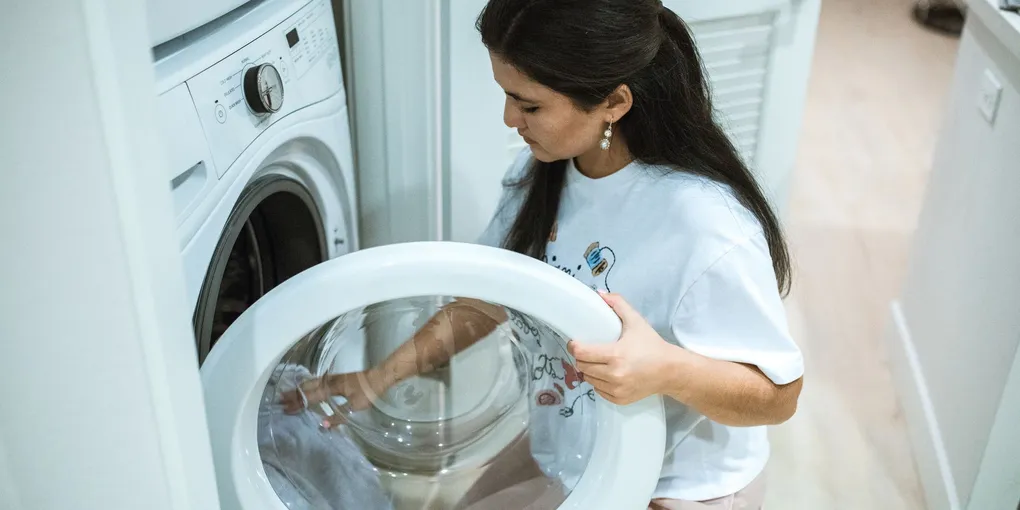
Clean a washing machine monthly by running an empty hot cycle with an Affresh or Tide washing machine cleaner tablet, or a cup of distilled white vinegar plus a half-cup of baking soda. For front-loaders, wipe the rubber door gasket weekly with a diluted bleach solution to prevent mold — the #1 cause of smelly loads. Clean the detergent dispenser drawer monthly (pull out and scrub with hot water). Leave the door ajar between loads so the drum dries fully. Most 'broken' washing machines are actually clean-machine issues that take 15 minutes to fix.
Frequently Asked Questions
Why does my washing machine smell bad?
Front-loader smell is almost always mold in the door gasket. Pull back the rubber seal and look — you'll see black/pink buildup in the fold. Clean weekly with a diluted bleach spray (1 tbsp bleach per 2 cups water) and leave the door open between loads. Top-loaders smell from buildup in the dispenser drawer, detergent overuse, and stagnant water in the pump area. Fix with a monthly cleaning cycle and cutting detergent to 1/2 the label rate.
What's the best washing machine cleaner?
Affresh Washing Machine Cleaner tablets ($10-$15 for 6) and Tide Washing Machine Cleaner ($8-$12 for 5) both work well. They handle soap scum, limescale, and biofilm in one cycle. Budget DIY: 1 cup distilled white vinegar + 1/2 cup baking soda run through an empty hot cycle costs pennies and handles 80% of what tablets do. For heavy mold in front-loaders, 1 cup of bleach in the detergent dispenser on a hot cycle (once, not routine) resets the machine.
How often should I clean my washing machine?
Run a self-cleaning cycle monthly (many modern machines have a dedicated setting). Wipe the door gasket weekly on front-loaders. Clean the detergent dispenser monthly. Deep clean with Affresh or bleach every 2-3 months. If your machine has a self-cleaning cycle, use it — it runs a longer hotter cycle than a normal wash, which most tablet instructions don't match.
Can I use bleach in my washing machine?
Yes, bleach is safe in washing machines (it's designed for it). Add 1 cup to the bleach dispenser (never pour directly on clothes or into the detergent dispenser) and run a hot empty cycle once every 2-3 months. Bleach kills mold, bacteria, and mildew that vinegar can't touch. Never mix bleach with vinegar or ammonia in the same cycle — always flush with a plain water cycle between them.
Why is my washing machine leaving residue on clothes?
Four common causes: (1) using too much detergent — most households use 2-3x the label amount; cut back to 1/2 the label rate. (2) detergent dispenser clogged — pull out and clean monthly. (3) cold-water-only washes aren't dissolving detergent — run at least one hot load per week. (4) buildup on the drum — run a monthly cleaning cycle with Affresh. Try these fixes before assuming the machine is failing.
How do I clean a washing machine that hasn't been cleaned in years?
For a severely neglected machine: (1) Run a hot empty cycle with 2 cups of bleach in the dispenser to kill mold and bacteria. Run a second rinse cycle to flush residue. (2) Run another hot cycle with 2 cups of white vinegar to dissolve limescale and neutralize odor — never bleach and vinegar in the same cycle. (3) For front-loaders, scrub the door gasket folds with a bleach solution and an old toothbrush — this is where 90% of the mold lives. (4) Pull and soak the dispenser drawer in hot soapy water for 30 minutes, scrub, and reinstall. (5) Clean the drain pump filter (front-loaders only). After this reset, maintain with monthly Affresh cycles and the weekly gasket wipe.
Is it better to use washing machine cleaner tablets or vinegar and baking soda?
Commercial tablets (Affresh, Tide) are more convenient and slightly more effective — they contain surfactants that break down soap scum and biofilm more aggressively than vinegar alone. Vinegar + baking soda is a good budget alternative that handles routine maintenance and light odors at a fraction of the cost. The practical answer: use tablets for deep cleaning every 2-3 months, vinegar for the monthly maintenance cycle in between. Never combine bleach with vinegar in the same cycle — the reaction produces chlorine gas.
Clean a washing machine monthly by running an empty hot cycle with an Affresh or Tide washing machine cleaner tablet, or a cup of distilled white vinegar plus a half-cup of baking soda. For front-loaders, wipe the rubber door gasket weekly with a diluted bleach solution to prevent mold — the #1 cause of smelly loads.
A washing machine that smells bad, leaves residue on clothes, or starts running weirdly isn’t usually broken — it’s dirty. Front-loaders especially get moldy from trapped moisture in the rubber gasket. Top-loaders get buildup in the detergent dispenser and from chronic detergent overuse. Both fix in 15-30 minutes for under $10 in supplies. This guide covers the monthly maintenance routine, the fixes for specific problems (smell, residue, loud noise), and the habits that prevent issues from coming back.
The Maintenance Schedule
Weekly:
- Wipe door gasket (front-loaders only)
- Leave door ajar between loads
Monthly:
- Run a cleaning cycle with Affresh tablet or vinegar + baking soda
- Clean detergent dispenser drawer
Every 2-3 months:
- Clean drain filter (front-loaders only)
- Deep clean with bleach if smell or mildew is present
Annually:
- Inspect hoses for bulges or cracks (replace every 5 years regardless)
- Check the water inlet valve screens
Tools and Products
- Affresh Washing Machine Cleaner tablets ($10-$15 for 6) — the most recommended
- Tide Washing Machine Cleaner ($8-$12) — alternative, works equally well
- Distilled white vinegar (gallon) — budget DIY
- Regular household bleach (for deep mold treatment)
- HE laundry detergent — critical if you have a high-efficiency machine
- Microfiber cloth pack — for gasket and drum wipe-downs
- Spray bottles — mix and label a bleach solution + a vinegar solution
The Front-Loader Gasket Problem
If you have a front-loader, the #1 cause of every “my washing machine smells” complaint is mold in the rubber door gasket.
The fold traps:
- Water from rinse cycles
- Detergent residue
- Lint and hair from clothes
- Warm humid air
Within 2-4 weeks of neglect, pink/black mold grows there. Even when you wipe it down, it comes back because the environment is perfect for it.
The weekly fix (2 minutes):
- Open the door
- Pull the rubber gasket back to expose the fold
- Spray with 1 tbsp bleach in 2 cups water (premix in a labeled spray bottle)
- Wait 30 seconds
- Wipe with a microfiber cloth — you’ll see pink/black residue come off
- Close the door
The deep cleanup (for existing serious mold):
- Use a 1:4 bleach to water solution (stronger than maintenance)
- Spray entire gasket, let sit 10 minutes
- Scrub folds with an old toothbrush
- Rinse thoroughly with a damp cloth
- Run an empty hot cycle with 1 cup of bleach in the bleach dispenser
The prevention habit:
Keep the door and dispenser ajar between loads. A few inches is enough. Wet drum + closed door + dark = mold in 2-3 days. Open door = no moisture trap = no mold.
The Monthly Cleaning Cycle
Most modern machines have a dedicated “Clean Washer” or “Self Clean” button. Use it — it runs hotter and longer than a normal cycle. If your machine doesn’t have one, select the hottest setting (Sanitize, Hot, or White Cottons).
Method 1: Tablet-based
- Empty the drum
- Drop 1 Affresh or Tide tablet into the drum (NOT the detergent dispenser)
- Run the hottest cycle (60-90 minutes typical)
- After cycle, wipe the drum interior with a dry cloth
Method 2: Vinegar + baking soda
- Empty the drum
- Pour 1 cup distilled white vinegar into the detergent dispenser
- Pour 1/2 cup baking soda directly into the drum
- Run the hottest cycle
- Post-cycle wipe
Method 3: Bleach (for deep mold/mildew)
- Empty the drum
- Add 1 cup regular household bleach to the BLEACH dispenser (not detergent, not drum)
- Run the hottest cycle empty
- Run a second plain water cycle to flush all bleach residue
Important: never combine bleach and vinegar or bleach and ammonia in the same cycle. Always flush with plain water between them.
Fixing a Smelly Washer
In order of likelihood:
- Door gasket mold (front-loaders, 80% of cases) — see gasket section
- Detergent dispenser buildup — pull drawer out, scrub with hot water and old toothbrush
- Too much detergent — cut to 1/2 label rate, run a cleaning cycle
- Drum biofilm from cold-only washes — run one hot load weekly to kill bacteria
- Drain filter debris (front-loaders) — clean quarterly
- Drain hose bend — check hose hasn’t sagged, which traps stagnant water
Fixing Residue on Clothes
White/gray streaks:
- Too much detergent (cut to half)
- Cold water not dissolving detergent (switch to warm)
- Clogged dispenser (clean drawer)
Stiff/crunchy clothes:
- Detergent residue — run an extra rinse cycle
- Hard water — add a water softener pod or consider whole-home softener
Fresh stains that wash in:
- Pre-treat stains before the cycle — detergent alone doesn’t lift protein/grease stains
- Use the right cycle temperature — cold often makes stains set
Front vs Top Loader Differences
Front-Loaders
- Gasket mold is the #1 maintenance issue
- Use HE detergent only (standard detergent overfoams)
- More efficient water/energy use
- Door gap habit is critical
- Drain filter accessible at bottom front
Top-Loaders
- No gasket (huge maintenance advantage)
- More tolerant of regular detergent (though HE still better)
- Less efficient water use
- Typically quieter than front-loaders
- No accessible drain filter — buildup in the pump area stays there
Maintenance Differences
Top-loaders only need:
- Monthly cleaning cycle
- Detergent dispenser cleaning
- Door left open between loads (same habit applies)
Front-loaders also need:
- Weekly gasket wipe
- Quarterly drain filter cleaning
- Bleach cycle every 2-3 months for mold prevention
Cutting Detergent: The Most Important Habit
Modern HE washing machines use 40-60% less water than older machines. Detergent packaging hasn’t updated for this. Most households use 2-3x the detergent actually needed.
Signs of over-detergent:
- Suds visible at end of rinse cycle
- Residue on clothes
- Stiff or crunchy-feeling fabrics
- Machine needing more frequent cleaning
The fix:
- Use 1/2 the label-recommended amount
- Heavily soiled loads: 3/4 the label amount
- Light loads: 1/3 the label amount
- Pods: use fewer, not more; 1 pod usually handles a medium load
Cutting detergent in half saves $30-$60/year AND improves machine cleanliness. Single best laundry habit change you can make.
What About Washer Smells From Water?
If you have a well or sulfur-heavy water supply, the “smelly washer” might be the water itself. Symptoms: water from the hot tap smells rotten-egg, clothes smell only after washing. The fix is upstream (water heater anode rod, water softener, or filter).
See our water heater troubleshooting guide for anode diagnosis, or water softener cost for softener pricing.
When to Call a Repair Tech
Try all cleaning steps first. Call a tech if:
- Water won’t drain from the drum (pump failure)
- Machine won’t fill with water (inlet valve)
- Error codes displayed
- Drum bearings sound grindy/metallic (expensive repair — often replacement)
- Excessive vibration at all speeds (out of balance — could be shock absorbers)
- Leaks from bottom (hose, pump seal, or tub damage)
Typical repair: $75-$200 trip + $150-$500 parts + labor. Average washer life is 10-14 years; past year 10, replacement often makes more sense.
The 10-Year Washing Machine Habit
A well-maintained washing machine lasts 10-14 years easily. The habits that get there:
- Weekly door wipe (front-loader) or monthly wipe inside door (top-loader)
- Monthly cleaning cycle
- Half the label detergent amount
- One hot water load per week (kills drum bacteria)
- Door ajar between loads
- Clean dispenser monthly
- Replace water supply hoses every 5 years (burst hose is the #1 cause of laundry floor flooding — $10 hoses vs $1,000+ water damage)
Budget $15-$25/year on cleaning supplies and replace hoses proactively. Best appliance-maintenance ROI in the house.
Related Reading
- How to Clean a Dishwasher — similar maintenance logic for the other kitchen workhorse
- How to Clean a Garbage Disposal — complete the appliance-cleaning trio
- How Long Do Home Appliances Last — expected lifespan and replacement timing
- How to Install a Water Softener — hard water shortens washing machine life
- Water Softener Cost — budget for softening if hardness is over 10 grains per gallon
- Annual Home Maintenance Schedule — where laundry tasks fit in the year
- How to Clean a Dryer Vent — the other half of the laundry room
- Run a monthly cleaning cycle
Empty the washing machine. Most modern machines have a 'Clean Washer' or 'Self Clean' button — use it. If not, select the hottest cycle (Sanitize or Hot). Add 1 Affresh or Tide Washing Machine Cleaner tablet to the drum (not the dispenser). Alternatively, pour 1 cup distilled white vinegar into the dispenser and 1/2 cup baking soda directly in the drum. Run the full cycle (usually 60-90 minutes). Wipe down the interior with a dry cloth when done.
- Clean the door gasket (front-loaders, weekly)
Pull back the rubber gasket around the door to expose the fold. Spray with a mix of 1 tablespoon bleach in 2 cups water. Wipe with a microfiber cloth — you'll see black and pink residue come off. Pay extra attention to the bottom of the gasket where water pools. If mold is deeply set, leave the bleach solution for 5 minutes before wiping. Rinse the area with a damp cloth after to remove bleach residue.
- Clean the detergent dispenser
Pull the dispenser drawer out (most have a release button or tab). Rinse under hot running water to clear residue. Scrub with an old toothbrush and dish soap — focus on the siphon tubes that move liquid into the drum. Check the cavity where the drawer sits for mold and wipe clean. Reinstall and run a short cycle with no detergent to flush any remaining residue.
- Clean the drain filter (front-loaders, every 2-3 months)
Most front-loaders have a small access door at the bottom front. Open it and place a shallow pan underneath. Twist the filter counter-clockwise to remove — water will pour out. Clean out debris (hair, coins, buttons). Wipe the housing. Reinstall and twist back clockwise until snug. Skip this if you have a top-loader — they don't have an accessible filter.
- Fix a smelly front-loader
Deep-clean in two steps. First, run a hot cycle with 1 cup of bleach in the bleach dispenser and nothing in the drum. Second, after that cycle completes, run a hot cycle with 1 cup distilled vinegar in the detergent dispenser. The bleach kills mold; the vinegar dissolves limescale and neutralizes remaining odor. Never mix bleach and vinegar in the same cycle. After both cycles, wipe gasket thoroughly and keep door ajar between loads.
- Reduce detergent to 1/2 label rate
The single biggest cause of washing machine issues is detergent overuse. Modern HE machines use very little water and can't rinse out excess soap. Cut detergent to half what the label says — you'll get cleaner clothes AND a cleaner machine. Signs you're using too much: suds still visible at the end of the rinse cycle, clothes feel stiff or crunchy, residue on dark clothes.
- Keep the door open between loads
After unloading, leave the door and detergent dispenser ajar (not wide open — a few inches is enough) to let the drum dry fully. Wet drum + closed door + dark warm environment = mold in 2-3 days. This single habit prevents 80% of front-loader smell issues. Put a small towel in the door gap if pets or kids are an issue.
Free: 10-Point Home Maintenance Checklist
Prevent costly repairs with this seasonal checklist. Save hundreds every year by catching problems early.
Your checklist is ready!
Open Checklist →Something went wrong. View the checklist here.