Water Softener Cost 2026: $1,500–$2,500 Standard System
Water softener costs $800–$2,500 for a whole-house salt-based system. Salt-free conditioners run $500–$2,000. Installation adds $200–$500. Annual salt cost $100–$300. Full cost-of-ownership breakdown.
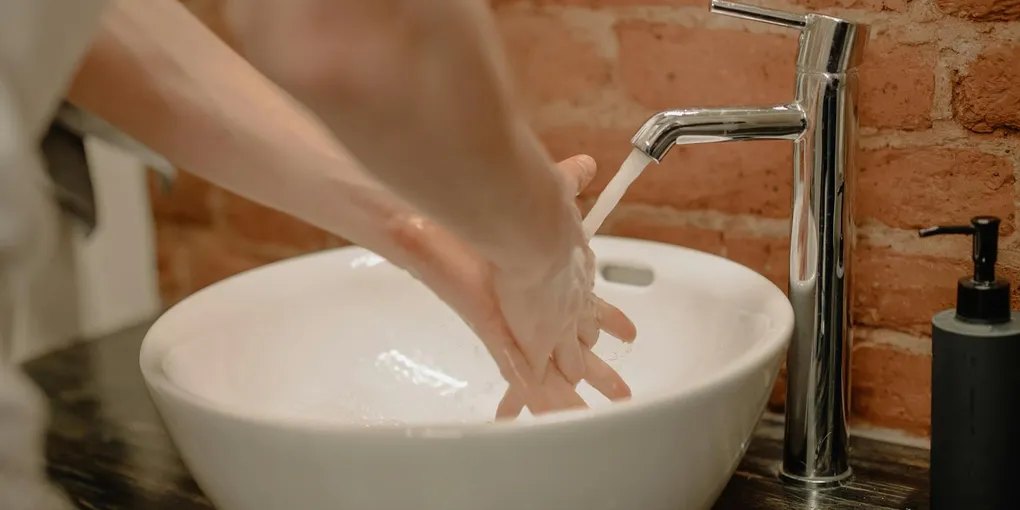
Whole-house water softener installation costs $1,500-$2,500 for a standard salt-based system in 2026. High-capacity or smart systems run $2,500-$6,000. Salt-free conditioners are $700-$1,500 installed but don't technically soften water. DIY install saves $400-$800 if you already have a 120V outlet and a nearby drain; the unit alone is $500-$1,500. Annual salt runs $60-$120. Most homes with 10+ grains per gallon hard water recoup the cost in 3-5 years via extended water heater life and reduced appliance replacement.
Frequently Asked Questions
How much does a water softener cost with installation?
A whole-house salt-based water softener installed by a plumber runs $1,500-$2,500 in 2026 for a standard 30,000-40,000 grain-capacity unit. Premium twin-tank or smart units hit $2,500-$6,000. Installation alone is $400-$800. Salt-free conditioners cost $700-$1,500 installed but use a different (and less effective) scale-prevention method.
Are water softeners worth the cost?
Yes, if your water hardness is 10+ grains per gallon (gpg). Hard water shortens water heater life by 50%, clogs fixtures, and roughly doubles soap/detergent use. A softener typically pays back in 3-5 years through appliance life extension, lower energy bills (a scale-free water heater runs 15-20% more efficiently), and reduced cleaning product spend. Below 7 gpg, the payback is longer and may not be worth it.
How often do you add salt to a water softener?
Most families of four add a 40-pound bag of salt every 4-6 weeks, running $60-$120 per year total. Usage depends on water hardness and household size. Check the brine tank monthly; keep salt at least half full. Running out of salt doesn't damage the unit but lets hard water through until you refill.
Can I install a water softener myself?
Yes, if you have basic plumbing skills. A DIY install typically takes 4-6 hours and saves $400-$800. You'll need a 120V outlet within 6 feet, a floor drain within 20 feet, and the ability to cut and solder copper or crimp PEX. You'll also need to install a bypass loop (required by most jurisdictions) and, in some states, pull a plumbing permit.
How long does a water softener last?
A quality salt-based water softener lasts 10-15 years with regular salt refills and occasional resin bed cleaning. Well-maintained high-end units reach 20 years. Replacement is usually triggered by a failed control valve ($300-$600 repair, vs $1,500+ for a new unit) or cracked resin beads (less repairable; full replacement).
What's the difference between salt-based and salt-free systems?
Salt-based systems use ion exchange to physically remove calcium and magnesium, producing softened water. Salt-free systems (template-assisted crystallization) condition the water so minerals don't adhere to pipes and fixtures, but hardness test strips still show hard water. Salt-free is cheaper to run (no salt, no brine discharge) but less effective — you won't get the silky shower feel or full appliance-life extension.
Do I need a plumbing permit for a water softener?
Depends on your state and municipality. About half of U.S. jurisdictions require a permit for water softener installation because it taps into the main water supply. Permits run $50-$200 and an inspector visits. Check your local building department before install — an unpermitted water system can complicate home sale disclosures and, in a handful of states, void homeowner insurance claims related to water damage.
What water hardness level requires a softener?
Most water quality experts recommend a water softener when hardness exceeds 7 grains per gallon (GPG). At 7–10 GPG you'll notice scaling on fixtures and reduced appliance efficiency. At 10+ GPG, hard water visibly affects laundry, soap lather, and water heater performance — softening is strongly recommended. Below 3 GPG is considered soft; no softener needed. Test your water with a $10–$15 test strip kit or request a free test from local water treatment companies.
Whole-house water softener installation costs $1,500-$2,500 for a standard salt-based system in 2026. High-capacity or smart systems run $2,500-$6,000.
If your soap never quite lathers, your dishwasher leaves spots no matter what you do, or your water heater’s already on its second replacement in a decade, the problem is almost certainly hardness. A water softener solves it — and in 2026, the price spread between cheap-and-regretful and right-and-lasting is wider than most homeowners realize.
Here’s the actual cost breakdown, plus the decision tree for whether a softener pays back in your home.
2026 water softener costs at a glance
| System type | Unit only | Installed |
|---|---|---|
| Basic salt-based (30K grain) | $500-$900 | $1,500-$2,200 |
| Mid-range salt-based (40-48K grain) | $900-$1,500 | $1,800-$2,800 |
| Smart / Wi-Fi salt-based | $1,200-$2,500 | $2,500-$4,000 |
| Twin-tank (no downtime) | $1,800-$3,500 | $3,500-$6,000 |
| Salt-free conditioner | $500-$1,200 | $700-$1,500 |
| Magnetic/electronic descaler | $80-$400 | DIY only |
The jump from $1,500 to $6,000 is real — capacity, efficiency, and control electronics all scale with price.
What drives the price
Grain capacity. Measured in grains-of-hardness-removed-per-regeneration. A family of four with 15 gpg water needs roughly 30,000-40,000 grains of capacity. Bigger households or harder water push you to 48K or twin-tank.
Efficiency (salt and water use). Cheap units use more salt and waste more water during regeneration. A high-efficiency unit regenerates only when needed (demand-initiated, not timer-based) and uses 30-40% less salt annually. Over 10 years that’s $500+ in salt savings, which closes most of the upfront gap.
Installation location and difficulty. The best install location is where the main water line enters the house, typically the basement or garage. If you need new copper or PEX runs, a 120V outlet install, or a drain extension, installation labor climbs from $400 to $800+.
Smart features. Wi-Fi monitoring, salt-level sensors, and phone alerts are genuinely useful — you’ll know when to refill salt before your soap stops lathering. Add $300-$700 to the unit cost.
Salt-based vs salt-free: honest comparison
| Factor | Salt-based | Salt-free |
|---|---|---|
| Removes hardness minerals | Yes | No (conditions only) |
| Silky shower/skin feel | Yes | No |
| Protects water heater | Strong | Moderate |
| Monthly salt cost | $5-$10 | $0 |
| Wastes regen water | Yes (~25 gal/regen) | No |
| Sodium added to water | Small amount | None |
| Typical lifespan | 10-15 years | 5-10 years |
Our read: If you cook with softened water or have anyone on sodium-restricted diet, install a separate drinking water tap that bypasses the softener (most plumbers include this for $100-$150). Salt-free is a reasonable choice if your hardness is marginal (7-10 gpg) and you mainly want scale prevention on appliances.
DIY vs pro install: the real math
DIY savings: $400-$800 in labor. DIY time: 4-6 hours if you’ve soldered copper before. Double that if it’s your first time. DIY risks: permit issues (many cities require one), missing the bypass loop (required code in most jurisdictions), slow leaks you won’t catch for months.
If you’re comfortable cutting into your main water line, installing a water softener is a solidly intermediate DIY project. If the words “sweating copper” make you nervous, call a plumber — a leak behind the softener is a flooded basement.
Annual operating cost
For a typical family of four:
- Salt: $60-$120
- Extra electricity: $5-$15 (continuous-duty rated motors are efficient)
- Regeneration water: $10-$30 depending on hardness
Total: $75-$165/year. Still cheaper than one replacement water heater from scale damage ($1,500-$2,500).
When a water softener doesn’t pay back
- Hardness under 7 gpg: the payback period stretches past 10 years. Not worth it.
- You’re selling the house in under 3 years: you won’t be there long enough to recoup. Note the cost in your asking price but don’t expect a full dollar return.
- You have a well with iron or manganese: you need a different system (iron filter plus softener), and the combined install is $3,500-$7,000.
- Very soft municipal water: some cities deliver water under 3 gpg. Call your utility for a hardness number before you assume you need softening.
How to choose a unit
- Get your water tested. Most hardware stores sell $15 test strips. Your utility may publish an annual water quality report with hardness. If you’re on a well, pay $100 for a lab test.
- Calculate required grain capacity:
(people in household) × (80 gallons/day) × (grains per gallon). Round up to the next standard capacity (32K, 40K, 48K, 64K). - Prefer demand-initiated over timer-based regeneration. Every major brand makes both — pay the extra $100-$200 for demand-initiated. You’ll save it back in salt within 2 years.
- Check warranty. Good units come with 5-10 year warranties on the control valve and resin tank. Skip units with only 1-year warranties; they’re usually low-quality private-label.
Brands that show up in quality reviews
Rheem, A.O. Smith, Culligan, Pentair, GE — all make solid salt-based units. For DIY-friendly options, GE and Whirlpool dominate the box-store market. The Fleck 5600SXT is the enthusiast DIY pick — reliable, widely-documented, and serviceable. For commercial-grade quality, Kinetico (non-electric, twin-tank) is the premium-price enthusiast’s pick.
Softener salt and supplies:
- Morton solar salt crystals (budget, works in any unit)
- Morton Clean & Protect pellets (premium, less bridging)
- Potassium chloride (sodium-free alternative)
- Hardness test strips for baseline and ongoing verification
Red flags in water softener quotes
- “Special” quotes that expire today. Culligan and some local dealers use high-pressure in-home sales. Walk away — come back when it’s a normal quote with a normal price.
- Refusal to itemize unit vs install. Any plumber worth hiring will break out labor, unit, and materials separately.
- Proprietary salt or “special” resin. Standard softener salt (solar or pellet) works in any unit. Be suspicious of required proprietary consumables.
- Quotes over $5,000 for a 4-person home on city water. You’re being upsold on commercial-grade capacity or twin-tank hardware you don’t need.
Regional Installation Cost Variations
Water softener pricing tracks local plumber rates and water treatment market density. These ranges reflect full installation (unit + labor) for a standard residential system:
| Region | Basic Salt-Based (30K grain) | Mid-Range Salt-Based (40–48K) | Salt-Free Conditioner |
|---|---|---|---|
| Northeast (NY, MA, NJ) | $1,800–$2,800 | $2,200–$3,500 | $900–$1,800 |
| Mid-Atlantic (DC, MD, VA) | $1,600–$2,600 | $2,000–$3,200 | $800–$1,600 |
| Southeast (FL, GA, TX) | $1,300–$2,200 | $1,700–$2,800 | $700–$1,400 |
| Midwest | $1,400–$2,400 | $1,800–$3,000 | $700–$1,500 |
| Pacific (CA, WA, OR) | $1,700–$2,700 | $2,100–$3,400 | $850–$1,700 |
Markets with high water treatment company density (dealer competition) often run below these ranges. Rural areas with fewer plumbers available for specialty installs run at the high end.
Water Softener Brand Comparison
| Brand / Model | Type | Price Range (Unit Only) | Notes |
|---|---|---|---|
| Fleck 5600SXT | Salt-based | $500–$900 | Enthusiast DIY benchmark — widely documented, fully serviceable, demand-initiated regeneration standard |
| GE / Whirlpool | Salt-based | $400–$800 | Box-store standard; demand-initiated models available; good for straightforward DIY installs |
| Rheem | Salt-based | $500–$1,000 | Reliable mid-range; available through plumbers and online; good warranty support |
| Pentair | Salt-based | $700–$1,500 | Professional-grade; frequently specified by plumbers; strong control valve longevity |
| A.O. Smith | Salt-based | $600–$1,200 | Well-supported brand; demand-initiated regeneration standard across lineup |
| Kinetico | Salt-based (twin-tank) | $1,500–$3,500 | Non-electric, twin-tank design means zero downtime during regeneration; premium price, dealer-installed only |
| Culligan | Salt-based / salt-free | $800–$3,000+ | Dealer-installed with service contracts; lease options available; prices vary significantly by dealer |
Fleck 5600SXT remains the DIY benchmark — the control valve is rebuildable, parts are available everywhere, and the install community is large. For professional installs, Pentair and Rheem are the most commonly specified brands because service coverage is national.
Kinetico is the premium non-electric twin-tank option — no timer, no electricity, regenerates on demand using only water flow. The highest long-term reliability but requires dealer installation and service contracts.
Questions to Ask Your Water Softener Installer
- What grain capacity are you recommending, and how did you calculate it? — a reputable installer sizes to your household count, GPG hardness, and daily water use; oversizing increases upfront cost without benefit, undersizing causes frequent regeneration
- Is this unit demand-initiated or timer-based regeneration? — demand-initiated saves 30–40% on salt annually; timer-based is a telltale sign of a lower-quality or older unit
- What’s the warranty on the control valve and resin tank? — control valves should carry at least 5 years; resin tanks 10 years; skip units with 1-year warranties
- Does the installation include a proper bypass loop and union fittings? — required by code in most jurisdictions; enables future service without shutting off the whole house
- Will you pull the permit if my municipality requires one? — about half of U.S. jurisdictions require a permit for water softener installation; a reputable installer handles the permit application and arranges the inspection
Related guides
- Signs Your Water Heater Is Failing — hard water is the #1 killer
- Water Heater Replacement Cost — what the appliance you’re protecting actually costs
- Water Softener Installation Cost — what a professional plumber charges to install; $300–$800 labor
- How to Install a Water Softener — our full step-by-step DIY walkthrough
- How to Fix Low Water Pressure — scale buildup is a top cause
- Home Maintenance Schedule — fits alongside filter changes and plumbing checks
- Test your water hardness
Buy a water hardness test kit ($10–$15 at hardware stores) and test your water, or request the annual water quality report from your utility (most list hardness in grains per gallon). Under 7 GPG: softener may not be necessary. 7–10 GPG: consider a softener. Over 10 GPG: strongly recommended.
- Calculate required grain capacity
Multiply household members × 80 gallons per day × water hardness in GPG = daily grains needed. A system should regenerate no more than every 3 days, so multiply daily grains × 3 for minimum capacity. Most 4-person households with moderately hard water need a 32,000–48,000 grain system.
- Choose salt-based or salt-free and select a unit
Salt-based (ion exchange) truly removes hardness minerals and delivers the silky water feel — best for 10+ GPG water. Salt-free conditioners change mineral structure to reduce scale without removing hardness — lower maintenance, no sodium added, but less effective. For units, prefer demand-initiated regeneration over timer-based, and verify the warranty covers at least 5 years on the control valve.
- Get quotes and arrange installation
Contact 2–3 plumbers for quotes. Any reputable plumber will itemize unit cost, labor, and materials separately. Professional installation takes 2–4 hours. For DIY: you need to cut into the main supply line, install bypass valves and unions, and run a drain line to a floor drain. Check your municipality for permit requirements before starting — about half of US jurisdictions require a permit for water softener installation.
Free: 10-Point Home Maintenance Checklist
Prevent costly repairs with this seasonal checklist. Save hundreds every year by catching problems early.
Your checklist is ready!
Open Checklist →Something went wrong. View the checklist here.