Hardwood Floor Installation Cost 2026: $4–$12/sq ft Installed
Hardwood floor installation costs $4–$8/sq ft for engineered and $6–$12/sq ft for solid hardwood, fully installed. A 500 sq ft room runs $2,000–$6,000. Pricing by species and install method.
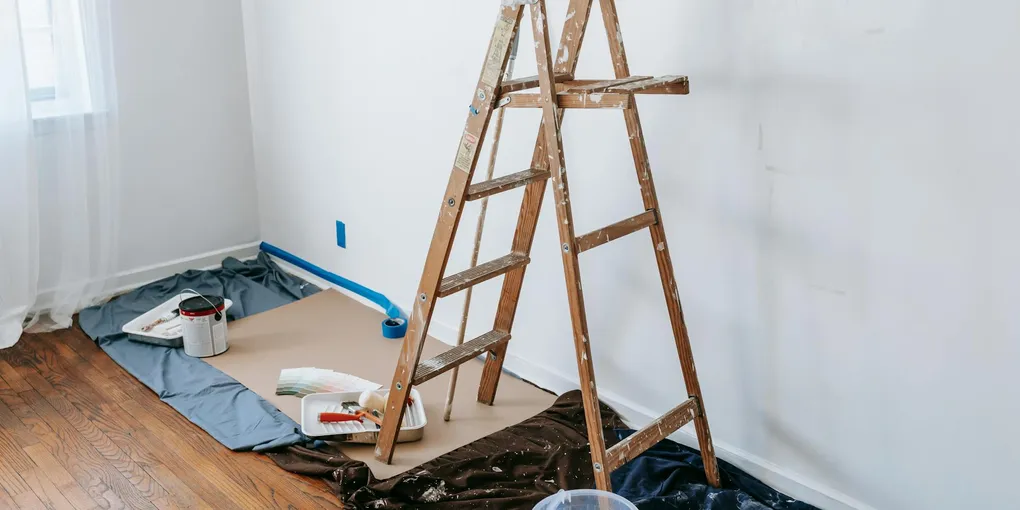
Hardwood floor installation costs $6–$12 per square foot installed for solid hardwood, or $4–$10 for engineered hardwood. For a 500 sq ft living room and dining room, expect $3,000–$6,000 for solid hardwood fully installed. Materials account for $3–$8/sq ft; labor adds $2–$5/sq ft. Subfloor preparation, old floor removal, and staining add to the total. DIY installation of engineered click-lock saves $2–$4/sq ft in labor.
Frequently Asked Questions
How much does hardwood floor installation cost per square foot?
Solid hardwood installation costs $6–$12/sq ft installed (materials + labor). Engineered hardwood costs $4–$10/sq ft installed. The wood species and grade are the largest material variables: oak runs $3–$6/sq ft; exotic species like Brazilian cherry run $5–$10/sq ft. Labor is $2–$5/sq ft depending on installation method (nail-down vs. glue-down vs. floating) and subfloor condition.
What is the difference between solid and engineered hardwood, and which costs less?
Solid hardwood is milled from a single piece of wood (3/4-inch thick) and can be refinished 3–5 times over its life. Engineered hardwood has a real wood veneer over plywood layers — more stable, works below grade, and costs 10–30% less. For most installations, engineered hardwood at $4–$10/sq ft offers better value than solid at $6–$12/sq ft unless you specifically want maximum refinishing longevity.
How much does it cost to install hardwood floors in a whole house?
A whole-house hardwood installation (1,200 sq ft of hardwood areas — excluding bathrooms and kitchen in most cases) costs $8,000–$18,000 for solid hardwood professionally installed, or $5,500–$13,000 for engineered hardwood. Whole-house bids often come in 10–15% lower per square foot than room-by-room pricing.
Do I need to remove my old flooring before installing hardwood?
It depends. Hardwood can be installed over flat, structurally sound subfloor or over existing hardwood (with limitations on height). Removing carpet adds $0.50–$1.50/sq ft. Removing tile adds $1.50–$3/sq ft (labor-intensive). Removing old hardwood for direct replacement adds $1–$2/sq ft. Leveling an uneven subfloor adds $1–$3/sq ft depending on the extent of work.
Can I install hardwood floors myself to save money?
DIY installation is practical for engineered hardwood with click-lock installation — no special tools required. Nail-down solid hardwood requires a pneumatic flooring nailer ($50–$75/day rental) and more skill. The main DIY pitfall is poor subfloor prep and not acclimating the wood (3–7 days in the room before installation). Skipping acclimation causes expansion gaps or buckling after installation.
How long does hardwood floor installation take?
A professional crew installs 200–400 sq ft per day. A 500 sq ft room typically takes 1–2 days including prep, installation, and cleanup. Wood staining and finishing (if not pre-finished) adds 3–5 additional days of drying time between coats. Pre-finished hardwood eliminates this wait entirely.
Hardwood floor installation costs $6–$12 per square foot installed for solid hardwood, or $4–$10 for engineered hardwood. For a 500 sq ft living room and dining room, expect $3,000–$6,000 for solid hardwood fully installed.
Hardwood flooring is the most requested upgrade in resale real estate — it adds consistent perceived value and appeals to virtually every buyer. Understanding the cost breakdown prevents the most common mistake: underestimating the total including subfloor prep, old floor removal, and finishing.
Hardwood Floor Installation Cost by Type
| Type | Material Cost/sq ft | Labor | Installed Total |
|---|---|---|---|
| Solid oak (3/4-inch) | $3–$6/sq ft | $2–$4/sq ft | $5–$10/sq ft |
| Solid cherry or walnut | $5–$9/sq ft | $2–$4/sq ft | $7–$13/sq ft |
| Exotic species (Brazilian cherry, teak) | $6–$12/sq ft | $3–$5/sq ft | $9–$17/sq ft |
| Engineered oak | $2.50–$5/sq ft | $2–$3.50/sq ft | $4.50–$8.50/sq ft |
| Engineered hickory or maple | $3–$6/sq ft | $2–$3.50/sq ft | $5–$9.50/sq ft |
| Engineered wide-plank (5-inch+) | $4–$8/sq ft | $2.50–$4/sq ft | $6.50–$12/sq ft |
Cost by Room Size
| Room | Square Footage | Solid Hardwood | Engineered Hardwood |
|---|---|---|---|
| Bedroom | 150 sq ft | $900–$1,800 | $700–$1,500 |
| Living room | 250 sq ft | $1,500–$3,000 | $1,100–$2,400 |
| Living + dining | 500 sq ft | $3,000–$6,000 | $2,200–$5,000 |
| Whole house (hardwood areas, ~1,000 sq ft) | 1,000 sq ft | $6,000–$12,000 | $4,500–$9,500 |
What Drives the Cost Up
Subfloor Preparation
The most variable hidden cost in any flooring project. If the existing subfloor is flat and dry, preparation is minimal. If not:
- Grinding or sanding high spots: $0.50–$1/sq ft
- Self-leveling compound for low spots: $0.75–$2/sq ft
- Squeaky subfloor repair: $100–$300 per area
- Subfloor replacement (damaged boards): $3–$6/sq ft
Old Floor Removal
| Existing Floor | Removal Cost |
|---|---|
| Carpet + pad | $0.50–$1.50/sq ft |
| Vinyl/linoleum | $0.50–$1.50/sq ft |
| Ceramic/porcelain tile | $1.50–$3.00/sq ft |
| Old hardwood | $1.00–$2.00/sq ft |
Staining and Finishing (Site-Finished Only)
Pre-finished hardwood comes ready to install — no additional finishing required. Site-finished hardwood is installed raw and sanded, stained, and finished in place:
- Sanding: $1–$2/sq ft
- Stain application: $0.50–$1/sq ft
- 3 coats polyurethane: $1.50–$3/sq ft
- Total site finish: $3–$6/sq ft added to install cost
Pre-finished hardwood eliminates on-site finishing, dramatically reduces installation time (the floor is ready to walk on immediately), and is the standard for most residential projects today.
Hardwood Species Comparison
| Species | Color | Hardness (Janka) | Material Cost |
|---|---|---|---|
| Oak (red or white) | Warm tan-brown | 1,290 | $3–$6/sq ft |
| Maple | Light cream-tan | 1,450 | $4–$7/sq ft |
| Hickory | High contrast tan-brown | 1,820 | $4–$7/sq ft |
| Walnut | Rich dark chocolate | 1,010 | $6–$10/sq ft |
| Cherry | Red-brown deepens with age | 950 | $5–$9/sq ft |
| Brazilian cherry (Jatoba) | Deep red-brown | 2,350 | $5–$10/sq ft |
Oak is the industry standard for durability, price, and compatibility with most stains. Walnut is the current design trend for dark, modern interiors — expect a 40–60% premium over oak for similar square footage.
Top Hardwood Flooring Brands
Bruce Hardwood Flooring — the most widely available solid hardwood at Home Depot; reliable quality, good species and color selection. Entry-mid range.
Shaw Floors Engineered — excellent engineered hardwood at mid-range price points; consistent quality and wide format options.
Pergo WetProtect — engineered hardwood with genuine waterproof core; useful for kitchens and entryways where moisture is a concern.
Lauzon Hardwood — premium Canadian manufacturer; exceptional finish quality, popular in upper-market renovations.
The Bruce Hardwood Natural Reflections is a top-value solid hardwood available online and at home centers. For engineered hardwood, LifeProof Vinyl Plank (though technically luxury vinyl, not wood) beats engineered hardwood on cost and water resistance for budget-conscious buyers.
DIY Installation: Save $2–$4/sq ft in Labor
Engineered hardwood with click-lock installation is practical for intermediate DIYers:
| DIY Cost Item | Amount |
|---|---|
| Engineered hardwood (500 sq ft + 10% waste) | $1,400–$2,800 |
| Underlayment | $50–$100 |
| Pull bar and tapping block | $20–$30 |
| Spacers | $10–$15 |
| Miter saw rental (if needed) | $50–$75/day |
| DIY total (500 sq ft) | $1,530–$3,020 |
vs. Professional installed total: $2,250–$5,000 for the same area.
DIY nail-down solid hardwood requires a pneumatic flooring nailer ($50–$75/day rental) and more skill. The nailer itself makes the job possible alone, but cutting around doorframes and maintaining straight rows takes practice.
Regional Hardwood Floor Installation Cost Variations
Flooring labor rates and wood material availability vary by region:
| Region | Solid Oak (installed, 500 sq ft) | Engineered Hardwood (installed, 500 sq ft) | Site-Finish Premium |
|---|---|---|---|
| Northeast (NY, MA, NJ) | $3,500–$7,000 | $2,500–$5,500 | +$1,500–$3,000 |
| Mid-Atlantic (DC, MD, VA) | $3,200–$6,500 | $2,300–$5,000 | +$1,300–$2,700 |
| Southeast (FL, GA, TX) | $2,500–$5,500 | $1,800–$4,200 | +$1,000–$2,200 |
| Midwest | $2,600–$5,800 | $1,900–$4,500 | +$1,100–$2,400 |
| Pacific (CA, WA, OR) | $3,400–$7,000 | $2,400–$5,500 | +$1,400–$3,000 |
Hardwood Flooring Brand Comparison
| Brand | Type | Price/sq ft (material) | Best For | Notes |
|---|---|---|---|---|
| Bruce Hardwood | Solid and engineered | $2.50–$5/sq ft | Budget-mid range; wide Home Depot availability | Most widely installed US brand; reliable but not premium |
| Shaw Floors | Engineered | $3–$6/sq ft | Mid-range engineered; consistent quality | Strong warranty support; good wide-plank options |
| Lauzon Hardwood | Solid and engineered | $5–$10/sq ft | Premium Canadian brand; exceptional finish | Best finish quality in the category; popular in luxury renovations |
| Pergo WetProtect | Engineered | $3.50–$6/sq ft | Kitchen and entry installations with moisture | Waterproof core; real wood veneer; practical for wet-zone adjacent areas |
| Mirage Hardwood | Solid and engineered | $6–$12/sq ft | Premium solid hardwood | Precision-milled; tightest tolerances; less floor prep needed |
| LifeProof (Home Depot) | Luxury vinyl (comparison) | $2–$4/sq ft | Budget alternative to engineered | Not wood, but waterproof and durable; hard to distinguish visually |
Lauzon and Mirage are the premium tiers used by flooring contractors in high-end renovations. Bruce and Shaw are the reliable mid-market workhorses available through distributors and home centers.
Questions to Ask Your Flooring Installer
- Will you check and prepare the subfloor before installation, and is that included in the quote? — subfloor prep (grinding high spots, filling low spots) is the most skipped cost that causes floor failure; confirm it’s included and what they’ll do if the subfloor needs significant work
- Will the wood be acclimated on-site before installation, and for how long? — hardwood must acclimate 3–7 days in the room; installers who skip acclimation are the primary cause of post-installation buckling and gapping
- Is this pre-finished or will the finish be applied on-site? — on-site finishing adds 3–5 days of drying time and adds $1.50–$3/sq ft; pre-finished eliminates this entirely; confirm which the quote assumes
- What installation method will you use — nail-down, glue-down, or floating? — nail-down is standard for solid hardwood over plywood; glue-down for concrete subfloors; floating for engineered click-lock; confirm the method is appropriate for your subfloor
- What is your warranty on installation workmanship, separate from the manufacturer’s product warranty? — manufacturer warranties cover the product; installer should separately warrant their labor for 1–2 years against gapping, squeaking, and lifted boards
Related Reading
- How to Install Hardwood Flooring
- Hardwood Floor Refinishing Cost
- How to Refinish Hardwood Floors
- Carpet Installation Cost
- How to Install Vinyl Plank Flooring
- Tile Flooring Installation Cost
- How to Fix a Floor Tile That Is Loose — repair a loose tile before your flooring project begins
- Choose solid vs. engineered hardwood based on your subfloor and location
Solid hardwood cannot go below grade (basement) and should not go in bathrooms or over radiant heat. Engineered hardwood handles all these applications. Above grade on a wood subfloor, both work. Choose solid if you plan to refinish the floors multiple times over a 50+ year ownership; choose engineered for the first 15–20 years in any scenario.
- Measure the room and order 10% extra
Measure length × width and add 10% for cuts and waste (15% for diagonal or herringbone patterns). Hardwood is sold by the square foot. Calculate your total including all rooms you're doing in one project — consistent dye-lot flooring across an open plan requires ordering all material at once.
- Acclimate the wood before installation
Hardwood must sit in the installation room for 3–7 days before installation, in sealed boxes, to adjust to the room's humidity and temperature. Skipping this step causes the flooring to expand after installation (buckling) or contract (gaps). Maintain the room at normal living temperature and humidity during acclimation.
- Prepare the subfloor — this step determines the final result
The subfloor must be clean, flat (within 3/16 inch over 10 feet), dry (under 12% moisture content), and structurally sound. Sand high spots; fill low spots with floor leveler. Nail down any squeaky subfloor sections. Check moisture with a moisture meter — hardwood installed over a wet subfloor will cup and buckle within months.
- Install with proper expansion gaps
Leave a 3/4-inch expansion gap around all walls and fixed objects (cabinets, columns). This gap is hidden under baseboards and allows the wood to expand seasonally. Omitting expansion gaps causes the floor to buckle in humid summers. Use spacers during installation to maintain consistent gap width.
Free: 10-Point Home Maintenance Checklist
Prevent costly repairs with this seasonal checklist. Save hundreds every year by catching problems early.
Your checklist is ready!
Open Checklist →Something went wrong. View the checklist here.