Central AC Installation Cost 2026: $3,800–$7,500 Installed
Central AC installation costs $3,800–$7,500 for a 2,000 sq ft home. A 2.5-ton split system runs $4,000–$6,500 installed. Pricing by tonnage, SEER rating, and ductwork needs.
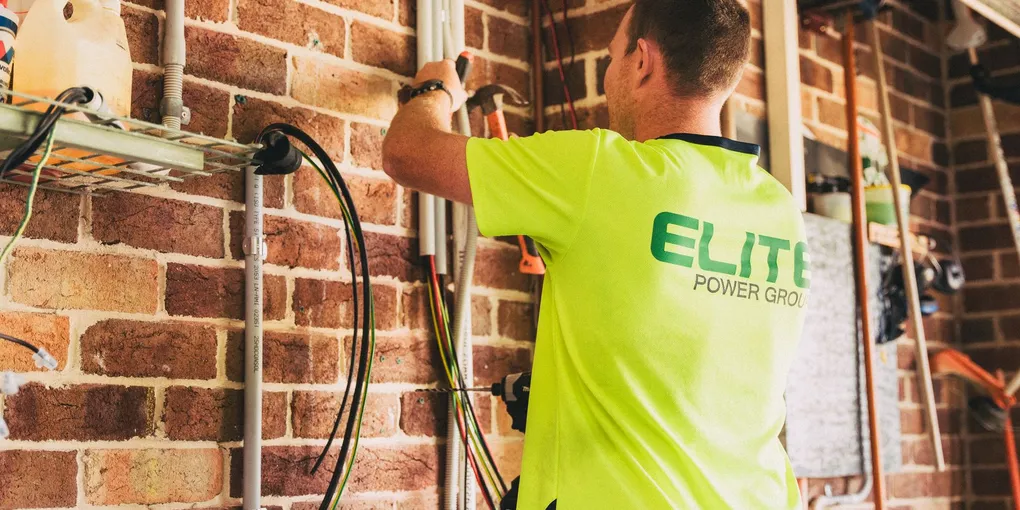
Central AC installation costs $3,800–$7,500 for a typical 2,000 sq ft home, including the unit and labor. A 2.5-ton split system with installation runs $4,000–$6,500 installed by an HVAC contractor. Mini-split ductless systems cost $2,000–$5,500 installed per zone. Adding AC to a forced-air furnace (add-on coil and condenser only, existing ducts used) runs $2,500–$5,000.
Frequently Asked Questions
How much does it cost to install central air conditioning in a 2,000 sq ft house?
A central AC system for a 2,000 sq ft home typically costs $4,500–$7,500 installed, including a 3-ton condenser, air handler or coil, refrigerant lines, and all labor. Homes without existing ductwork add $3,000–$8,000 for duct installation, bringing the total to $7,500–$15,000.
Is it cheaper to add AC to existing forced-air heating or install new ductwork?
Adding AC to existing forced-air heating (your furnace already has ducts) is far cheaper — $2,500–$5,000 for the condenser and evaporator coil. Installing new ductwork costs $3,000–$8,000 for a typical home, so homes without any duct system often do better with a ductless mini-split system ($3,000–$10,000 for whole-home coverage) than paying for both ductwork and central AC.
What size central AC do I need?
AC capacity is measured in tons (1 ton = 12,000 BTU). Rules of thumb: 1 ton per 400–600 sq ft in most US climates. A 1,500 sq ft home typically needs 2.5 tons; a 2,500 sq ft home typically needs 4 tons. Your HVAC contractor performs a Manual J load calculation to size correctly — oversized units short-cycle and create humidity problems, undersized units run constantly.
How long does central AC installation take?
A new central AC installation (condenser + coil, existing ducts) takes 4–8 hours for one or two technicians. A complete new system with ductwork takes 2–5 days. Ductless mini-split installation per zone takes 4–8 hours. Permits are required in most jurisdictions and may add 1–3 days to the timeline.
What SEER rating should I choose?
SEER (Seasonal Energy Efficiency Ratio) measures efficiency. Federal minimum is SEER 14 in the North and SEER 15 in the South/Southwest. SEER 16–18 is the sweet spot for payback period — you pay $300–$700 more upfront but save $150–$250/year in electricity. SEER 20+ has diminishing returns unless you're in a very hot climate with very high electricity rates.
Does central AC installation require a permit?
Yes in nearly all jurisdictions. HVAC work requires a mechanical permit, and systems using refrigerants require technicians with EPA 608 certification. Budget $100–$400 for permits. Permits ensure the installation is inspected — critical for safety and for not voiding your homeowner's insurance.
Should I choose a heat pump instead of central AC?
A heat pump provides both cooling and heating using the same equipment, making it the best choice in mild-to-moderate climates (zones 1–4). In zones 5–7 (northern US, Canada), heat pumps lose efficiency below 35–40°F and require a backup heat source — typically electric resistance strips or a gas furnace (called a 'dual fuel' system). Heat pump installation costs $5,000–$9,000 installed vs $3,800–$7,500 for AC-only, but eliminates or drastically reduces heating bills. In climates with hot summers and mild winters, a heat pump replaces both furnace and AC for lower total operating cost. Look for models with HSPF2 ≥ 8.1 (heating efficiency) and SEER2 ≥ 15 for the best rebate eligibility.
Which central AC brand is most reliable in 2026?
By segment: Premium tier — Trane and Carrier consistently rank highest in reliability surveys; their compressors carry 10-year warranties and parts are widely available. Mid-tier — Lennox offers high efficiency (up to SEER 28) with slightly higher service cost; Rheem and Ruud offer solid reliability at 10–15% lower unit cost. Budget tier — Goodman (owned by Daikin) has improved significantly and offers competitive warranties; the tradeoff is that some HVAC contractors add premium labor for Goodman installs. Brand matters less than installer quality — a poorly installed Carrier fails faster than a well-installed Goodman. Prioritize a licensed, insured contractor with strong local reviews over the equipment brand.
Central AC installation costs $3,800–$7,500 for a typical 2,000 sq ft home, including the unit and labor. A 2.5-ton split system with installation runs $4,000–$6,500 installed by an HVAC contractor.
Central air conditioning is one of the most significant home comfort investments you can make — and one that requires getting the sizing, equipment quality, and installation right. Here’s what it actually costs and what drives the wide price range.
Cost Overview
| Scenario | System Cost | Labor | Total Installed |
|---|---|---|---|
| Add AC to existing forced-air furnace (ducts in place) | $1,500–$3,500 | $1,000–$1,500 | $2,500–$5,000 |
| New central AC with existing duct system | $2,500–$5,000 | $1,500–$2,500 | $4,000–$7,500 |
| New central AC + new ductwork | $3,000–$5,500 | $4,500–$9,500 | $7,500–$15,000 |
| Ductless mini-split (1 zone) | $700–$2,000 | $1,300–$2,500 | $2,000–$4,500 |
| Ductless mini-split (whole home, 4 zones) | $3,000–$8,000 | $4,000–$6,000 | $7,000–$14,000 |
By System Size (Central Split System, Existing Ducts)
| Tonnage | Home Size | Unit Cost | Installed |
|---|---|---|---|
| 1.5 ton | 600–900 sq ft | $1,200–$2,200 | $2,500–$4,000 |
| 2 ton | 900–1,200 sq ft | $1,500–$2,800 | $3,000–$4,800 |
| 2.5 ton | 1,200–1,600 sq ft | $1,800–$3,200 | $3,500–$5,500 |
| 3 ton | 1,600–2,200 sq ft | $2,200–$4,000 | $4,200–$6,500 |
| 4 ton | 2,200–3,000 sq ft | $2,800–$5,000 | $4,800–$7,500 |
| 5 ton | 3,000–4,000 sq ft | $3,500–$6,000 | $6,000–$9,000 |
What’s Included in a Standard Installation
A complete central AC installation includes:
- Outdoor condenser unit — the compressor and heat exchanger outside
- Indoor evaporator coil — sits on top of or inside the air handler/furnace, extracts heat from indoor air
- Refrigerant lines — copper lines connecting indoor and outdoor units (pre-charged or charged on-site)
- Electrical disconnect and wiring — dedicated circuit, typically 240V
- Thermostat — basic programmable or smart thermostat
- Permit and inspection — required in most jurisdictions
- Labor — typically 4–8 hours for the installation itself
Not typically included: Ductwork modifications, new electrical panel capacity, condensate drain line if one doesn’t exist, or removal of old equipment.
Ductless Mini-Splits: When They Make More Sense
Ductless mini-splits have an outdoor compressor and one or more indoor air handlers. Each zone can be controlled independently.
When mini-splits win:
- Home has no existing ductwork (skip the $3,000–$8,000 duct installation)
- Additions, garages, or bonus rooms not served by existing ducts
- Historic homes where duct installation would require opening walls or ceilings
- High-efficiency goals — mini-splits reach SEER 20–30, far above central AC
When central AC wins:
- Existing duct system is already in good condition
- Whole-home coverage needed in a home already set up for forced air
- Lower upfront cost for a connected system
Top mini-split brands (2026): Mitsubishi Electric (most reliable, premium price), Daikin, LG, Fujitsu, Gree (value option).
What Affects Your Quote
SEER rating: Every point of SEER efficiency adds roughly $300–$600 to equipment cost. A SEER 16 unit vs. SEER 14 adds ~$400 up front but saves $100–$200/year in electricity — payback in 2–4 years in most climates.
Brand: Carrier, Trane, Lennox, and Rheem command premium prices ($300–$800 more than off-brand) but offer better warranty support and more reliable parts availability.
Ductwork condition: Old, leaky ducts lose 20–30% of cooled air before it reaches rooms. HVAC contractors may recommend duct sealing ($300–$1,200) or duct replacement. Worth doing when installing new equipment.
Refrigerant type: Systems still using R-22 refrigerant (phased out since 2020) cannot simply be recharged — the entire system must be replaced. New systems use R-410A or R-32. Verify before buying a used system.
Local labor rates: HVAC labor runs $75–$150/hour in most markets, $125–$200/hour in high-cost-of-living cities.
Red Flags in Contractor Quotes
- No permit included
- Sizing by “rule of thumb” only (no Manual J)
- No brand/model number specified
- Labor-only quote that seems unusually low (skimping on refrigerant charge, not pressure-testing lines)
- Pressure to sign same-day
Regional Cost Variations
Central AC installation costs vary significantly by climate and regional labor rates:
| Region | 2.5-Ton System Installed | 3-Ton System Installed | Notes |
|---|---|---|---|
| Northeast (NY, MA, NJ) | $5,000–$8,000 | $5,800–$9,500 | Higher labor; seasonal demand |
| Mid-Atlantic (DC, MD, VA) | $4,500–$7,500 | $5,200–$8,500 | |
| Southeast (FL, GA, TX) | $3,500–$6,000 | $4,000–$7,000 | High competition; good pricing |
| Midwest | $3,800–$6,500 | $4,500–$7,500 | |
| Southwest (AZ, NM, NV) | $3,800–$6,500 | $4,500–$7,500 | High demand = more competition |
| Pacific (CA, WA, OR) | $5,000–$8,500 | $5,800–$10,000 | Labor premium in CA |
Seasonal pricing: HVAC contractors charge 10–20% more for installations in June–August (peak cooling season). Install in fall or early spring for the best pricing and the most installer availability.
HVAC Brand Comparison: 2026
| Brand | Reliability | Warranty | Price Range | Best For |
|---|---|---|---|---|
| Trane | Excellent | 10-yr compressor, 10-yr parts | Premium (+15–25%) | Long-term reliability priority |
| Carrier | Excellent | 10-yr compressor, 10-yr parts | Premium (+10–20%) | Widest contractor network |
| Lennox | Excellent | 10-yr compressor, 10-yr parts | Premium (+15–25%) | Highest SEER options (up to SEER 28) |
| Rheem/Ruud | Very Good | 10-yr compressor | Mid-range | Strong value at competitive price |
| Goodman (Daikin) | Good | Lifetime compressor, 10-yr parts | Budget (-10–15%) | Budget without sacrificing reliability |
| York | Good | 10-yr compressor | Mid-range | Good regional distribution |
Installer quality matters more than brand: a well-installed Goodman outperforms a poorly installed Carrier. When comparing quotes, focus on the contractor’s reputation and certifications (NATE-certified technicians) over brand alone.
Heat Pump vs. Central AC: The Decision
| Factor | Central AC Only | Heat Pump |
|---|---|---|
| Upfront cost | $3,800–$7,500 | $5,000–$9,500 |
| Cooling efficiency | SEER 15–20 | SEER 15–22 |
| Heating capability | No | Yes (down to 0–25°F for cold-climate models) |
| Best climate | All climates | Zone 4 and warmer; cold-climate models in Zones 5–7 |
| Rebates available | Limited | Yes — IRA federal tax credit (up to $2,000) |
| Long-term cost | Lower upfront | Lower operating cost in mild climates |
The IRA rebate opportunity (2026): heat pumps qualify for a federal tax credit of up to $2,000 under the Inflation Reduction Act. Combining the heat pump with a smart thermostat, air sealing, and insulation can unlock up to $3,200 in combined credits in a single tax year. Check EnergyStar.gov for current eligibility details.
Questions to Ask Your HVAC Contractor
- Will you perform a Manual J load calculation? — proper sizing requires this calculation; square footage rules-of-thumb lead to oversized or undersized systems
- What brand, model number, and SEER rating will you install? — get this in writing on the quote; substitutions happen
- Is the permit included and will you pull it? — should be included; a contractor who asks you to pull the permit is a red flag
- What refrigerant does this system use? — R-410A (current standard) or R-32 (newer, lower global warming potential); avoid systems still using R-22
- What is the warranty, and is there an extended warranty option? — 10-year compressor/parts is standard; ask about the contractor’s labor warranty (1–2 years is typical)
DIY supplies (if you tackle it yourself)
- Air conditioner filter (MERV 11)
- Duct tape (HVAC foil)
- Refrigerant leak detector
- Thermostat (smart/programmable)
Related Guides
- Smart Thermostat Installation Guide — upgrade control while the HVAC contractor is there
- Best Smart Thermostats — choosing the right thermostat for your system
- Furnace Replacement Cost — if you’re replacing the heating side at the same time
- Annual Home Maintenance Schedule — AC maintenance checklist to extend equipment life
- Determine your situation (existing ducts or not)
Check if your home has forced-air heating — if you have a furnace with supply and return vents throughout the house, you have a duct system that can be used for AC. No forced air (baseboard heat, radiators, mini-splits)? You'll need ductless or new ductwork.
- Get a Manual J load calculation
A proper HVAC contractor runs a Manual J calculation using your home's square footage, insulation levels, window area, climate zone, and ceiling height to size the system correctly. Any contractor who sizes by room count or square footage alone is cutting corners.
- Get 3 quotes
Get quotes from 3 licensed HVAC contractors. Quotes should specify: brand and model number, tonnage, SEER rating, warranty (compressor: 10 years, unit: 1 year labor is standard), permit inclusion, and any ductwork modifications. Don't choose on price alone — cheapest quotes often skip permits or use off-brand equipment.
Free: 10-Point Home Maintenance Checklist
Prevent costly repairs with this seasonal checklist. Save hundreds every year by catching problems early.
Your checklist is ready!
Open Checklist →Something went wrong. View the checklist here.