Water Softener Installation Cost 2026: $800–$2,500 Installed
Water softener installation costs $200–$500 for labor on a standard whole-house system. Salt-based all-in runs $800–$2,500; salt-free systems $600–$2,500. What affects the quote.
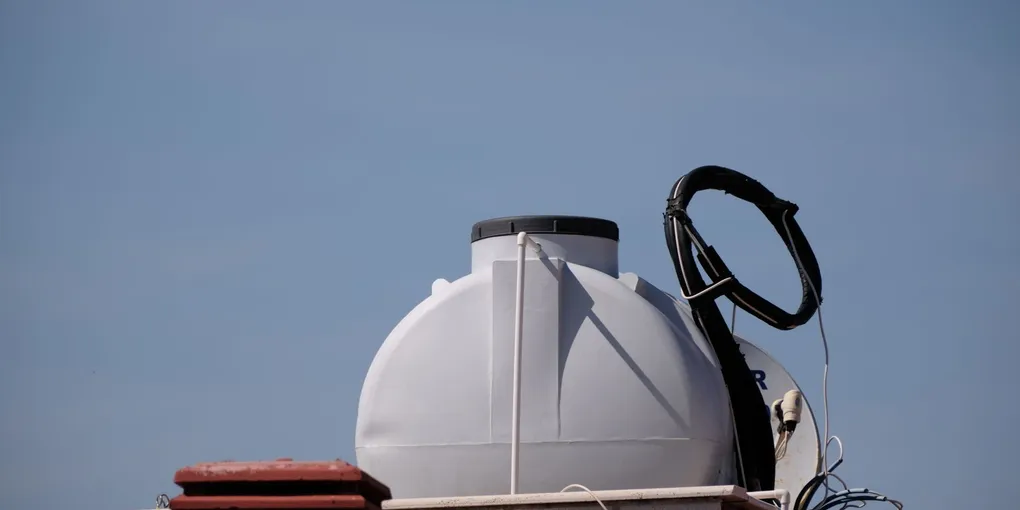
Water softener installation costs $800–$2,500 total for most homes — $400–$1,500 for the unit and $300–$800 for professional installation. Whole-house salt-based systems run $1,200–$2,000 installed. Salt-free conditioners run $800–$2,000 installed. DIY installation is possible for homeowners comfortable with basic plumbing and saves $300–$600 in labor.
Frequently Asked Questions
Is a water softener worth the cost?
For homes with hard water (over 7 grains per gallon), yes. Hard water deposits scale on water heaters, dishwashers, faucets, and pipes — shortening their life by 20–30%. Soft water also requires 50% less detergent and leaves no soap scum on fixtures. The payback period is typically 3–7 years through reduced appliance repair costs, detergent savings, and longer water heater life.
What is the difference between a salt-based and salt-free water softener?
Salt-based (ion exchange): removes calcium and magnesium ions by replacing them with sodium ions. True softening — eliminates scale deposits and softens the feel of water. Requires periodic salt replenishment ($5–$20/month). Salt-free (template-assisted crystallization or TAC): doesn't remove minerals, but changes their structure so they don't deposit as scale. Better for people on low-sodium diets. Doesn't give the slippery feel of softened water.
Can I install a water softener myself?
Yes — water softener installation is within reach for homeowners comfortable with basic plumbing: cutting into a main water line, installing bypass valves and unions, and running a drain line. Most systems include installation manuals. The main risk is incorrect bypass valve installation, which can cut off household water. Budget 3–5 hours and save $300–$600 in labor.
Where is a water softener installed?
On the main water supply line, after the main shutoff but before it splits to serve the house. Typically installed in a utility room, basement, or garage near the main line. The softener must be near a drain for backwash (within 15–20 feet of a floor drain, laundry standpipe, or utility sink). Cold-weather areas: keep indoors to prevent freezing.
How do I know if I have hard water?
Signs of hard water: white or yellow scale deposits around faucets and showerheads, soap that doesn't lather well, film on dishes after the dishwasher, water heater scaling and reduced efficiency. Confirm with a water hardness test kit ($8–$15). Over 7 GPG (grains per gallon) is considered hard; over 10 GPG is very hard. Most municipal water supplies publish hardness data online.
How long does water softener installation take?
A professional plumber installs a whole-house water softener in 2–4 hours for a standard installation (existing plumbing, nearby drain). A first-time DIY installation takes 4–6 hours. Add time if the main line needs modifications, a bypass valve needs to be added, or permit and inspection scheduling is required. Most softeners are operational the same day as installation.
Water softener installation costs $800–$2,500 total for most homes — $400–$1,500 for the unit and $300–$800 for professional installation. Whole-house salt-based systems run $1,200–$2,000 installed.
Hard water affects about 85% of US homes. The scale it leaves in pipes, water heaters, and appliances slowly costs money year after year. A water softener addresses it directly — here’s what installation actually costs.
Cost Summary
| System Type | Unit Cost | Installation Labor | Total |
|---|---|---|---|
| Salt-based, basic (32,000 grain) | $400–$700 | $300–$600 | $700–$1,300 |
| Salt-based, mid-range (48,000 grain) | $600–$1,000 | $300–$600 | $900–$1,600 |
| Salt-based, high-capacity (64,000 grain+) | $800–$1,500 | $400–$700 | $1,200–$2,200 |
| Salt-free conditioner | $500–$2,000 | $300–$600 | $800–$2,600 |
| Dual-tank system (continuous soft water) | $1,200–$2,500 | $400–$700 | $1,600–$3,200 |
| Whole-house reverse osmosis | $1,500–$4,000 | $500–$1,000 | $2,000–$5,000 |
Ongoing costs (salt-based systems):
- Salt refill: $5–$20/month depending on water hardness and household size
- Resin replacement (every 10–15 years): $100–$200
- Annual maintenance/cleaning: $100–$200 if done by a pro
What Size System Do You Need?
Water softeners are sized in grains — total grain capacity before regeneration.
Calculate your daily grain load: Household members × gallons per person per day (80–100) × water hardness in GPG = daily grains
Example: 4 people × 85 gallons × 10 GPG = 3,400 grains/day
A system should regenerate no more than every 3 days, so multiply daily grains × 3:
3,400 × 3 = 10,200 grains minimum capacity
Most 4-person households with moderately hard water (7–10 GPG) do well with a 32,000–48,000 grain system.
Popular Brands and Price Points
Entry level ($400–$700):
- Whirlpool WHES30 — 30,000 grains, widely available
- GE GXSH40V — 40,000 grains, demand-initiated regeneration
Mid-range ($600–$1,000):
- Fleck 5600SXT — industry workhorse, excellent longevity
- Pentair WS48-56sxt10 — reliable metered regeneration
Premium ($1,000–$2,000+):
- Kinetico (dealer-only, non-electric, very reliable)
- Culligan (rental and purchase options, local service)
DIY Installation: What’s Involved
A water softener connects to the main cold water supply line before it branches to serve the house. The installation requires:
- Locating the main line — typically at or near the water meter and main shutoff valve
- Cutting the pipe — use a pipe cutter to make two clean cuts, creating a gap for the bypass valve assembly
- Installing bypass valves and unions — the bypass lets you isolate and service the softener without cutting off house water
- Connecting inlet and outlet — match direction to flow arrows on the unit
- Running the drain line — plastic tubing to a nearby floor drain (gravity) or air gap connection to a drain pipe
- Plugging in and programming — set water hardness, time of day, and regeneration frequency
- Adding salt and initiating a manual regeneration — verify the system cycles correctly before relying on it
This takes 3–5 hours for a first-time installer with basic plumbing skills. Key tool: pipe cutter for the existing pipe material (copper, PVC, or CPVC) and SharkBite push-to-connect fittings for a no-solder installation.
Regional Cost Variations
Water softener installation labor tracks local plumber rates. Hard water prevalence varies significantly by region — affecting how many installers are available and how competitive pricing is:
| Region | Installation Labor | Unit Availability | Water Hardness Notes |
|---|---|---|---|
| Northeast (NY, MA, NJ) | $400–$900 | Wide | Moderate hardness (5–10 GPG) |
| Southeast (FL, GA, TX) | $300–$700 | Wide | Very hard (10–25 GPG in many areas) |
| Midwest | $350–$750 | Wide | Very hard (10–30 GPG; worst in the nation) |
| Mountain West (CO, UT, AZ) | $350–$800 | Good | Very hard (15–30 GPG) |
| Pacific Northwest (WA, OR) | $400–$800 | Moderate | Soft water (1–5 GPG; softener less needed) |
Hardness note for the Pacific Northwest: cities like Seattle and Portland have naturally soft water (under 5 GPG), where water softeners offer minimal benefit. If you’re in the Mountain West or Midwest, water softeners have the fastest payback — scale damage is most severe at 15+ GPG.
Salt-Based vs. Salt-Free: Full Comparison
| Factor | Salt-Based Ion Exchange | Salt-Free (TAC/Template) |
|---|---|---|
| Actual softening | Yes — removes minerals | No — minerals remain, but won’t scale |
| ”Soft water” feel | Yes (slightly slippery) | No |
| Monthly cost | $5–$20 for salt | None |
| Maintenance | Salt refill, annual cleaning | Minimal (filter replacement) |
| Water waste | 30–50 gal per regeneration | None |
| Best for | Very hard water (10+ GPG) | Moderate hardness, low-sodium diet |
| Sodium in output water | Yes (small amount) | No |
| Price range installed | $700–$2,200 | $800–$2,600 |
Salt-free systems for whom: If anyone in the household is on a low-sodium diet or has heart/kidney conditions, salt-free conditioners avoid adding sodium to the water supply. They’re also better for irrigated gardens — softened water can harm some plants over time.
Professional Brands and Dealer Installation
Some water softener brands are only available through dealer networks — and dealer installation often includes water testing, sizing, and ongoing service:
| Brand | Distribution | Price Range | Key Feature |
|---|---|---|---|
| Kinetico | Dealer-only | $1,500–$3,500 installed | Non-electric, dual-tank, 10-year warranty |
| Culligan | Dealer + rental | $1,200–$3,000 | Local service, rental option available |
| EcoWater (GE subsidiary) | Dealer | $1,200–$2,500 | WiFi monitoring, demand regeneration |
| Morton Water Softeners | Retail/DIY | $400–$900 unit | Widely available, DIY-friendly |
| Fleck/Pentair | Online + plumbers | $500–$1,200 unit | Best value for professional install |
The Kinetico advantage: Kinetico’s twin-tank design regenerates on demand using no electricity and provides continuous soft water (the reserve tank handles regeneration while the main tank stays on). Best for homes with high water demand or where uninterrupted service matters.
Questions to Ask Your Installer
- Did you test my water hardness? — a legitimate installer should test before sizing; hardness varies by neighborhood on the same municipal supply
- How did you size the system? — should be calculated from household members × daily usage × hardness level, not just “what fits the space”
- What warranty comes with installation? — unit manufacturer warranty (typically 3–10 years) should be separate from labor warranty (1–2 years)
- Is a permit required for this installation? — many jurisdictions require permits for plumbing work on the main supply line
- What do ongoing salt costs look like for my hardness level? — at 15 GPG with 4 people, salt costs $15–$25/month; a good installer can give you an honest estimate
Related Guides
- Plumber Cost Guide — what plumbers charge for installation work
- Well Pump Replacement Cost — if you’re on well water, often paired with softener
- Annual Home Maintenance Schedule — water softener maintenance in the annual checklist
- Winterize Your Home Checklist — includes outdoor plumbing steps that interact with your water system
- Locate the main supply line and plan the install location
Find the main water supply line where it enters the house — typically in the basement, utility room, or garage near the main shutoff valve. The softener installs on the main cold water line before it branches. You need a 120V outlet within 6 feet and a drain within 15–20 feet (floor drain, laundry standpipe, or utility sink).
- Cut the pipe and install bypass valves and unions
Shut off the main water supply. Use a pipe cutter to make two clean cuts in the supply line, creating a gap for the softener bypass valve assembly. Install bypass valves (required by code in most jurisdictions) and threaded union connections on each side so the softener can be serviced or bypassed without cutting off house water.
- Connect inlet and outlet, run the drain line
Connect the inlet and outlet fittings per the directional arrows on the softener unit. Run the drain line (flexible plastic tubing) to the nearby floor drain or standpipe, using an air gap to prevent back-siphoning. Connect the brine tank overflow line per the installation manual.
- Add salt, program the unit, and test
Fill the brine tank with water softener salt. Plug in the unit and set the water hardness level, current time, and regeneration frequency per the manufacturer instructions. Slowly open the main water supply and check all connections for leaks. Initiate a manual regeneration cycle to verify the unit cycles correctly before relying on it.
Free: 10-Point Home Maintenance Checklist
Prevent costly repairs with this seasonal checklist. Save hundreds every year by catching problems early.
Your checklist is ready!
Open Checklist →Something went wrong. View the checklist here.