Stump Grinding Cost 2026: $100–$450 per Stump by Size
Stump grinding costs $100-$450 per stump or $3-$6 per inch diameter. See pricing by size, alternatives like chemical removal, and DIY options for small stumps.
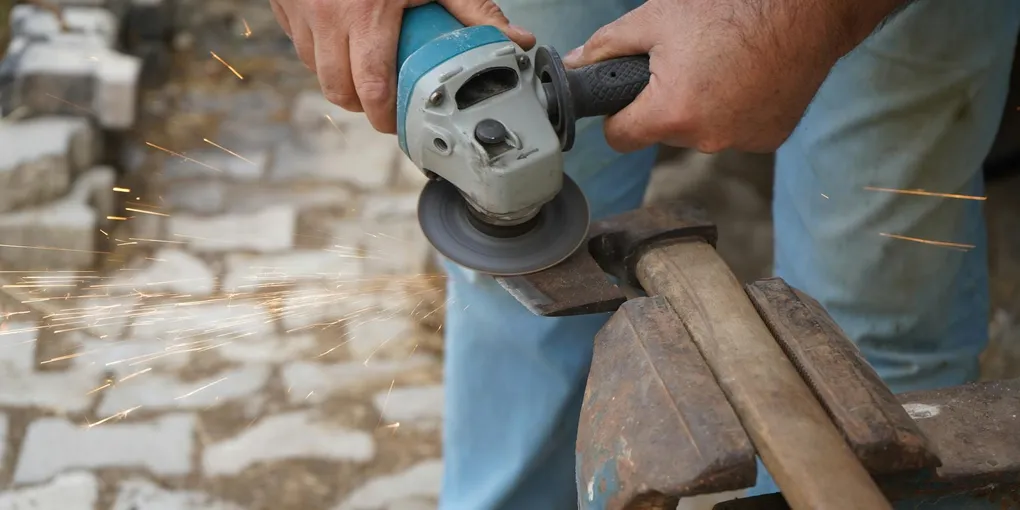
Stump grinding costs $100-$450 per stump for professional service, with most homeowners paying $175-$275 for average-size stumps. Pricing works out to $3-$6 per inch of stump diameter, with minimum trip charges of $100-$200. Multiple stumps on same visit drop to $2-$4 per inch. DIY stump grinder rental runs $130-$200/day plus fuel.
Frequently Asked Questions
What's the difference between stump grinding and stump removal?
Stump grinding mechanically shreds the above-ground stump and top 6-12 inches of roots, leaving most of the root system in place. Full stump removal excavates the entire root ball and costs 3-5x more ($500-$1,500+). For most purposes (including replanting grass), grinding is sufficient.
How deep do stump grinders go?
Standard grinding depth is 6-12 inches below ground level. This addresses visible stumps and prevents regrowth from surface roots. Grinding deeper than 12 inches costs extra and isn't necessary for most applications. Full stump removal excavates 2-4 feet deep.
Can I grind a stump myself?
Yes, for small stumps. Rental stump grinders cost $130-$200/day plus $30-$60 fuel. Small home-use grinders (8-10 HP) handle stumps up to 12-18 inches. Larger stumps require commercial equipment (25-50 HP, $300-$500/day rental). Safety equipment is essential (ear protection, safety glasses, steel-toe boots).
What happens to the wood chips from grinding?
Most contractors leave wood chips on-site—they make excellent mulch for flower beds or can fill the stump hole. Removal costs $50-$150 extra per stump. Chips decompose in 1-3 years and are carbon-neutral landscape material.
Will grass grow where a stump was ground?
Yes, but requires soil replacement. Wood chips prevent grass growth, so remove chips, fill with topsoil, and seed/sod. Expect 6-12 months for full establishment. Fill dirt cost: $30-$100 for typical stump hole. Some grinding services include topsoil fill.
Stump grinding costs $100-$450 per stump for professional service, with most homeowners paying $175-$275 for average-size stumps. Pricing works out to $3-$6 per inch of stump diameter, with minimum trip charges of $100-$200.
Dead trees are eventually removed, but stumps often remain for years—trip hazards, lawnmower obstacles, pest habitats, and visual eyesores. Stump grinding is the efficient solution: turn that stubborn stump into useful mulch in under an hour, typically for $100-$450 depending on size.
This guide breaks down 2026 stump grinding costs by diameter, alternatives like chemical removal, and DIY options for the cost-conscious. You’ll understand when grinding is worth the cost, when alternatives make more sense, and how to evaluate quotes without getting upsold.
Quick Cost Overview by Stump Size
| Stump Diameter | Professional Cost | Per Inch Rate |
|---|---|---|
| Small (4-10”) | $100–$175 | $15–$20 |
| Medium (10-20”) | $150–$275 | $10–$15 |
| Large (20-30”) | $200–$400 | $8–$12 |
| Extra-large (30-40”) | $350–$550 | $7–$10 |
| Massive (40”+) | $450–$850+ | $5–$8 |
| Each additional stump | $50–$150 | — |
Most homeowners pay $175-$275 for an average-size stump grinding service.
How Stump Grinding Pricing Works
Per-Inch Pricing (Most Common)
Most arborists charge $3-$6 per inch of stump diameter, measured at ground level. A 24-inch stump costs $72-$144 at per-inch rates, plus the trip fee.
Minimum Trip Charges
Minimum fees apply regardless of stump size:
- Suburban: $100-$200 minimum
- Urban: $125-$250 minimum
- Rural: $150-$350 minimum (travel distance)
A single small stump near the minimum fee costs the same whether it’s 6” or 15” diameter.
Multi-Stump Discounts
Per-inch rates drop 25-40% when grinding multiple stumps on same visit:
- 1 stump: $5-$6/inch
- 2-3 stumps: $4-$5/inch
- 4+ stumps: $3-$4/inch
- Forest clearance (10+): $2-$3/inch
Cost Breakdown: What You’re Paying For
A typical $225 single-stump grinding includes:
- Travel and setup: $60-$100
- Grinding time (30 minutes): $75-$150 labor
- Equipment operation (fuel, wear): $25-$40
- Cleanup (if included): $15-$30
- Insurance overhead: $15-$25
Factors that add to cost:
- Debris/chip removal: $40-$150
- Hole filling with topsoil: $30-$100
- Extra depth (>12 inches): $50-$150
- Obstructed access: $50-$200
Factors That Affect Price
Stump Diameter
Linear pricing—bigger stumps cost proportionally more.
Wood Species (Hardness)
Hardwoods take longer to grind:
- Easy: Pine, poplar, birch, willow ($3-$4/inch)
- Moderate: Maple, ash, cherry ($4-$5/inch)
- Difficult: Oak, hickory, walnut, ironwood ($5-$7/inch)
Root Spread
Large exposed root flares increase grinding time and cost.
Depth Requirements
Standard 6-12” deep. Each additional 6” adds $30-$75.
Access Difficulty
- Clear front yard access: base rate
- Backyard through gate: +10-25%
- Over walls, through narrow passages: +25-50%
- Requires equipment disassembly: +40-100%
Obstacles Nearby
- Sprinklers, utilities: careful work, +10-20%
- Near house/deck: +15-30% (damage prevention)
- Near septic/leach field: specialty handling, +20-50%
Debris Handling
- Leave chips on site (free to most clients)
- Spread chips as mulch: +$20-$50
- Remove chips: +$50-$150
- Fill hole with topsoil: +$30-$100
- Full landscape restoration: +$100-$300
Regional Variations
- Urban markets (NY, SF, LA, Boston): 30-50% above national average
- Suburban (typical): Baseline pricing
- Rural: Travel surcharges, but lower labor costs
- Hurricane/storm zones: Prices drop 20-30% due to competition
Stump Grinding vs Removal
Understanding the difference saves money:
Stump Grinding ($100-$450)
- Mechanical shredding of stump + 6-12” root ball
- Fast (15-45 minutes)
- Leaves most root system in place
- Surface remains plantable for grass
- Roots decompose naturally over 3-7 years
- Use for: Most residential stumps
Full Stump Removal ($500-$1,500+)
- Complete excavation of root ball
- 2-4 hours work
- Heavy equipment required
- Large hole left behind
- Ideal for replanting large trees in same location
- Use for: New construction, large tree replacement, structural concerns
Chemical Stump Removal ($20-$50)
- Stump rotter (potassium nitrate) speeds decomposition
- Takes 6-18 months to work
- Less effective on hardwoods
- Not visible progress short-term
- Spectracide Stump Remover Granules is a popular option
- Use for: Non-urgent, budget-conscious removal
Burning ($0-$50)
- Requires fire permit (many jurisdictions)
- Slow (days of monitoring)
- Fire risk
- Leaves scorched ground
- Use for: Rural areas with permits
Manual Removal ($0 cost, hours of labor)
- Axe, shovel, pry bar
- Limited to small stumps (<10”)
- Back-breaking work
- 4-12 hours typical
- Use for: Dedicated DIY enthusiasts, small stumps
DIY Stump Grinding: Realistic Assessment
DIY Rental Costs
Small residential grinder (6-13 HP):
- Rental: $90-$150/day
- Fuel: $15-$30
- Transport: $30-$80 if truck rental needed
- Total: $135-$260/day
- Handles: 4-14 inch stumps
Mid-size grinder (16-25 HP):
- Rental: $200-$350/day
- Fuel: $40-$75
- Transport: Additional
- Handles: 14-24 inch stumps
Professional-grade (30-50 HP):
- Rental: $400-$700/day
- Fuel: $75-$150
- Transport: Heavy-duty trailer
- Handles: Most residential stumps
When DIY Makes Financial Sense
✓ Multiple stumps (3+) to amortize rental cost ✓ Small to medium stumps (under 18” diameter) ✓ Easy access (no gates, slopes, narrow passages) ✓ Experience with powered equipment ✓ Safety gear owned (glasses, ear protection, boots) ✓ Weekend project time
When DIY Is a Mistake
✗ Single small stump (rental costs more than pro service) ✗ Large stumps requiring commercial equipment ✗ Near utilities, sprinklers, or structures ✗ First-time user (learning curve on safety) ✗ Physical limitations ✗ Hardwood species (pine vs oak 2x difference) ✗ Poor access requiring specialized transport
DIY Safety Essentials
- ANSI-rated safety glasses: Bolle Ultim8 Safety Glasses
- Ear protection: 3M Worktunes Hearing Protection (28 dB)
- Cut-resistant gloves: Required for stump prep
- Steel-toe boots: Heavy equipment, sharp teeth
- Leg chaps or heavy pants: Protection from flying debris
- First aid kit: Readily accessible
- Fire extinguisher: Dust can ignite
- Keep bystanders 30+ feet away
DIY Step-by-Step
- Call 811 before any digging (48-72 hours before work)
- Clear debris around stump (30-foot radius)
- Read rental equipment manual thoroughly
- Start with higher stumps (top down approach)
- Don’t force the cutter—let it work
- Empty chip bag frequently
- Grind 2-4 inches below grade
- Clean equipment before returning
Popular DIY Tools for Small Stumps
For stumps under 8 inches, hand tools can work:
- Fiskars Stump Grinder Tool: Drill attachment
- Forged Hex Shaft Stump Grinder Bit: Fits standard drills
- Pulaski axe: Combination axe/pick for chopping
- Mattock: Heavy digging tool for root access
These handle small sucker stumps and small brush. Major stumps need proper grinder.
Cost by Stump Count
Single Stump
- Base rate: $100-$400
- Minimum trip charge applies
2-3 Stumps
- First stump: full price
- Additional stumps: $50-$150 each
- Total: $200-$600
4-10 Stumps (Clearing)
- Per-inch rate: $3-$4
- Often quoted by project, not per-stump
- Total: $400-$1,500
10+ Stumps (Forest Clearing)
- Negotiable bulk pricing
- May include land clearing service
- Total: $800-$5,000+
- Consider land clearing contractor for large projects
Hidden Costs to Consider
Debris Removal
Chips from grinding equal 2-4x the stump volume. Options:
- Free on-site: Pile or spread as mulch
- Spread in beds: +$20-$50 labor
- Haul away: $50-$200
- Disposal fees: $25-$100 at dump/transfer station
Fill and Restoration
- Topsoil delivery: $30-$120/cubic yard
- Spreading labor: $25-$75
- Grass seed: $20-$50
- Sod: $1-$2/sq ft
- Total restoration: $75-$400
Utility Protection
- 811 call: Free
- Private utility marking: $75-$200
- Sprinkler repair (if damaged): $50-$300 per head
- Buried dog fence repair: $100-$400
Permit Fees
- Most jurisdictions: No permit needed
- Some urban areas: $25-$75 tree work permit
- HOAs: Approval often required
Pro Service Cost Scenarios
Scenario 1: Single 18” Maple Stump
- 18” × $5/inch = $90
- Trip minimum: $175 (higher of two)
- Leave chips on site: $0
- Topsoil fill: $50
- Total: $225
Scenario 2: Three Backyard Stumps
- 14” pine: $60
- 10” cherry: $45
- 20” oak: $110
- Multi-stump discount: -15%
- Trip fee: $125
- Total: $310 (about $103 per stump)
Scenario 3: Single Large Oak (32”)
- 32” × $6/inch (hardwood): $192
- Trip fee: $150
- Extra depth requested (18”): $75
- Fill hole with topsoil: $75
- Total: $492
Scenario 4: Storm Damage (8 stumps)
- Project rate: $2,400
- Debris removal (half): $350
- Site restoration: $400
- Total: $3,150
DIY Cost Scenarios
Scenario 1: Rent small grinder for 3 stumps
- Rental (1 day): $135
- Fuel: $25
- Transportation: Own pickup
- Time: 4 hours
- Total: $160 (about $53 per stump)
- Pro alternative: $325-$400
Scenario 2: Manual removal of small stump
- Pulaski axe: $40 (keep)
- Time: 6 hours Saturday
- Total: $40 (if you keep the tool)
- Pro alternative: $150-$200
Scenario 3: Rent mid-grinder for major project
- 2-day rental: $400
- Fuel: $60
- Transport rental: $150
- 9 stumps processed: $68 per stump
- Total: $610
- Pro alternative: $1,200-$1,800
Choosing a Stump Grinder Service
Criteria for a good arborist:
- Certified Arborist (ISA): Best professional standard
- $1M liability insurance: Protects your property
- Workers’ comp coverage: Protects you from injury claims
- Written estimate: Clear scope, price, terms
- Damage guarantees: Responsibility for hardscape, utilities
- Cleanup inclusion: Know what’s included
- References: 3+ similar-scope projects
- BBB/Google ratings: 4.5+ stars with substantial reviews
Red flags:
- Door-to-door sales
- Cash-only pricing
- Unmarked trucks/equipment
- Pressure to sign immediately
- No written estimate
- Sub-minimum insurance coverage
- “We can do it for way less”—often uninsured
Questions to Ask Before Hiring
- What’s included vs extra charges?
- How deep do you grind below grade?
- Do you remove debris or leave as mulch?
- Do you fill the hole with soil?
- What insurance do you carry?
- Are you ISA certified?
- What’s your damage guarantee?
- What’s the minimum trip charge?
- How do you handle utility marking?
- What if you hit rocks or roots buried deep?
Pre-Grinding Preparation
Preparation saves money and problems:
1 Week Before
- Call 811 for utility location
- Get HOA approval if required
- Confirm arborist insurance
- Check weather forecast
1 Day Before
- Clear debris from work area
- Mark sprinkler heads with flags
- Mark pet fence boundaries
- Move vehicles from driveway
Day Of
- Be present if possible
- Keep pets/children inside
- Confirm scope before work starts
- Don’t pay full amount until work complete
After the Grinding
Complete the restoration:
- Spread excess chips as mulch in flower beds
- Fill hole 3-4 inches above grade (settles)
- Use proper topsoil (not just wood chips)
- Seed or sod within 2 weeks for best results
- Water regularly (1 inch per week minimum)
- Monitor for suckers from remaining roots (12+ months)
- Kill suckers with glyphosate if they emerge
Common Mistakes to Avoid
- Accepting only per-hour pricing: Always get per-stump quote
- Not asking about minimum trip fees: Single small stump often not worth calling pros
- Forgetting utility marking: Cutting gas line = $3,000-$10,000 repair
- Skipping follow-up seeding: Stump area becomes weed magnet
- Wrong species assumption: Pine DIY vs Oak DIY very different
- Choosing cheapest quote: Uninsured contractors = your problem if damage
- DIY without safety gear: ER visits eliminate any savings
- Ignoring slope/drainage: Filled hole can pond water or wash out
Environmental Considerations
Stump grinding is relatively green:
- Wood chips: Compostable, make excellent mulch
- Equipment emissions: Modern grinders CARB-certified
- Noise: 70-85 dB, typically during business hours
- Soil impact: Minimal—only top 6-12 inches disturbed
- No chemicals: Unlike stump killer products
When to Leave a Stump Alone
Not every stump needs immediate removal:
- Nurse stumps: Hollow stumps support wildlife
- Aesthetic features: Some stumps become garden focal points
- Budget constraints: Chemical rot over 2 years costs $30
- Historic trees: Slab for furniture making ($200-$500 value)
- Natural area: Forest edges benefit from deadwood
- No trip hazard: Out-of-way stumps pose little risk
Final Thoughts
Stump grinding is one of the most cost-effective tree care services—turning unsightly stumps into mulch in under an hour for under $300 typically. For most homeowners with 1-3 stumps, professional service makes more economic sense than DIY rental due to minimum trip charges and equipment costs.
DIY truly makes sense only with 3+ stumps to amortize rental costs, or for dedicated homeowners with appropriate skill, equipment, and safety gear. For a single small stump, you’ll often spend more on rental than pro service.
Get two quotes, ask about inclusions, and confirm utility marking before any work. This is one of the easier home services to compare apples-to-apples across contractors.
Related Reading
- Tree Removal Cost
- Tree Trimming Cost
- Fence Installation Cost
- Deck Building Cost per Square Foot
- How to Lay a Paver Patio
- Spring Home Maintenance Checklist
- Best Smart Sprinkler Controllers
Product links on this page are Amazon affiliate links. As an Amazon Associate, Fix Up First earns from qualifying purchases. All recommendations reflect independent product research.
- Inspect the stump
Measure diameter at ground level (widest point). Check for nearby utilities, sprinklers, or structures. Verify tree ID if unknown (some species have aggressive root systems that complicate grinding).
- Get quotes from 2-3 arborists
Request itemized quotes specifying grinding depth, debris handling, number of stumps, and travel charges. Reputable companies will visit for accurate quotes, especially for multiple stumps.
- Call 811 before digging
Mandatory utility location before any subsurface work. Free service with 2-3 business day lead time. Prevents cutting gas, electric, water, or communication lines.
- Prepare the site
Clear debris around stump (rocks, toys, lawn furniture). Mark sprinkler heads with flags. Remove decorative mulch to expose stump base fully. Move vehicles from nearby driveways during work.
- Grind or supervise grinding
Professional grinding takes 15-45 minutes per stump depending on size and wood hardness. Stay 30+ feet away during operation (flying debris). Confirm depth meets specification after completion.
- Fill and restore
Remove excess wood chips or distribute as mulch. Fill hole with topsoil 3-4 inches above grade (settles over time). Seed or sod to restore lawn. Water regularly for 6 weeks.
Free: 10-Point Home Maintenance Checklist
Prevent costly repairs with this seasonal checklist. Save hundreds every year by catching problems early.
Your checklist is ready!
Open Checklist →Something went wrong. View the checklist here.