Plumbing Leak Repair Cost 2026: $150–$600 by Pipe Type
Plumbing leak repair costs $150–$350 for an accessible pipe repair, $300–$600 for a concealed or crawlspace leak, and $2,000–$7,000 for a slab leak. Emergency rates add 25–50%.
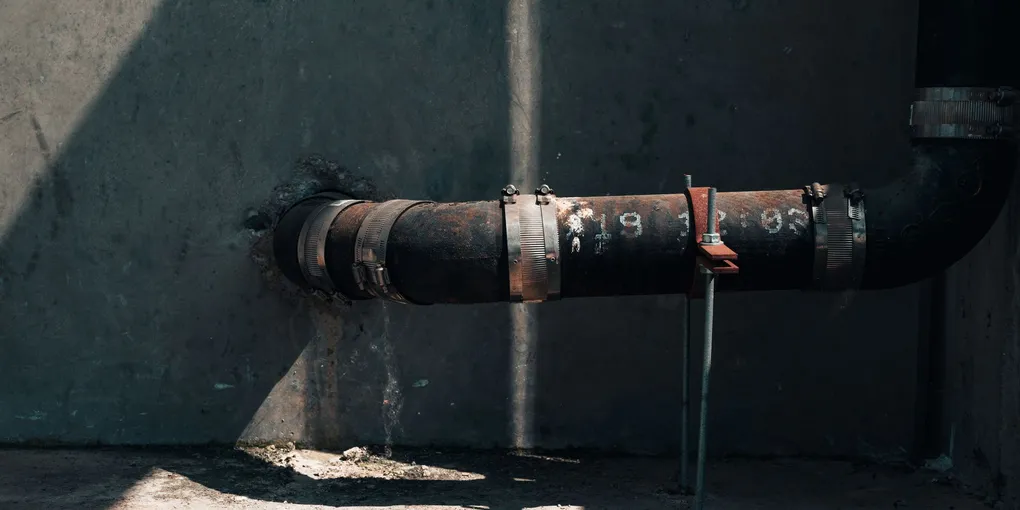
Plumbing leak repair costs $150–$600 for most common pipe and fixture leaks. Accessible pipe repairs run $150–$400; fixture leaks (faucet, toilet, supply line) run $100–$350. Slab leaks are significantly more expensive: $500–$4,000+ depending on access method. Emergency/after-hours service adds $100–$200. Water damage from an ignored leak adds $1,500–$50,000+ — act within 24 hours of discovering a leak.
Frequently Asked Questions
How much does it cost to fix a leaking pipe?
Pipe leak repair costs: accessible pipe (basement, crawlspace, open wall) $150–$400; pipe inside a wall (requires drywall access) $300–$800 including wall repair; under-slab pipe (slab leak) $500–$4,000+ depending on access method (tunneling vs. rerouting vs. epoxy lining); burst pipe emergency $400–$1,500. Most pipe repairs involve replacing a section of pipe (2–5 feet) rather than patching — patches are temporary. Copper pipe repair: $200–$400. PVC or PEX repair: $150–$300 (faster, lower labor cost).
What causes pipes to leak?
Common pipe leak causes: (1) Corrosion — galvanized steel pipes common in homes built before 1960 corrode from the inside out, causing pinhole leaks throughout the system; (2) Age — copper pipes develop pinhole leaks at 40–70 years from mineral corrosion; (3) High water pressure — pressure above 80 PSI accelerates fitting failure and joint leaks; (4) Freeze damage — water expands when frozen, splitting pipes; (5) Tree root intrusion — roots enter hairline cracks in buried lines; (6) Poor installation — improper solder joints, over-tightened fittings, or missing pipe supports causing vibration wear.
How do I find a hidden pipe leak?
Signs of a hidden pipe leak: unexplained increase in water bill (a 1/8-inch hole in a pipe wastes 250 gallons/day); wet spots or discoloration on walls, ceilings, or floors; mold or musty smell in areas without obvious water sources; reduced water pressure throughout the house; warm spots on concrete floors (hot water pipe slab leak). Detection methods: shut off all water usage and watch the water meter for 2 hours — any movement indicates a leak; professional leak detection ($150–$400) uses acoustic listening equipment and infrared cameras to pinpoint leaks without opening walls.
What is a slab leak and how much does it cost to fix?
A slab leak is a pipe leak in the water supply or drain lines embedded in or below the concrete foundation slab. They are the most expensive residential leak repair type. Symptoms: warm floor spot, sound of running water with all fixtures off, significant unexplained water bill increase. Repair methods by cost: (1) Jackhammer access — break concrete, replace pipe section, repour concrete — $500–$2,500; (2) Tunneling — dig under the slab from outside or crawlspace — $1,500–$4,000; (3) Pipe rerouting — abandon the leaking pipe and run a new line through the wall/attic — $1,000–$3,000; (4) Epoxy pipe lining — line the existing pipe with epoxy through access points — $3,000–$8,000 for whole-line treatment. Insurance coverage: some homeowner policies cover slab leak repair; check your policy before paying out of pocket.
Should I repair or replace leaking pipes?
Repair individual leaks when: the pipe is relatively new (under 20 years for copper, under 30 for PVC/PEX), the leak is isolated to one section, and the rest of the system shows no corrosion. Replace the entire system when: the pipe material is galvanized steel (corrosion is system-wide — one repair is followed by another within months); the pipes are over 50 years old copper with multiple pinhole leaks; water quality tests show high iron/lead from corroded pipes; or multiple leaks have occurred within a 2-year period. Full repiping cost: $4,000–$15,000 for a whole house, but prevents ongoing repair costs and water damage risk.
How much does emergency plumbing cost for a leak?
Emergency plumbing rates: standard after-hours call (evenings, weekends) adds $75–$150 to the repair cost; holiday/emergency same-day service adds $100–$250. For burst pipes during a freeze: expect $400–$1,500 for the pipe repair itself, plus the water damage mitigation cost ($1,500–$10,000 for drying and repairs) if the pipe ran for hours before shutoff. The fastest way to reduce emergency cost: know where your main water shutoff is and turn it off immediately when a pipe bursts. Limiting water flow time from hours to minutes can mean the difference between a $500 repair and a $15,000 insurance claim.
Plumbing leak repair costs $150–$600 for most common pipe and fixture leaks. Accessible pipe repairs run $150–$400; fixture leaks (faucet, toilet, supply line) run $100–$350.
A plumbing leak discovered early is a $200 repair. The same leak ignored for 2 weeks is a $15,000 water damage restoration project. Act fast: shut off the water, photograph the damage, and call a plumber.
Plumbing Leak Repair Costs by Type
| Leak Type | Typical Repair Cost |
|---|---|
| Supply line (under sink, toilet) | $100–$250 |
| Faucet leak | $100–$350 |
| Exposed pipe (basement/crawlspace) | $150–$400 |
| Pipe inside a wall | $300–$800 |
| Slab leak (jackhammer method) | $500–$2,500 |
| Slab leak (reroute method) | $1,000–$3,000 |
| Slab leak (epoxy lining) | $3,000–$8,000 |
| Burst pipe (freeze damage) | $400–$1,500 |
| Emergency/after-hours premium | +$75–$250 |
Common Leak Locations and Typical Causes
| Location | Common Cause | DIY-Feasible? |
|---|---|---|
| Under-sink supply line | Old braided hose, loose connection | Yes — replace supply hose |
| Toilet supply line | Cracked plastic tube, loose nut | Yes — replace supply hose |
| Pipe joint in basement | Corrosion, vibration fatigue | No — requires soldering or SharkBite |
| Outdoor hose bib | Freeze damage, worn packing | Partial — packing replacement DIY |
| Inside wall | Corrosion, pin hole | No — requires wall access |
| Under slab | Corrosion, tree root, shift | No — specialized repair |
DIY Repairs You Can Do
For supply line replacements (the braided lines under sinks and behind toilets), replacement is DIY: turn off the shutoff valve, unscrew the old line, thread on the new line (hand-tight plus 1/4 turn with pliers). Cost: $8–$20 for a new stainless-jacketed supply hose.
For exposed accessible copper or PEX pipe with a pinhole leak, a SharkBite push-fit coupling ($8–$15) can stop the leak without soldering — cut out the damaged section, push on the coupling. This is a legitimate permanent repair (SharkBite couplings are code-approved), not just a temporary patch.
For larger repairs, cut-in repairs inside walls, or any slab leak, hire a licensed plumber.
The Water Damage Cost You’re Trying to Avoid
| Damage Scenario | Typical Restoration Cost |
|---|---|
| Drywall replacement (1 wall section) | $300–$1,500 |
| Hardwood floor replacement (200 sq ft) | $3,000–$8,000 |
| Subfloor replacement | $1,500–$4,000 |
| Mold remediation (contained room) | $1,500–$5,000 |
| Full basement flood (finished) | $15,000–$50,000 |
Most homeowner’s insurance covers sudden pipe failures. Slow leaks visible over time are typically excluded — another reason to fix leaks immediately.
When to Repipe Instead of Repair
Consider whole-house repiping ($4,000–$15,000) instead of ongoing repairs when:
- The home has galvanized steel pipe (standard before 1960) — corrosion is system-wide, not isolated
- Multiple pinhole leaks have appeared in copper pipe within 2 years
- Water has visible rust or metallic taste from corroded pipes
- The home is being sold — buyers routinely reject homes with known pipe problems or old galvanized systems
- The pipe material is polybutylene (gray plastic, common 1975–1995, class action settlement material) — these pipes are prone to sudden failure
Repiping with PEX tubing is now the standard choice for whole-house work: flexible, freeze-resistant, fast to install, and lasts 50+ years.
Regional Cost Variations
Plumber labor rates vary significantly by market — a significant driver of variation for the same type of repair:
| Region | Service Call + Minor Repair | Wall/Ceiling Pipe Repair | Slab Leak (Jackhammer) |
|---|---|---|---|
| Northeast (NY, MA, NJ) | $250–$500 | $500–$1,200 | $800–$3,500 |
| Mid-Atlantic (DC, MD, VA) | $225–$450 | $450–$1,000 | $700–$3,000 |
| Southeast (FL, GA, TX) | $175–$350 | $350–$800 | $500–$2,200 |
| Midwest | $180–$375 | $375–$850 | $550–$2,500 |
| Pacific (CA, WA, OR) | $250–$500 | $500–$1,200 | $800–$3,500 |
Emergency/after-hours rates add $75–$250 to any repair. Water damage restoration (drying, drywall, flooring) is separate from the pipe repair cost and is the larger expense in most serious leak events.
Leak Detection Services
Before opening walls or breaking concrete, professional leak detection can pinpoint leaks precisely:
| Method | Cost | Best For |
|---|---|---|
| Acoustic listening device | $150–$300 | Pressurized pipe leaks; inside walls |
| Thermal imaging (infrared) | $200–$400 | Hot water leaks; radiant system leaks |
| Tracer gas (helium/hydrogen) | $300–$600 | Slab leaks; buried lines |
| Video pipe inspection | $150–$350 | Drain line leaks, root intrusion |
The ROI of detection: paying $200–$400 for acoustic detection before opening walls saves $500–$2,000 in unnecessary demolition. For slab leaks especially, detection pays for itself on the first job.
Pipe Material Guide: What’s in Your House
| Material | Common Age | Leak Risk | Notes |
|---|---|---|---|
| Galvanized steel | Pre-1960 homes | High — corrosion throughout | Consider repiping; not patchable long-term |
| Copper | 1960s–2000s | Low-Medium | Pinhole leaks at 40–60 years |
| PVC/CPVC | 1970s–present | Low | Cracking at joints; brittle in cold |
| PEX | 1990s–present | Very low | Best modern material; freeze-resistant |
| Polybutylene | 1975–1995 | High — failure-prone | Consider replacing proactively |
Polybutylene pipe: gray plastic pipe installed 1975–1995 (class-action settlement material). These pipes can fail suddenly without warning. If you have polybutylene, proactive repiping with PEX ($4,000–$10,000) is worth considering before a burst causes $30,000 in damage.
Questions to Ask Your Plumber
- Can you locate the leak before opening any walls? — acoustic or thermal detection should be the first step for hidden leaks; a plumber who goes straight to demolition without detection may be over-scoping
- Is this a repair or does the pipe material suggest repiping? — ask for a professional opinion on the system age and material; a single repair on galvanized or polybutylene pipe often leads to another repair within months
- Is this covered under my homeowners insurance? — ask the plumber to document the cause of failure (sudden vs. gradual) and the date discovered; this documentation supports your insurance claim
- What’s your warranty on the repair? — 90-day minimum; 1-year on new pipe sections is reasonable
- Will you pressure test the repair before closing the wall? — any pipe repair inside a wall should be pressure-tested and visually confirmed for 24 hours before the drywall goes back
Related Reading
- How to Fix a Leaky Pipe
- How to Fix a Burst Pipe
- Plumber Cost — licensed plumber hourly rates and service call fees
- Water Heater Repair Cost — water heater leaks are a common plumbing repair; repair vs. replace pricing
- Water Heater Installation Cost — often replaced during major plumbing work
- Basement Waterproofing Cost — water intrusion vs. internal leak causes
- Annual Home Maintenance Schedule
- Shut off water and locate the source before calling a plumber
When you discover a leak, shut off water to the affected area (use the isolation valve under the sink, behind the toilet, or in the utility room for the affected line) or the main shutoff if the leak location is unknown. Then locate the source: follow visible water back to its highest point — water travels along pipes and framing, so the wet spot on a ceiling may be several feet from the actual leak. The source is usually at a joint, fitting, or valve rather than in the middle of straight pipe. Document the location and wet extent with photos before the plumber arrives — this helps with insurance claims and ensures the plumber knows exactly where to look.
- Test water pressure before any repair
High water pressure (above 80 PSI) causes premature joint failure, valve wear, and pinhole leaks throughout the system. Test pressure with a gauge ($10–$15) attached to any outdoor hose bib — reading above 80 PSI indicates the pressure reducing valve (PRV) needs adjustment or replacement ($200–$400 installed). Repairing a leak without addressing high pressure means the next fitting downstream will fail within months. Ask your plumber to test pressure when they arrive — a single pressure test often explains recurring leak history in older homes.
- Get a leak detection service for hidden or slab leaks
Before authorizing major exploratory demolition (opening walls, breaking concrete), invest in professional leak detection. A licensed plumber with leak detection equipment (acoustic sensors, thermal imaging, tracer gas) can pinpoint a leak within 1–2 feet without opening walls. Cost: $150–$400 for detection. This cost is well spent when the alternative is opening large sections of wall or breaking concrete to search for a leak. For slab leaks specifically, a detection company can tell you whether the leak is in the hot or cold supply (critical for narrowing the repair method), and the exact location relative to the slab surface.
- Get written quotes for repair vs. reroute vs. repipe
For significant leaks (slab leaks, multiple pinhole leaks, corroded galvanized pipe), ask your plumber to quote three options: (1) Repair the specific leak; (2) Reroute that branch line (abandon the problem pipe, run new pipe through a different path); (3) Repipe the affected area or the whole house. The comparison is illuminating — sometimes a $400 repair is followed by another $400 repair 6 months later, while a $1,500 reroute fixes the branch permanently. For galvanized pipe systems, whole-house repiping often has better economics than continuing to patch individual leaks.
- Document the damage for insurance before repair work begins
Before any repair work starts and before any water-damaged materials are removed, photograph everything: the leak source, water stains, wet insulation, damaged drywall, flooring, personal property. File a claim with your homeowner's insurance if the damage exceeds your deductible. Standard homeowner's policies cover 'sudden and accidental' water damage from a burst pipe or sudden leak, but typically exclude gradual leaks that were visible over time. A plumber's invoice showing the cause and date of failure supports the insurance claim. Have the insurance adjuster assess before beginning drywall or flooring repairs — insurance companies require the opportunity to document damage before repair.
Free: 10-Point Home Maintenance Checklist
Prevent costly repairs with this seasonal checklist. Save hundreds every year by catching problems early.
Your checklist is ready!
Open Checklist →Something went wrong. View the checklist here.