How to Fix a Burst Pipe
Stop water damage fast by learning how to shut off the water, apply an emergency repair, and complete a permanent pipe fix for a burst or cracked pipe.
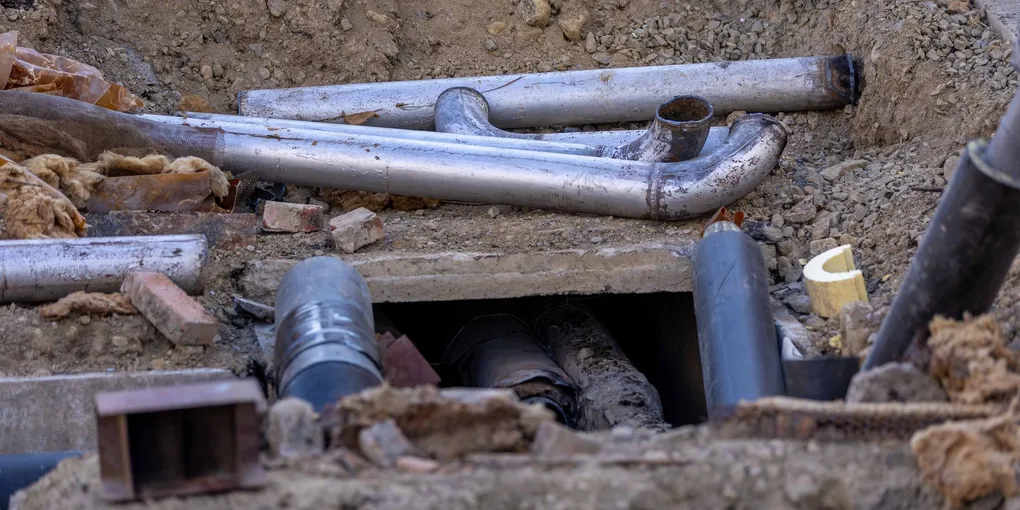
A burst pipe is one of the most stressful plumbing events a homeowner can face, but fast, decisive action limits water damage and puts you back in control. The key is knowing how to stop the water immediately, make a reliable temporary repair, and then complete a permanent fix or coordinate with a plumber.
A burst pipe is one of the most stressful plumbing events a homeowner can face, but fast, decisive action limits water damage and puts you back in control. The key is knowing how to stop the water immediately, make a reliable temporary repair, and then complete a permanent fix or coordinate with a plumber. This guide covers all three stages.
What You Need
- Pipe repair clamp kit — a rubber-lined steel band clamp that fits over the damaged section; available for most pipe diameters
- Self-fusing silicone repair tape — stretches and bonds to itself around the leak for instant waterproof sealing
- Pipe repair epoxy putty — a two-part compound that molds around the pipe and hardens to a waterproof patch
- Push-fit slip coupling — for permanent repair on copper, PVC, or PEX pipe without soldering
- Pipe cutter or hacksaw
- Adjustable pliers
- Dry cloth and sandpaper or emery cloth
- Flashlight
- Bucket and wet/dry vacuum
- Towels and mop
- Pipe insulation foam sleeves (for prevention)
Step 1: Stop the Water Immediately
Turn off the main water supply. The main shutoff valve is typically:
- At the water meter (outside or in a utility box at the curb)
- Where the water line enters the house in a basement or crawl space
- In a utility closet
Turn the valve clockwise until it stops. If the valve is a gate valve that has not been turned in years, it may be stiff — use steady, firm pressure and do not force it.
After shutting off the main:
- Turn on every faucet in the house — hot and cold — to drain water still in the pipes and relieve any residual pressure.
- Flush toilets to empty the tank water.
- Turn off the water heater at the breaker or thermostat to prevent the element from running dry.
Step 2: Stop Electrical Hazards
If water is dripping near any electrical outlets, light fixtures, or the electrical panel, shut off power to that area at the breaker immediately. Do not enter a flooded area where water is in contact with electrical equipment until power is confirmed off.
Step 3: Control the Water Damage
While the pipes are draining:
- Use towels, a mop, and a wet/dry vacuum to remove standing water.
- Move furniture, rugs, and valuables away from the wet area.
- Place buckets under any active drips from ceilings or walls.
- Open windows and run fans to begin drying the area — this reduces the risk of mold growth.
If the ceiling is bulging with trapped water, puncture a small hole at the lowest point with a screwdriver to let it drain in a controlled way into a bucket, rather than collapsing suddenly.
Step 4: Find and Inspect the Burst
Trace the water back to the actual burst location. Look for:
- A visible split or crack along the pipe
- A pinhole spraying or weeping water
- A burst joint or coupling that has separated
- A frozen section of pipe that has split (common in winter)
Dry the outside of the pipe thoroughly with a cloth. You need a dry surface for any repair to adhere properly.
Step 5: Apply a Temporary Repair
Option A: Self-Fusing Silicone Tape (fastest, no tools needed)
- Dry the pipe surface as completely as possible.
- Start wrapping 2 inches before the leak, stretching the tape to 150% of its length as you wrap.
- Overlap each pass by half the tape width.
- Continue 2 inches past the far end of the leak.
- Press the final wrap firmly against the previous layer — the tape bonds to itself, not the pipe, and creates a waterproof sleeve within minutes.
Option B: Pipe Repair Epoxy Putty
- Mix the two-part putty by kneading it together until it is a uniform color.
- Press the putty firmly around the damaged section, covering at least 1 inch on each side of the crack.
- Mold and smooth it to create a uniform seal around the pipe circumference.
- Allow it to harden per the manufacturer’s instructions (usually 10–30 minutes).
Option C: Pipe Repair Clamp
- Center the rubber pad on the clamp over the crack.
- Wrap the clamp around the pipe.
- Tighten the clamp bolts evenly until the rubber is compressed firmly against the pipe wall.
All three options are temporary measures. Plan for a permanent repair within a few days.
Step 6: Make a Permanent Repair with a Push-Fit Coupling
For a permanent fix without soldering tools, a push-fit slip coupling is the best DIY solution on copper, CPVC, or PEX pipe.
- Mark and cut out the damaged section of pipe with a pipe cutter or fine-tooth hacksaw. Make your cuts 2 inches past each end of the damaged area — you need to cut back to undamaged pipe.
- Remove any burrs from the cut ends with emery cloth or sandpaper. The pipe end must be smooth and round.
- Mark the depth of insertion on each pipe end with a pencil. A push-fit coupling requires a specific insertion depth — check the packaging for your size.
- Compress the slip coupling (these are designed to slide onto the pipe fully on one side to allow clearance) by collapsing it to one end.
- Push one pipe end fully into one side of the coupling up to your depth mark.
- Center the coupling and push the other pipe end in up to its mark.
- Give both connections a firm tug to confirm they are locked.
- Slowly restore water pressure by opening the main shutoff and checking for any weeping at the connection.
Step 7: Restore Water and Inspect
Open the main shutoff valve slowly. Walk through the house and inspect all faucets and the repair location for leaks. Check for any ceiling or wall water intrusion that might still be dripping. Once you confirm the repair is holding, dry the area completely and monitor for the next 24 hours.
Prevent Future Burst Pipes
- Add foam pipe insulation to all pipes in unheated spaces — it is inexpensive and takes less than an hour to install.
- Locate your main shutoff valve now and confirm it turns freely. Lubricate gate valves that are stiff.
- Keep a pipe repair clamp and a roll of self-fusing silicone tape in your emergency tool kit.
- If you travel in winter, set your thermostat no lower than 55 degrees and shut off the main water supply while you are away.
Related Reading
- How to Fix a Leaky Faucet
- How to Winterize Your Home
- Annual Home Maintenance Schedule
- Stop the Water Immediately
At the water meter (outside or in a utility box at the curb)
- Stop Electrical Hazards
If water is dripping near any electrical outlets, light fixtures, or the electrical panel, shut off power to that area at the breaker immediately.
- Control the Water Damage
Use towels, a mop, and a wet/dry vacuum to remove standing water.
- Find and Inspect the Burst
A visible split or crack along the pipe
- Apply a Temporary Repair
Dry the pipe surface as completely as possible.
- Make a Permanent Repair with a Push-Fit Coupling
For a permanent fix without soldering tools, a push-fit slip coupling is the best DIY solution on copper, CPVC, or PEX pipe.
Free: 10-Point Home Maintenance Checklist
Prevent costly repairs with this seasonal checklist. Save hundreds every year by catching problems early.
Your checklist is ready!
Open Checklist →Something went wrong. View the checklist here.