How to Skim Coat a Damaged Wall: Step-by-Step Guide
Restore a rough, textured, or damaged wall surface to a smooth finish using joint compound skim coating techniques any patient DIYer can master.
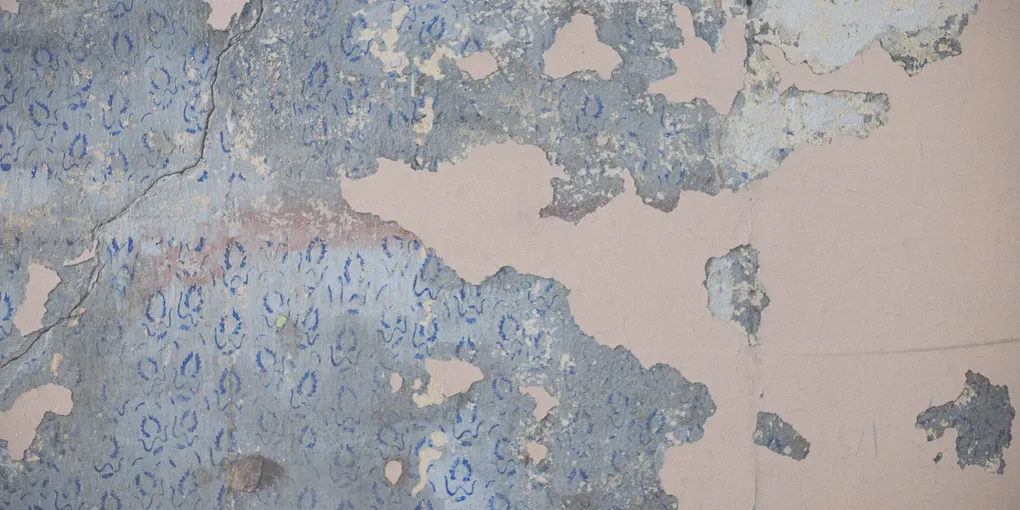
Skim coating a wall: (1) Prime bare drywall or heavily repaired areas with PVA primer — unprimed compound absorbs moisture unevenly and the skim coat will crack or flake. (2) Mix all-purpose joint compound with water until smooth, like thick yogurt. (3) Apply a thin coat (1/8 inch or less) with a wide drywall knife (12 to 14 inch), spreading in overlapping strokes to cover the wall. (4) While still wet, make a second pass to flatten ridges and pull the compound thin. (5) Let dry completely (4 to 8 hours depending on humidity). Sand lightly with 120-grit. (6) Apply a second coat in the opposite direction to fill low spots. (7) Final sand with 120-grit, then 150-grit. (8) Prime before painting — flat primer seals the porous compound and prevents paint from absorbing unevenly. Two to three thin coats produce a smoother finish than one thick coat.
Frequently Asked Questions
What is skim coating and when do I need it?
Skim coating is the process of applying one or two very thin layers of joint compound across an entire wall surface to create a smooth, even finish. You need it when a wall has been damaged and repaired with patches that do not match the surrounding texture, when old wallpaper has been removed and left the drywall paper torn and rough, when popcorn or orange peel texture has been scraped off and left an uneven surface, or when you want to upgrade an older wall to a smooth modern finish.
What type of joint compound should I use for skim coating?
Use topping compound or all-purpose joint compound thinned with water to a thick paint consistency. Topping compound is formulated specifically for finish coats and sands more easily than all-purpose. Avoid lightweight joint compound for skim coats — it shrinks more as it dries, which can cause the surface to crack. Pre-mixed compound from a bucket is easiest for most homeowners.
How thin should the skim coat be?
Each coat should be no thicker than 1/16 inch — roughly the thickness of a credit card. Thin coats dry evenly and do not crack. A skim coat that is applied too thickly will dry on the surface while staying wet underneath, causing cracking and poor adhesion to the next coat. Two or three thin coats always produce a better result than one thick coat.
Do I need to prime the wall before skim coating?
If the wall surface has exposed drywall paper (from tear-out or previous sanding through the face paper), apply a coat of drywall primer or diluted PVA glue before skim coating. Bare drywall paper and damaged areas will suck moisture out of the joint compound too quickly, causing the compound to dry before you can spread it evenly. A sealed surface gives you the working time you need.
How do I fix skim coat that cracked as it dried?
Cracking during drying is almost always caused by applying the compound too thick, using the wrong compound type, or applying a second coat before the first coat was fully dry. Sand the cracked area lightly, wipe away dust, and apply a new thin coat over the affected area. Feather the edges out at least 12 inches beyond the cracks to blend the repair into the surrounding wall.
How long does skim coating take from start to finish?
Plan on three to four days total: one day for the first coat and drying, one day for the second coat and drying, one day for sanding and priming, and one day for painting. Each coat of joint compound needs to dry completely before the next is applied — typically 24 hours at room temperature with good ventilation. Rushing between coats is the most common mistake and causes cracking and poor adhesion.
Skim coating a wall: (1) Prime bare drywall or heavily repaired areas with PVA primer — unprimed compound absorbs moisture unevenly and the skim coat will crack or flake. (2) Mix all-purpose joint compound with water until smooth, like thick yogurt.
Skim coating a wall sounds intimidating, but it is fundamentally the same skill as applying joint compound to a drywall patch — just applied across a larger area. With the right compound consistency, the right tools, and an understanding of how to feather the material thin, you can take a wall that looks rough and damaged and restore it to a flat, professional surface ready for paint.
The most common situations that call for skim coating are: stripped wallpaper that left the drywall paper torn and rough, popcorn ceiling or wall texture that has been scraped off, large patched areas that do not match the surrounding wall texture, and older plaster walls with extensive hairline cracking.
What You Need
- All-purpose joint compound or topping compound — buy a 4.5-gallon bucket for a typical room-sized job
- 12-inch or 14-inch drywall finishing knife — a wide blade is essential for feathering skim coats thin
- Drywall pole sander — for sanding large wall areas efficiently
- Drywall primer sealer — applied before skim coating over raw or damaged drywall paper
- Mud pan — for loading compound onto the knife without dipping into the full bucket
- Corner knife — for finishing inside corners cleanly without overworking the material
- Sandpaper 120-grit and 220-grit — for between-coat sanding and final smoothing
- Plastic sheeting and painter’s tape — for protecting floors and trim
Step 1: Prepare the Wall Surface
Good prep is the difference between a skim coat that lasts and one that fails within months.
Remove everything from the walls: Remove outlet covers, switch plates, and any wall-mounted fixtures. Tape over outlet boxes and light switch openings with painter’s tape.
Fix any structural issues first: Fill large holes or gouges with joint compound and let them dry before skim coating. Secure any loose drywall with new screws. Tape and fill any open seams between panels.
Address damaged drywall paper: If the wall surface has areas where the paper facing has torn (very common after wallpaper removal), cut away any loose paper with a utility knife. Apply a coat of drywall primer or diluted PVA bonding primer (PVA primer mixed 1:1 with water) to any exposed drywall paper, torn areas, or previous joint compound patches. Let the primer dry completely before applying compound — this step prevents the compound from being absorbed too quickly and drying before you can spread it.
Sand down any high spots: Run a drywall knife or a straightedge across the wall. Any bump that catches the blade needs to be knocked down before you start. Raised nail or screw heads should be driven flush or slightly below the surface.
Protect the floor and trim: Skim coating generates a significant amount of compound overspray and drips. Lay plastic sheeting on the floor and tape it to the baseboard. Tape off all trim with painter’s tape.
Step 2: Mix the Joint Compound
Open the bucket of joint compound and stir it thoroughly. If the compound is stiff or lumpy from sitting, add small amounts of water and mix until smooth. The correct consistency for skim coating is thicker than paint but thinner than typical patching compound — similar to thick yogurt or sour cream.
The consistency test: load some compound onto your knife and hold it horizontally. The compound should cling to the knife and slowly drip or sag, not fall off immediately. If it runs off like water, it is too thin. If it stays perfectly rigid, it is too thick.
Skim coat compound that is too thick drags on the wall, leaves tool marks, and does not feather smoothly. Compound that is too thin runs, drips, and slides. Take the time to get the consistency right before starting.
Step 3: Apply the First Coat
The first coat is the body coat. Its job is to fill the wall texture, cover the repairs, and create a base for the finish coats. It does not need to be perfect — it just needs to be thin and even.
Loading the knife: Scoop compound into your mud pan. Load the bottom 1/3 of the knife blade with compound by dragging the knife across the mud pan edge.
Applying the coat:
- Start at the top of the wall in a corner.
- Hold the knife at a low angle (about 15 to 20 degrees) to the wall surface.
- Pull the knife across the wall in a long, smooth stroke. The low angle spreads the compound thin — the thinner the better on the first coat.
- At the end of each stroke, lift the trailing edge of the knife slightly to feather the compound edge thin rather than leaving a thick ridge.
- Reload the knife and continue across the wall, overlapping each stroke slightly.
Work in sections of about 4 to 6 feet wide. Do not try to cover the entire wall in one pass before the material starts to dry. Work systematically from top to bottom in each section.
At the inside corners, use a 6-inch knife or the corner knife to apply compound into the corners. Do not try to reach the corners with the 12-inch knife — you will create ridges on one wall while working the other.
Let the first coat dry completely. It will turn from gray or off-white to a uniform bright white when fully dry. This typically takes 24 hours at 70 degrees Fahrenheit with normal humidity. Do not rush — a warm fan can help speed drying but do not apply heat directly to the wall.
Step 4: Sand Between Coats
Once the first coat is bone dry, lightly sand the entire surface with 120-grit sandpaper on a pole sander.
You are not trying to sand the coat smooth — you are knocking down ridges, tool marks, and any edges so the second coat can go on flat. Use light, even pressure. Sanding too aggressively on the first coat can cut through the thin compound layer and expose the wall beneath.
Wipe the wall down with a barely damp cloth after sanding to remove dust. Allow the wall to dry completely before applying the second coat — compound does not bond well to a dusty or damp surface.
Step 5: Apply the Second Coat
The second coat goes on using the same technique as the first, but with a slightly thinner consistency and a focus on leveling the surface. Use the 12-inch or 14-inch knife and make long, sweeping strokes that cover as much area per pass as possible.
Look across the wall at a low angle with a bright light (a work light or lamp held at the side of the wall works well). This raking light reveals any remaining ridges, depressions, or uneven spots. Apply slightly more compound to any hollow areas and feather it out.
Let the second coat dry completely — 24 hours minimum.
Step 6: Final Coat and Finish Sanding
Most walls need only two coats plus a final light skim, but if the surface still has visible imperfections after the second coat, apply a third coat using very thin, almost translucent passes of compound. The goal is to fill any remaining imperfections without adding significant build.
Once the final coat is dry, sand the entire wall with 120-grit paper on a pole sander. Sand in consistent, even strokes. Then follow with 220-grit for the final smoothing pass.
Check for smoothness by pressing your palm flat against the wall and sliding it. You should feel a consistent surface with no ridges, depressions, or texture differences between the skim-coated areas and the surrounding wall.
Wipe down the wall with a lightly damp cloth to remove all sanding dust. Allow it to dry fully.
Step 7: Prime and Paint
Never paint directly over fresh joint compound without primer. Fresh compound is highly porous and will cause paint to absorb unevenly, resulting in a matte and shiny patchwork appearance called flashing.
Apply one coat of drywall primer sealer. Roll it on with a medium-nap roller in the same W-pattern you would use for paint. Allow the primer to dry per label directions, typically 1 to 2 hours.
Once the primer is dry, apply your finish paint. Two coats are typically needed for complete, even coverage over a freshly primed skim coat surface. Use a 3/8-inch nap roller for flat walls and eggshell or satin finish for living areas, which are easier to clean than flat paint.
Common Mistakes to Avoid
Applying compound too thick: Results in cracking and uneven drying. Thinner is always better.
Working compound that has started to dry: Once compound begins to dry on the wall, do not try to rework it. Let it dry, sand it, and apply a fresh coat. Overworking drying compound tears the surface and creates more work.
Skipping the primer: The single most common mistake that makes a perfectly smooth skim coat look blotchy after painting.
Rushing the dry time: Every hour of patience between coats saves hours of additional repair work.
Related Reading
- How to Fix a Cracked Drywall Corner
- How to Patch Drywall Holes
- How to Remove Popcorn Ceiling Texture
- How to Paint a Room Like a Pro
- Prepare the Wall Surface
Good prep is the difference between a skim coat that lasts and one that fails within months.
- Mix the Joint Compound
Open the bucket of joint compound and stir it thoroughly. If the compound is stiff or lumpy from sitting, add small amounts of water and mix until smooth.
- Apply the First Coat
The first coat is the body coat. Its job is to fill the wall texture, cover the repairs, and create a base for the finish coats. It does not need to be perfect — it just needs to be thin and even.
- Sand Between Coats
Once the first coat is bone dry, lightly sand the entire surface with 120-grit sandpaper on a pole sander.
- Apply the Second Coat
The second coat goes on using the same technique as the first, but with a slightly thinner consistency and a focus on leveling the surface. Use the 12-inch or 14-inch knife and make long, sweeping strokes that cover as much area per pass as possible.
- Final Coat and Finish Sanding
Most walls need only two coats plus a final light skim, but if the surface still has visible imperfections after the second coat, apply a third coat using very thin, almost translucent passes of compound.
Free: 10-Point Home Maintenance Checklist
Prevent costly repairs with this seasonal checklist. Save hundreds every year by catching problems early.
Your checklist is ready!
Open Checklist →Something went wrong. View the checklist here.