How to Seal a Concrete Floor: Basement, Garage, and Patio (2026)
Seal a concrete floor to stop dust, moisture, and stains. This guide covers penetrating sealers vs. topical coatings, surface prep, application steps, and the difference between sealing and epoxy coating.
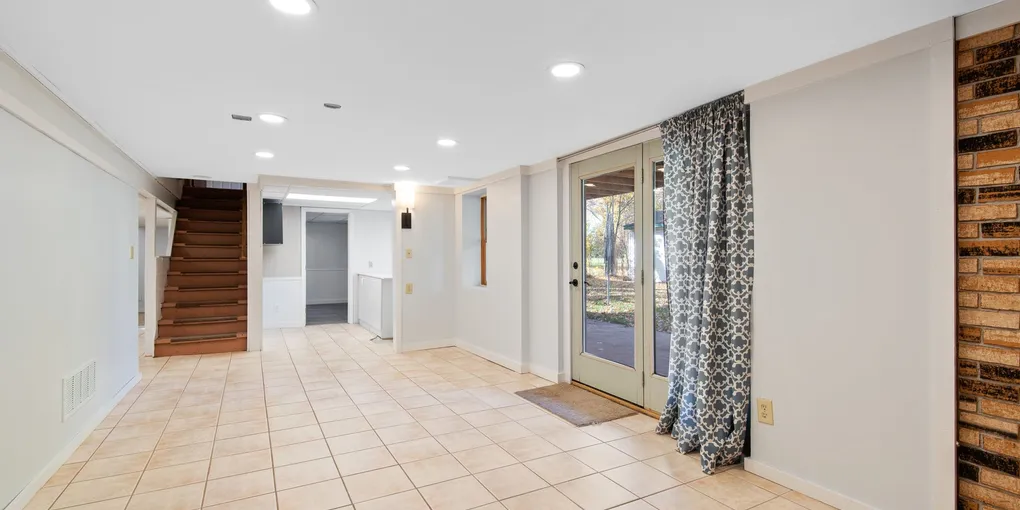
For moisture-damp basement floors: use a penetrating silane/siloxane sealer that soaks into the concrete rather than forming a surface film. For dusty garage floors that need cosmetic improvement: a penetrating sealer or acrylic-based topical sealer works well. For a polished, chemical-resistant garage floor: epoxy coating (2-part epoxy or polyurea). Surface prep is the critical step — sealer on dusty, efflorescent, or contaminated concrete fails immediately.
Frequently Asked Questions
What is the difference between concrete sealer and epoxy?
Concrete sealer (penetrating or topical) soaks into or bonds to the surface to repel water, oil, and stains. It leaves the concrete looking natural or slightly glossy. Epoxy coating is a thick 2-part coating that builds a hard, chemical-resistant surface layer. Epoxy provides more durability, better chemical resistance, and more cosmetic options (solid colors, metallic, chip flake) but requires more prep. Epoxy fails quickly on damp or contaminated concrete — sealer is more forgiving.
How do I know if my concrete floor has a moisture problem?
Tape a piece of plastic sheeting (12x12 inches) to the floor and seal the edges with tape. Leave for 24–48 hours. If condensation forms under the plastic, you have moisture migrating through the concrete. For a basement floor with active moisture: use a penetrating silane/siloxane sealer, not a topical coating — moisture vapor transmission will lift topical coatings from below. Address any water infiltration sources before sealing.
Do I need to clean the floor before sealing?
Yes — absolutely. Sealer applied over dust, grease, efflorescence (white mineral deposits), or existing coating fails immediately. Steps: sweep and vacuum, degrease any oil spots with TSP or a concrete degreaser, acid etch or grind the surface if applying epoxy, rinse, and let dry completely. Oil contamination from vehicles is the most common cause of garage floor sealer failure — don't skip the degreasing step.
How long does concrete sealer last?
Penetrating silane/siloxane sealer: 3–10 years depending on traffic and climate. Acrylic topical sealer: 1–3 years. Polyurethane or polyaspartic topical sealer: 3–7 years. Epoxy (2-part): 5–15 years with light vehicle traffic. All sealers eventually degrade. Reapplication is easier when you don't let it completely fail — reseal at the first signs of water no longer beading on the surface.
Can I seal a garage floor myself?
Yes. A penetrating sealer or basic acrylic sealer is a straightforward DIY project — roll it on, that's it. Epoxy coating is also DIY-friendly for a standard 2-car garage, but requires more prep (cleaning, etching, multiple coats) and temperature control (above 55°F during application and cure). 2-part epoxy kits from Rust-Oleum or Quikrete are designed for DIY application.
For moisture-damp basement floors: use a penetrating silane/siloxane sealer that soaks into the concrete rather than forming a surface film. For dusty garage floors that need cosmetic improvement: a penetrating sealer or acrylic-based topical sealer works well.
Concrete sealing protects against water, stains, and dusting. Here’s how to choose the right sealer and apply it correctly.
Sealer types at a glance
| Sealer type | Best for | Look | DIY? | Cost |
|---|---|---|---|---|
| Penetrating silane/siloxane | Damp basements, outdoor concrete | Natural (no change) | Yes | $30–$80/gal |
| Acrylic topical | Garage floors, patios | Slight sheen | Yes | $20–$50/gal |
| Polyurethane topical | Garage + light vehicle traffic | Satin to gloss | Yes | $40–$80/gal |
| 2-part epoxy | Garage floors, heavy use | High gloss, solid color | Yes (more prep) | $60–$150/kit |
| Polyaspartic/polyurea | Professional-grade garage | High gloss | Mostly professional | $3–$8/sq ft installed |
Surface prep (most critical step)
Step 1: Clean
Sweep and vacuum thoroughly. For garage floors, mop with concrete degreaser — oil contamination is the number one cause of sealer failure.
For oil spots: pre-treat with TSP substitute and a stiff brush. Let it sit 10 minutes, scrub, and rinse.
Step 2: Check for efflorescence
White powder on the concrete surface? That’s efflorescence (dissolved minerals from water movement). Brush off loose efflorescence and neutralize with muriatic acid diluted 1:10 in water — apply with a brush, let fizz for 5 minutes, rinse thoroughly. Wear gloves, goggles, and respirator. Work in a ventilated area.
Step 3: Test for existing sealer
Drop a few drops of water on the floor. If the water beads up for more than 30 seconds, there’s existing sealer. New sealer won’t bond to old sealer — you must strip the old coat with a chemical stripper or mechanical grinder first.
Step 4: Acid etch (for epoxy and polyurethane)
Epoxy bonds best to a slightly rough surface. Apply muriatic acid etch diluted 1:4 in water with a plastic watering can. It fizzes as it opens the concrete pores. Scrub and rinse thoroughly. Repeat if fizzing was minimal (indicates old sealer or contamination). Let dry completely — minimum 24 hours.
Application: penetrating sealer
- Fill cracks with concrete crack filler and let cure.
- Apply sealer with a roller or pump sprayer in a thin, even coat.
- Let absorb for 15–30 minutes.
- Apply a second coat.
- Let cure 24 hours before foot traffic, 72 hours before vehicle traffic.
Application: topical sealer (acrylic or polyurethane)
- Mix according to instructions.
- Use a long-nap roller (3/8 inch) to apply a thin coat in parallel strips — work away from the exit.
- Avoid puddling — thin coats cure harder.
- Recoat after the recommended time (typically 4–8 hours).
- Cure fully before vehicle traffic (72 hours minimum for polyurethane).
Application: 2-part epoxy kit
2-part epoxy requires mixing Part A (resin) and Part B (hardener) immediately before use — working time is 20–30 minutes once mixed.
- Mix the two parts thoroughly for 3 full minutes.
- Pour a strip along one wall and roll out in 2-foot-wide sections, working toward the exit.
- Broadcast decorative flake chips immediately after rolling if using a chip system.
- Coat 1 cures 12–24 hours. Apply Coat 2 (clear topcoat or second epoxy coat) within the recoat window specified on the can.
- Let cure 72 hours before light foot traffic, 7 days before vehicle traffic.
Related guides
- How to Apply Garage Floor Epoxy — full epoxy chip system guide
- Basement Waterproofing Cost — for active water infiltration beyond surface sealing
- Basement Finishing Cost — when you’re ready for the full basement project
- How to Fix a Cracked Driveway — outdoor concrete crack repair
- Clean the floor thoroughly
Sweep and vacuum the entire surface. For garage floors, mop with concrete degreaser — oil contamination is the leading cause of sealer failure. Pre-treat oil spots with TSP substitute and a stiff brush, let sit 10 minutes, scrub, and rinse. The floor must be completely free of grease, debris, and dust before sealer goes on.
- Check for efflorescence and existing sealer
Brush off any white powdery efflorescence and neutralize with muriatic acid diluted 1:10 in water (wear gloves, goggles, respirator). For existing sealer: drop water on the floor — if it beads for more than 30 seconds, old sealer is present. New sealer won't bond over old; strip with chemical stripper or mechanical grinding first.
- Acid etch for epoxy applications
For 2-part epoxy, acid etch the surface with muriatic acid diluted 1:4 in water applied with a plastic watering can. It fizzes as it opens concrete pores. Scrub, rinse thoroughly, and let dry at least 24 hours. Skip this step for penetrating silane/siloxane sealers.
- Apply sealer in thin coats
Penetrating sealer: apply with a roller or pump sprayer in thin, even coats. Let absorb 15–30 minutes, then apply a second coat. Topical sealer: roll on in parallel strips with a 3/8-inch nap roller, avoiding puddling. 2-part epoxy: mix Part A and Part B thoroughly for 3 minutes and apply within the working time (20–30 minutes), rolling 2-foot sections and broadcasting flake chips immediately if using a chip system.
- Cure fully before vehicle traffic
Penetrating sealer: 24 hours foot traffic, 72 hours vehicle traffic. Polyurethane topcoat: 72 hours minimum for vehicles. 2-part epoxy: 72 hours light foot traffic, 7 days before vehicle traffic. Thin coats cure harder and faster than thick coats.
Free: 10-Point Home Maintenance Checklist
Prevent costly repairs with this seasonal checklist. Save hundreds every year by catching problems early.
Your checklist is ready!
Open Checklist →Something went wrong. View the checklist here.