How to Apply Garage Floor Epoxy: A Weekend DIY Guide
Complete DIY guide to applying garage floor epoxy: prep, etching, kit selection, application, and curing. Cost, tools, and common mistakes to avoid.
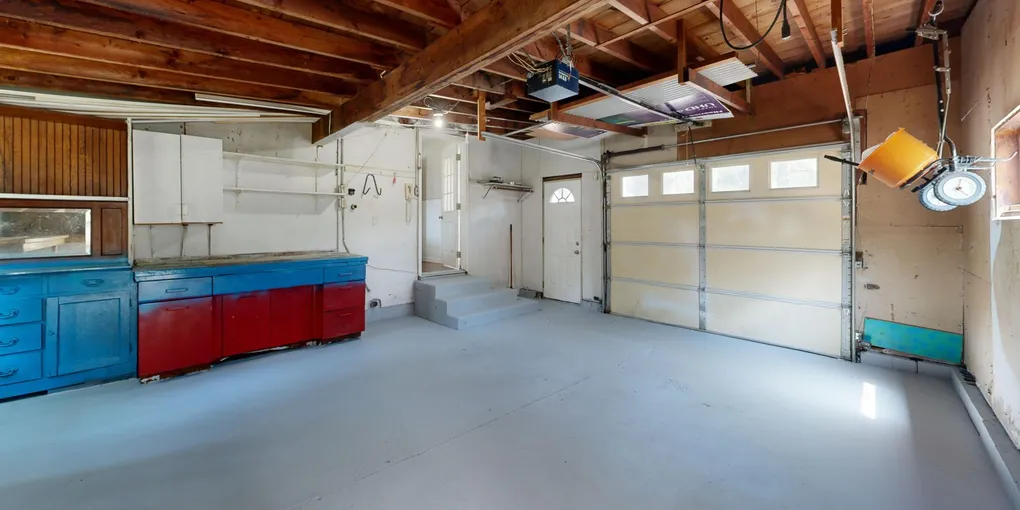
A 2-car garage epoxy floor takes 1-2 weekends and $200-$700 in materials for DIY. Steps: clean and degrease the concrete, fill cracks, acid-etch or grind the surface, apply a 2-part epoxy with roller, broadcast decorative chips, and finish with a clear polyurethane topcoat 24-48 hours later. Proper prep is 80% of the job — skipping it is why DIY epoxy fails.
Frequently Asked Questions
How much does DIY garage floor epoxy cost?
Expect $200-$700 in materials for a standard 2-car garage (400-500 sq ft). Budget kits ($150-$250) use 1-part water-based epoxy — shorter-lived. Mid-range 2-part epoxy kits ($300-$500) last 5-10+ years. Premium polyaspartic or polyurea kits ($500-$900) cure fast and last 10-20 years.
How long does garage floor epoxy last?
Water-based 1-part epoxy: 2-4 years. Solvent-based 2-part epoxy: 5-10 years. Polyaspartic or polyurea: 10-20+ years. Lifespan depends heavily on prep quality. Poorly prepped floors peel within a year no matter what product was used.
Can I epoxy over cracked or damaged concrete?
Yes, if cracks are minor (hairline to 1/4 inch) and patched before coating. Use a concrete crack filler for small cracks and a concrete patch or self-leveler for larger damage. Major spalling, heaving, or moisture issues need to be fixed first — epoxy over bad concrete fails fast.
Do I need to acid-etch the concrete first?
Yes — etching or grinding is mandatory. Smooth concrete won't bond with epoxy. Acid etching with muriatic or phosphoric acid opens the pores. Diamond-grinding works better for older or sealed concrete but requires a rental grinder ($75-$150/day). Skipping prep is the #1 cause of epoxy failure.
What's the difference between epoxy, polyaspartic, and polyurea?
Epoxy is the classic 2-part product, most affordable, 8-24 hour cure time, can yellow in sunlight. Polyaspartic and polyurea are modern alternatives that cure in 1-2 hours, resist UV, and last longer. They're more expensive ($4-$8 per sq ft vs. $2-$4 for epoxy) and trickier to apply because of the fast cure.
Why does DIY garage floor epoxy peel — and how do I prevent it?
Peeling is the most common DIY epoxy failure. The cause is almost always inadequate surface prep. Epoxy needs a chemically clean, mechanically open concrete surface to bond. The five most common prep failures: (1) Skipping or under-doing the acid etch — the etch must sit long enough to open the concrete pores (typically 10–20 minutes, then rinse thoroughly). Test with a few drops of water: if it beads, the surface is still sealed and needs more etching. (2) Residual oil or degreaser — oil-stained concrete requires multiple degreasing passes and may need grinding. Even one oily spot will create a bubble or delamination patch. (3) Applying in hot temperatures — epoxy applied above 90°F or on concrete heated by direct sun cures too fast and bonds poorly. Apply in morning or when shade covers the floor. (4) Moisture in the concrete — a moisture vapor test (plastic sheet taped overnight) is essential. Any condensation under the sheet means the slab is too wet. (5) Using a 1-part water-based kit from a big-box store — these have short lifespans (2–4 years) and fail faster than quality 2-part systems regardless of prep. A proper 2-part epoxy kit requires mixing Part A (resin) and Part B (hardener) in the correct ratio — improper mixing is another common failure point.
How long does garage floor epoxy take to dry — when can I walk and drive on it?
2-part epoxy drying timeline: light foot traffic: 12–24 hours after application. Heavy foot traffic (moving furniture, equipment): 48–72 hours. Light vehicle traffic (bicycle, motorcycle): 3–5 days. Full vehicle traffic (car, truck): 5–7 days minimum; 72 hours is enough for the chemistry to cure but tire-contact stress benefits from a full week. Polyaspartic and polyurea coatings cure faster: foot traffic in 2–4 hours, vehicle traffic in 24–48 hours. Temperature affects cure time significantly — below 60°F, curing slows dramatically; below 50°F, 2-part epoxy may not cure properly at all. For winter installs in unheated garages, wait for temperatures above 60°F or use a polyaspartic product with a wider temperature tolerance.
A 2-car garage epoxy floor takes 1-2 weekends and $200-$700 in materials for DIY. Steps: clean and degrease the concrete, fill cracks, acid-etch or grind the surface, apply a 2-part epoxy with roller, broadcast decorative chips, and finish with a clear polyurethane topcoat 24-48 hours later.
A freshly coated garage floor transforms a utility space into something you might actually want to spend time in. Epoxy resists oil, chemicals, and tire stains, and with the right prep it can last 10+ years. This guide covers what it takes to do it right as a weekend DIY project.
Why Epoxy Your Garage Floor
Raw concrete is porous, dust-generating, and stains easily. Oil spills soak in. Tire tracks mark up the surface. Over the years, concrete develops efflorescence (white powder), spalling (flaking), and a tired, dingy look.
A good epoxy coating:
- Seals concrete against oil, gas, brake fluid, and most chemicals
- Creates an easy-to-clean surface (mop it with a damp mop)
- Reflects light and brightens the garage by 30-50%
- Protects against spalling caused by salt and freeze-thaw
- Looks dramatically better than bare concrete
Downsides: initial labor is significant, and the prep work is the most important and most often botched step.
Product Choices: Epoxy vs. Alternatives
1-Part Water-Based Epoxy (Budget)
Cost: $100-$250 per 2-car garage. Examples: Rust-Oleum EpoxyShield Garage Floor Kit Lifespan: 2-4 years typical. Pros: Cheapest. Easiest cleanup (water, not solvents). Low odor. Cons: Thinner. Peels under hot tires. Not truly rated for vehicles long-term.
Good for: workshop floors, storage garages not seeing vehicle traffic, low-budget quick fixes.
2-Part Solvent-Based Epoxy (Standard DIY)
Cost: $250-$500 per 2-car garage. Examples: Rust-Oleum RockSolid, Epoxy-Coat kits Lifespan: 5-10 years. Pros: Better bond than water-based. Good scratch and chemical resistance. Cons: Strong odor during application. Needs adequate ventilation. Longer pot life but still requires working quickly.
The workhorse DIY choice for most homeowners.
Polyaspartic / Polyurea (Premium DIY or Pro)
Cost: $400-$900 per 2-car garage DIY; $2,500-$5,000 professionally installed. Examples: Legacy Industrial polyaspartic kits, Garage Floor Coating kits Lifespan: 10-20+ years. Pros: Fast cure (1-2 hours). UV-stable. Handles hot tires. Looks great. Cons: Very fast pot life (5-20 minutes). Demands experience and speed. More expensive.
The best long-term choice for serious DIYers. Fast cure means garage returns to service quickly but punishes hesitation.
Tools and Materials
Tools:
- Shop vacuum (wet/dry)
- Push broom and stiff scrub brush
- 9-inch roller frame and extension pole
- 3/8” nap roller covers — 2-4 per coat
- 2-3” paint brush for edges
- Paint tray and liners
- Spike shoes for walking on wet coating (optional but helpful)
- Rubber gloves and safety goggles
- Respirator for solvent-based epoxy
- Optional: concrete grinder rental for superior prep
Materials:
- Garage floor epoxy kit (match size to your square footage)
- Concrete degreaser
- Concrete crack filler
- Concrete etcher or muriatic acid
- Decorative color chips (usually included)
- Plastic drop cloth for moisture test
Total budget: $250-$700 for a 2-car garage, all-in.
Prep: 80% of the Job
Step 1: Empty and Clean the Garage
Move everything out. Every shelf, every tool, every vehicle. Sweep thoroughly. Shop-vac corners and expansion joints. The floor must be bone clean before any treatment.
Step 2: Check for Moisture Issues
Tape a 2x2 ft piece of clear plastic tightly to the floor at multiple spots. Wait 24 hours. If moisture collects under the plastic, you have a moisture problem. Do not proceed — epoxy over damp concrete will delaminate.
Moisture fixes: address grading and drainage outside the garage, wait for summer dry season, or use a moisture-mitigation primer (adds $150-$300).
Step 3: Degrease
Oil and grease spots need targeted treatment. Scrub with degreaser, brush, rinse, repeat until water no longer beads on the stained area. Even “clean-looking” spots can have embedded oil that will kill adhesion.
Step 4: Fill Cracks and Patch Damage
- Hairline cracks: Concrete crack filler.
- 1/8 to 1/4 inch cracks: Self-leveling epoxy crack filler.
- Wider cracks or small holes: Concrete patch.
- Heaving, spalling, or deep damage: Repair or grind down before coating.
Let patches cure fully (24-48 hours) before etching.
Step 5: Etch or Grind the Surface
Acid etching (included in most DIY kits):
- Dilute per instructions. Typical ratio: 1 part muriatic acid to 3 parts water. ALWAYS add acid to water, never water to acid.
- Wear long sleeves, gloves, goggles, and respirator.
- Pre-wet the floor so it doesn’t absorb acid too deeply.
- Pour and scrub sections of the floor. You’ll see fizzing — that’s the acid reacting with calcium carbonate in the concrete.
- Neutralize with ammonia or baking soda solution per product instructions.
- Rinse with copious water until runoff is clear.
- Wet-vacuum completely. The floor should feel like medium sandpaper when dry.
Grinding (superior prep, rental machine):
Rent a walk-behind concrete grinder with a diamond disc from a tool rental store ($75-$150/day). Grind the entire floor to a uniform matte finish. Faster, cleaner, and produces a better bond than acid etching. Best for older concrete or floors with sealers.
Step 6: Let Dry Completely
After etching or grinding, the floor must dry for 24-48 hours in good conditions. In humid weather, longer. A moisture meter (or a second tape-and-plastic test) confirms dryness.
Application
Read the Instructions First
Every kit is different. Pot life, temperature requirements, and topcoat timing vary. Don’t assume.
Temperature and Humidity
- Working range: 55-85°F floor temperature.
- Humidity: Below 85%. Higher humidity slows cure and causes blushing.
- Time of day: Start early so the epoxy cures overnight when temps are stable.
Step 7: Mix the Epoxy
Mix Part A and Part B in a clean bucket per instructions. Use a paint mixer attachment on a cordless drill. Mix thoroughly — unmixed epoxy doesn’t cure.
Once mixed, clock starts. Pot life is typically 30-90 minutes for standard epoxy, 5-20 minutes for polyaspartic/polyurea.
Step 8: Cut in Edges
Use a 2-3 inch brush to paint along the walls, around the garage door track, and around any other edges where a roller won’t reach. Work in sections you’ll be rolling next so the brush strokes blend with fresh rolled epoxy.
Step 9: Roll the Main Floor
Pour epoxy directly onto the floor in small pools or into a paint tray. Use a 3/8-inch nap roller on an extension pole. Work in 3x3 or 4x4 ft sections, maintaining a wet edge. Roll first in one direction, then cross-roll perpendicular to level the coating.
Don’t over-roll — epoxy self-levels and excessive rolling introduces bubbles.
Step 10: Broadcast Color Chips (Optional)
While the epoxy is still wet, throw color chips up into the air and let them rain down onto the surface. Use about 1/2 pound per 100 sq ft for light/moderate coverage.
Stand and toss from 4-5 feet. Don’t pile chips — if an area gets too many, sweep them up later when the base coat has cured.
Step 11: Let the Base Coat Cure
Typical cure times:
- Water-based 1-part: 8-12 hours walk-on, 24-48 hours full.
- 2-part epoxy: 16-24 hours walk-on, 48-72 hours full.
- Polyaspartic: 1-2 hours walk-on, 24 hours full.
Don’t rush to the next coat. Coating too soon traps solvents and causes blushing or bubbles.
Step 12: Apply the Clear Topcoat
After the base coat is cured, apply a clear polyurethane, polyaspartic, or epoxy topcoat.
Topcoat benefits:
- Adds abrasion resistance (takes wear away from the base coat)
- Improves UV resistance (especially important if sunlight hits the floor)
- Makes color chips flush with the surface — smooth to walk on, easier to clean
- Increases overall thickness and durability
Apply with the same tools and process as the base coat. Full cure before vehicles: 72 hours minimum.
Common Mistakes
- Skipping prep. The #1 reason DIY epoxy fails. Etch or grind, degrease thoroughly, fill cracks.
- Painting over moist concrete. Always do the plastic sheet moisture test.
- Not mixing the epoxy fully. Unmixed pockets never cure.
- Ignoring pot life. When epoxy thickens in the bucket, working time is over.
- Applying too thick. Causes runs, sags, and bubbles.
- Driving on it too soon. Tires will leave permanent marks until full cure.
- No topcoat. A base coat alone won’t last as long.
- Chip broadcast too heavy. Causes clumping and ragged texture.
Maintenance
An epoxy floor is low-maintenance but not no-maintenance:
- Sweep or blow dust weekly. Sand scratches the surface over time.
- Mop with warm water and mild cleaner monthly. Avoid harsh degreasers.
- Clean oil spills promptly with a shop towel and mild cleaner.
- Avoid dropping heavy sharp objects — chips are possible.
- Inspect annually for wear at high-traffic areas (garage door entry).
- Touch up worn spots with kit leftovers before they become peels.
When to Hire a Pro
- Serious moisture issues that need mitigation
- Floors with lots of hairline cracks, spalling, or delamination of old coatings
- Two-car garage or larger where labor savings are less meaningful
- Polyaspartic/polyurea application (fast cure is unforgiving)
- Decorative quartz or metallic finishes (specialized techniques)
Pro installation runs $3-$8 per sq ft — $1,200-$3,500 for a 2-car garage. Premium polyaspartic installs run $5-$12 per sq ft.
DIY Budget Breakdown
For a standard 400-500 sq ft 2-car garage using a mid-tier 2-part epoxy kit:
- Epoxy kit (with topcoat and chips): $300
- Concrete cleaner/degreaser: $25
- Crack filler: $15
- Etcher (if not in kit): $20
- Roller covers, tray, brush: $30
- PPE (gloves, respirator, goggles): $50 if you don’t have them
- Total: ~$440
Add another $75-$150 if you rent a concrete grinder for superior prep.
Related Reading
- Garage Organization Ideas
- Best Garage Door Openers
- How to Install a Garage Door Opener
- How Much Does Garage Door Replacement Cost
- Concrete Driveway Cost
- New Homeowner Toolkit
- How to Fix a Garage Floor Crack — repair cracks before applying epoxy for a longer-lasting finish
- Epoxy Garage Floor Cost — what a pro charges vs. DIY kit pricing
- How to Fix a Broken Garage Floor Epoxy — repair peeling, bubbling, or flaking epoxy before recoating
- Clear and inspect the garage
Remove everything from the garage. Sweep and shop-vac thoroughly. Inspect concrete for cracks, pitting, oil stains, and moisture issues. Tape a plastic sheet to the floor overnight — if condensation forms under it, you have a moisture problem that must be addressed first.
- Degrease and clean the concrete
Scrub oil and grease stains with a degreaser and stiff brush. Rinse with water. A clean floor shouldn't bead water — it should spread evenly. Re-clean any beading areas.
- Fill cracks and patch damage
Use a concrete crack filler for hairline cracks, self-leveling epoxy for wider cracks, and concrete patch for bigger damage. Let patches cure for 24-48 hours before etching.
- Acid-etch or grind the surface
Mix muriatic or phosphoric acid per manufacturer instructions (usually 1:3 with water). Wearing full PPE, scrub the etching solution into sections of the floor. Rinse thoroughly with water. The surface should feel like coarse sandpaper when fully dried. Alternative: rent a concrete grinder for superior prep.
- Vacuum and let the floor dry completely
Wet-vacuum any remaining water and residue. Let the floor dry for 24-48 hours minimum. Any moisture trapped under the epoxy will cause delamination. A concrete surface is dry when it feels warm and matches room humidity.
- Mix and apply the base coat
Mix Part A and Part B of the epoxy per instructions. Most kits give you a 30-90 minute pot life. Cut in the edges with a brush, then roll the main floor with a 3/8-inch nap roller on an extension pole. Work in 3x3 or 4x4 ft sections, maintaining a wet edge.
- Broadcast decorative chips (optional)
While the epoxy is still wet, broadcast color chips evenly by tossing them up into the air and letting them fall onto the surface. Use about 1/2 pound per 100 sq ft for light coverage, 1+ pound for full coverage. Don't over-broadcast — chips on top of chips look clumpy.
- Let cure, then apply clear topcoat
Allow 16-24 hours for the base coat to cure (per product). Light foot traffic OK after this. Apply clear polyurethane or polyaspartic topcoat for abrasion and UV protection. Cut in edges, then roll the main floor. Let cure per instructions — typically 24 hours before light use, 72 hours before vehicles.
- Let fully cure before parking
Even though the surface feels solid after 24 hours, epoxy continues curing for 5-7 days. Wait at least 72 hours for vehicles and 7 days before hot tire contact. Premature driving can leave permanent tire marks.
Free: 10-Point Home Maintenance Checklist
Prevent costly repairs with this seasonal checklist. Save hundreds every year by catching problems early.
Your checklist is ready!
Open Checklist →Something went wrong. View the checklist here.