How to Repair Stucco: Cracks, Holes, and Delaminated Sections (2026)
Stucco cracks from normal house movement, water damage, or impact. This guide covers hairline crack sealing with elastomeric caulk, patching holes with premixed stucco, and matching the existing texture.
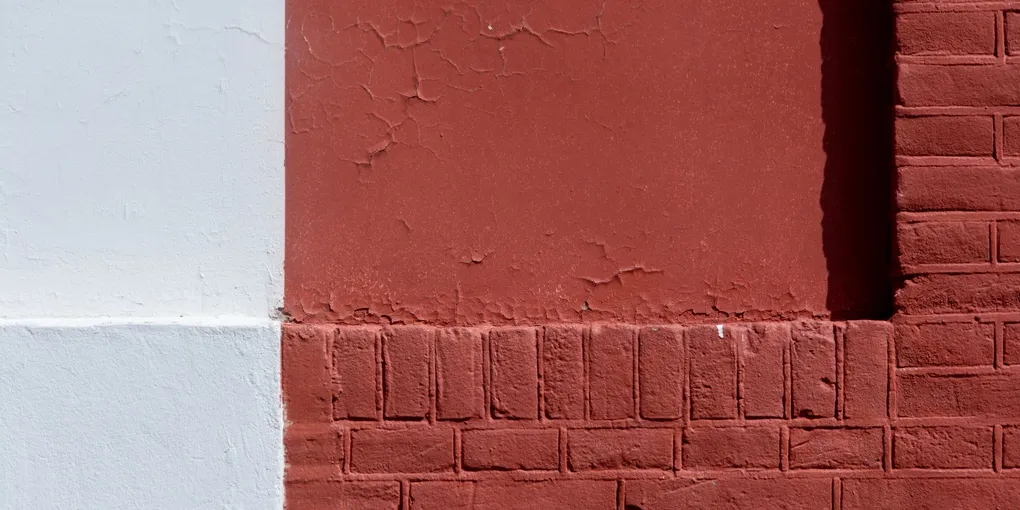
Hairline stucco cracks (under 1/8 inch): fill with a paintable elastomeric caulk or a stucco crack filler (not drywall spackle). Elastomeric materials bridge small movement — standard caulk will re-crack. Allow to dry, prime, and paint to match. Larger cracks or holes: use premixed stucco patch compound ($8–$20 per tub). Clean and dampen the area, apply in two or three thin layers, texture to match, let cure, then paint. Stucco over foam or EIFS (synthetic stucco) is different from traditional cement stucco — get a professional for EIFS repairs (moisture infiltration risk is high).
Frequently Asked Questions
How do I tell if a stucco crack is structural or just cosmetic?
Cosmetic cracks: spider-web/crazing pattern, hairline width (under 1/16 inch), no displacement between crack faces. These are normal from curing and thermal movement. Structural warning signs: crack wider than 1/4 inch, one side of the crack is higher than the other (displacement), stair-step pattern following mortar joints (in brick beneath stucco), crack that has grown over time, or cracks in corners around windows and doors that suggest wall racking. If the crack has displacement or appears to be growing: consult a structural engineer before patching — patching a structural crack conceals an active problem.
What material should I use for stucco crack repair?
For hairline cracks: elastomeric textured caulk (Sherwin-Williams Loxon, Quikrete Paintable Elastomeric) — it's flexible and bridges micro-movement. For larger cracks and holes: premixed stucco patch or Type S mortar mix for traditional cement stucco. Do not use regular spackle or lightweight joint compound — they don't bond to cement and will fail within a season. For the finish coat (matching texture): premixed finish stucco or acrylic texture paint. Acrylic texture paints allow texture matching by varying the nap roller or stipple pattern.
How do I match the stucco texture when patching?
Stucco texture is applied in the finish coat and varies: smooth, sand, skip trowel, Spanish/dash, Santa Barbara, and others. Identify your texture before buying materials. Common texture techniques: (1) Sand finish — spread premixed stucco with a trowel, then float with a sponge float in circular motions. (2) Dash/Spanish — load a stiff brush with stucco and flick it at the surface, or use a spray texture. (3) Skip trowel — apply stucco blobs with a trowel at irregular intervals. (4) Knockdown — apply stucco, let partially dry, then flatten peaks with a wide trowel. Practice on a piece of cardboard first to match the pattern before applying to the wall.
The stucco sounds hollow when I tap it. What does that mean?
A hollow sound when tapping indicates delamination — the stucco has separated from the substrate (concrete, block, or lath). Delaminated stucco is at risk of falling off and cannot be repaired by simply patching the surface. The delaminated section must be removed (use a cold chisel and hammer to chip out the hollow-sounding area), the substrate cleaned and primed, and the stucco rebuilt in layers. For large delaminated sections (over 2 square feet): this is best done by a plastering or stucco professional. For small sections (under 1 square foot): DIY repair is practical with a stucco patch kit and patience for multiple thin coats.
How many layers does a stucco patch require, and how long does each need to dry?
Traditional cement stucco patching uses three coats for full patches: scratch coat (first coat, cross-hatched with a scratcher or notched trowel), brown coat (second coat, floated smooth), and finish coat (texture coat). Each coat should be 3/8 to 1/2 inch thick. Allow 24–48 hours between coats (mist the surface between coats to prevent too-rapid drying). For shallow repairs (less than 3/4 inch deep): one or two coats may be sufficient. Premixed stucco patch products can be applied in one or two coats for most residential repairs. Full cure before painting: 28 days for cement stucco (standard concrete cure time), or per the product label for premixed acrylic-based patches.
Hairline stucco cracks (under 1/8 inch): fill with a paintable elastomeric caulk or a stucco crack filler (not drywall spackle). Elastomeric materials bridge small movement — standard caulk will re-crack.
Patch hairline cracks before water infiltration creates a much larger repair.
What you need
- Paintable elastomeric caulk (for hairline cracks)
- Premixed stucco patch ($8–$20 — Quikrete One-Coat or similar)
- Wire brush and cold chisel
- Masonry bonding adhesive (for large patches)
- Trowels (margin trowel and finishing trowel)
- Exterior primer and paint matching the existing color
Step 1: Assess the damage
Tap around the cracked or damaged area. Hollow-sounding sections need full removal. Solid-sounding areas can be surface-patched. Trace the extent of the damage beyond what’s visible.
Step 2: Hairline crack repair
Use a wire brush to clean loose material from the crack. Dampen the crack with a spray bottle.
Apply elastomeric caulk or crack filler into the crack using a caulk gun. Smooth flush with a putty knife. Allow to cure per label. Spot-prime and paint to match.
Step 3: Hole or larger crack repair
Chisel out any loose or delaminated material. Undercut the edges (wider at back than front) to create a mechanical key. Clean the area with a wire brush.
Apply masonry bonding adhesive to the substrate and let it become tacky per the label.
Mix premixed stucco patch to a thick paste consistency. Apply first coat — push firmly into the repair, about 3/8 inch thick. Cross-hatch the surface with a notched trowel. Let dry 24–48 hours, misting occasionally.
Step 4: Apply finish coat and match texture
Apply the finish coat of stucco. While still workable: apply texture to match the surrounding surface (see FAQ for techniques). Feather the edges of the patch to blend with the existing stucco.
Let cure fully (28 days for cement stucco, or per label for acrylic-based patch). Apply exterior primer, then paint.
Related guides
- How to Paint an Exterior House — painting after stucco repair
- How to Fix Peeling Exterior Paint — addressing paint failure above the repaired stucco
- How to Patch Concrete — similar masonry repair techniques for concrete surfaces
- Assess and categorize the damage
Tap the damaged area and the surrounding stucco with a screwdriver handle. Hollow or drum-like sounds indicate delaminated stucco that has separated from the substrate — this must be removed, not patched over. Check crack width: hairline cracks under 1/8 inch can be sealed in place; wider cracks and holes need compound patching. Look for displacement between crack faces or stair-step patterns following mortar joints — these suggest structural movement and need engineering evaluation before any repair.
- Repair hairline cracks with elastomeric caulk
Clean loose material from the crack with a wire brush. Dampen the crack with a spray bottle. Apply paintable elastomeric caulk into the crack using a caulk gun and smooth flush with a putty knife. Elastomeric caulk bridges thermal movement — standard caulk will re-crack. Allow to cure fully per the label. Spot-prime and paint to match the surrounding color.
- Remove delaminated material and prep larger repairs
Chisel out all hollow-sounding stucco and any loose material around holes. Undercut the edges so the repair area is wider at the back than at the face — this creates a mechanical key that locks the patch in. Clean thoroughly with a wire brush. Apply masonry bonding adhesive to the substrate and the repair edges; let become tacky per the label.
- Apply stucco patch in thin layers
Mix premixed stucco patch to thick paste consistency. Apply a scratch coat about 3/8 inch thick, pressing firmly into the repair. Score the surface with a notched trowel in a cross-hatch pattern. Let dry 24–48 hours, misting occasionally to prevent too-rapid drying. Apply a second coat if needed, leaving the last coat 1/8 inch below the final surface level for the finish coat.
- Apply finish coat, match texture, and paint
Apply the finish coat and match the texture while it is still workable: sand float (float with a sponge in circular motions), dash/Spanish (flick with a loaded stiff brush), or skip trowel (apply irregular blobs with a trowel). Feather the edges to blend into the surrounding stucco. Let cure 28 days for cement stucco (or per label for acrylic). Apply exterior primer, then two coats of matching exterior paint.
Free: 10-Point Home Maintenance Checklist
Prevent costly repairs with this seasonal checklist. Save hundreds every year by catching problems early.
Your checklist is ready!
Open Checklist →Something went wrong. View the checklist here.