How to Fix Cracked Concrete Steps: Patching Hairline Cracks, Chips, and Broken Edges (2026)
Concrete step cracks expand with every freeze-thaw cycle and create a trip hazard over time. This guide covers patching hairline cracks, spalled surfaces, and broken step edges — including the correct repair product for each type.
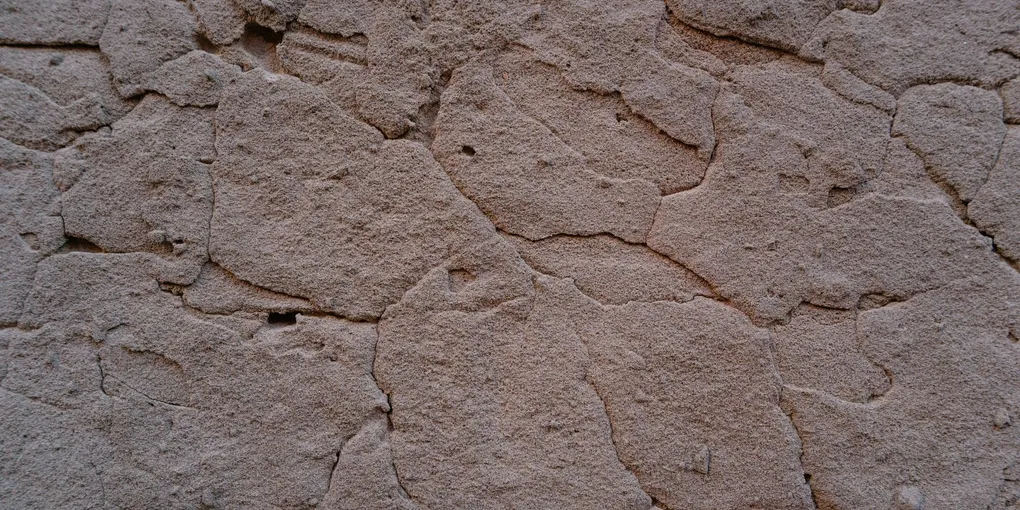
Fix cracked concrete steps: (1) Hairline cracks (under 1/4 inch wide): fill with concrete crack filler or masonry caulk — no prep beyond cleaning. (2) Larger cracks and spalling (surface flaking): use vinyl concrete patcher (Quikrete Vinyl Concrete Patcher or similar) which bonds to existing concrete and can be feathered thin. (3) Broken step edge (nosing): form a wood backer board against the riser face, fill with vinyl concrete patcher or hydraulic cement packed into the void, and finish flush with a trowel. (4) Key: all patches require bonding agent (Quikrete Acrylic Fortifier or similar) brushed onto the existing concrete before patching, or the patch will delaminate.
Frequently Asked Questions
What type of product should I use to patch concrete steps?
Concrete step patch product selection: (1) Hairline cracks (under 1/8 inch wide): self-leveling concrete crack filler in a caulk tube (Sashco Slab, Quikrete Self-Leveling Sealant). No mixing — inject directly into the crack. (2) Surface cracks up to 1/2 inch wide and shallow spalling: vinyl concrete patcher (Quikrete Vinyl Concrete Patcher, Sakrete Top 'N Bond). These polymer-modified mortars feather to thin edges and bond well to existing concrete. Use with bonding agent for best adhesion. (3) Step edges and deeper voids: structural epoxy repair mortars (Quikrete Concrete Repair, Sakrete Fast-Setting Cement Patcher) or hydraulic cement for deeper fills. These are stronger than vinyl patchers and resist the impact loads that step edges receive. (4) What not to use: pure Portland cement mixed with water — it shrinks on drying, does not bond to existing concrete, and cracks within a season. Always use a polymer-modified product or add latex bonding agent to plain cement mixes. (5) For stair treads in freeze climates: use products rated for exterior use with freeze-thaw resistance. Products that say 'latex-modified' or 'acrylic-modified' handle freeze-thaw better than plain cement.
How do I prepare concrete steps before patching?
Concrete step preparation before patching: (1) Remove all loose material: use a cold chisel and hammer or an oscillating multi-tool to chip away any loose, crumbling, or delaminated concrete around the crack or damaged area. Remove until you reach solid concrete. Attempting to patch over loose material will result in the patch failing within months. (2) Undercut the crack edges: for cracks wider than 1/4 inch, use a cold chisel or angle grinder with a masonry wheel to create a slight V-groove or undercut — wider at the bottom than at the surface. This mechanical lock prevents the patch from popping out. (3) Blow out or vacuum the crack: remove all dust, sand, and debris from the crack. A shop vac or compressed air works well. Any loose debris in the crack prevents the patch from bonding. (4) Dampen the surface: mist the repair area with water so the existing concrete is damp but not wet. A dry concrete surface draws moisture out of the patch mix too quickly, reducing bond strength. (5) Apply bonding agent: brush Quikrete Acrylic Fortifier, Weld-Bond, or SikaLatex onto the prepared surface immediately before patching. Apply the patch while the bonding agent is still tacky.
How do I repair a broken concrete step edge (nosing)?
Broken step edge repair: (1) The step nosing (the front edge of the tread) takes the most impact and chips off most commonly. To repair it, you need to build a temporary form to support the patch material. (2) Cut a piece of 2x4 to the width of the step. Hold it against the vertical riser face of the step, positioned so the top of the board is even with the top surface of the tread. Clamp or tape the board in place. (3) Brush bonding agent onto all exposed concrete surfaces in the repair area. (4) Mix vinyl concrete patcher or hydraulic cement to a stiff consistency. Pack the mix into the void between the existing step and the form board. Work the mix from the sides toward the center and downward to eliminate voids. (5) Strike the top surface flush with the existing tread using a margin trowel or straight edge. Achieve a slight texture (not smooth — a smooth concrete step is slippery when wet). A broom drag or light stipple with a stiff brush creates traction texture. (6) Leave the form in place for 24 hours. Remove the form board. Cure for at least 3 days before allowing foot traffic.
Why do concrete step repairs fail and crack again?
Causes of concrete patch failure: (1) Skipping bonding agent: this is the most common cause. Without bonding agent (or a latex-modified product used per instructions), the patch has minimal chemical bond to the existing concrete and delamination is predictable. (2) Patching over loose concrete: as noted above — any loose substrate under the patch will allow the patch to flex and eventually crack free. (3) Too thin or too thick: vinyl concrete patchers must be applied at the manufacturer's minimum thickness (usually 3/8 inch minimum for structural repairs). Very thin applications lack strength. Very thick applications (over 2 inches) in a single lift can crack as they cure. For thick repairs, build up in layers. (4) Applying in freezing temperatures: concrete patches must not be allowed to freeze while curing. Do not patch when temperatures will drop below 40°F within 24 hours. (5) Curing too fast in sun and heat: in direct sun on a hot day, the patch surface dries faster than the interior, causing surface shrinkage cracks. Mist the patch with water several times over the first 24 hours and cover with burlap or plastic to retain moisture.
How do I fill the large gap where my concrete steps have pulled away from the house?
Gap between concrete steps and foundation: (1) A gap between the step stringer and the foundation wall is caused by step settlement — the steps have sunk slightly while the house has not, or vice versa. This gap allows water to enter and can cause erosion under the steps. (2) For cosmetic filling: use backer rod (closed-cell foam rope) to fill the gap depth, then apply masonry caulk or polyurethane sealant over it. This is flexible and accommodates continued movement without cracking. (3) For structural gaps (more than 1 inch): this indicates ongoing step settlement. Slab leveling (mudjacking) can raise settled concrete steps — a contractor drills holes and pumps cement slurry or polyurethane foam underneath to lift the slab back to level. Cost: $300–$800 depending on size. (4) Do not fill a large settlement gap with rigid mortar: if the steps continue to settle, a rigid patch will crack and fall out. Flexible sealant accommodates movement. (5) If the steps have settled more than 2 inches: replacement may be more economical than repair. A small concrete step poured by a contractor costs $500–$1,500.
Fix cracked concrete steps: (1) Hairline cracks (under 1/4 inch wide): fill with concrete crack filler or masonry caulk — no prep beyond cleaning. (2) Larger cracks and spalling (surface flaking): use vinyl concrete patcher (Quikrete Vinyl Concrete Patcher or similar) which bonds to existing concrete and can be feathered thin.
Use vinyl concrete patcher with bonding agent — plain Portland cement mixed with water will shrink and delaminate.
What you need
- Vinyl concrete patcher (Quikrete Vinyl Concrete Patcher or equivalent)
- Concrete bonding agent (Quikrete Acrylic Fortifier)
- Cold chisel and hammer
- Margin trowel or finishing trowel
- 2x4 scrap (for nosing repairs as a form)
Step 1: Remove loose concrete
Chip away all loose, crumbling, or spalled material until you reach solid concrete. Undercut edges of larger cracks for mechanical lock.
Step 2: Clean and apply bonding agent
Vacuum or blow out debris. Dampen the surface. Brush bonding agent onto all exposed surfaces immediately before patching.
Step 3: Pack and finish the patch
Mix vinyl patcher to a stiff consistency. Pack into the repair, working out voids. Strike flush with a trowel and apply a light broom texture for traction.
Step 4: Cure
Keep the patch moist for 24–48 hours. Protect from frost. Allow 3 days before foot traffic.
Related guides
- How to Patch Concrete — concrete patching for flat surfaces
- How to Repair Concrete Cracks — crack repair in driveways and slabs
- How to Repair Spalling Concrete — surface scaling and delamination repair
- How to Fix a Broken Concrete Stoop — repair a crumbling or sunken front stoop using similar patching and resurfacing techniques
- Remove loose concrete
Chip away all loose, crumbling, or spalled material with a cold chisel and hammer until you reach solid concrete. For cracks wider than 1/4 inch, undercut the crack edges to create a V-groove wider at the bottom than at the surface — this mechanical lock prevents the patch from popping out. Vacuum or blow out all dust and debris from the crack.
- Clean and apply bonding agent
Dampen the repair area with water — the surface should be moist but not wet. Brush a concrete bonding agent (Quikrete Acrylic Fortifier or Weld-Bond) onto all exposed surfaces immediately before patching. Apply the patch while the bonding agent is still tacky — if it dries completely, apply a second coat.
- Mix and pack the patch
Mix vinyl concrete patcher (Quikrete Vinyl Concrete Patcher or equivalent) to a stiff consistency per label. Pack firmly into the void or crack, working edges inward to eliminate air pockets. For step nosing repairs: hold a 2x4 form board against the riser face and pack the mix into the void. Strike the top surface flush with a margin trowel and drag a broom lightly across it for slip-resistant texture.
- Cure the patch
Mist the patch with water several times over the first 24 hours to slow drying, especially on sunny hot days. Cover with burlap or plastic to retain moisture. Do not allow the patch to freeze within 24 hours of application. Remove the form board (if used) after 24 hours. Allow 3 days minimum before foot traffic.
Free: 10-Point Home Maintenance Checklist
Prevent costly repairs with this seasonal checklist. Save hundreds every year by catching problems early.
Your checklist is ready!
Open Checklist →Something went wrong. View the checklist here.