How to Repair Spalling Concrete: Surface Pitting, Flaking, and Scaling (2026)
Spalling is the flaking, pitting, or scaling of the concrete surface. It's caused by freeze-thaw cycles, deicing salts, or carbonation. This guide covers removing loose material, applying a concrete resurfacer, and preventing future spalling.
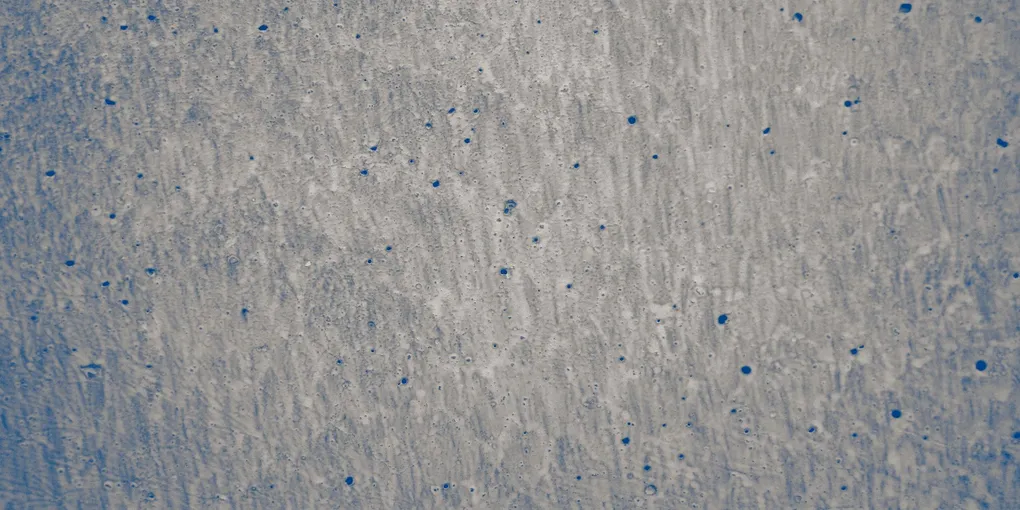
Spalled concrete repair: (1) Remove all loose, flaking, and crumbling material with a wire brush, chisel, or pressure washer. Any material that is not firmly bonded must come off or the repair will fail on top of it. (2) For surface pitting and scaling up to 1 inch deep: apply a polymer-modified concrete resurfacer (Quikrete Concrete Resurfacer, SAKRETE Flo-Coat) — mix to thick cream consistency and squeegee onto the clean surface. (3) For pits deeper than 1 inch: use vinyl concrete patcher to fill the deep areas first, then resurface over. (4) Apply concrete sealer after full cure to protect the repair.
Frequently Asked Questions
What causes concrete to spall and pit?
Spalling has three primary causes: (1) Freeze-thaw cycling — water in the concrete pores freezes, expands, and fractures the surface layer. Concrete exposed to repeated freeze-thaw is most vulnerable at the top 1/4 to 1/2 inch. (2) Deicing salt damage — sodium chloride and calcium chloride accelerate freeze-thaw damage and cause chemical attacks on the concrete matrix. Driveways and sidewalks salted during winter show the most spalling. (3) Low water-to-cement ratio during placement — concrete finished or troweled while water is bleeding from the surface traps the bleed water and creates a weak surface layer that pops off. This is a placement defect and appears within the first few years. Prevention: seal concrete annually to block water ingress and reduce deicing salt use.
How do I tell if the concrete below the spalling surface is structurally sound?
Tap the surface with a coin or steel rod. A solid 'thud' sound indicates sound concrete. A hollow or higher-pitched sound indicates delamination — the surface layer has separated from the structural concrete below. For a repair to hold: the substrate must be sound. If the concrete sounds hollow over a large area: the entire delaminated layer must be removed before repair. Use a chisel to chip away the delaminated material — it will come off easily in sheets. What remains should be dense, gray aggregate. If the concrete is porous or crumbles into aggregate during removal: the damage has reached structural depth and the slab section may need replacement.
How do I apply concrete resurfacer for spalling repair?
Resurfacer application: (1) Pressure wash or scrub all loose material, oil, and debris from the surface. Let dry. (2) Etch with muriatic acid (1 part acid to 10 parts water) if the surface has a shiny or sealed layer that would prevent adhesion. Rinse thoroughly and neutralize with baking soda. Let dry. (3) Dampen the surface with water — the surface should be damp but no standing water. (4) Mix the resurfacer per label to a thick cream consistency. (5) Pour onto the surface and spread with a squeegee or stiff broom in 4-foot sections. Work quickly — most resurfacers have a 20-30 minute working time. (6) Texture by dragging a broom across the surface for a non-slip finish. (7) Keep moist and protect from sun for 24 hours during cure.
The spalling on my steps is severe — the surface is gone 1/2 inch deep. Can I still resurface?
For step surfaces with deep spalling (1/2 inch or more): (1) Fill the deep areas with vinyl concrete patcher to bring the surface level to within 1/4 inch of the desired finish elevation. Let cure fully (24 hours minimum). (2) Apply resurfacer over the patched and original surface as a leveling coat. OR: use a pre-blended step and cap resurfacing product (many manufacturers sell stair-specific resurfacers with high polymer content for better adhesion on vertical surfaces). Apply to risers with a trowel and to treads with a squeegee. Feather the edges onto any intact original surface. Form the nosing profile with a margin trowel before the resurfacer sets.
My concrete driveway has deep potholes along with surface spalling. What order do I repair?
Repair sequence for a driveway with both issues: (1) Fill potholes and structural cracks with cold-patch asphalt or vinyl concrete patcher (depending on whether the driveway is asphalt or concrete). Let cure per product instructions. (2) Repair any structural cracks with polyurethane filler. (3) Apply resurfacer over the entire surface last. Resurfacer over an unfilled pothole will crack because it is not designed for structural depth. The correct sequence is always: structural repairs first, then surface treatment. After resurfacing: apply concrete sealer annually for driveways exposed to traffic and deicing salts.
Spalled concrete repair: (1) Remove all loose, flaking, and crumbling material with a wire brush, chisel, or pressure washer. Any material that is not firmly bonded must come off or the repair will fail on top of it.
Remove every flaking piece first — resurfacer applied over loose concrete will delaminate within one season.
What you need
- Wire brush and chisel (or pressure washer for large areas)
- Concrete resurfacer (Quikrete Resurfacer or SAKRETE Flo-Coat)
- Vinyl concrete patcher (for deep areas)
- Squeegee and stiff broom
- Concrete sealer (for post-repair protection)
- Drill with paddle mixer
Step 1: Remove all loose concrete
Chip, chisel, and wire brush every piece of flaking, pitting, or delaminated concrete. Tap with a coin to find hollow areas. Continue until every surface remaining sounds solid.
Step 2: Clean the substrate
Pressure wash the area. Let dry completely. The surface must be free of oil, paint, dust, and curing compound. Etch with diluted muriatic acid if the surface doesn’t absorb water readily.
Step 3: Fill deep areas
Mix vinyl concrete patcher and fill any voids deeper than 1 inch. Trowel flush. Let cure 24 hours. Feather the edges into the surrounding surface.
Step 4: Apply concrete resurfacer
Dampen the surface. Mix resurfacer to cream consistency. Pour and spread with a squeegee working in 4-foot sections. Texture with a broom drag. Protect from direct sun with plastic sheeting and keep damp for 24 hours.
Step 5: Seal after full cure
After 24 hours, apply penetrating concrete sealer. Reapply annually on driveways and walks that see salt or heavy traffic.
Related guides
- How to Repair Concrete Cracks — crack repair to do before resurfacing
- How to Patch Concrete — larger concrete patches
- How to Seal a Concrete Floor — concrete sealing after repairs
- Remove all loose and delaminated concrete
Chip, chisel, and wire brush every piece of flaking, pitting, or delaminated concrete. Tap the surface with a coin — hollow or higher-pitched sounds indicate delamination where the surface has separated from the structural concrete below. All hollow areas must be chipped away until only dense, solid aggregate remains. Attempting to resurface over loose concrete causes the repair to delaminate within one season.
- Clean and prepare the substrate
Pressure wash the prepared area to remove all dust, oil, and debris. Let dry completely. Test adhesion: pour water on the surface — if it beads up, the surface has a sealer or release agent that will prevent bonding. If so, etch with diluted muriatic acid (1 part acid to 10 parts water), rinse thoroughly, and neutralize with baking soda. Let dry.
- Fill deep voids with vinyl concrete patcher
For pits or depressions deeper than 1 inch: mix vinyl concrete patcher with bonding adhesive applied to the void walls, pack firmly into the void, and trowel flush. Let cure 24 hours before applying resurfacer over it. Resurfacer is a thin-coat product and is not designed to fill deep structural voids.
- Apply concrete resurfacer and texture
Dampen the prepared surface with water — no standing water, just a damp-dry state. Mix resurfacer to a thick cream consistency per the package ratio. Pour onto the surface and spread with a squeegee in 4-foot sections working quickly (20–30 minute working window). While still wet, drag a stiff broom across the surface for a non-slip texture matching the original. Protect with plastic sheeting and keep damp for 24 hours to cure.
- Apply concrete sealer after full cure
After 24–48 hours, apply penetrating concrete sealer to the resurfaced area and the surrounding concrete. Sealer blocks water and deicing salt ingress — the primary causes of spalling. Reapply annually on driveways and walks that see salt or heavy traffic.
Free: 10-Point Home Maintenance Checklist
Prevent costly repairs with this seasonal checklist. Save hundreds every year by catching problems early.
Your checklist is ready!
Open Checklist →Something went wrong. View the checklist here.