How to Fix an Uneven Lawn: Level Bumps, Fill Low Spots, and Topdress for a Flat Surface
Bumpy or uneven turf is a tripping hazard and makes mowing difficult — fix it with topdressing, core aeration, and targeted low-spot filling using sand and compost blended to your soil type.
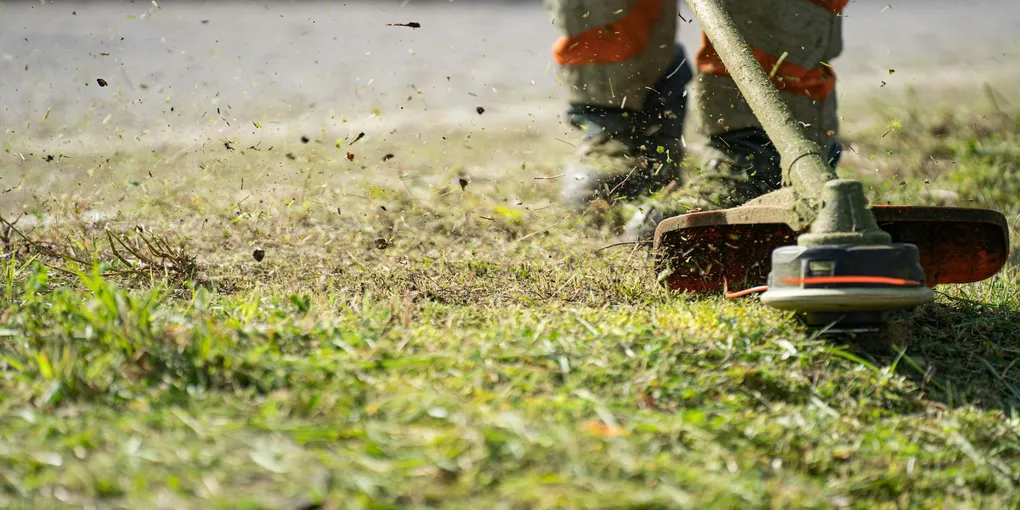
An uneven lawn is more than a cosmetic problem — it creates ankle-twisting low spots, scalping by the mower on high spots, and drainage issues that promote disease.
An uneven lawn is more than a cosmetic problem — it creates ankle-twisting low spots, scalping by the mower on high spots, and drainage issues that promote disease. The fix is straightforward: assess the severity, address root causes, and systematically level the surface over one or two growing seasons.
What You Need
- Coarse builder’s sand — the primary leveling component for most topdressing mixes
- Lawn topdressing compost — pre-blended topdressing mixes are available at garden centers
- Lawn leveling rake — a wide aluminum lute rake for spreading material evenly
- Core aerator — rent a powered unit for large lawns; manual tools work for spot treatment
- Lawn roller — for tamping down raised areas and consolidating topdressing
- Grass seed and starter fertilizer — for overseeding bare or thin areas after leveling
Assess Your Lawn Before You Start
Leveling a bumpy lawn is not a one-size-fits-all project. Walk the lawn slowly with a marking flag or bamboo stake and flag every area that needs attention:
High spots (bumps and mounds). These are raised areas that the mower scalps — you can see yellowed or brown circles where the blade cuts too low. Common causes include tree roots, frost heave, buried debris, and mole activity.
Low spots (depressions). Water pools here after rain and the grass stays wet longer, promoting fungal disease. Low spots range from shallow saucers less than an inch deep to significant depressions several inches below surrounding grade.
Thatch layer assessment. Excessive thatch — a spongy layer of dead grass and organic material above the soil — creates a false unevenness. Push a screwdriver into the lawn in several spots. If the screwdriver meets springy resistance before reaching soil, you likely have a thatch problem that should be addressed with dethatching or aeration before leveling.
Root cause investigation. Before putting time into leveling, try to understand why the lawn is uneven. If moles are active, the tunnels will reappear after every repair session. If a buried stump is causing subsidence, the area will continue sinking until the wood fully decomposes. Address the source, then level.
Step 1: Mow Short and Dethatch
Two weeks before major leveling work, mow the lawn to the lowest comfortable setting for your grass type — typically about 1.5 to 2 inches for cool-season grasses, and 1 inch for warm-season grasses. Short grass allows topdressing material to reach the soil surface more easily and makes the unevenness of the lawn much more visible.
If the lawn has a significant thatch layer (more than 1/2 inch), run a power dethatcher or rent a slit-seeder set to a shallow thatch-removal setting before adding topdressing. Thatch acts as a water-repellent barrier and will prevent topdressing material from integrating into the soil.
Collect and dispose of the mowing clippings and thatch debris. You do not want organic debris mixed into your leveling material.
Step 2: Core Aerate the Entire Lawn
Core aeration is the single most effective prep step before topdressing. A core aerator pulls cylindrical plugs of soil (typically 2 to 3 inches deep and 1/2 inch in diameter) at 3- to 4-inch intervals across the lawn. These holes provide channels for topdressing material to move below the surface rather than just sitting on top.
Rent a self-propelled core aerator for lawns over 2,000 square feet — the time savings are substantial. For small areas, a manual fork aerator or a rolling spike aerator works for spot treatment, though hollow tines (which remove plugs) are more effective than solid spikes (which only punch holes without removing material).
Make two passes over the lawn in perpendicular directions for maximum coverage. The soil plugs extracted by the aerator will sit on the surface — leave them in place. They will break down within two to three weeks and actually add organic material back to the surface as they crumble.
Water the lawn deeply the day before aerating if the soil is dry — aerator tines pull deeper plugs from moist soil.
Step 3: Mix Your Topdressing Material
For most lawns, the optimal topdressing blend is:
- 70 percent coarse sharp sand
- 15 percent topsoil (screened, weed-free)
- 15 percent finished compost
Mix these in a wheelbarrow or on a tarp using a shovel. The blend should flow freely — not clump together — and feel gritty rather than sticky. Test it by squeezing a handful: it should hold a loose shape but crumble easily. If it clumps, add more sand.
Matching your soil. For clay-heavy lawns, shift the ratio to 80 percent sand and 10 percent each topsoil and compost. Adding significant organic matter to clay without enough sand may worsen drainage. For sandy-soil lawns, shift toward 50 percent sand, 20 percent topsoil, and 30 percent compost to boost organic content. Do a simple jar test to determine your existing soil type: fill a jar with soil and water, shake it, and let it settle overnight. Sand settles first at the bottom, silt in the middle, and clay floats near the top.
Step 4: Fill Low Spots
Address the deepest low spots first, before general topdressing.
Spots less than 1/2 inch deep. These can be addressed directly in the general topdressing step.
Spots 1/2 inch to 2 inches deep. Spread topdressing blend to fill the depression to surrounding grade. Use a leveling rake or lute to smooth the surface flush. This depth can be done in one application as long as the grass is actively growing and you water regularly afterward. Grass will grow through up to about 1 inch of topdressing material; at 1/2 inch depth you have comfortable margin.
Spots deeper than 2 inches. Do not attempt to fill with topdressing alone. Instead:
- Cut the sod in a grid pattern using a flat spade, making cuts every 8 to 10 inches.
- Peel back the sod pieces and set them aside in the shade.
- Add bulk fill material (quality topsoil) to the depression, compacting lightly by tamping with your foot as you go.
- Bring the fill level to 1 inch below surrounding grade (leaving room for sod thickness).
- Replace the sod pieces over the filled area and press firmly.
- Water daily for two weeks to help the sod re-root.
Step 5: Apply General Topdressing
Once low spots are handled, top-dress the entire lawn — or at minimum the uneven areas — with your sand/compost blend.
Apply at 1/4 to 1/2 inch depth. Use a shovel to distribute small piles of topdressing across the lawn, spacing them every 2 to 3 feet. Then use a leveling rake or lute to spread the piles flat. Work in long, sweeping strokes, pulling the material across the grass surface. The goal is a thin, even coat — you should be able to see the grass tips peeking through the topdressing after spreading.
Check aeration holes. The topdressing material should be falling into the holes left by the core aerator. This is by design — you are filling those channels and integrating the leveling material deeper into the soil profile.
Repeat after a week. Water the lawn and come back after one week to assess. Some topdressing material will have settled into aeration holes. Repeat the process if low spots are still visible. You are building grade gradually over time.
Step 6: Flatten High Spots
High spots that have been scalped repeatedly by the mower are more involved to correct than low spots.
Mild high spots (less than 1 inch above grade). Use a lawn roller filled 1/3 to 1/2 with water to press the area down gradually. Roll during cool, moist weather when the soil is pliable. This works best for frost heave bumps where the soil has been pushed up intact — rolling can press it back toward grade without disrupting the turf.
Larger high spots. Cut the sod in a grid and peel it back as described above. Remove excess soil from the high spot until the area sits at the correct grade. Replace the sod and water deeply.
Buried debris. If the high spot is caused by buried wood, old root material, or construction debris, remove as much of the foreign material as possible before grading. Organic debris creates ongoing subsidence as it decomposes — leaving it in place means the spot will sink again.
Step 7: Overseed Thin and Bare Patches
Any bare areas from sod removal, scalping damage, or animal activity should be overseeded immediately after leveling. Bare soil quickly loses moisture and becomes compacted under rain.
Spread a matching grass seed variety at the recommended seeding rate for your region and grass type. Rake it lightly into the surface to improve seed-to-soil contact. Spread a light layer of starter fertilizer over the seeded area. Keep the area consistently moist — light watering two to three times daily until germination occurs (typically 7 to 21 days depending on grass type and temperature).
Water, Monitor, and Repeat
Deep watering after topdressing is critical. Run your irrigation for 20 to 30 minutes on the day you apply topdressing, and again every two to three days for the next two weeks. This helps the sand and compost settle through the grass canopy and integrate with the existing soil.
Walk the lawn again in 4 to 6 weeks. Some settling is normal, and areas that looked level immediately after work may show minor residual unevenness. A second thin application the same season — or early the following season — is often needed for significant problem areas. Most lawns reach acceptable flatness after two seasons of consistent topdressing and overseeding.
Related Reading
- Spring Home Maintenance Checklist — seasonal tasks to tackle alongside lawn leveling
- Annual Home Maintenance Schedule — year-round maintenance planning for the entire property
- How to Seal a Driveway — other outdoor surfaces to address while working on yard improvement projects
- Best Lawn Mowers for Homeowners — mowing at the right height after leveling prevents scalping on high spots
- Mow Short and Dethatch
Two weeks before major leveling work, mow the lawn to the lowest comfortable setting for your grass type — typically about 1.5 to 2 inches for cool-season grasses, and 1 inch for warm-season grasses.
- Core Aerate the Entire Lawn
Core aeration is the single most effective prep step before topdressing. A core aerator pulls cylindrical plugs of soil (typically 2 to 3 inches deep and 1/2 inch in diameter) at 3- to 4-inch intervals across the lawn.
- Mix Your Topdressing Material
15 percent topsoil (screened, weed-free)
- Fill Low Spots
Address the deepest low spots first, before general topdressing.
- Apply General Topdressing
Once low spots are handled, top-dress the entire lawn — or at minimum the uneven areas — with your sand/compost blend.
- Flatten High Spots
High spots that have been scalped repeatedly by the mower are more involved to correct than low spots.
Free: 10-Point Home Maintenance Checklist
Prevent costly repairs with this seasonal checklist. Save hundreds every year by catching problems early.
Your checklist is ready!
Open Checklist →Something went wrong. View the checklist here.