How to Fix an Air Conditioner Not Cooling: Diagnosis and DIY Fixes (2026)
An AC that runs but doesn't cool is one of the most frustrating home problems. This guide covers the DIY-fixable causes: dirty filter, frozen evaporator coil, dirty condenser coils, low refrigerant signs, and when to call a technician.
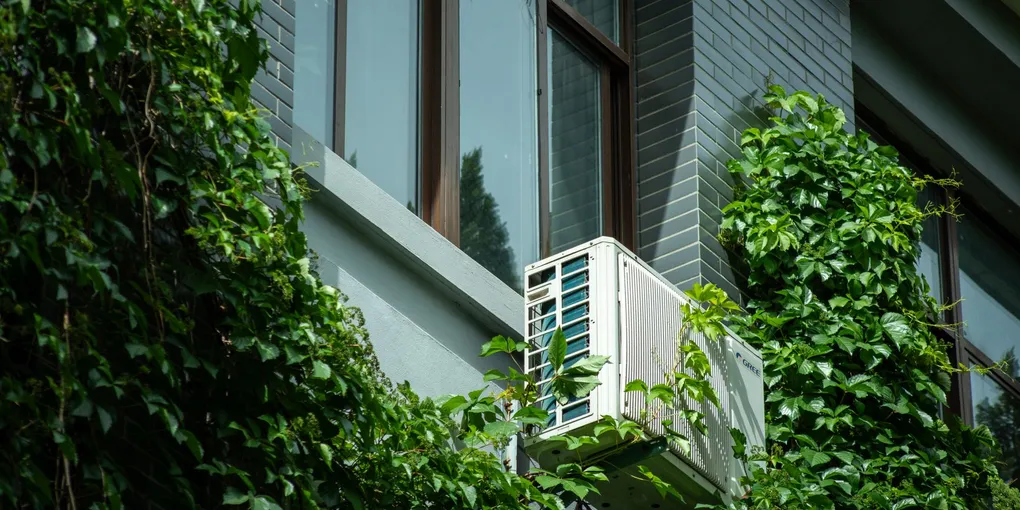
Before calling an HVAC technician, check these in order: (1) Air filter — a clogged filter blocks airflow and reduces cooling dramatically. Replace it. (2) Thermostat setting — confirm it's set to COOL and the temperature is set below the room temperature. (3) Frozen evaporator coil — if ice is visible on the refrigerant lines or indoor coil, the system is frozen. Turn the AC off, run the fan only for 2–3 hours to thaw, then restart. (4) Condenser unit outside — debris, grass, or shrubs blocking the unit reduces heat rejection. Clear a 2-foot perimeter.
Frequently Asked Questions
Why would my AC freeze up?
An evaporator coil freezes when it can't absorb enough heat to keep the refrigerant from getting too cold. Causes: (1) Clogged air filter — restricted airflow is the most common cause. Replace the filter, run fan-only for 2–3 hours to thaw, then restart. (2) Low refrigerant — if refrigerant is leaking, the remaining refrigerant expands too much and freezes the coil. This requires a certified HVAC tech to find the leak and recharge. (3) Blower motor failing — weak airflow from a failing fan motor can cause freezing. (4) Running AC when outdoor temperature is below 60°F — the coil doesn't absorb enough heat and freezes.
How do I check and clean the condenser (outdoor unit)?
The condenser unit rejects heat from your house to the outdoors. If it's clogged with dirt, cottonwood, leaves, or grass clippings: cooling efficiency drops dramatically. Check: turn off the AC at the thermostat and at the outdoor disconnect switch. Use a garden hose to spray water from inside the unit outward through the coil fins (do not use a pressure washer — the fins bend). Rinse until the water runs clear. Straighten bent fins with a fin comb ($10). Clear vegetation at least 18–24 inches from all sides. Allow to dry before restarting.
My AC runs but the air coming out of the vents is not cold. What does that mean?
Running compressor but warm air typically indicates: (1) Low refrigerant — the system is running but can't transfer heat due to insufficient refrigerant. Symptoms: warm air from vents, ice on refrigerant lines, hissing or bubbling sound. Requires professional leak detection and recharge. (2) Compressor failing — the compressor pumps the refrigerant but if it's failing, the refrigerant doesn't circulate properly. Listen for unusual sounds from the outdoor unit. (3) Reversing valve stuck (heat pump) — on heat pumps in AC mode, a stuck reversing valve delivers warm air instead of cool. Requires a technician.
How do I know if my AC needs refrigerant?
Signs of low refrigerant: warm air from vents despite the system running, ice forming on the refrigerant lines near the outdoor unit, a hissing or bubbling sound (refrigerant leak sound), and unusually high electric bills (system runs constantly trying to cool). You cannot add refrigerant yourself — it requires EPA certification to handle. A technician will check refrigerant pressure, find and fix the leak, and recharge the system. Refrigerant doesn't 'run out' on its own — if it's low, there's a leak.
The AC cools well in the morning but poorly in the afternoon. Why?
Afternoon performance issues are often related to the outdoor temperature — as it climbs above 95°F, AC systems struggle to reject heat efficiently (the condenser can't dump heat into hot air as effectively). This is especially pronounced if: the condenser unit is in direct afternoon sun, the condenser is dirty, or the system is undersized for the heat load. Partial relief: shade the condenser with a screen or awning (not full enclosure — needs 18-inch clearance), clean the condenser coils, and close blinds/curtains on the south and west-facing windows during afternoon hours.
Before calling an HVAC technician, check these in order: (1) Air filter — a clogged filter blocks airflow and reduces cooling dramatically. Replace it.
Work through the DIY checks before calling — many AC problems are free or cheap fixes.
What you need
- Replacement air filter (check your filter size on the existing filter frame)
- Garden hose (for condenser cleaning)
- Fin comb (to straighten bent condenser fins)
- Thermometer (to measure supply and return air temperatures)
Step 1: Replace the air filter
Check the air handler or furnace filter. If it’s clogged with grey fuzz: replace it with the correct size. A clogged filter is the most common cause of reduced cooling. Check monthly, replace every 1–3 months depending on dust levels.
Step 2: Check for a frozen coil
Look at the refrigerant lines near the indoor air handler and at the evaporator coil. If you see ice: the system is frozen.
Turn the system to FAN ONLY (not off) at the thermostat. Allow 2–4 hours for the ice to melt and drain. Then check the filter (usually the cause). If filter was fine: call a technician (low refrigerant is the next most likely cause).
Step 3: Clean the condenser
Turn off the AC at the thermostat and at the outdoor disconnect. Remove debris from around the unit. Gently rinse the condenser fins with a garden hose, spraying from inside outward. Restore power and restart.
Step 4: Measure temperature differential
A functioning AC should drop supply air temperature 15–20°F compared to return air. Measure return air temperature at the air handler intake, and supply air temperature at a register near the air handler. If drop is less than 10°F: the system needs a technician (refrigerant, compressor, or airflow issue beyond basic maintenance).
Step 5: When to call a technician
- Ice returns after thawing and filter replacement
- Hissing or bubbling from refrigerant lines
- Temperature differential less than 10°F
- Compressor running but clicking off after a few minutes (hard-start issue)
- System over 15 years old with declining performance (may need replacement evaluation)
Related guides
- How to Change a Furnace Filter — filter maintenance on the same equipment
- How to Install a Smart Thermostat — optimize cooling schedules
- Annual Home Maintenance Schedule — AC tune-up timing
- How to Fix a Window Air Conditioner — window unit-specific diagnosis when central AC isn’t the issue
- Replace the air filter
Turn off the AC at the thermostat. Locate the filter — either at the return air grille (a vent on the wall or ceiling), at the air handler unit, or in both locations. Remove and inspect: if it is gray and dense with dust, replace it. A severely clogged filter restricts airflow so much that the evaporator coil freezes, blocking all cooling. After replacing the filter: run the system on FAN ONLY (no cooling) for 30–60 minutes to thaw any ice before resuming cooling mode.
- Check for a frozen evaporator coil
A frozen evaporator coil is the most common reason an AC blows air but no cooling occurs. Signs: visible ice on the refrigerant lines near the air handler, the system blows but the air is not cold, or the outdoor unit runs but there is barely any airflow from vents. Turn the system to OFF or FAN ONLY and let it thaw for 1–2 hours. Address the root cause: clogged filter (replace it), blocked supply registers (open all vents), or an unusually hot day straining an undersized unit. After thawing, confirm cooling resumes.
- Clean the condenser coils
The outdoor condenser unit must reject heat to the outside air. Dirty condenser coils (packed with cottonwood seeds, grass clippings, or dust) reduce this heat rejection and cause the compressor to overheat. With the unit off: clear debris from around the unit (maintain 2 feet of clearance on all sides). Remove the top grill if accessible and vacuum out leaves. Spray the coil fins with a coil cleaner (spray from inside out) or rinse gently with a garden hose from the inside of the unit outward. Let dry before restoring power.
- Check thermostat settings and mode
Confirm the thermostat is set to COOL mode (not FAN or HEAT), the set temperature is below the current room temperature, and the fan is set to AUTO (not ON). A thermostat set to FAN ON runs the blower continuously without activating the compressor — the air moves but is not cooled. For smart thermostats: confirm the schedule hasn't set a temperature setback that's preventing cooling. Check the wiring at the thermostat if the display looks correct but the unit doesn't respond.
- Measure the temperature differential
A properly functioning AC should produce air that is 15–20°F cooler at the supply register than the temperature of air at the return. Hold a thermometer at the return air grille for 2 minutes, then hold it at a supply register. If the differential is under 15°F after the system has run for 15 minutes: the system may be low on refrigerant or the compressor may be failing — both require a licensed HVAC technician. Do not attempt to add refrigerant yourself — it requires EPA Section 608 certification and specialized equipment.
Free: 10-Point Home Maintenance Checklist
Prevent costly repairs with this seasonal checklist. Save hundreds every year by catching problems early.
Your checklist is ready!
Open Checklist →Something went wrong. View the checklist here.