How to Fix a Stiff Door Lock
Learn how to diagnose and fix a stiff, sticky, or hard-to-turn door lock using lubrication, key blank cleaning, and alignment adjustments.
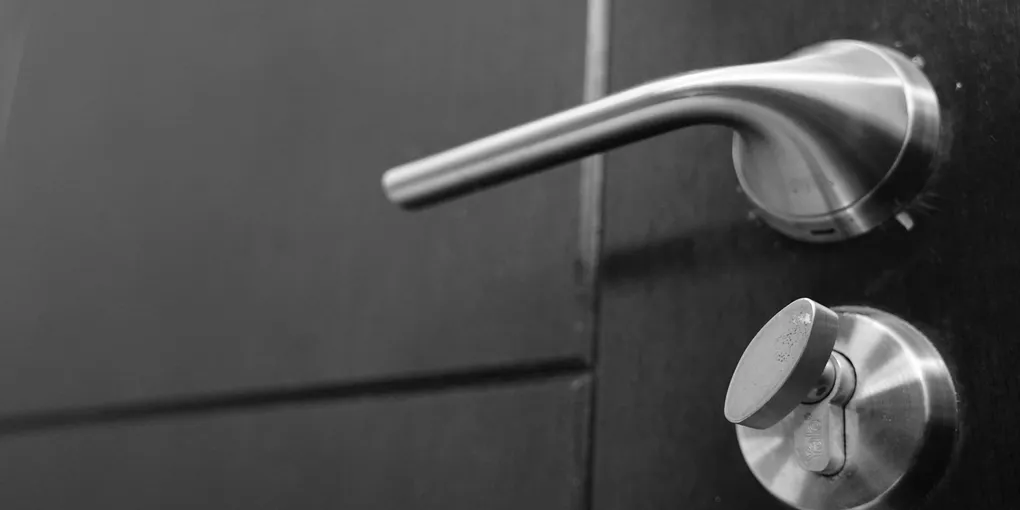
A stiff door lock is an aggravation on a good day and a crisis when you are fumbling with keys in the dark or in an emergency. The fix is almost always straightforward — most stiff locks are either dry and dirty inside the cylinder, misaligned with the strike plate, or binding because the door itself has shifted.
A stiff door lock is an aggravation on a good day and a crisis when you are fumbling with keys in the dark or in an emergency. The fix is almost always straightforward — most stiff locks are either dry and dirty inside the cylinder, misaligned with the strike plate, or binding because the door itself has shifted. This guide covers each scenario with the tools and techniques to resolve them permanently.
What You Need
- Graphite powder lock lubricant
- PTFE dry lubricant spray — an alternative to graphite
- White lithium grease — for bolt mechanism and hinges
- Phillips and flathead screwdrivers
- Allen wrench set
- A metal file or Dremel with grinding bit
- Chisel and hammer
- Pencil or lipstick for strike plate diagnosis
Step 1 — Identify the Specific Problem
A stiff lock can mean several different things. Work through this checklist to identify the precise failure before reaching for tools:
- Insert your key. Does it go in smoothly or does inserting it feel stiff? If inserting the key is the problem, the issue is cylinder pins or a dirty keyway.
- Try turning the key without pressing the latch. If turning is stiff, the cylinder needs lubrication.
- Does the bolt retract smoothly once the key turns? If the cylinder turns but the bolt is sluggish or catches, the bolt mechanism is dry or the latch is binding on the strike plate.
- Close the door and turn the inside thumb turn or lever. If the inside operates easily but the outside key is stiff, the problem is the key or cylinder, not the bolt.
- Look at the latch bolt against the door frame. Is it centered in the strike plate opening? If it is scraping the top or bottom edge of the strike plate, door alignment is the issue.
Step 2 — Lubricate the Cylinder
This is the fix for a stiff key turn or difficulty inserting the key. The lock cylinder contains spring-loaded pins that must move freely to allow the key to turn.
For graphite powder: Insert the tip of the graphite tube into the key slot. Give it two or three small puffs to push graphite into the cylinder. Insert your key and work it in and out several times, then turn it through its full range of motion to distribute the lubricant among all the pins.
For PTFE spray: Hold the nozzle extension at the key slot opening and spray briefly — a one-second burst is sufficient. Work the key in and out. Wipe any overspray from the face of the lock.
Do not over-lubricate. Excess graphite or PTFE accumulates and eventually becomes a paste that attracts more grime than it prevents. A small amount applied every year or two is sufficient for most residential locks.
Step 3 — Lubricate the Bolt and Latch Mechanism
While the cylinder lubricant addresses key turning stiffness, a sluggish or grinding bolt movement points to the bolt mechanism itself.
Remove the door handle or knob assembly and the lock body by removing the visible screws on the interior rose plate. This exposes the latch bolt assembly. Apply a small amount of white lithium grease to the bolt sides, the bolt housing interior, and the connecting bar between the cylinder and the bolt. Reassemble the lock and test.
For a deadbolt, the throw mechanism sometimes develops resistance from slight corrosion on the bolt shank. Apply white lithium grease to the bolt and the inside of the strike plate hole. Throw the deadbolt several times to work the grease in.
Step 4 — Check and Fix Strike Plate Alignment
If the bolt moves freely inside the door but drags or catches when entering the strike plate, alignment is the problem. The classic diagnosis technique:
Rub a soft pencil or a little lipstick along the face of the latch bolt. Close the door and try to latch it. Open the door and look at the strike plate — the pencil or lipstick mark will show exactly where the bolt is contacting the plate edge.
If the bolt hits too high or low: Loosen the strike plate screws. Use a chisel to slightly extend the mortise cutout in the direction the bolt needs to move. Reposition the strike plate and retighten, or use a metal file to enlarge the strike plate opening in the needed direction.
If the bolt hits too far in or out (the door latch does not catch): The door may have settled. Check the hinge screws — a loose top hinge is the most common cause of a door dropping and throwing off latch alignment. Tighten all hinge screws. If any screw spins freely in a stripped hole, remove it, fill the hole with a wood toothpick and wood glue, let dry, and redrive the screw.
Step 5 — Address a Swollen Door
If the lock stiffness is seasonal — worse in summer, better in winter — the door is swelling with humidity. This is most common with solid wood exterior doors.
Open the door fully and inspect the latch edge of the door. Look for a shiny compressed area along the door edge where it presses against the door stop. This is where the door is oversized.
Sand or plane the latch edge of the door at the tight spot. Remove only a small amount of material — 1/32 inch at a time — and test the fit frequently. Once the door closes and latches without binding, seal the freshly planed edge with a wood primer or exterior paint to prevent future moisture absorption.
Step 6 — Replace a Worn Key
If none of the above steps solve the stiffness and the problem is intermittent, try your original key if you have been using a copy. Key copies from hardware store machines are frequently cut slightly off-spec, with high spots on the cuts that prevent the pins from aligning precisely. An original factory-cut key often resolves the problem immediately.
If the original key also sticks, the key is worn. Take the lock cylinder to a locksmith for a new key cut directly to the cylinder rather than to a worn key profile. This service costs $5 to $15 and resolves stiffness caused by key wear.
When to Replace the Lock
If lubrication, alignment, and a fresh key do not resolve the stiffness, the cylinder may have a broken pin stack or a failed spring inside. Residential lock cylinders can be re-pinned by a locksmith for $20 to $40, or the entire lockset can be replaced for $30 to $100 depending on the hardware quality. Replacing the lockset is the right call if the lock is old, lower-security, or you want to upgrade to a deadbolt or smart lock at the same time.
Related Reading
- How to Fix a Broken Patio Door Roller
- How to Weatherstrip a Door
- How to Replace a Door Knob
- How to Fix a Loose Door Handle — fix a wobbling or spinning handle before the stiffness issue escalates
- Best Smart Locks for Home Security — upgrade to a smart lock if the existing mechanism keeps sticking
- Step 1 — Identify the Specific Problem
A stiff lock can mean several different things. Work through this checklist to identify the precise failure before reaching for tools:
- Step 2 — Lubricate the Cylinder
This is the fix for a stiff key turn or difficulty inserting the key. The lock cylinder contains spring-loaded pins that must move freely to allow the key to turn.
- Step 3 — Lubricate the Bolt and Latch Mechanism
While the cylinder lubricant addresses key turning stiffness, a sluggish or grinding bolt movement points to the bolt mechanism itself.
- Step 4 — Check and Fix Strike Plate Alignment
If the bolt moves freely inside the door but drags or catches when entering the strike plate, alignment is the problem. The classic diagnosis technique:
- Step 5 — Address a Swollen Door
If the lock stiffness is seasonal — worse in summer, better in winter — the door is swelling with humidity. This is most common with solid wood exterior doors.
- Step 6 — Replace a Worn Key
If none of the above steps solve the stiffness and the problem is intermittent, try your original key if you have been using a copy.
Free: 10-Point Home Maintenance Checklist
Prevent costly repairs with this seasonal checklist. Save hundreds every year by catching problems early.
Your checklist is ready!
Open Checklist →Something went wrong. View the checklist here.