How to Fix a Musty Smelling House: Source Identification and Remediation
A musty odor in your home almost always signals moisture. Learn how to find the source — mold, HVAC, or crawl space — and eliminate it for good with air purifiers, dehumidifiers, and targeted remediation.
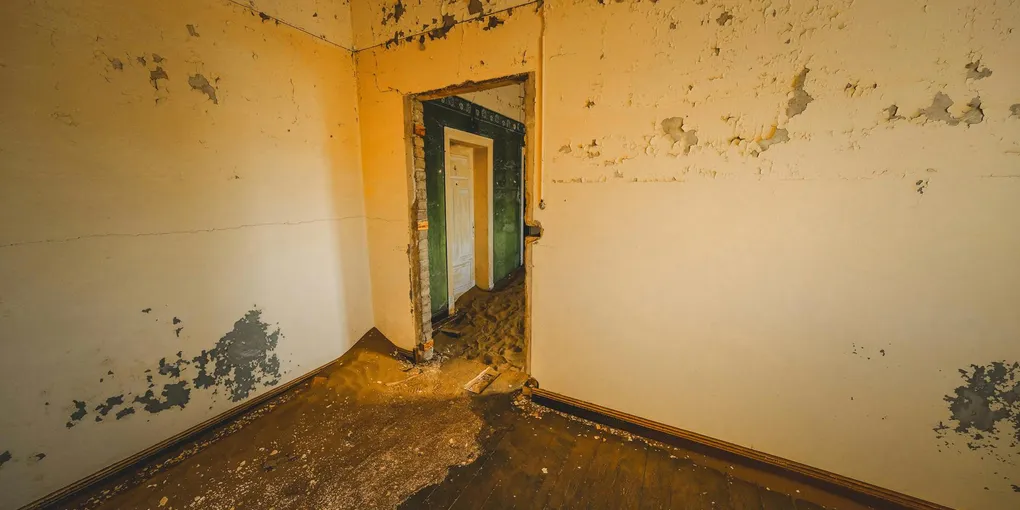
A musty smell means moisture + mold somewhere. Check in order: (1) HVAC — a musty smell from vents = mold in ducts or on the evaporator coil (run AC on fan-only mode, have coil cleaned). (2) Basement or crawl space — biggest source of whole-house mustiness; run a 50-pint dehumidifier and keep below 50% humidity. (3) Bathrooms — check behind toilet, under sink, and around the tub for hidden leaks. (4) Attic — check for roof leaks or insufficient ventilation. (5) Washing machine drum — run a hot cycle with white vinegar monthly to kill mildew. Most cases are solved by eliminating moisture at the source and running a dehumidifier.
Frequently Asked Questions
What causes a house to smell musty?
Mustiness is caused by mold or mildew — both produce volatile organic compounds (MVOCs) that create the characteristic earthy odor. The underlying cause is always moisture: high humidity above 55%, a slow water leak, condensation from poor insulation, or inadequate ventilation. You can eliminate the smell temporarily with air purifiers and deodorizers, but it returns until the moisture source is addressed.
How do I find where a musty smell is coming from?
Work room by room with your nose close to the walls, floors, and vents. Mustiness intensifies where the mold is. Key suspects: under sinks (plumbing leaks), behind the washing machine, in the basement or crawl space (ground moisture), inside HVAC ducts (mold on the evaporator coil), and in the attic (roof leak or poor ventilation). A moisture meter ($15-$30) helps identify wet spots in walls before you see visible mold.
Does an air purifier help with musty smells?
An air purifier with a HEPA filter and activated carbon reduces mold spores and VOCs — it improves air quality and can reduce the intensity of the smell. But it doesn't fix the underlying mold or moisture. Think of it as symptom management. A dehumidifier is more effective at preventing mustiness because it removes the moisture mold needs to grow.
How much does it cost to fix a musty house?
Dehumidifier for basement: $150-$300. HVAC coil cleaning: $100-$250. Crawl space encapsulation: $5,000-$15,000. Small mold remediation (under 10 sq ft): $200-$600 DIY with proper PPE. Professional mold remediation: $500-$6,000 depending on area affected. Most mild mustiness cases (basement + high humidity) cost $150-$400 to fix properly.
A musty smell means moisture + mold somewhere. Check in order: (1) HVAC — a musty smell from vents = mold in ducts or on the evaporator coil (run AC on fan-only mode, have coil cleaned).
That damp, earthy smell that hits you when you walk through the front door is more than an annoyance — it’s your home telling you that moisture is winning somewhere. A musty odor is almost always caused by mold or mildew growth, and the longer you ignore it, the more damage it can do to your structure, your belongings, and your health.
The good news is that most musty-house problems are solvable at the DIY level. You don’t need to call a remediation company for every situation. What you do need is a systematic approach: find the source, address the moisture, and then clean up what’s already grown. This guide walks you through every step.
What You Need
Before you start hunting for the source of that smell, gather the right tools. Having everything on hand will save you multiple trips and help you move through the inspection efficiently.
- Thermo-hygrometer (temperature and humidity meter) — essential for pinpointing high-humidity zones
- Heavy-duty dehumidifier (50-pint or larger) — the workhorse for ongoing moisture control
- True HEPA air purifier — captures airborne mold spores while you remediate
- Mold test kit — confirms mold presence before you commit to major work
- N95 or P100 respirator — protects your lungs during cleanup
- Antimicrobial mold cleaner / encapsulant spray — kills surface mold on hard materials
How Musty Smells Actually Form
Mold and mildew are fungi. They produce musty-smelling chemicals called microbial volatile organic compounds (MVOCs) as a byproduct of their metabolism. You can smell those compounds even when the mold itself is hidden behind drywall, under flooring, or inside an HVAC duct.
Mold needs three things to grow: organic material (wood, drywall paper, fabric), temperatures above roughly 40°F, and moisture — specifically relative humidity above 60% or a wet surface. Eliminate the moisture and you eliminate the mold’s ability to grow. That’s the core principle behind everything in this guide.
Step 1: Confirm It’s Mold (Not Just Dust or Animal Odors)
Before you tear into walls, rule out simpler explanations.
Could it be dust? A dusty HVAC system or a rarely-used room can smell stale and slightly musty without any mold. Run the furnace fan on its own for an hour and check whether the smell gets stronger (a sign that the HVAC is distributing spores) or fades (a sign that it’s just stale air).
Could it be a dead animal? A mouse or bird that died in a wall cavity produces a different kind of musty-sweet smell that intensifies over days and then fades. If the smell peaked recently and is now declining, this is a more likely culprit.
Could it be sewer gas? A dried-out P-trap in a floor drain or a cracked wax ring can let sewer gas into the home. Sewer gas smells musty and sulfurous. Pour a cup of water into any floor drain you haven’t used recently to re-seal the trap.
If you’ve ruled out these alternatives and the smell persists — especially if it’s worse on humid days or after rain — you almost certainly have mold or mildew somewhere.
Use a mold test kit to confirm. The simplest versions are petri dish tests: you expose the dish to air in the suspect area for a set time, seal it, and check for growth after a few days. Positive growth in a basement or crawl space test confirms an active mold problem.
Step 2: Measure Humidity Throughout the House
Walk through the entire home with your thermo-hygrometer and record the relative humidity in each room, plus the basement, crawl space (if accessible), and any closets on exterior walls. Do this on a humid day for the most useful readings.
Normal range: 30–50% relative humidity in living spaces
Elevated: 50–60% — not immediately dangerous but trending wrong
Problem zone: Above 60% — mold growth is likely or imminent
Rooms with consistently high readings are your primary suspects. The highest readings will almost always be in the basement or crawl space, which is where the moisture is entering.
Step 3: Identify the Moisture Source
This is the most critical step. Air purifiers and dehumidifiers manage symptoms; fixing the moisture source is the cure.
Crawl Space
Crawl spaces are the single most common source of whole-house musty odors. Ground moisture evaporates upward into an unencapsulated crawl space and then migrates into the living areas above. Signs of a crawl space problem:
- Visible moisture on the ground or on framing members
- White mineral deposits (efflorescence) on the foundation walls
- Soft, punky wood on the floor joists
- Obvious mold growth on wood surfaces
The fix for a crawl space is encapsulation: covering the ground with heavy polyethylene vapor barrier, sealing foundation vents (in most climates), and adding a dedicated crawl space dehumidifier. This is the most impactful single thing you can do for a musty house.
Basement
Check for water intrusion at the base of the walls after rain. Look for staining, efflorescence, and dark spots on exposed concrete block or stone. Check the sump pump — if it runs constantly or the pit is always full of water, you have significant groundwater pressure.
Also check for condensation on cold pipes and the exterior faces of basement walls in summer. When warm, humid outdoor air hits a cool basement wall, it can deposit enough moisture to feed mold growth without any actual leak.
HVAC System
Your HVAC distributes air — and whatever is in that air — throughout every room. A moldy HVAC system is one of the most insidious sources of musty smells because you’ll notice it in every room simultaneously.
Inspect:
- The air handler evaporator coil drain pan — this should be dry when the system isn’t running. A pan with standing water or slime is a major mold source.
- The air handler itself — shine a flashlight inside and look for dark growth on the blower wheel or inside the cabinet.
- Ductwork near the air handler — mold on the first few feet of duct near the coil is common.
- Return air grilles — heavy dust buildup creates a surface for mold to colonize.
Replace the air filter, clean the drain pan with a diluted bleach solution, and consider having the ductwork professionally cleaned if you find growth inside.
Bathrooms and Laundry
Check the grout and caulk around tubs and showers. Black or pink staining is mold or mildew. Check under the sink for slow drip leaks. Make sure the bathroom exhaust fan actually vents to the outside (not just into the attic) and is powerful enough for the room size.
The dryer vent is another common culprit — a kinked or partially disconnected dryer vent dumps warm, humid air into the wall cavity.
Step 4: Remediate Surface Mold
For mold on hard, non-porous surfaces (tile, sealed concrete, glass), you can clean it yourself. Mix one cup of household bleach with one gallon of water, apply with a brush or spray bottle, let it sit for 10 minutes, scrub, and rinse. Wear your N95 respirator and gloves.
For mold on porous materials like drywall, insulation, or untreated wood, cleaning usually isn’t sufficient — the mold roots penetrate the material. Drywall with mold should be cut out and replaced. Insulation with mold should be removed and replaced. Untreated wood framing can sometimes be treated with a biocide and then encapsulated with a mold-resistant paint or encapsulant.
Rule of thumb: If the moldy area is larger than about 10 square feet (roughly 3x3 feet), EPA guidelines recommend calling a professional remediator.
Step 5: Deploy Dehumidification and Air Purification
Once you’ve addressed the moisture source and cleaned up visible mold, you need to bring the humidity down and capture any remaining airborne spores.
Dehumidifier placement: Put a high-capacity dehumidifier in the basement or crawl space — this is where the moisture enters. Set it to maintain 45–50% relative humidity. Empty the tank or connect a drain hose so it runs continuously.
Air purifier: A true HEPA air purifier captures particles as small as 0.3 microns, which includes mold spores. Place one in the main living area and run it continuously until the smell is gone, then use it as needed. Look for a model rated for at least the square footage of the room where you’re placing it.
Keep windows and doors closed when outdoor humidity is high (above 60%). Opening the house on humid days lets in more moisture than it releases.
Step 6: Prevent Recurrence
- Keep indoor humidity between 30–50% year-round
- Fix any plumbing leaks immediately
- Ensure gutters and downspouts direct water away from the foundation
- Grade soil away from the house so water doesn’t pool against the foundation
- Run bathroom exhaust fans during and for 20 minutes after showers
- Check your HVAC drain pan every spring and fall
FAQ
-
question: “How long does it take for a musty smell to go away after fixing the moisture source?” answer: “It depends on how much mold is present and how quickly you reduce humidity. With a dehumidifier running continuously and visible mold removed, most homes see significant improvement within 1–2 weeks. Deeply embedded mold in walls or subfloor can take longer.”
-
question: “Can I just use an air freshener or ozone machine to get rid of the musty smell?” answer: “Air fresheners mask the smell temporarily. Ozone generators can neutralize odors but don’t kill mold at safe concentrations — high ozone levels that kill mold are also dangerous to humans and pets. Neither addresses the underlying moisture problem. Fix the source first.”
-
question: “Is a musty smell always dangerous to my health?” answer: “Mild mold exposure causes symptoms in sensitive individuals — runny nose, eye irritation, coughing. People with asthma or mold allergies can have more severe reactions. Certain mold species produce mycotoxins that are more hazardous. If anyone in the household has unexplained respiratory symptoms, treat the situation as urgent.”
-
question: “My basement always smells musty in summer but is dry. What’s causing it?” answer: “This is almost certainly condensation. In summer, warm humid air enters the basement and condenses on the cool concrete walls and floor, depositing moisture and feeding mold. The fix is to keep the basement sealed against warm outdoor air and run a dehumidifier. Don’t open basement windows in humid weather.”
-
question: “How do I know if mold is inside my walls?” answer: “Signs include: smell that’s strongest near a specific wall, peeling or bubbling paint, soft or discolored drywall, or visible mold at the baseboard. A professional can use a thermal camera or moisture meter probe to detect moisture inside walls without cutting. If you suspect significant hidden mold, a professional assessment is worth the cost.”
-
question: “Does encapsulating a crawl space really work for musty odors?” answer: “Yes — for most homes with crawl spaces, encapsulation is the most effective single fix. It stops ground moisture from evaporating into the space, and the improvement in whole-house air quality is often dramatic. It’s a significant project (typically $5,000–$15,000 professionally done) but can often be DIYed for the cost of materials.”
Related Reading
- How to Fix a Sump Pump That Keeps Running
- How to Fix a Leaky Basement Wall
- How to Fix Bathroom Exhaust Fan Problems
- Best Air Purifiers for Allergies and Pet Hair — top HEPA picks for mold spores and allergens
- Best Dehumidifiers for Basements — moisture control picks by basement size
- Duct Cleaning Cost — duct cleaning pricing and when it actually solves musty odors
- Confirm It's Mold (Not Just Dust or Animal Odors)
Before you tear into walls, rule out simpler explanations.
- Measure Humidity Throughout the House
Walk through the entire home with your thermo-hygrometer and record the relative humidity in each room, plus the basement, crawl space (if accessible), and any closets on exterior walls. Do this on a humid day for the most useful readings.
- Identify the Moisture Source
This is the most critical step. Air purifiers and dehumidifiers manage symptoms; fixing the moisture source is the cure.
- Remediate Surface Mold
For mold on hard, non-porous surfaces (tile, sealed concrete, glass), you can clean it yourself. Mix one cup of household bleach with one gallon of water, apply with a brush or spray bottle, let it sit for 10 minutes, scrub, and rinse.
- Deploy Dehumidification and Air Purification
Once you've addressed the moisture source and cleaned up visible mold, you need to bring the humidity down and capture any remaining airborne spores.
- Prevent Recurrence
Keep indoor humidity between 30–50% year-round
Free: 10-Point Home Maintenance Checklist
Prevent costly repairs with this seasonal checklist. Save hundreds every year by catching problems early.
Your checklist is ready!
Open Checklist →Something went wrong. View the checklist here.